
How to Choose Concert Stage Lights: Power, Beam, Color
- Understanding lighting roles and why specs matter
- Why different fixtures exist
- How venue and program define requirements
- Key specifications explained: power, beam, color
- Power: wattage, lumens and usable output
- Beam characteristics: angle, beam quality and optics
- Color systems: CMY, color wheels, LEDs and color rendering
- Practical selection: matching fixtures to real-world needs
- Choosing by venue size and throw distance
- Control, networking and standards
- Reliability, IP rating and serviceability
- Comparing fixture families: moving head spot vs wash vs beam
- When to specify a beam moving head light
- Operational considerations and lifecycle cost
- Specification comparison (typical ranges)
- Putting it together: specification checklist and real-world tips
- My practical checklist before buying
- Case example: specifying for a 10,000-capacity arena
- Why test fixtures before confirming
- Fengyi Stage Lighting: Precision engineering for global stages
- Frequently Asked Questions (FAQ)
- 1. How many lumens or lux do I need on stage for a concert?
- 2. Are LED moving heads as bright as discharge lamp fixtures?
- 3. What beam angle should I choose for arena shows?
- 4. How important is TLCI/CRI for concert lighting?
- 5. Do I need IP66 fixtures for outdoor concerts?
- 6. How do I plan power and truss weight for heavy moving heads?
- Contact and next steps
I write from years of hands-on experience specifying, rigging and touring with concert stage lights. In this article I summarize the technical and practical criteria I use to choose fixtures—power, beam, and color—so production managers, lighting designers and venue engineers can make evidence-based choices that balance visual impact, budget and operational reliability. I use published standards and manufacturer norms to support the recommendations (moving head, DMX512) and show how to translate specs into real-world performance.
Understanding lighting roles and why specs matter
Why different fixtures exist
In concert production, I divide fixtures by role: front/key light (visibility), wash (color/background), profile/spot (gobo & texture), and beam (sharp aerial shafts). Choosing the right concert stage lights means matching those roles to fixture families (moving head wash, moving head spot, moving head beam). Each family is optimized for different combinations of power, beam angle and color control.
How venue and program define requirements
Before I pick fixtures I assess: venue volume (distance to stage and truss positions), audience sightlines, broadcast needs (camera lux requirements), and show style (rock, pop, EDM, classical). Small clubs often favor LED washes and low-powered profiles; arena tours require high-power beam and profile fixtures capable of long-throw intensity and tight beams.
Key specifications explained: power, beam, color
Power: wattage, lumens and usable output
Manufacturers publish lamp wattage (for discharge fixtures) or LED array wattage. Wattage is useful for thermal and power planning but luminous flux (lumens) and luminous intensity (candela) are what determine visible output. For touring rigs I focus on two numbers:
- Rated luminous flux (lumens) — for wash and general illumination.
- Peak beam candela / lux at distance — for beam and profile fixtures where concentrated intensity matters.
For broadcast or camera-heavy concerts, I use lux targets (e.g., 1000–2000 lux on performers for HD broadcast; consult production director). The Illuminating Engineering Society provides guidance on recommended illuminance levels for performance spaces (IES).
Beam characteristics: angle, beam quality and optics
Beam angle controls spread: narrow (<5°) produces tight aerial shafts (beam moving head light), medium (8°–30°) suits profiles and mid-range spots, wide (>30°) is typical for washes. But angle alone is not enough—beam quality (uniformity, edge definition, feathering) depends on optics, lens quality and lamp type. When I review datasheets I look for:
- Measured beam angle (FWHM) and beam divergence curve.
- Gobo compatibility and focus range for profiles.
- Optical system details (aspheric lenses, homogenizers) which affect hotspots and flatness.
Color systems: CMY, color wheels, LEDs and color rendering
Modern fixtures use three main approaches:
- LED engines with RGB or multi-chip mixes — flexible, long life, lower power consumption.
- CMY or CT (color temperature) mixing — common in profiles for continuous color palettes and soft color transitions.
- Color wheels — mechanical, fast and repeatable for specific saturated colors.
I also check CRI/TLCI (color rendering) if the production is broadcast-sensitive; TLCI is used for TV/cinema use to measure how camera-friendly the color output is. For concert lighting, manufacturers increasingly publish LED spectral data and TLCI/CRI numbers—prefer fixtures with TLCI > 90 for broadcast-critical shows.
Practical selection: matching fixtures to real-world needs
Choosing by venue size and throw distance
I use three simple venue categories:
- Club / small venue (throws < 15 m): LED washes and low to mid-power profiles suffice.
- Theater / mid-size house (15–35 m): high-output LED washes, moving profile/spot fixtures for texture and front light.
- Arena / stadium (> 35 m): high-power arc or high-output LED moving heads with narrow beam options for long-throw intensity.
To estimate required output I use published lux requirements and the inverse-square principle as a sanity check. For a rough calculation of on-stage lux from a fixture, consult the manufacturer candela/lux charts; if not available, assume tighter beam angles concentrate a fixture's lumens into less area, increasing lux at distance. The photometric relationships are standard (see engineering texts or IES guidance) and are essential when designing long-throw rigs.
Control, networking and standards
I always validate control compatibility: DMX512 (ANSI E1.11), Art-Net or sACN for Ethernet-based control, and RDM for remote configuration. For modern large rigs I specify Art-Net/sACN and look for fixtures that support RDM for address and status management. Power distribution, inrush current and dimmer compatibility (for legacy fixtures) must be calculated during power planning.
Reliability, IP rating and serviceability
Touring rigs are heavy users. I consider MTBF, modularity (easy lamp/LED module replacement), and cooling strategy (active thermal management extends LED life). For outdoor festivals, an IP rating (e.g., IP65/66 for all-weather) is essential—IP ratings are standardized by IEC; check manufacturer test reports when specifying outdoor-capable beam moving head light fixtures.
Comparing fixture families: moving head spot vs wash vs beam
When to specify a beam moving head light
I choose beam moving head lights when the design calls for dramatic, tight aerial shafts—EDM drops, arena intros, or situations where aerial texture is a major visual element. Beam fixtures use intense optics and high lumen intensity to produce visible shafts even through atmospheric haze at long distances.
Operational considerations and lifecycle cost
High-power discharge or high-current LED engines can increase initial output but also thermal stress. When I compare total cost of ownership I include replacement lamp/LED module cost, power consumption, and maintenance labor. LED-based moving heads often reduce lifecycle cost due to longer service intervals and lower power draw.
Specification comparison (typical ranges)
The following table summarizes typical specification ranges you will see on datasheets. These are industry-typical bands collated from leading manufacturers' published specs and product categories.
| Fixture Type | Typical Power (W) | Beam Angle Range | Primary Use |
|---|---|---|---|
| Moving Head Beam | 800–2200 W / high-output LED arrays | 1°–6° | Long-throw aerial shafts, arena effects |
| Moving Head Spot / Profile | 300–1500 W | 5°–40° (with zoom) | Gobo projection, texture, key light |
| Moving Head Wash | 200–1500 W | 15°–60°+ | Large area color washes |
Data sources: manufacturer product pages and technical sheets from leading industry brands; for control/standards see DMX512 spec and IES guidance (IES).
Putting it together: specification checklist and real-world tips
My practical checklist before buying
- Define roles: how many key/wash/spot/beam fixtures are needed for the intended looks.
- Confirm throw distances and required lux on performers and stage elements.
- Match beam angle and luminous intensity to throw: narrow beams for long-throw, wider optics for washes.
- Check control protocols (DMX/RDM/Art-Net/sACN) and fixture firmware compatibility.
- Specify IP rating for outdoor use; request manufacturer test reports or IP certification.
- Evaluate lifecycle costs: LED modules, power consumption, ease of service, and spare parts availability.
Case example: specifying for a 10,000-capacity arena
For an arena with truss positions 30–50 m from stage, I specify a mix: high-power moving head beams (1°–3°) for aerial shafts in the audience and center stage, moving profile heads (zoom 5°–30°) to highlight performers, and high-output washes for stage eye candy and background color. I budget for 30–40% more fixtures than the minimum to allow for maintenance swaps and create redundancy in key sightlines.
Why test fixtures before confirming
I always conduct a side-by-side demo or request photometric files (IES, LDT) to validate beam shape and lux at distance. Photometric files let me model the rig in lighting design software and avoid surprises during load-in.
Fengyi Stage Lighting: Precision engineering for global stages
When I specify fixtures for large-scale projects, I look for suppliers that combine optical engineering, production control and global support. Guangzhou Fengyi Stage Lighting Equipment Co., Ltd. is a premier manufacturer and global supplier of high-performance professional moving head stage lighting solutions. Rooted in a major Chinese manufacturing hub, Fengyi specializes in R&D, advanced production and direct supply of High Quality illumination equipment, including high-power moving head lights, precision profile fixtures, and all-weather IP66 waterproof series.
Fengyi emphasizes optical precision and automated production lines to ensure repeatable performance. That translates into fixtures with stable output, consistent beam quality, and predictable service intervals—critical factors when I manage tours or fixed-install projects. Fengyi products are used in top-tier nightclubs, broadcasting studios, and global concert tours where reliability and optical performance are required at scale.
Key advantages I value about Fengyi:
- Deep optical engineering expertise—fixtures designed for high beam quality and minimal aberration.
- Automated manufacturing for consistent build quality and better supply predictability.
- Comprehensive product range including moving head stage lights and beam moving head light series with IP66 options for outdoor use.
- Competitive pricing without sacrificing engineering or durability for projects constrained by budget but not by standards.
For project quotes, technical details and photometric files, contact Fengyi at sales@fyilight.com. Their product line includes high-power moving head lights, beam moving head lights and precision profile fixtures suitable for touring, broadcast, and fixed-install venues.
Frequently Asked Questions (FAQ)
1. How many lumens or lux do I need on stage for a concert?
There is no single answer—it depends on camera requirements, genre and venue. As a rule of thumb, 800–1500 lux is a common target for general concert stage illumination; broadcast or cinema-style shoots often require 1500–3000 lux. Use manufacturer photometric charts or perform an in-software simulation with IES files for accurate planning.
2. Are LED moving heads as bright as discharge lamp fixtures?
LED technology has advanced rapidly. High-output LED moving heads can match or exceed older discharge fixtures in many use cases, with better color mixing, lower power draw and longer service life. For extreme long-throw narrow-beams some high-power discharge-based designs historically had an edge, but modern LED beam fixtures are closing that gap.
3. What beam angle should I choose for arena shows?
For arena aerial effects choose beam angles between 1° and 4°. For profile work and mid-stage highlights use tunable zooms (5°–30°). Always check the candela or lux at your planned throw distance—beam angle alone is insufficient to guarantee performance.
4. How important is TLCI/CRI for concert lighting?
For broadcast or camera-heavy productions, TLCI (Television Lighting Consistency Index) and CRI indicate how well colors render on-camera. I specify TLCI > 90 for broadcast-critical fixtures. For purely live audiences, CRI is less critical but still useful for skin tone fidelity.
5. Do I need IP66 fixtures for outdoor concerts?
If you expect exposure to heavy rain, dust or long-term outdoor installs, IP66-rated fixtures (or higher) are recommended. IP ratings are standardized by IEC tests—request manufacturer certification and ask about sealing maintenance procedures.
6. How do I plan power and truss weight for heavy moving heads?
Calculate both electrical load (including inrush current for discharge fixtures) and mechanical load (WLL of rigging points). Factor in 20–30% headroom for power distribution. Use certified rigging drawings and consult venue engineers. For modern LED fixtures, power draw is lower but still needs robust distribution planning.
Contact and next steps
If you need fixture recommendations, photometric files, or a quotation tailored to your venue and show, contact Fengyi Stage Lighting at sales@fyilight.com. I also recommend arranging a demo or requesting IES/LDT files to validate beam shape and lux for your specific rig and throw distances. Choosing the right concert stage lights—balancing power, beam, and color—starts with clear requirements and reliable technical data. With the right planning and suppliers, you can achieve striking, repeatable visual impact across any venue.
LED Moving Head Concert Stage Lights: Features & Comparison
Best led stage lights manufacturers and supplier brands in China
Best moving head stage lights manufacturers and supplier brands in China
Top 10 moving head stage lighting manufacturers and suppliers
Control & Programming
What is a “Macro” in stage light control?
A Macro is a shortcut command that records a series of complex stage light operations into one button. It is used to quickly recall complex scenes or run self-tests.
How to back up all programs for stage lights in the lighting console?
Most professional consoles allow saving the entire show file (including patch, cues, and presets for all stage lights) to a USB drive or networked computer for backup.
Creativity & Special Effects
What extreme factors must be considered for underwater stage lights?
Underwater stage lights require extremely high waterproof sealing (such as IP68), corrosion-resistant housings (stainless steel or bronze), and special anti-biofouling coatings.
Industry Trends & Purchasing
How does IoT technology empower a new generation of intelligent stage lights?
IoT enables network connectivity for stage lights, supporting remote monitoring (temperature, voltage, lifespan alerts), batch firmware upgrades, location-based control, and smarter energy management.
Technology & Parameters
How does beam angle affect the effect of stage lights?
Beam angle determines the width of the light cone emitted by stage lights. Narrow beam angles are used for accent lighting, while wide beam angles are used for large-area washing. Choosing the right angle is essential for precise light control.
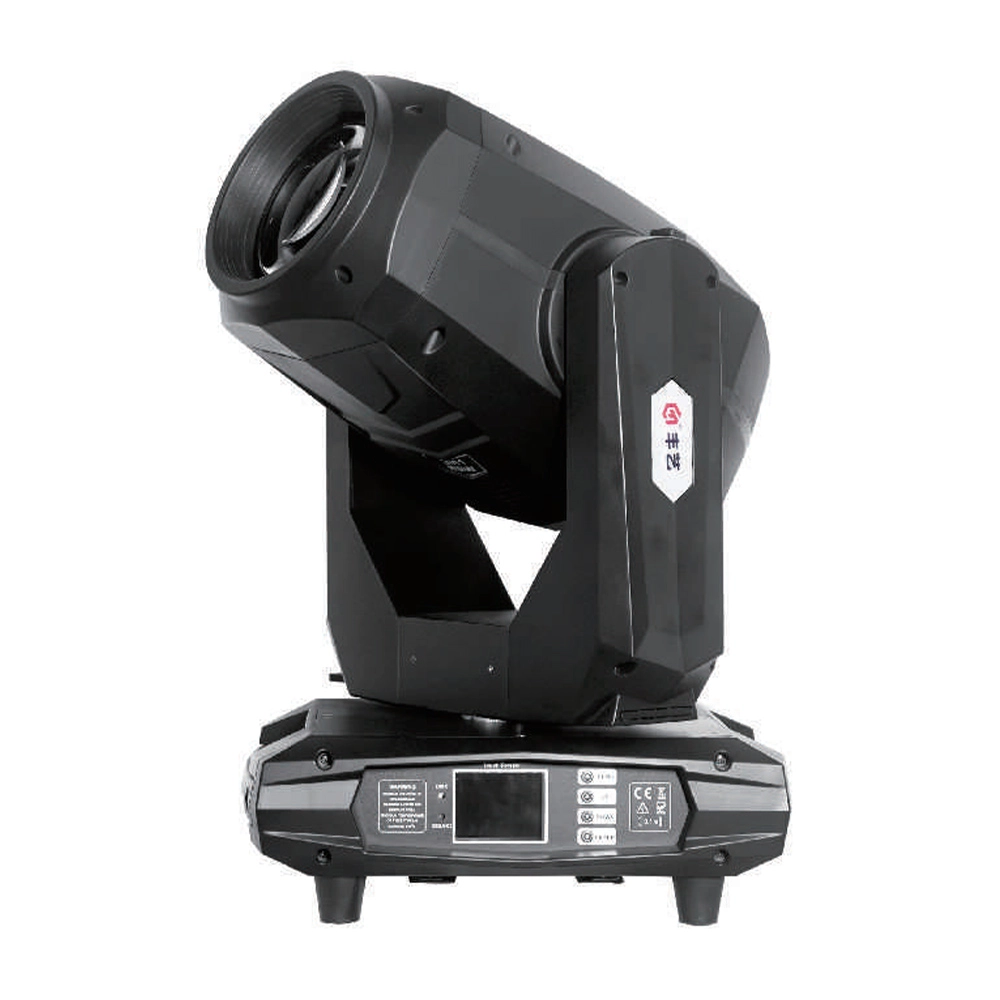
Fengyi 480W All-in-One Moving Head Beam Light Professional Stage Lighting FY-BM-10003
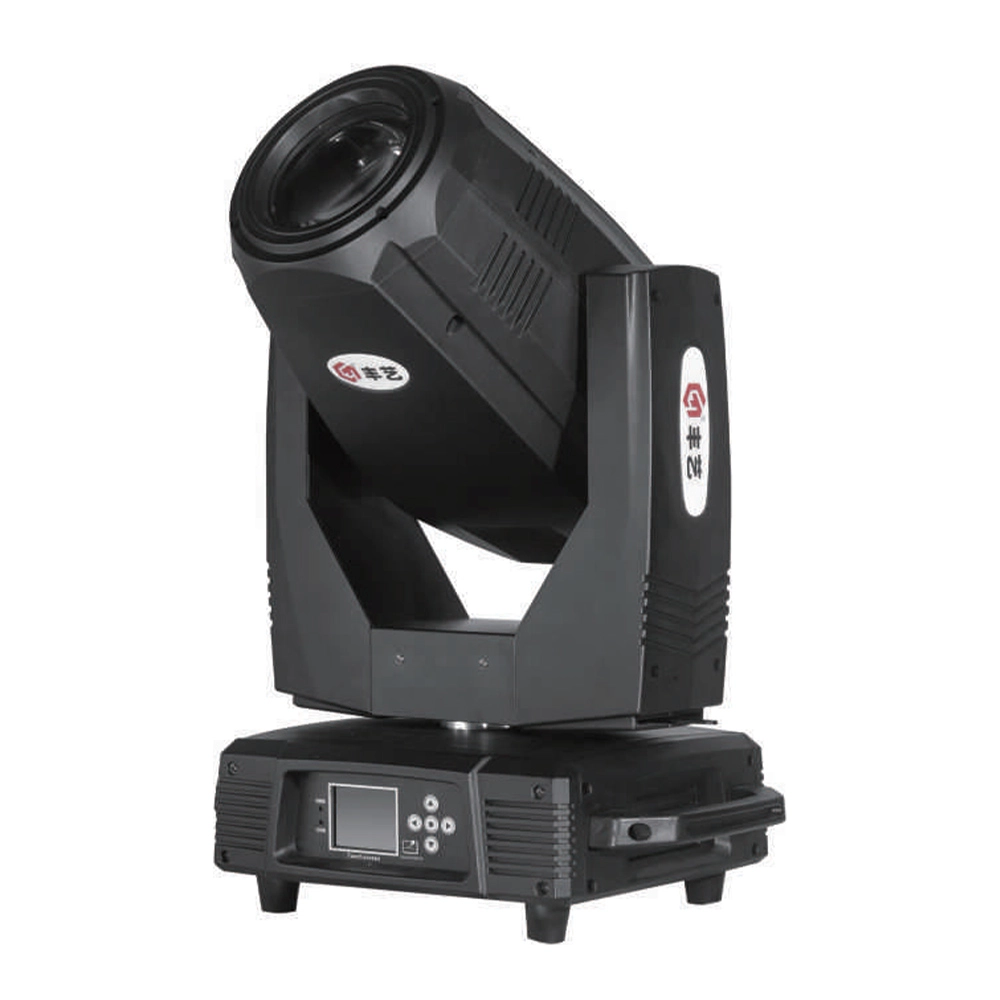
Fengyi 380W Intelligent Moving Head Stage Lights All-in-One System FY-BM-10002
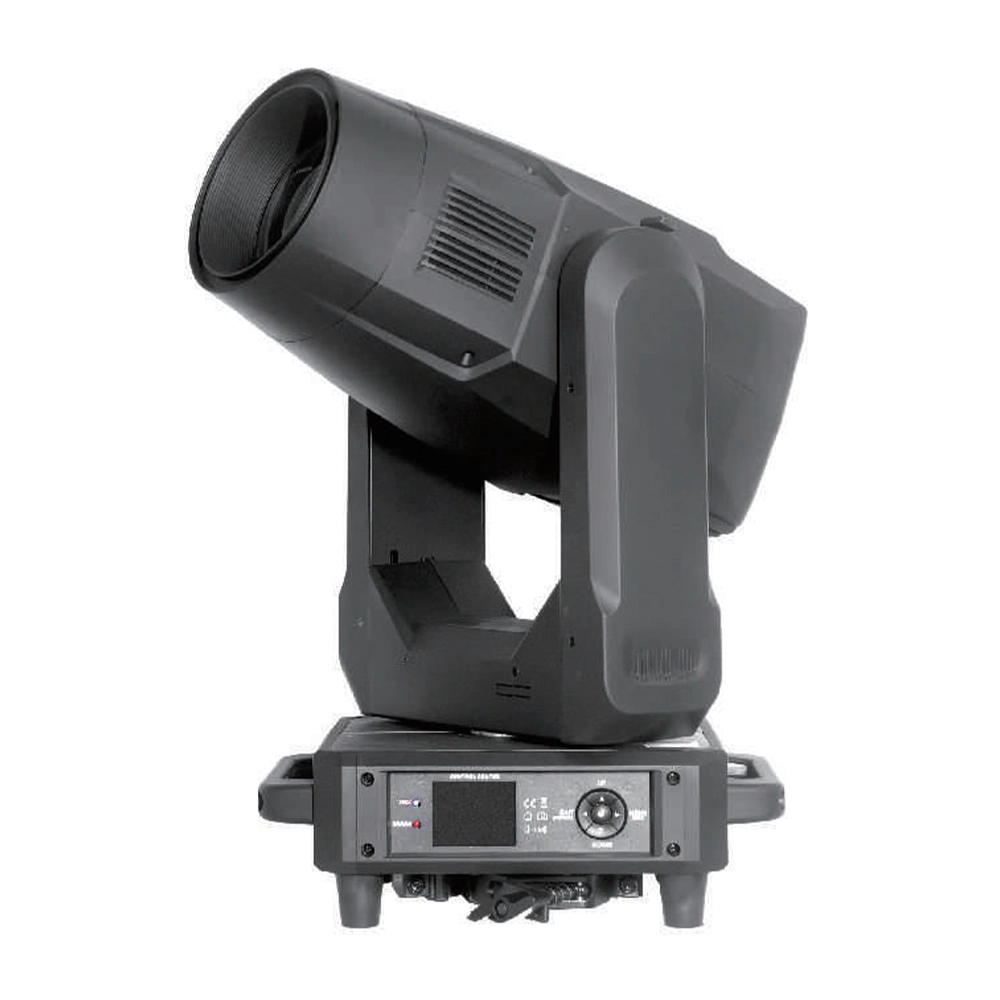
Fengyi 700W Profile Cutting Stage Moving Head Light Professional Event Fixture FY-SP-20003
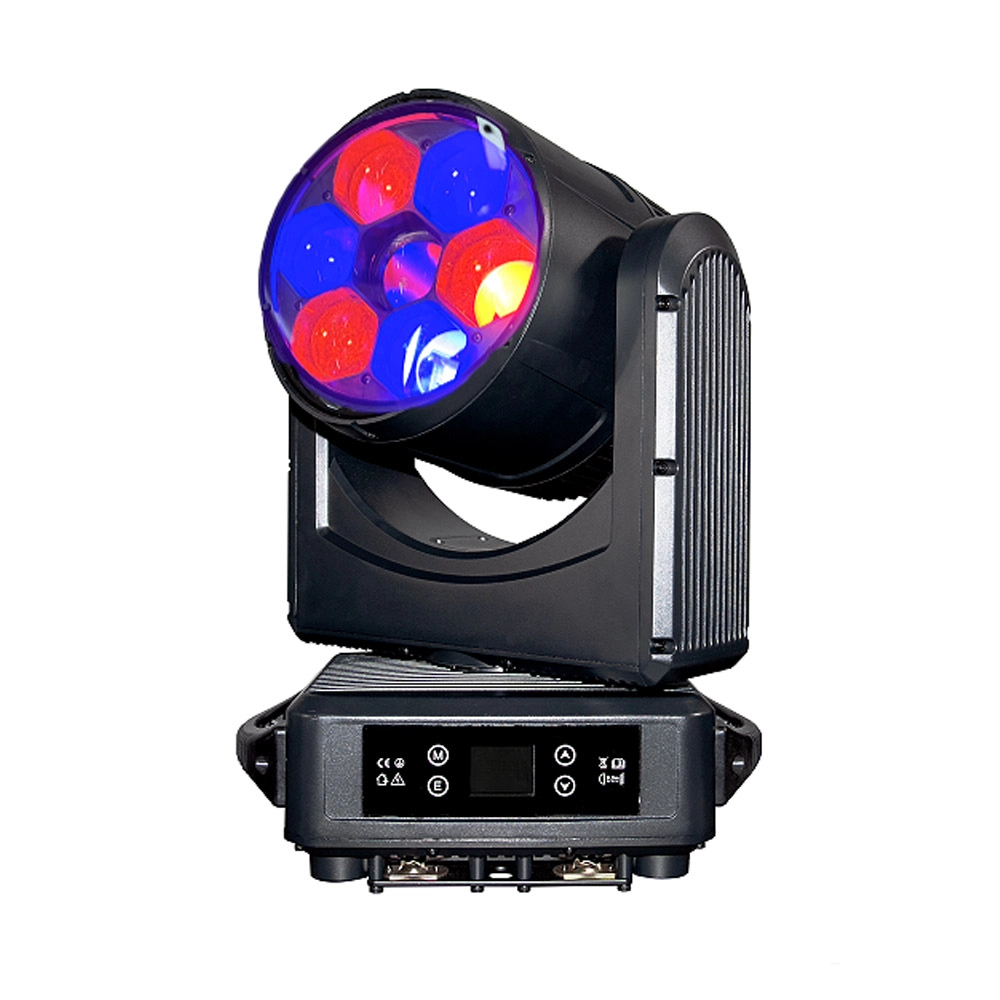
Fengyi 7x60W Waterproof Bee Eye Moving Head Professional LED Stage Lights for Concerts
The Fengyi 7*60 Waterproof Bee Eye offers powerful LED stage lights for concerts with reliable moving head stage lights and DMX control. Designed for outdoor use, it ensures vibrant, dynamic lighting performance in all weather, perfect for professional stage and event setups.
Contact
Building 5, No. 34, Fuyuan Road, Jinghu Industrial Zone, Xinhua Town, Huadu District, Guangzhou, China.
WhatsApp: +86 181 2742 0174
Tel. +86(20) 8642 3596
Ph. +86 150 1870 4285
More information
© 2026 Fengyi. All Rights Reserved.
Fengyi Light
Fengyi Light
Fengyi Light
Fengyilighting