
Light and Shadow Empower Heritage Night Tourism — Design Logic and Technical Practice of the Cultural Tourism Lighting System at Luoyang Ying Tianmen
- Light and Shadow Empower Heritage Night Tourism — Design Logic and Technical Practice of the Cultural Tourism Lighting System at Luoyang Ying Tianmen
- Project Description
- Project Overview
- Basic Project Information
- Core Design Challenges
- Equipment Configuration
- Detailed Project Analysis
- I. Particularities of Heritage Tourism Lighting
- II. Spatial Zoning and Emotional Mapping
- III. Lighting Language and Cultural Translation
- 1. Light and Shadow Rhythm
- 2. Color System
- 3. Pattern Design
- IV. Intelligent Control and Scene Management
- FAQs
- Q1: How to avoid photochemical damage to cultural relics in heritage projects?
- Q2: How to ensure that laser lights do not shine into tourists' eyes?
- Q3: How to solve the problem of poor beam light effect in foggy/rainy days?
- Q4: Is the cost high if the lighting content (such as laser patterns) needs to be updated in the future?
- Q5: Is a professional lighting designer required for daily operation?
- Conclusion
Light and Shadow Empower Heritage Night Tourism — Design Logic and Technical Practice of the Cultural Tourism Lighting System at Luoyang Ying Tianmen
Project Description
Project Overview
Basic Project Information
Core Design Challenges
-
Balance between cultural relic protection and lighting intervention: How to realize building facade lighting without touching the cultural relics themselves?
-
Visual translation of historical atmosphere: How to express the grandeur and ritual sense of the Tang Dynasty through modern lighting language without being abrupt?
-
Tourist flow guidance: How to naturally guide the tourist flow through lighting in an open large space while ensuring safety?
-
Equipment adaptability: How to ensure the long-term stable operation of lighting equipment in outdoor environments (sand, temperature difference, tourist touch)?
Equipment Configuration
-
37-zone LED beam lights: Several units, responsible for wall texture projection, color laying, and cultural pattern presentation (core role: texture and atmosphere creator).
-
Beam lights: Several units, responsible for outlining building contours, constructing beam matrices, and creating a ceremonial sense (core role: spatial structure and ritual creator).
-
Flood lights: Several units, responsible for tourist passage lighting, key node illumination, and avoiding glare (core role: safety and detail presenter).
-
Laser lights: Several units, responsible for pattern projection, text display, and creating an immersive atmosphere (core role: storyteller and visual guide).
Detailed Project Analysis
I. Particularities of Heritage Tourism Lighting
II. Spatial Zoning and Emotional Mapping
|
Zone
|
Spatial Characteristics
|
Tourist Expectations
|
Lighting Goals
|
|---|---|---|---|
|
Plaza Entrance
|
Open, facing the main gate directly
|
Expectation, shock
|
Establish a sense of ceremony with beam matrix and laser projection
|
|
Upward viewing angle, rich in architectural details
|
Admiration, photography
|
Emphasize building contours and texture details with outline light and texture light
|
|
|
Watchtowers/Side Towers
|
Side view, strong sense of hierarchy
|
Exploration, discovery
|
Project Tang Dynasty patterns with 37-zone lights to show architectural details
|
|
Exit Passage
|
Linear, transition space
|
Aftertaste, satisfaction
|
Softly fade the light to leave a lingering aftertaste
|
III. Lighting Language and Cultural Translation
1. Light and Shadow Rhythm
2. Color System
3. Pattern Design
IV. Intelligent Control and Scene Management
-
Daily Mode (18:00-20:00): Basic lighting, warm white, low power consumption, mainly for tourist safety and basic ambient lighting.
-
Night Tour Mode (20:00-22:00): Full operation of all equipment, following the narrative sequence to show the grandeur of the Tang Dynasty, matching background music.
-
Event Mode (special festivals): Enhanced dynamic effects, increased gold and vermilion elements, synchronized with the performance timecode to create a grand atmosphere.
-
Energy-Saving Mode (after 22:30): Only retain necessary safety lighting, turn off effect lights, and minimize energy consumption.
-
Welcome Stage: Laser lights (ground projection) and beam lights (beam matrix) are the main equipment, 37-zone lights are auxiliary, and flood lights provide basic safety lighting.
-
City Gate Viewing Stage: Beam lights (outline) and 37-zone lights (texture) are the main equipment, laser lights are auxiliary, and flood lights maintain basic safety lighting.
-
Night Tour Stage: 37-zone lights (coloring) and laser lights (sky projection) are the main equipment, beam lights are auxiliary, and flood lights ensure the safety of the tour route.
FAQs
Q1: How to avoid photochemical damage to cultural relics in heritage projects?
Q2: How to ensure that laser lights do not shine into tourists' eyes?
Q3: How to solve the problem of poor beam light effect in foggy/rainy days?
Q4: Is the cost high if the lighting content (such as laser patterns) needs to be updated in the future?
Q5: Is a professional lighting designer required for daily operation?
Conclusion
-
Restraint: Lighting is a supporting role, and the building is the protagonist; no showy skills, no excessive noise.
-
Culture: Colors, patterns, and rhythms all have historical origins and can stand academic scrutiny.
-
Safety: Cultural relic protection and tourist safety are equally important, and there is no compromise on laser management and electrical protection.
-
Layered: Each piece of equipment has a clear division of labor, forming a complete system from basic lighting to narrative lighting.
-
Long-term: The design considers long-term operation and maintenance, with replaceable content and low energy consumption, ensuring the sustainability of the project.
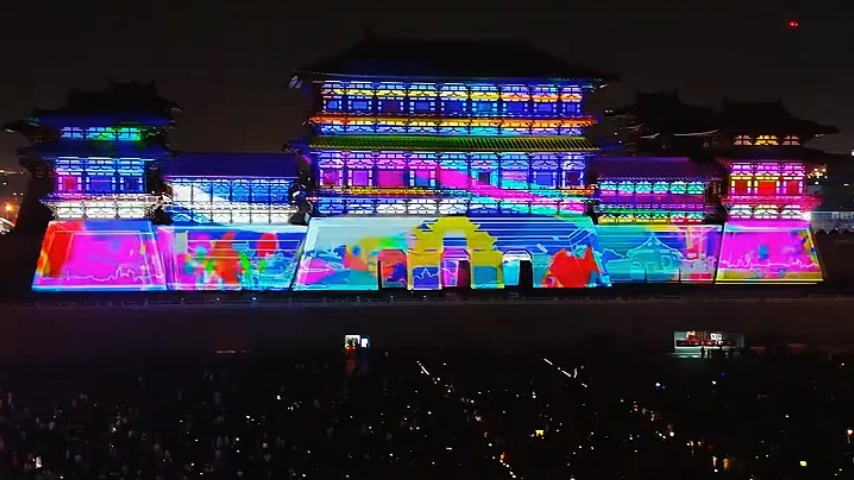
Light and Shadow Empower Heritage Night Tourism — Design Logic and Technical Practice of the Cultural Tourism Lighting System at Luoyang Ying Tianmen
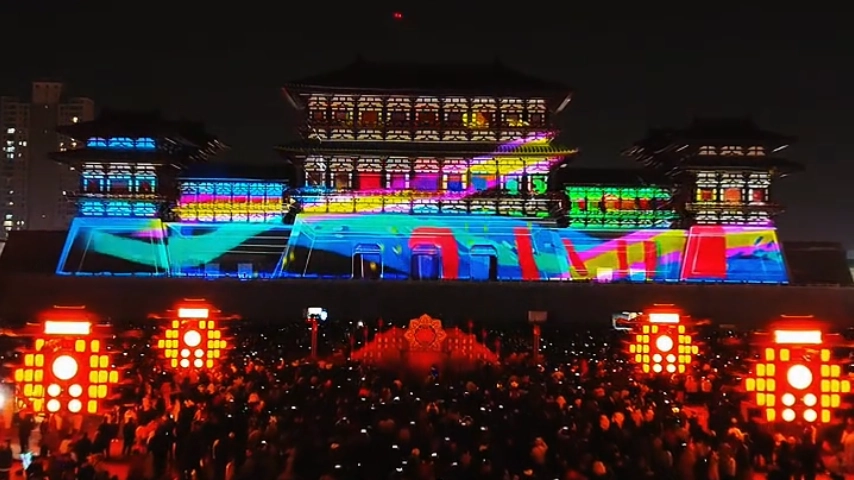
Light Reflecting the Sui and Tang Dynasties Analysis of Lighting System Design and Application for the Luoyang Ying Tianmen Tourism Project
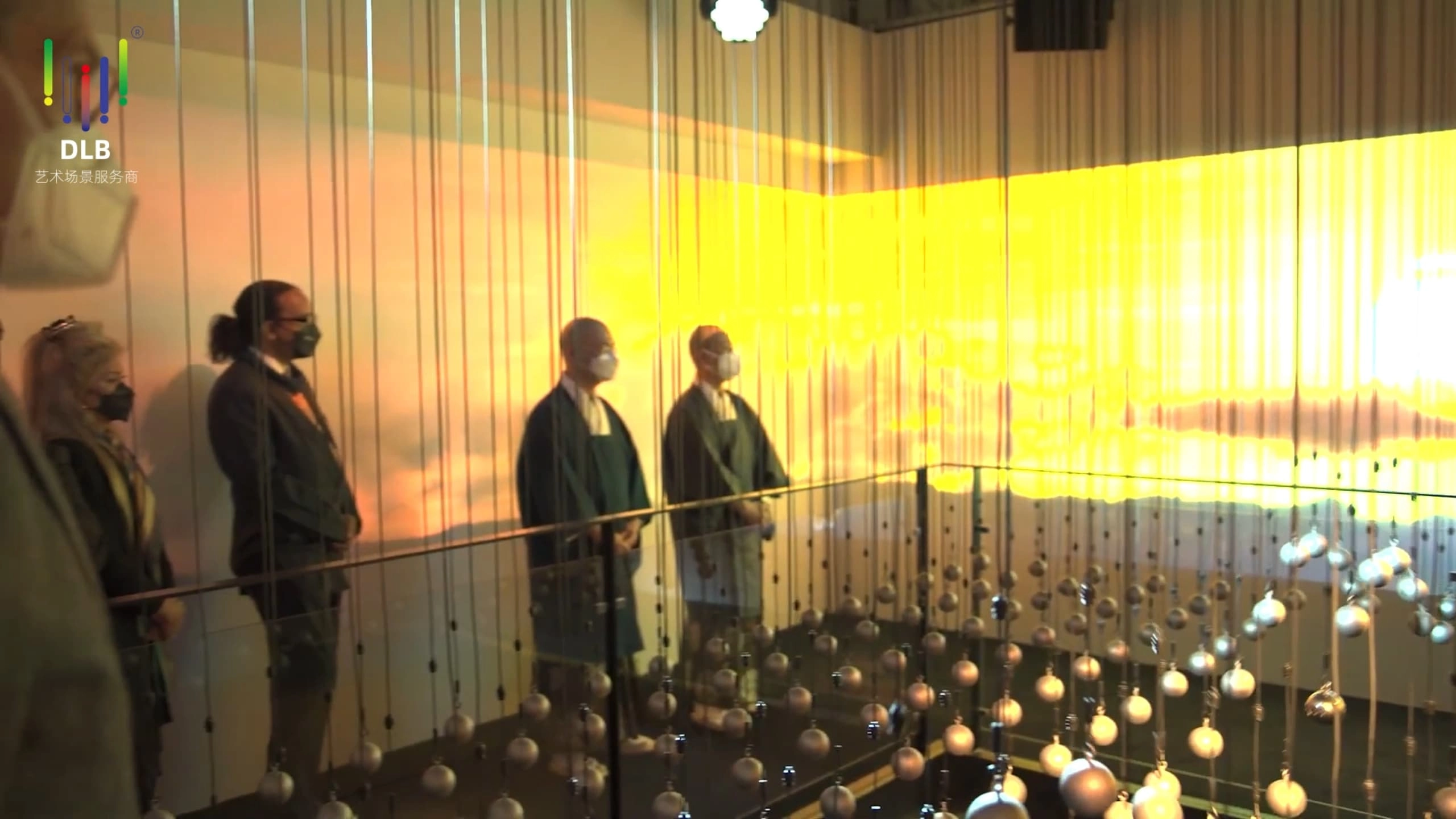
Divine Light Through a Thousand Years Analysis of Lighting Design & Application for the 800th Anniversary of the Great Saint’s Birth in Japan
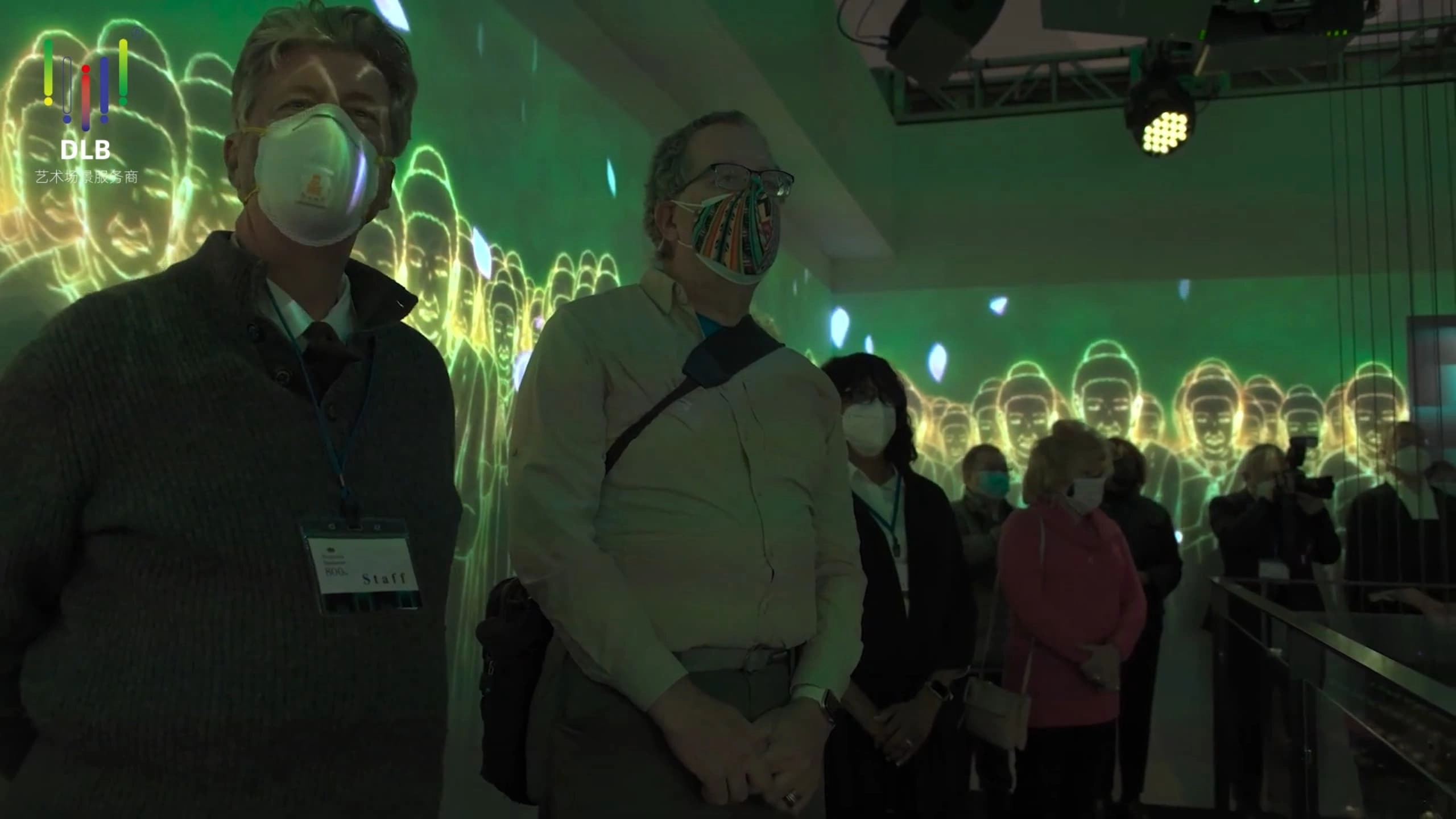
Divine Light Through a Thousand Years – Lighting Design & Application Sharing for the 800th Anniversary of the Great Saint’s Birth in Japan
Industry Trends & Purchasing
Which international brands represent top-tier quality in stage lights?
Top-tier stage light brands include Clay Paky, Robert Juliat, ETC (especially theater lights), GLP, and SGM, renowned for superior optics, reliability, and creative performance.
Technology & Parameters
How does the DMX512 protocol control stage lights?
DMX512 is a standard digital communication protocol. It sends signals from a console, assigns independent channels to each stage light, and precisely controls brightness, color, position, and other attributes.
How to select the power of stage lights for large venues?
When choosing stage light power for large venues, consider projection distance, required illuminance, ambient light interference, and optical efficiency. Higher-power sources (above 1200W) are usually required.
Education & Career
What core skills does a professional stage light technician need?
Core skills include electrical safety knowledge, equipment theory and maintenance, console programming and operation, artistic aesthetics and design, teamwork, and the ability to solve problems quickly under pressure.
Control & Programming
What is a “Macro” in stage light control?
A Macro is a shortcut command that records a series of complex stage light operations into one button. It is used to quickly recall complex scenes or run self-tests.
What is the difference between Art-Net and traditional DMX cables for controlling stage lights?
Art-Net is an Ethernet-based protocol that transmits DMX data. It carries multiple DMX universes over a single network cable, enabling long-distance, networked control of stage lights with greater flexibility than traditional wiring.
Design & Application
What is the classic three-point lighting method for stage lights?
Three-point lighting is a fundamental technique for stage lights, using key light, fill light, and back light to model characters three-dimensionally and eliminate unnatural shadows.
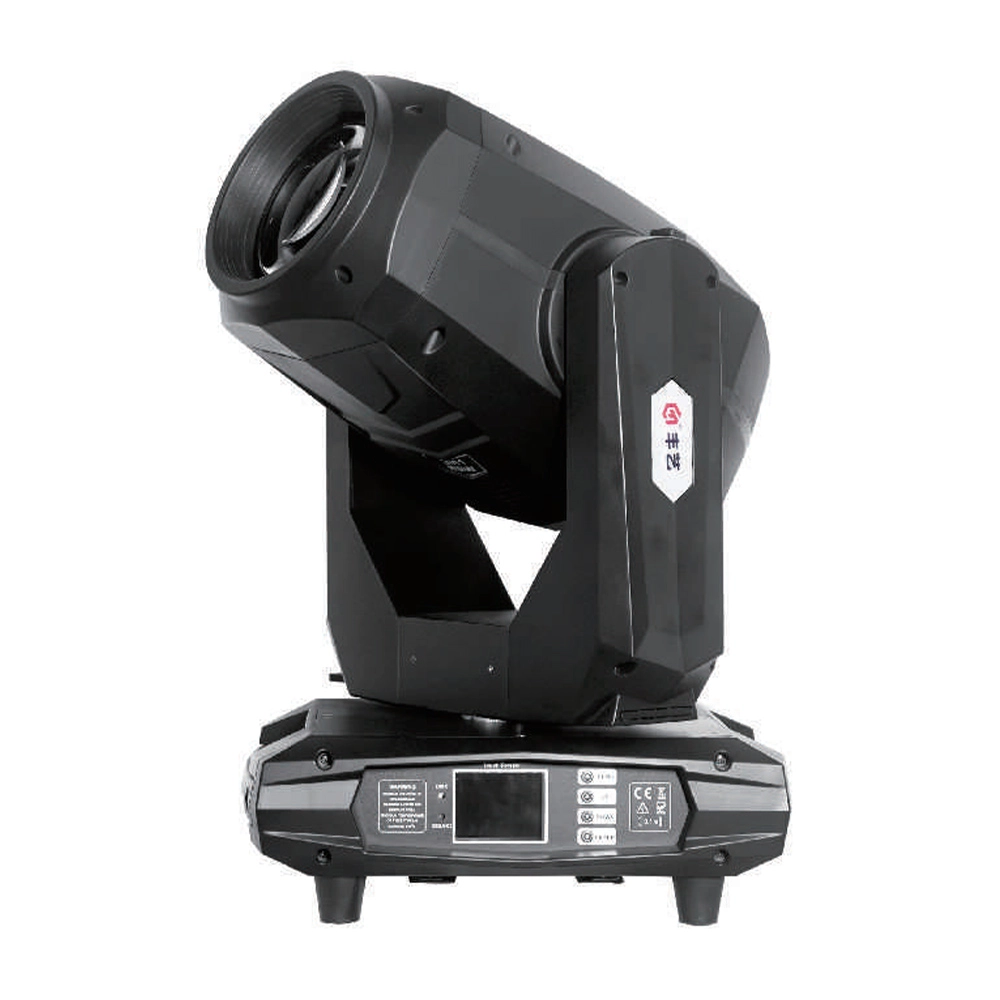
Fengyi 480W All-in-One Moving Head Beam Light Professional Stage Lighting FY-BM-10003
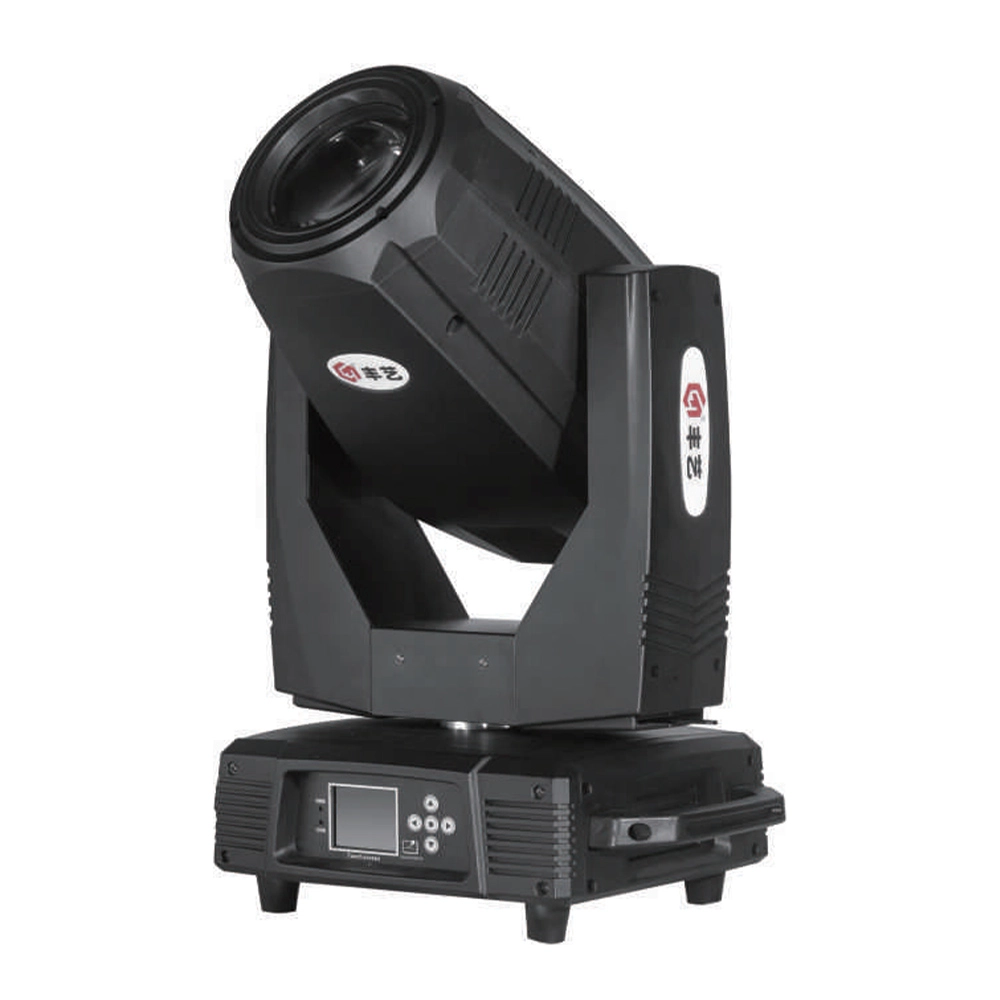
Fengyi 380W Intelligent Moving Head Stage Lights All-in-One System FY-BM-10002
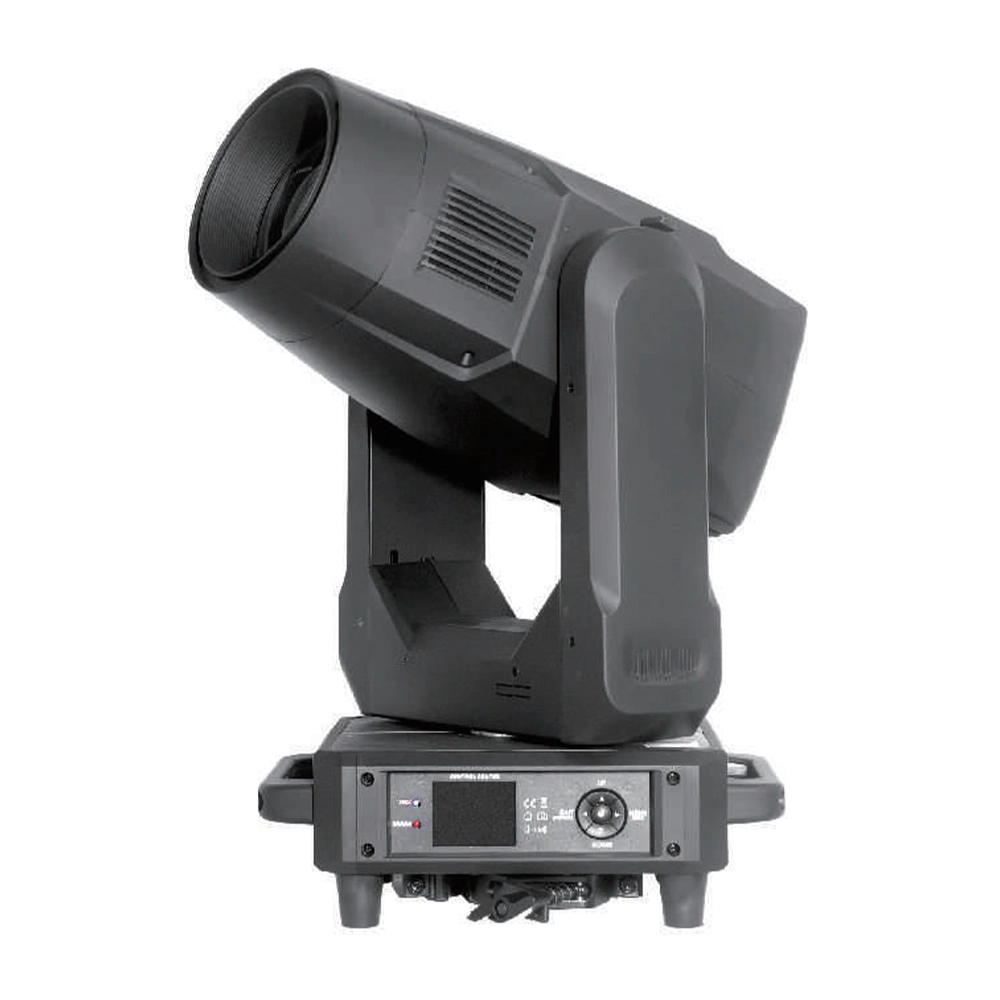
Fengyi 700W Profile Cutting Stage Moving Head Light Professional Event Fixture FY-SP-20003
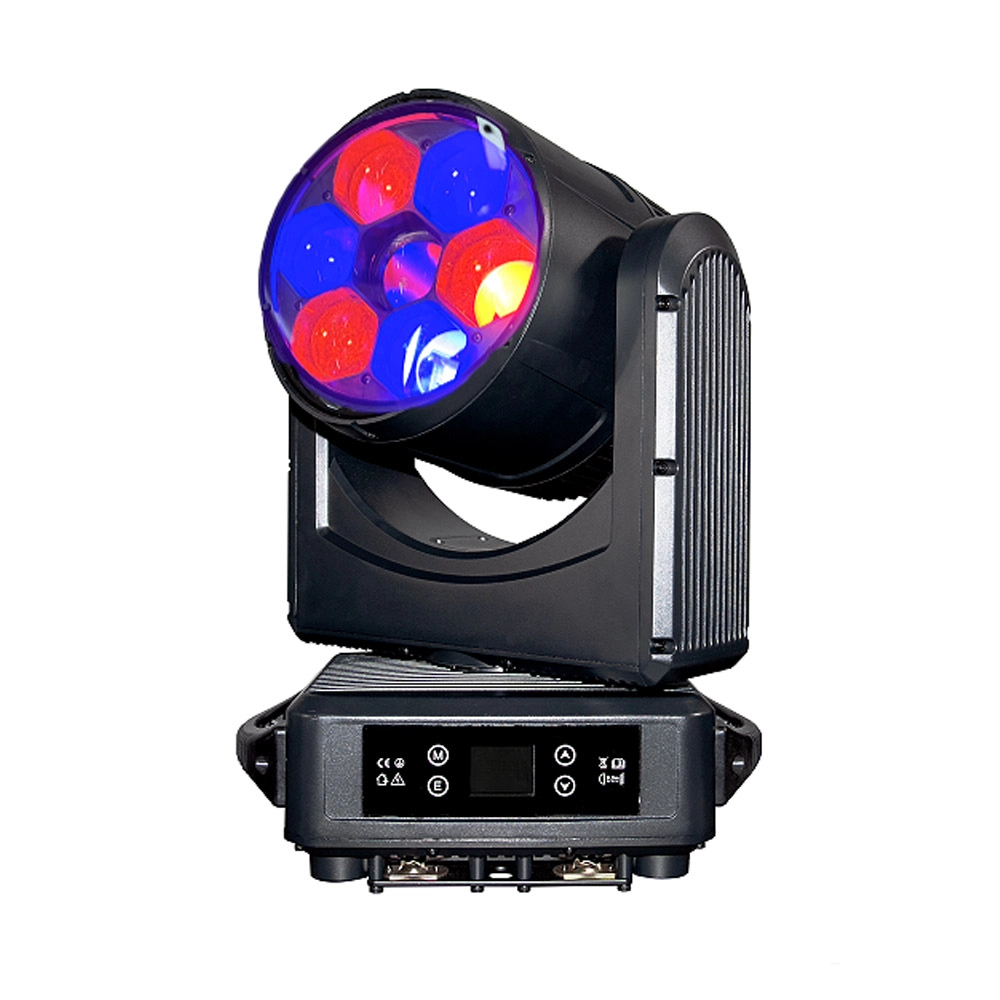
Fengyi 7x60W Waterproof Bee Eye Moving Head Professional LED Stage Lights for Concerts
The Fengyi 7*60 Waterproof Bee Eye offers powerful LED stage lights for concerts with reliable moving head stage lights and DMX control. Designed for outdoor use, it ensures vibrant, dynamic lighting performance in all weather, perfect for professional stage and event setups.
Inquire About Our Moving Head Stage Lights
* Fill The Form
Contact
Building 5, No. 34, Fuyuan Road, Jinghu Industrial Zone, Xinhua Town, Huadu District, Guangzhou, China.
WhatsApp: +86 181 2742 0174
Tel. +86(20) 8642 3596
Ph. +86 150 1870 4285
More information
© 2026 Fengyi. All Rights Reserved.
Fengyi Light
Fengyi Light
Fengyi Light
Fengyilighting