
Light of Sui & Tang – Full Video Documentary of the Night-Tour Lighting System at Luoyang Ying Tianmen Ruins
2026-04-15 09:32:09
Discover 'Light of Sui & Tang': A documentary detailing the Luoyang Ying Tianmen Ruins' night-tour lighting system. Featuring Fengyi's professional stage lighting fixtures – our powerful moving head LED wash light and precise DMX moving head spot light – illuminating history. See Fengyi's innovative lighting solutions!
Light of Sui & Tang – Full Video Documentary of the Night-Tour Lighting System at Luoyang Ying Tianmen Ruins
Project Description
This video documentary is based on the night-tour lighting project of the Luoyang Ying Tianmen Ruins. Through cinematic language, it visually demonstrates how four professional lighting fixtures—37-zone LED wash lights, beam lights, flood lights, and laser lights—work together at a national-level cultural heritage site. Guided by the principle of minimum intervention, maximum respect, the project creates an immersive night lighting environment that blends profound historical sentiment with modern visitor experience.
The video takes you on a real night tour of Ying Tianmen, showcasing the complete lighting narrative from the welcoming ceremony to overlooking the city from the tower. It also breaks down the design positioning and technical implementation of each fixture in heritage cultural tourism scenarios, providing a visual professional reference for tourism planners, lighting designers, and industry practitioners.
Project Introduction
(Video opening: Aerial night view of Ying Tianmen, majestic tower, lights gradually brightening, ancient music flowing; camera slowly pushes forward)
“This is Ying Tianmen, the main southern gate of Luoyang City in the Sui and Tang dynasties.
More than a thousand years ago, Wu Zetian ascended the throne here.
Today, we awaken the sleeping tower with light and shadow.”
Ying Tianmen is one of the highest-ranked gate ruins in China.
By day, it is a classroom of history; by night, it transforms into an immersive light-and-shadow theater.
To protect cultural relics, no fixtures touch the historic structure.
To revive the glory of the Tang Dynasty, every beam, color, pattern, and rhythm is carefully designed.
We created a custom Sui-Tang Light & Shadow System consisting of:
- 37-zone wash lights: color the city walls and project Tang patterns
- Beam lights: outline eaves and bracket sets, forming imperial ceremonial formations
- Flood lights: ensure visitor safety on footpaths
- Laser lights: project a “Tang Dynasty carpet” on the ground and paint flying apsaras and auspicious clouds in the sky
(Video: Quick close-ups of four fixtures with on-screen labels; background music builds gradually)
Project Overview
(Video: Full panoramic scan of the Ying Tianmen complex, labeling the square, main tower, watchtowers, side towers, and visitor paths)
Project Name
Night-Tour Lighting System at Luoyang Ying Tianmen Ruins
Location
Ying Tianmen Ruins Museum & Plaza, Luoyang City, Henan Province
Core Challenges
- Heritage protection: No fixtures may attach to historic structures; only long-throw projection or in-ground installation allowed
- Historical atmosphere: Lighting must reflect the grand, majestic, ritualistic aesthetic of the Tang Dynasty, avoiding overly modern styles
- Visitor experience: Balance safe illumination and immersive effects while guiding visitor flow
- Outdoor durability: Stable performance under sand, wind, rain, snow, and extreme temperatures
Equipment Configuration
- 37-zone LED wash lights: multiple units (wall texturing, color washing, ambient atmosphere)
- Beam lights: multiple units (building outline, low-altitude beam matrix)
- Flood lights: multiple units (path, step, and key-node illumination)
- Laser lights: multiple units (ground projection, sky animation)
Core Control System
Intelligent control platform supporting automatic time-scene switching, music synchronization, and remote operation & maintenance.
Detailed Project Analysis
(Video intercuts lighting designer interviews and on-site footage)
1. Special Design Principles for Heritage Lighting
(Close-up of brickwork on the tower; cut to fixtures mounted on distant poles)
Designer on camera:
“We are not allowed to drive a single nail into the tower.
All fixtures are installed on plaza poles, in-ground housings, or greenbelt stands, 20 to 50 meters from the building.
We paint the architecture with light—not attach lights to it.”
2. Translating Tang Dynasty Aesthetics into Light
(Split screen: comparing colors from Tang murals with actual lighting colors)
Designer:
“The Tang Dynasty favored vermilion, gold, warm white, with subtle accents of malachite green and sapphire blue.
The treasure flowers, bead patterns, and flying apsaras in our laser designs are all taken from locally unearthed Tang relics.
This lighting is not imagination—it is archaeological restoration.”
3. Visitor Flow & Emotional Curve
(Video: 3D flow map labeling four emotional stages)
Visitors enter the plaza and are immediately impressed by the beam matrix and ground projections.
As they approach the tower, outline and texture lighting invite them to stop and photograph.
Circling the watchtowers, slowly moving Tang patterns projected by wash lights bring a sense of discovery.
At the exit, lights gently dim, leaving a lasting impression.
4. Division & Coordination of Four Fixture Types
(Video: Animated overlay showing coverage zones of each fixture)
- Red zone (beam lights): tower outline, plaza low beam matrix
- Blue zone (wash lights): wall coloring, watchtower texturing
- Green zone (flood lights): paths, steps, ticket office
- Purple zone (laser lights): ground projection, sky animation
Project Solutions
(Split screen: left = control interface, right = real scene; designer narration)
1. Three-Act Narrative in Scene Programming
(Video: seamless scene transitions)
Act 1 · Welcome – Nations Coming to Court (Plaza Zone)
(Footage: beam matrix rises in formation; laser projects Tang patterns across the ground)
“As visitors enter, beams rise from both sides like a Tang imperial guard.
Lasers project treasure flower patterns on the ground, guiding them toward the tower.
We call this scene ‘Nations Coming to Court.’”
Act 2 · Observation – Majesty of the Imperial Gate (Main & Watch Towers)
(Footage: beams outline eaves; wash lights project flowing Tang grass patterns on watchtower walls)
“Up close, beams from four angles make ridges and eaves stand out in three dimensions.
Wash lights print Tang patterns onto the walls, flowing slowly like wind across a historical scroll.”
Act 3 · Night Tour – Dream of the Tang Dynasty (Full Site)
(Footage: lasers paint apsaras and clouds in the sky; wash lights bathe the site in warm gold; flood lights light paths)
“Finally, lasers tell Tang stories in the sky—apsaras, phoenixes, and seal characters.
Wash lights wrap the site in warm gold.
Flood lights quietly secure every step.
You can walk slowly, and photograph freely.”
2. Heritage Protection Measures
(Footage: in-ground housings, distant poles, buried conduited cables)
“No fixtures touch the relics.
Beam and laser lights are mounted on dedicated poles 50 meters from the tower.
Wash and flood lights are in-ground or pole-mounted.
All cables are buried in conduits—no exposed wires on the surface.”
3. Intelligent Control & Operation
(Footage: tablet interface with one-click modes: Daily / Night Tour / Event / Energy-Saving)
“Staff only need to tap the tablet to run the full show.
We set automatic timers:
Daily mode at 18:00, Night Tour at 20:00, Energy-Saving at 22:30.
No professional lighting operator is required.”
Product Application Analysis
(Video: product close-ups + real effects + dynamic demonstrations)
| Fixture Type | Core Features | On-Site Application (Video Narration) |
|---|---|---|
| 37‑Zone LED Wash Lights | 37 independent zones, honeycomb lens, reversible head, CMY color mixing, IP65 | (Footage: in-ground wash lights cast vermilion onto walls; watchtower walls display slowly moving Tang treasure flower patterns)
|
| Beam Lights | High brightness (>20,000 lm), ultra-narrow beam (2°–5°), CMY, IP65 | (Footage: golden beams outline ridges and eaves; slow cross matrix forms)
|
| Flood Lights | High CRI (≥90), adjustable CCT (2700K–5000K), multiple lenses, IP65 | (Footage: well-lit paths, anti-glare, brightened ticket area)
|
| Laser Lights | RGB full-color, 20–30W, 30Kpps scan, IP65, safety certified | (Footage: large Tang carpet on ground; sky shows apsaras and “Ying Tianmen” seal script)
|
In-Depth Synergy Logic
(Video: animated coordination diagram showing primary-secondary relationships)
Primary-Fixture Switching by Scene
“In the Welcome phase, lasers and beam matrix take the lead to draw visitors forward.
In the Observation phase, beam outlines and wash textures lead for detailed viewing.
In the Night Tour phase, wash color and laser sky art dominate for immersion.
Flood lights remain constant in the background, ensuring safety.”
Timing & Rhythm
“All lighting changes sync with background music.
Beams rise to grand opening music.
Patterns flow slowly to calm viewing music.
Laser animations unfold to serene night-tour melodies.
Light and music breathe as one.”
Color Management
“We use only three main colors: vermilion (palace walls), gold (imperial), warm white (jade).
Malachite green and sapphire blue appear only as tiny accents in lasers.
The result is unified, elegant, and free of cheap visual clutter.”
FAQs
(Video: designer answers questions on camera)
Q1: Will lighting damage the historic walls?
A: Absolutely not. All fixtures are installed on the ground, green belts, or independent poles at least 20 meters away. Light on the tower comes from 50-meter projection. No screws or glue touch the relics. The plan was approved by national cultural relics authorities.
Q2: Can lasers shine into visitors’ eyes?
A: No. Lasers are mounted above 4 meters. We set software “no-scan zones” over all paths and gathering areas. Lasers only project on the ground and sky. Diffuser lenses spread energy evenly. An emergency stop and dedicated monitoring are always available.
Q3: What about rain or fog?
A: We have a built-in weather mode. In fog or rain, the system reduces beam dynamics, increases wash brightness, and boosts flood light levels for safety. Beams switch to amber for better fog penetration.
Q4: Can we update content (e.g., festive messages) without new equipment?
A: Yes. All patterns and movements are stored digitally. We provide a material library and simple training so staff can update content themselves, or we can do it remotely in minutes—no hardware changes needed.
Q5: Is daily operation complicated?
A: Extremely simple. We provide a tablet with four large buttons: Daily, Night Tour, Event, Energy-Saving. The system switches automatically on a timer. Security staff can be fully trained in 10 minutes.
Conclusion
(Video: highlight montage of Ying Tianmen at night; closing voiceover; ending with logo and contact info)
“As beams trace the curve of eaves,
as lasers spread the carpet of the Tang,
as wash textures give the walls a living breath—
Ying Tianmen at night is no longer silent ruins.
It becomes a living echo of the Sui and Tang dynasties, readable, perceptible, and deeply moving.”
This project proves that professional lighting can bring history to life, illuminate culture, and boost tourism.
The delicacy of wash lights, the solemnity of beams, the security of flood lights, and the imagination of lasers—each plays its role.
With minimum intervention, we achieve maximum cultural impact.
For cultural tourism investors, choosing a programmable, adaptable, culturally profound, and economically rewarding lighting system means lighting up history and connecting to the future.
Ying Tianmen Luoyang · Light of Sui & Tang · Night Tour of Luoyang
We look forward to lighting up the next cultural heritage site with you.
You may also like
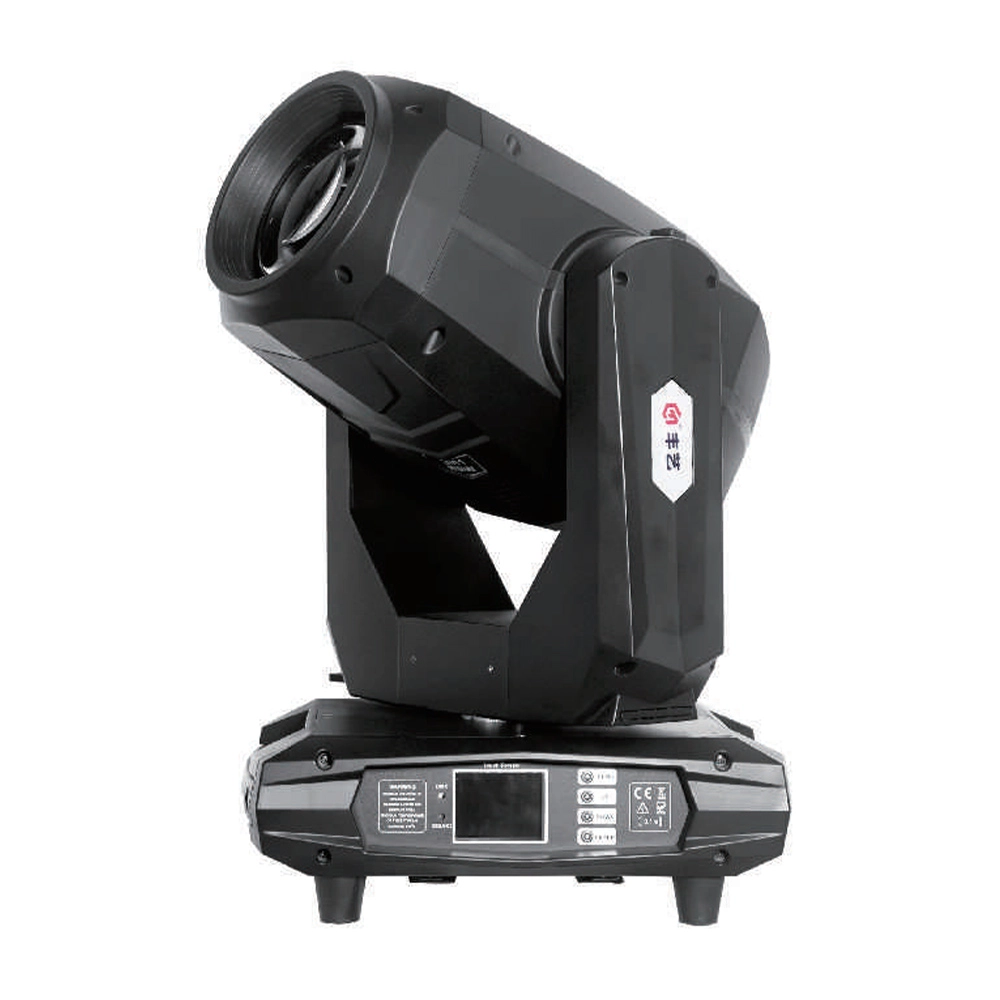
Fengyi 480W All-in-One Moving Head Beam Light Professional Stage Lighting FY-BM-10003
The 480W All-in-One Powerhouse FY-BM-10003 by Fengyi is a high-performance Moving Head Beam Light, delivering powerful illumination and dynamic effects. Ideal for professional events, this versatile product combines efficiency and durability for stunning visual experiences.
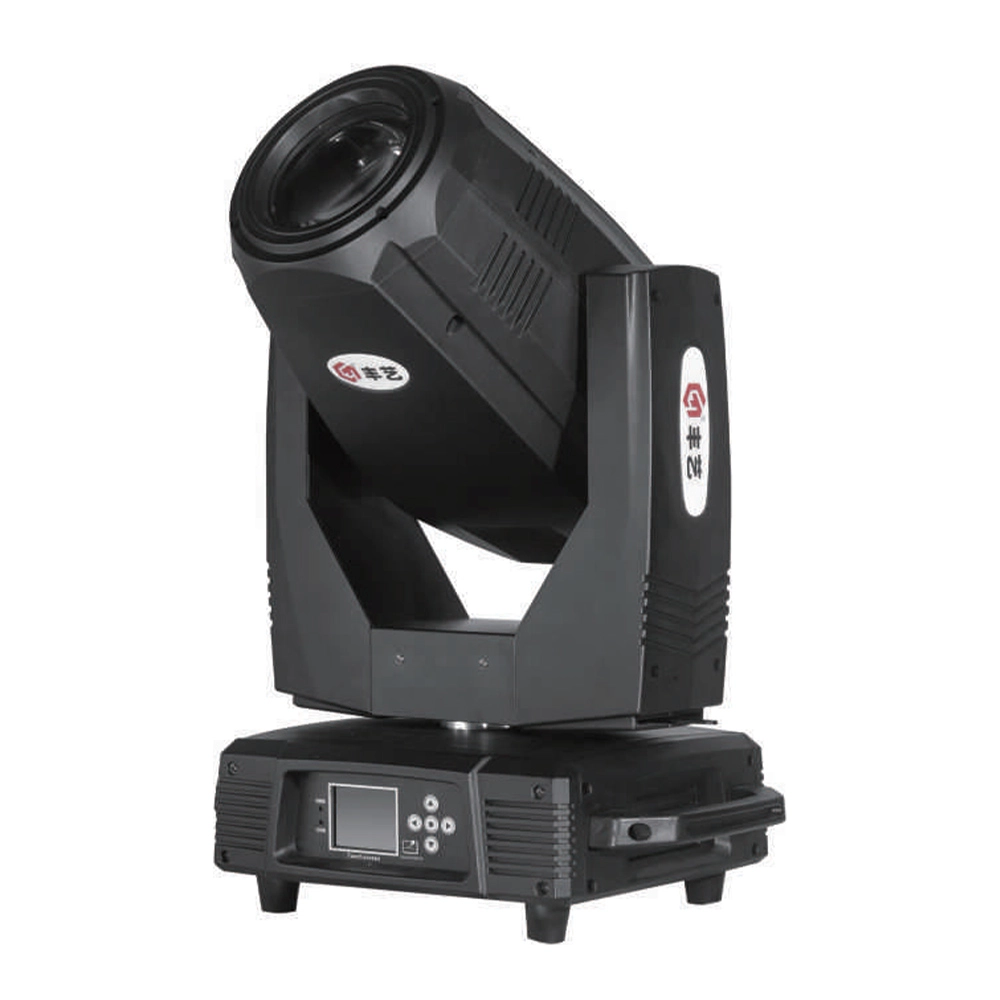
Fengyi 380W Intelligent Moving Head Stage Lights All-in-One System FY-BM-10002
The Fengyi 380W All-in-One Powerhouse FY-BM-10002 delivers reliable, high-efficiency energy solutions with compact design. Ideal for versatile power needs, the FY-BM-10002 ensures durable performance and easy integration. Choose Fengyi for advanced, eco-friendly power systems.
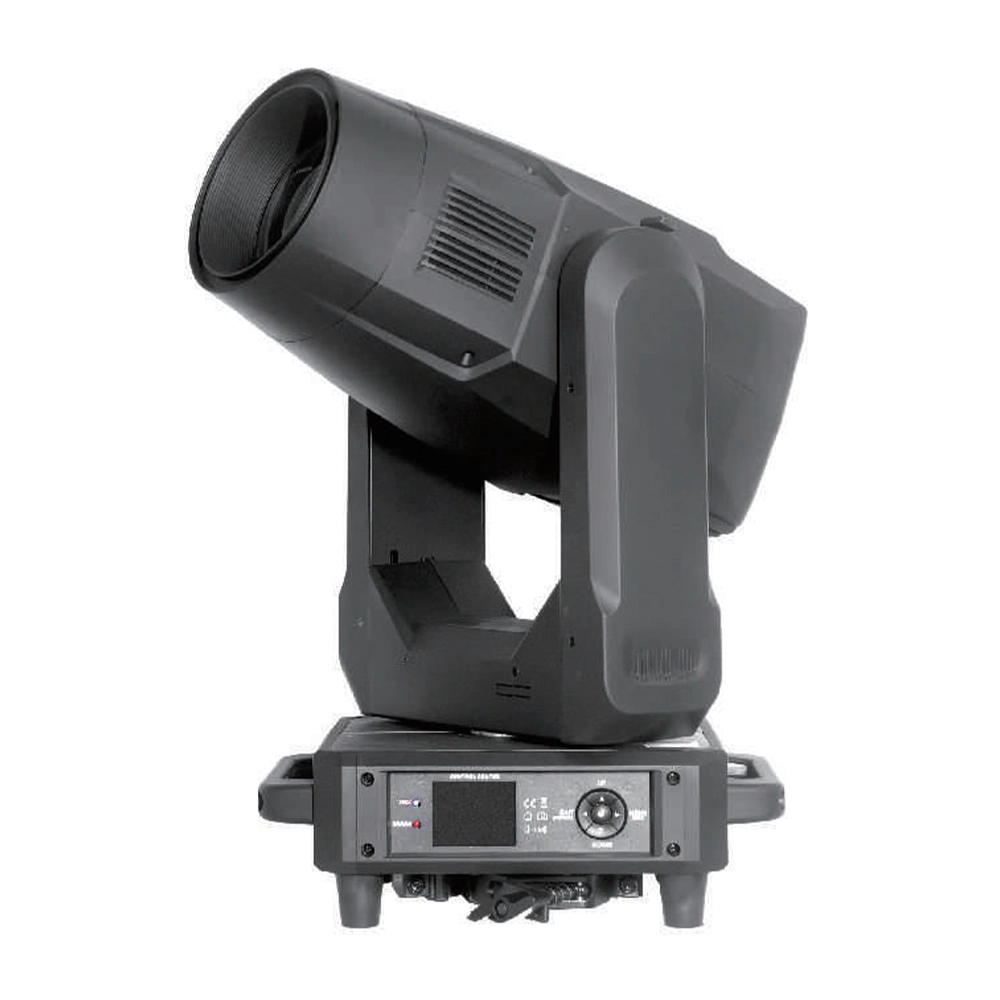
Fengyi 700W Profile Cutting Stage Moving Head Light Professional Event Fixture FY-SP-20003
The Fengyi FY-SP-20003 700W Cutting Lamp delivers powerful 700W illumination for precise, efficient cutting tasks. Engineered for durability and high performance, the FY-SP-20003 700W ensures consistent lighting, enhancing accuracy in industrial applications. Ideal for professional use.
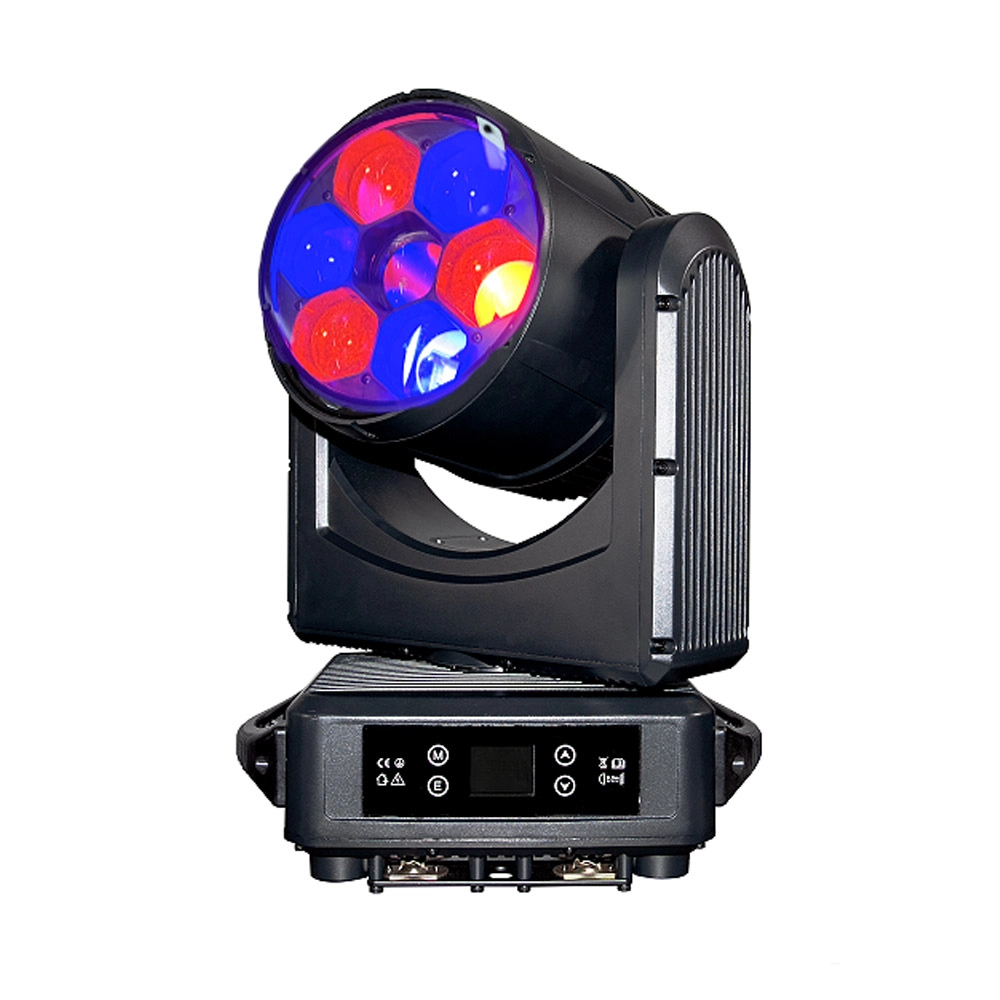
Fengyi 7x60W Waterproof Bee Eye Moving Head Professional LED Stage Lights for Concerts
The Fengyi 7*60 Waterproof Bee Eye offers powerful LED stage lights for concerts with reliable moving head stage lights and DMX control. Designed for outdoor use, it ensures vibrant, dynamic lighting performance in all weather, perfect for professional stage and event setups.
Get a Quote on These Moving Head Stage Lights
Whether you're interested in our services, need project advice, or want to discuss potential collaborations, our team is ready to assist you. Let’s build something great together.
* Fill The Form
Contact
Building 5, No. 34, Fuyuan Road, Jinghu Industrial Zone, Xinhua Town, Huadu District, Guangzhou, China.
WhatsApp: +86 181 2742 0174
Tel. +86(20) 8642 3596
Ph. +86 150 1870 4285
More information
© 2026 Fengyi. All Rights Reserved.
Fengyi Light
Fengyi Light
Fengyi Light
Fengyilighting