
DMX Control for Concert Stage Lights: Buyer Tips
- Understanding control protocols for stage lighting
- Why protocols matter for concert stage lights
- Key technical facts every buyer should verify
- DMX Control for Concert Stage Lights: Buyer Tips
- Define the show requirements before you buy
- Console selection: features that matter for touring and concerts
- Cabling, termination, and grounding: the often-overlooked details
- Networked lighting: Art-Net, sACN, and when to upgrade
- Comparing DMX512, Art-Net, and sACN
- When to choose IP-based distribution
- Managing latency and synchronization
- Selecting moving heads and system integration
- Specifying moving head fixtures for touring reliability
- Integration checklist: what I test during factory acceptance
- Maintenance, spare parts, and lifecycle costs
- Procurement strategies and buying agreements
- Contracts, warranties, and acceptance criteria
- Requesting manufacturer documentation and support
- Why I recommend local testing and staged rollouts
- Fengyi Stage Lighting: Precision Engineering for Global Stages
- Practical checklist before you sign a purchase order
- Quick pre-buy checklist I use on every project
- Budgeting for integration and hidden costs
- Training and documentation
- FAQ
- 1. How many DMX universes will I need for a concert?
- 2. Can I run DMX over Ethernet instead of XLRs?
- 3. What cable should I use for long DMX runs?
- 4. Is RDM necessary for touring systems?
- 5. How do I prevent network multicast storms with Art-Net/sACN?
- 6. What redundancy should I implement for mission-critical shows?
- Contact and next steps
As a lighting designer and technical consultant with long experience in concert touring and large-scale live events, I know the consequences of control decisions made in the procurement phase: a poorly specified DMX system can mean signal dropouts, complex troubleshooting, and costly downtime on tour. This article gives a practical, evidence-backed guide to buying DMX and networked control systems for concert stage lights, focusing on moving head fixtures, consoles, and network infrastructure so you get predictable, reliable results from day one.
Understanding control protocols for stage lighting
Why protocols matter for concert stage lights
When I evaluate a lighting rig, the first question I ask is how are you sending information from the console to the fixtures? The protocol defines channel capacity, cabling topology, latency, and troubleshooting model. The traditional control standard, DMX512, is still the baseline for most fixtures. Newer IP-based protocols like Art-Net and sACN (E1.31) add flexibility for large installations and multi-universe systems.
Key technical facts every buyer should verify
- DMX512 defines a universe of 512 channels per data stream — confirm fixture channel usage to calculate universe count (source).
- IP protocols use UDP over Ethernet; they can carry multiple universes over a single cable but require switch and network configuration knowledge.
- Cable type matters: the official DMX physical layer expects a 5-pin XLR and a specific impedance; 3-pin XLR is commonly used but not ideal for long runs.
DMX Control for Concert Stage Lights: Buyer Tips
Define the show requirements before you buy
I always start by quantifying the show. How many fixtures, what types (moving head, profile, wash, beam), and how many parameters per fixture? A moving head often consumes 16–30 channels depending on feature set; a high-end profile can require 20+ channels. List every fixture type and its DMX footprint and then calculate the total universes required. That reduces surprises when you discover the console only supports 4 universes and you need 12.
Console selection: features that matter for touring and concerts
For concert stage lights, I prioritize consoles that offer:
- Enough universes natively, or robust Art-Net/sACN support for networked expansion.
- Reliable cue and timecode handling (MIDI/MSC, LTC / SMPTE) for synchronized playback.
- Fixture library support and easy patching tools that can import manufacturer profiles.
- Redundancy options for critical shows (dual-primary consoles or network failover).
Many mid-size touring rigs benefit from a console with native IP support so a single Ethernet backbone can carry dozens of universes to local DMX nodes, reducing cable bulk and setup time.
Cabling, termination, and grounding: the often-overlooked details
Even with the best console, signal integrity starts with cabling. For DMX over long runs I specify 5-pin XLR cable rated for DMX (120-ohm characteristic impedance) and use proper termination at the end of each run. For Art-Net and sACN, use S/FTP Cat6a cable and managed Gigabit switches that support multicast filtering. Always document your cable runs and label both ends—this saves hours during load-in.
Networked lighting: Art-Net, sACN, and when to upgrade
Comparing DMX512, Art-Net, and sACN
When deciding whether to stay with physical DMX or move to IP-based distribution, compare the technologies objectively. The table below summarizes practical differences I rely on when advising clients.
| Protocol | Transport | Max channels / universe | Typical use | Notes |
|---|---|---|---|---|
| DMX512 | RS-485 over 5-pin XLR (or 3-pin) | 512 | Single-universe runs, short daisy chains on stage | Simple, widely supported; physical cable limits and grounding concerns (ref) |
| Art-Net | UDP/IP (Ethernet) | Multiple universes per IP node | Large rigs, installations using Ethernet backbones | Proprietary packet format, common in many consoles (ref) |
| sACN (E1.31) | UDP/IP (Ethernet) | Multiple universes per session | Broadcast-quality networked lighting for shows & installations | ANSI standard; designed for multicast and large-scale distribution (ref) |
When to choose IP-based distribution
I recommend moving to Art-Net or sACN when you have more than 4–6 universes or when you need to feed distant stage areas without heavy multicores. IP reduces cable clutter and allows centralized control, but you must plan network architecture: managed switches, multicast configuration, VLANs for separation from other show networks, and a robust redundancy plan.
Managing latency and synchronization
IP introduces packetization and potential jitter. For concerts where tight timing is essential (audio-to-light sync, fast chases), I test end-to-end latency under load. Practical mitigations include using layer-2 switching, avoiding overloaded networks, and setting appropriate packet rates. For deterministic timing across multiple universes, sACN's multicast model can be advantageous if your switches handle multicast efficiently.
Selecting moving heads and system integration
Specifying moving head fixtures for touring reliability
When specifying moving head stage lights, prioritize:
- Optical performance: lumen output, beam quality, and gobo resolution.
- Mechanical durability: cooled motors, robust yokes, and serviceable parts.
- Control features: channel mode options, RDM support for remote device management, and consistent DMX footprint across similar models.
For beam moving head light models used on tours, I verify manufacturer test data and request burn-in reports. If possible, I inspect units after extended run-time to confirm thermal management and color stability.
Integration checklist: what I test during factory acceptance
- Patch several fixtures into a representative console and verify full parameter control, colors, gobos, and macros.
- Run network stress tests (full-universe traffic) to check for packet loss or control lag when using Art-Net/sACN.
- Validate power distribution and motor torque under realistic load and temperature.
Maintenance, spare parts, and lifecycle costs
Buying fixtures is not just CAPEX—consider OPEX. I ask manufacturers for mean-time-between-failure (MTBF) estimates, recommended service intervals, and common spares (lamps, fans, motors, DMX nodes). For tour-critical assets, keep at least 5–10% of the fleet as hot spares and a small stock of consumables. This practice keeps shows running and reduces emergency freight costs.
Procurement strategies and buying agreements
Contracts, warranties, and acceptance criteria
When I negotiate procurement for concert stage lights, I insist on clear acceptance tests and warranty terms. Acceptance should include on-site functional testing of DMX and networked operation, a burn-in period, and signed-off documentation. Warranties should cover electronics and motors for a meaningful period (12–36 months depending on equipment class).
Requesting manufacturer documentation and support
Request the following before purchase: detailed DMX channel lists, network implementation guides for Art-Net/sACN, IP addressing schemes, and recommended switch configurations. Ask the manufacturer for field support availability during installation and the availability of local service centers for rapid repairs.
Why I recommend local testing and staged rollouts
Large concert systems benefit from a staged rollout: test a subset of the rig on the first show, refine the network and console patching, and then expand. This iterative approach finds interoperability issues early and minimizes the risk of systemic failure once the full rig is deployed.
Fengyi Stage Lighting: Precision Engineering for Global Stages
In my work specifying moving head stage lights and beam moving head light solutions, I've come to appreciate manufacturers that pair optical and mechanical excellence with robust engineering processes. Guangzhou Fengyi Stage Lighting Equipment Co., Ltd. is one such supplier. As a premier manufacturer and global supplier of high-performance professional moving head stage lighting solutions, Fengyi focuses on R&D, advanced production, and direct supply of High Quality illumination equipment.
Fengyi's strengths I value most are:
- Optical engineering and consistent beam quality across product lines.
- Automated production lines that improve component consistency and reduce variability between units—important for touring fleets.
- A product range that includes high-power moving head lights, precision profiles, and IP66 all-weather series suited to outdoor concerts and festivals.
From nightclubs to broadcasting studios and major concert tours, Fengyi's fixtures have been designed for stability and longevity. If you're specifying fixtures for a demanding production, consider manufacturers who provide comprehensive technical documentation, on-time delivery, and global after-sales support. For direct inquiries or product details, you can contact their sales team at sales@fyilight.com.
Practical checklist before you sign a purchase order
Quick pre-buy checklist I use on every project
- Fixture channel lists and universe count confirmed.
- Console supports required universes or network protocols (Art-Net/sACN) and has redundancy options.
- Network design document with switch models, multicast settings, VLAN plan, and IP address schema.
- Power distribution plan with inrush current calculations and cooling capacity verified.
- Spare parts list and repair turnaround commitments from the manufacturer.
Budgeting for integration and hidden costs
Remember to budget for: DMX/RDM nodes, managed Gigabit switches, quality cabling, timecode interfaces, spare lamps/LED modules, and labor for network configuration and testing. These items can represent 10–20% of the initial hardware cost but dramatically reduce operating risk.
Training and documentation
Finally, ensure the vendor provides operator training and accurate, downloadable fixture libraries. Well-documented fixture profiles (often in XML or console-specific formats) save programming time and reduce show-day errors.
FAQ
1. How many DMX universes will I need for a concert?
Calculate total channels by multiplying the number of each fixture by its channel count, then divide by 512 to get universes. I typically add 10–20% headroom for effects and spare fixtures. For an estimate method, see the DMX512 reference on universe sizing.
2. Can I run DMX over Ethernet instead of XLRs?
Yes—Art-Net and sACN let you transport DMX data over Ethernet. This is common on large rigs. However, you still need DMX nodes to convert IP to DMX at the fixture endpoints unless fixtures support native IP control.
3. What cable should I use for long DMX runs?
Use purpose-made 120-ohm DMX cable with 5-pin XLR connectors for long RS-485 runs. For Ethernet-based distribution, use shielded Cat6a for long runs and to support Gigabit switches and PoE where required.
4. Is RDM necessary for touring systems?
Remote Device Management (RDM) is highly recommended. It allows remote addressing and diagnostics of fixtures, speeding up troubleshooting and setup—particularly valuable when hanging and addressing hundreds of moving heads.
5. How do I prevent network multicast storms with Art-Net/sACN?
Use managed switches with IGMP snooping and configure VLANs to isolate lighting traffic. Careful IP planning and switch configuration are essential. For detailed protocol behavior, consult the sACN/E1.31 specification and Art-Net documentation (sACN, Art-Net).
6. What redundancy should I implement for mission-critical shows?
Implement dual consoles or dual-output modes where the console can switch to a backup. On networked systems, consider redundant gateways and power supplies, and maintain a hot spare console or pre-configured backup files.
Contact and next steps
If you’re planning a tour, festival, or fixed installation and need help specifying DMX control for concert stage lights, I can assist with system design, vendor evaluation, and onsite commissioning. For hardware sourced from reliable manufacturers, consider Fengyi Stage Lighting for moving head stage lights and beam moving head light models engineered for touring and installation use.
Contact Fengyi sales at sales@fyilight.com for product catalogs, technical datasheets, and factory acceptance test procedures. If you want my direct consultancy for system design and procurement reviews, reply to this message and I’ll outline next steps and a scoping estimate.
Buyer's Guide: Best Concert Stage Lights for Live Events
LED Moving Head Concert Stage Lights: Features & Comparison
Best led stage lights manufacturers and supplier brands in China
Top Concert Stage Lights 2026: Performance and Price
Basic Concepts & Types
What category of stage lights do PAR lights belong to, and what scenes are they typically used for?
PAR lights are a classic flood-type stage light. They are widely used for basic lighting, color washing, and high-intensity backlighting in various performances due to their simple and reliable structure.
Equipment & Installation
How does good heat dissipation extend the lifespan of stage lights?
High internal temperature is the main cause of component aging in stage lights. Efficient active (fan) or passive heat dissipation keeps chips within a safe temperature range and significantly extends service life.
Maintenance & Safety
How to properly clean the lenses and color filters of stage lights?
Use a lens-specific soft brush and air blower to remove dust, then wipe gently with a microfiber cloth dampened with a small amount of lens cleaner. Never use alcohol or rough cloths to avoid scratching coatings.
Industry Trends & Purchasing
How do environmental regulations influence modern stage light design?
Environmental rules drive stage lights toward high-efficiency LED sources, phasing out toxic mercury lamps, and requiring compliance with RoHS, ERP, and other restrictions on hazardous materials and energy efficiency.
Technology & Parameters
How does the DMX512 protocol control stage lights?
DMX512 is a standard digital communication protocol. It sends signals from a console, assigns independent channels to each stage light, and precisely controls brightness, color, position, and other attributes.
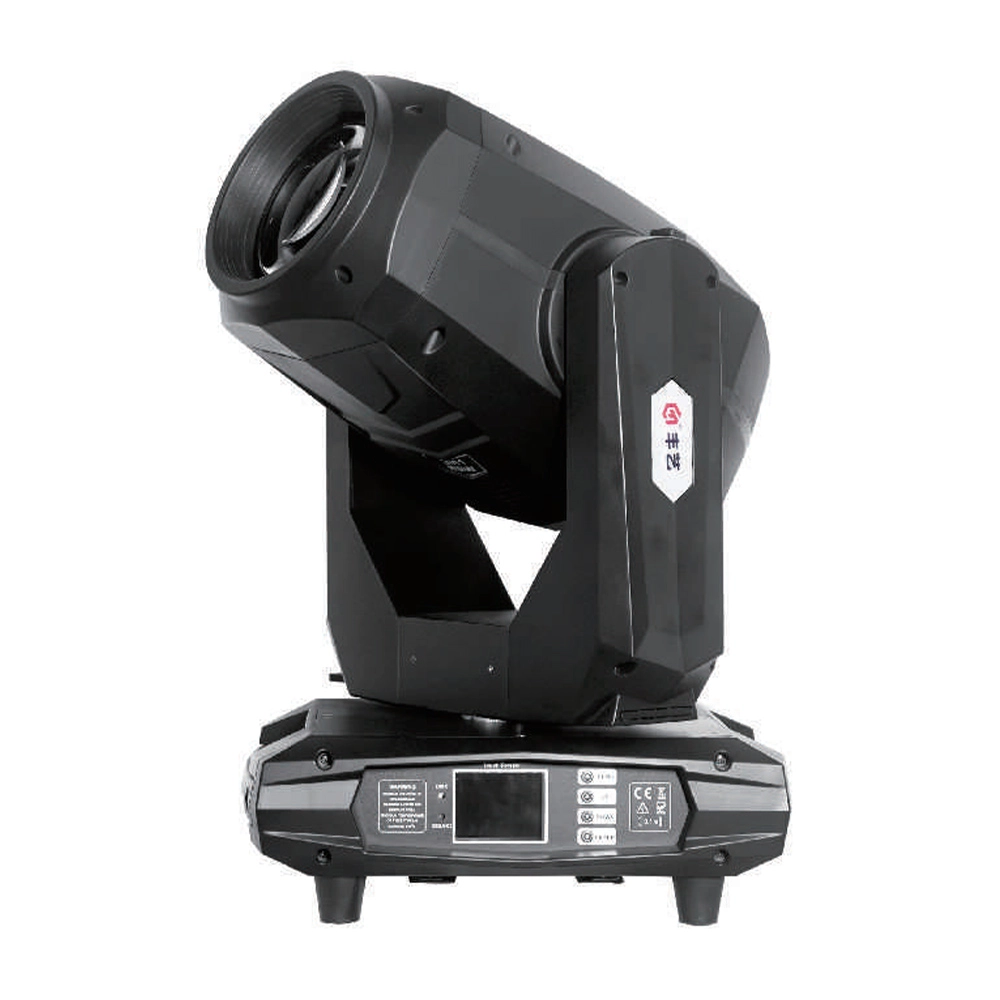
Fengyi 480W All-in-One Moving Head Beam Light Professional Stage Lighting FY-BM-10003
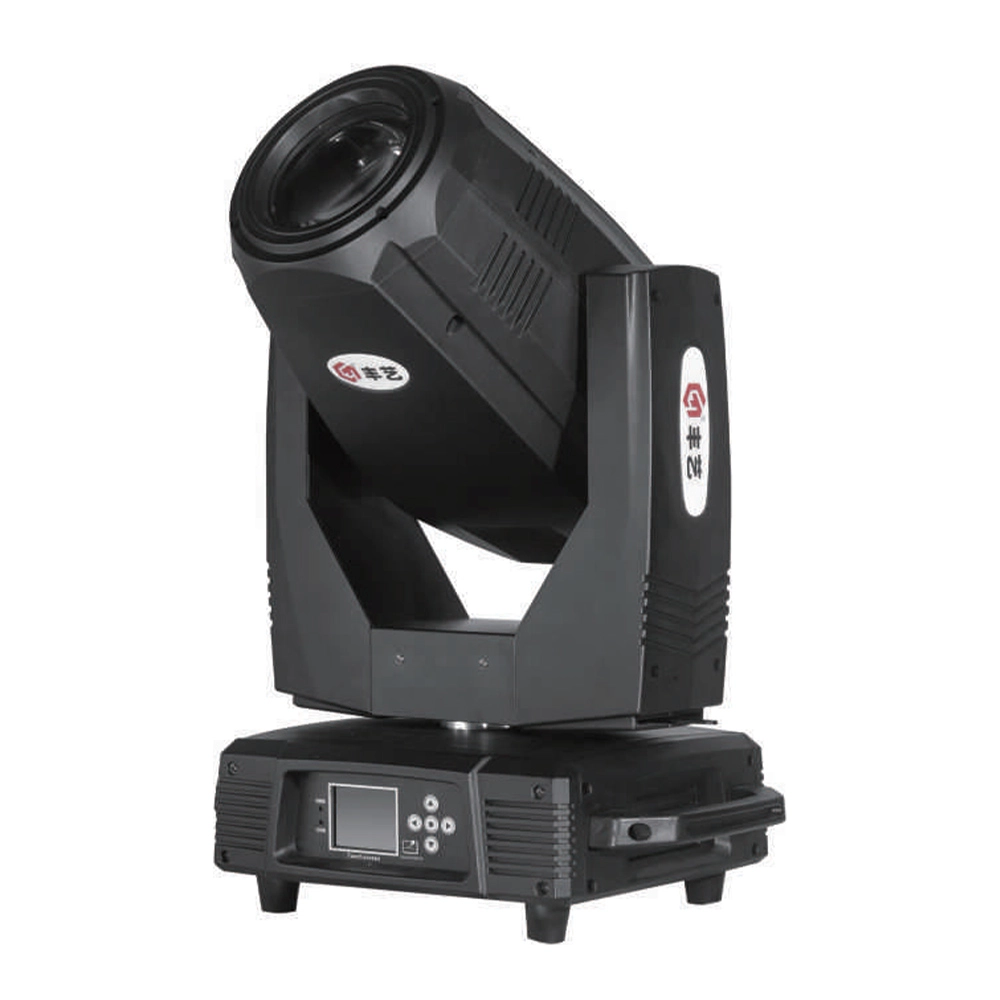
Fengyi 380W Intelligent Moving Head Stage Lights All-in-One System FY-BM-10002
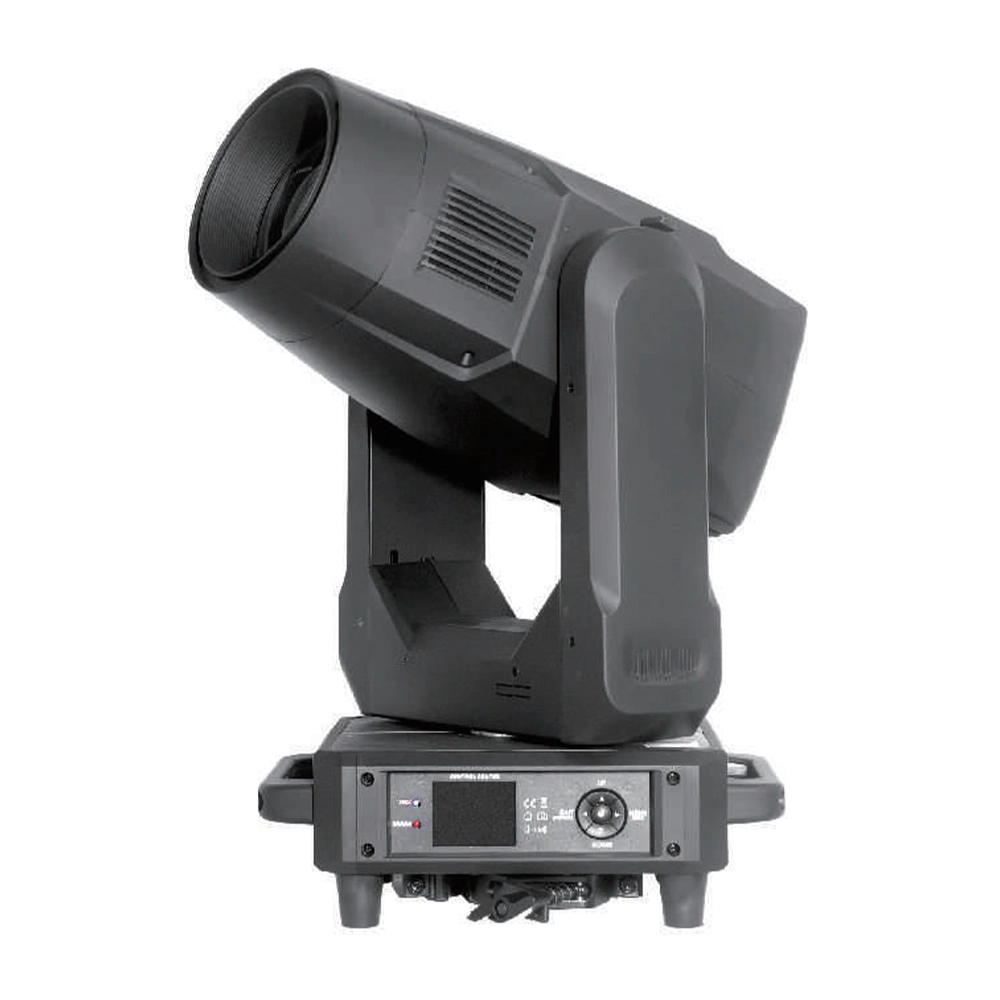
Fengyi 700W Profile Cutting Stage Moving Head Light Professional Event Fixture FY-SP-20003
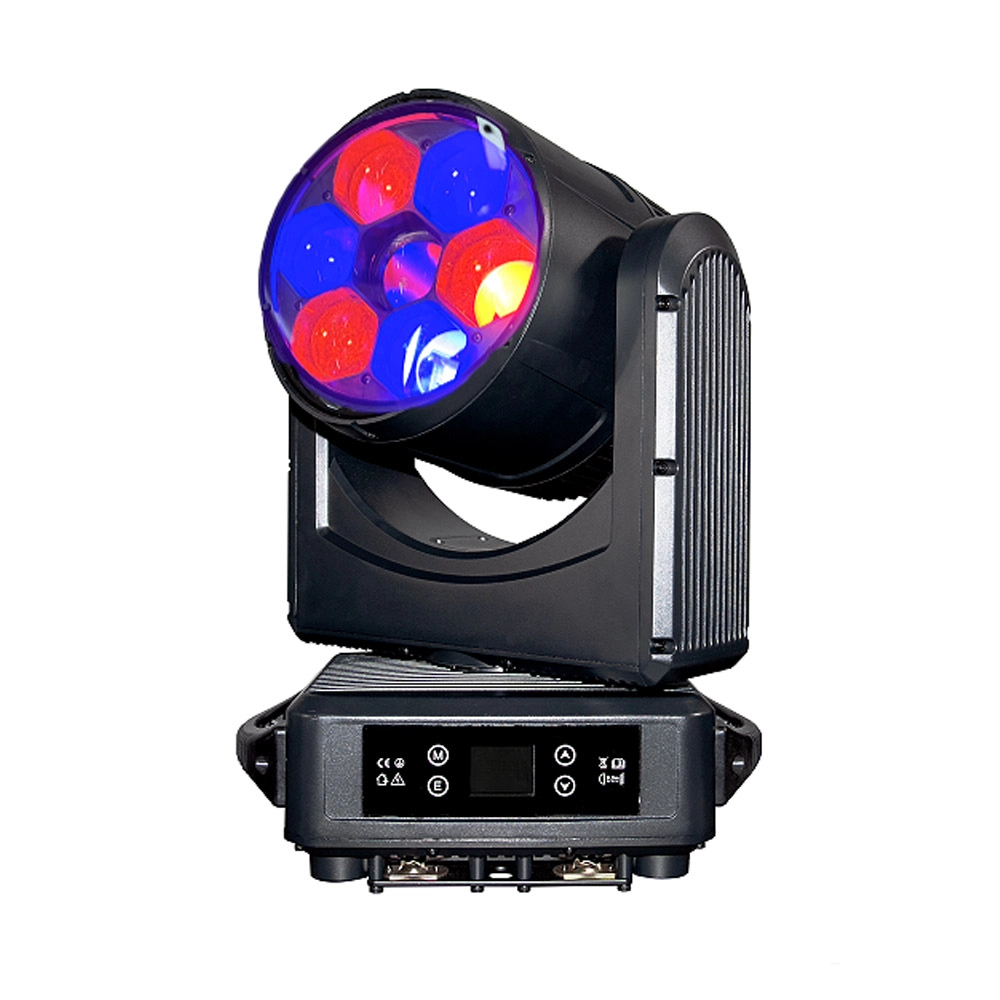
Fengyi 7x60W Waterproof Bee Eye Moving Head Professional LED Stage Lights for Concerts
The Fengyi 7*60 Waterproof Bee Eye offers powerful LED stage lights for concerts with reliable moving head stage lights and DMX control. Designed for outdoor use, it ensures vibrant, dynamic lighting performance in all weather, perfect for professional stage and event setups.
Contact
Building 5, No. 34, Fuyuan Road, Jinghu Industrial Zone, Xinhua Town, Huadu District, Guangzhou, China.
WhatsApp: +86 181 2742 0174
Tel. +86(20) 8642 3596
Ph. +86 150 1870 4285
More information
© 2026 Fengyi. All Rights Reserved.
Fengyi Light
Fengyi Light
Fengyi Light
Fengyilighting