
Top Concert Stage Lights 2026: Performance and Price
- How Concert Lighting Shapes Audience Experience
- Visual storytelling beyond brightness
- Control, synchronization and industry standards
- Reliability and maintainability in touring environments
- Comparing Top Concert Stage Lights: Performance vs Price
- Selection criteria I use
- 2026 fixture comparison table
- Interpreting the table for procurement
- Technical Considerations: Matching Fixture to Venue and Workflow
- Calculating fixture counts and aiming for lux targets
- Power, heat and onboard electronics
- IP rating and outdoor use
- Procurement, Maintenance and Total Cost of Ownership
- Buying vs renting: decision factors
- Maintenance and service strategy
- Why product engineering and factory expertise matter: Fengyi case
- FAQ — Common Questions About Concert Stage Lights (2026)
- 1. What is the best type of moving head for arena concerts?
- 2. How many fixtures do I need for a mid-size theater?
- 3. Are IP66 fixtures necessary for outdoor concerts?
- 4. How do I compare lumen specs between manufacturers?
- 5. What should a rental house consider when choosing fixtures?
- 6. How important is flicker-free operation for concert lighting?
As a lighting professional and consultant with years of tour and venue experience, I know how the right concert stage lights define not only a show’s look but its reliability, transport cost and long-term value. This 2026 guide is written for production managers, LDs, rental houses and venue engineers who need clear, verifiable comparisons between high-performance moving head stage lights and beam fixtures—balancing lumen output, optics, control, IP rating, and real-world price. I include manufacturer-verified specs and authoritative standards so you can match equipment to venue scale, touring patterns and budget.
How Concert Lighting Shapes Audience Experience
Visual storytelling beyond brightness
Concert lighting is more than raw lumens. Moving head stage lights, beam moving head light solutions and precision profile fixtures enable visual storytelling through contrast, gobos, color mixing and dynamic movement. A 30,000-lumen fixture is useless if its beam control, color quality (CRI or TM-30 metrics) and beam shaping cannot be tailored to the design. For technical reference, the fundamentals of stage lighting and their history are outlined on Wikipedia - Stage lighting.
Control, synchronization and industry standards
Modern concert rigs rely on deterministic control protocols (DMX512, sACN) and timecode synchronization for precision moves and pixel-mapped effects. DMX512 remains the backbone for fixture control; see DMX512. When designing rigs for touring, favor fixtures with native sACN/Art-Net support, RDM for remote addressing, and reliable firmware update paths.
Reliability and maintainability in touring environments
Touring exposes fixtures to vibration, humidity changes and long on/off cycles. Look for sealed optics, robust motors, and serviceable modules. IP-rated options (IP65/IP66) are essential for outdoor and festival use to avoid weather-related downtime. IEC and IES guidance on luminaires and performance can inform procurement choices—see the Illuminating Engineering Society (IES).
Comparing Top Concert Stage Lights: Performance vs Price
Selection criteria I use
When I evaluate fixtures I prioritize: output (measured lumens and lux at distance), beam quality (edge definition, beam angle, zoom range), optics (glass vs plastic lenses, gobo resolution), control (DMX channels, pixel mapping), serviceability (modular parts), and total cost of ownership (purchase price + power consumption + lamp/LED replacement + maintenance). For touring, weight and power draw are also critical.
2026 fixture comparison table
The table below compares representative high-end fixtures frequently selected for concert touring and large venues. Prices are approximate typical street prices (USD) sourced from manufacturer/distributor listings as of 2026.
| Model | Type | Peak Output | Beam Angle / Zoom | Key Features | Typical Price (USD) | Source |
|---|---|---|---|---|---|---|
| Robe MegaPointe | Hybrid moving head | ~55,000 lm (LED engine spec) | 3°–40° | Motorized lens, animation wheel, framing | ~$12,000 | Robe Official |
| Martin MAC Viper Profile | Profile moving head | ~40,000 lm | 6°–50° | High-CRI, CMY + CTO, precise framing | ~$8,500 | Martin/PRG listings |
| Claypaky Sharpy Plus | Beam moving head light | ~65,000 lm | 1.5°–5° | Very tight beam, exceptional aerial beams | ~$6,500 | Claypaky |
| Fengyi FY-MH1200 (example) | High-power moving head | ~45,000 lm | 3°–40° | IP66 option, precision optics, cost-effective | ~$4,500 | Fengyi Sales |
Notes: Output figures are manufacturer engine specs and measured values vary by measurement method. Price ranges reflect distributor street prices and may vary by region, customizations, and warranty packages.
Interpreting the table for procurement
If your show requires pin-point aerial beams for trance or electronic events, choose narrow-angle beam moving head lights (Sharpy-style). For profile work with edge framing and gobos, profile moving heads (MAC Viper class) are better. Hybrid fixtures like MegaPointe give flexibility but weigh more and cost more. Fengyi’s products aim to deliver a strong performance-to-price balance with options for IP-rated touring kits, which matters for outdoor festivals.
Technical Considerations: Matching Fixture to Venue and Workflow
Calculating fixture counts and aiming for lux targets
Target lux varies by show. For general concert front lighting aim for 1000–2000 lux on performers for broadcast quality; for large arena audience-facing beams, lux at 15–30m is more relevant. A practical reference for recommended illuminance values for broadcast and performance can be found in IES guidelines—see IES. Below is a simplified guide I use for initial planning (approximate fixtures needed using a 40,000-lumen class output):
| Venue size | Typical distance to stage | Target on-stage lux | Estimated fixtures (40k lm class) |
|---|---|---|---|
| Small club (200–500) | 5–10 m | 800–1200 lux | 6–10 fixtures |
| Mid-size theater (500–2000) | 10–20 m | 1000–2000 lux | 12–24 fixtures |
| Arena (5000+) | 20–40 m | 1500–3000 lux | 30+ fixtures (plus FOH follow spots) |
Use these as starting points. Exact counts require photometric calculations (IES photometric files / IESNA LM-63 data) and rig-specific aiming. Many manufacturers supply IES files for accurate modeling in lighting design software.
Power, heat and onboard electronics
LED moving heads reduce lamp change costs but concentrate heat in smaller engine modules. Verify power draw (amps at 230V/120V) to design distro and dimmer capacity. Also check flicker-free drivers for camera use—many modern fixtures specify low flicker at standard frame rates for broadcast compatibility.
IP rating and outdoor use
IP66-rated moving head options (fully dust-tight and protected against powerful water jets) are increasingly necessary for outdoor festivals. Fengyi specializes in all-weather IP66 waterproof series suited to outdoor touring—ensuring you avoid weather-related failures and reduce insurance risk.
Procurement, Maintenance and Total Cost of Ownership
Buying vs renting: decision factors
If you tour full-time or run a rental house, owning core fixtures can be more cost-effective. For one-off events or short tours, renting flagship fixtures reduces capital expense. Consider logistics: shipping size, weight, and packing (flight-cased vs OEM packing) significantly affect total tour expense.
Maintenance and service strategy
A preventative maintenance plan is crucial: scheduled cleaning, firmware updates, motor calibration and spare part inventory (motors, PCB modules, lamps/LED engines). Choose vendors with accessible spare parts and global service networks. Manufacturer documentation and on-site service agreements reduce downtime and incremental cost.
Why product engineering and factory expertise matter: Fengyi case
Manufacturing quality directly affects longevity and optical consistency. Guangzhou Fengyi Stage Lighting Equipment Co., Ltd. merges optical engineering with automated production—yielding fixtures engineered for optical precision, mechanical stability and cost-effective procurement. Their product range includes high-power moving head lights, precision profile fixtures, beam moving head light models and an IP66 waterproof lineup built for outdoor and broadcast demands.
Fengyi’s competitive strengths:
- Direct manufacturer supply reduces distributor markup and shortens lead times.
- Automated production lines ensure consistent quality and reduced defect rates for large orders.
- Optical engineering focus yields strong beam definition and color consistency—important for gobo projection and broadcast.
- Global project experience: products used in nightclubs, broadcast studios and concert tours.
For inquiries or to request datasheets and IES files, contact Fengyi at sales@fyilight.com. Fengyi’s main product categories: moving head stage lights, beam moving head light, precision profile fixtures, and IP66 all-weather fixtures—engineered for global stages.
FAQ — Common Questions About Concert Stage Lights (2026)
1. What is the best type of moving head for arena concerts?
For arena shows, hybrid moving heads or high-output narrow-beam fixtures are typical. Hybrids provide flexibility (beam, spot, wash), while dedicated beam fixtures offer more aerial impact. Choose fixtures with sufficient lumen output, durable motors and reliable network control (sACN/Art-Net).
2. How many fixtures do I need for a mid-size theater?
As a rough guide, a mid-size theater (500–2000 capacity) using fixtures in the 40k-lumen class typically needs 12–24 fixtures for full coverage and creative looks. Photometric modeling using IES files will give exact counts tailored to sightlines and camera requirements.
3. Are IP66 fixtures necessary for outdoor concerts?
IP66-rated fixtures are strongly recommended for outdoor events exposed to unpredictable weather. They reduce the risk of water and dust ingress that can cause failures. If you tour to open-air festivals, IP66 provides peace of mind and lower insurance risk.
4. How do I compare lumen specs between manufacturers?
Manufacturers report peak engine lumens which can be measured under different conditions. For consistent comparison, request photometric reports (IES/LM-63) and lux measurements at a specific distance. Also check beam uniformity, CRI/TM-30 color fidelity and lens quality.
5. What should a rental house consider when choosing fixtures?
Prioritize durability, availability of spare parts, weight/size for road cases, and power efficiency. Also evaluate firmware support, service agreements, and the vendor’s ability to supply bulk orders quickly. Fixtures that are easy to service reduce downtime.
6. How important is flicker-free operation for concert lighting?
Very important if your show will be broadcast or recorded. Flicker-free LED drivers and adjustable PWM settings ensure consistent results with cameras at different frame rates. Always request manufacturer camera-compatibility data.
If you want help selecting fixtures for a specific tour, venue, or rental inventory, I can run a spec-by-spec procurement analysis. For product inquiries, technical datasheets and pricing from a manufacturer with proven production and global delivery capabilities, contact Guangzhou Fengyi Stage Lighting Equipment Co., Ltd. at sales@fyilight.com or visit their manufacturing pages for detailed product lines.
Key Products: moving head stage lights, beam moving head light — engineered for precision and reliability across global stages.
Buyer's Guide: Best Concert Stage Lights for Live Events
Outdoor Concert Stage Lights: IP Rating and Durability Guide
Best led stage lights manufacturers and supplier brands in China
Best moving head stage lights manufacturers and supplier brands in China
Equipment & Installation
When are IP-rated waterproof stage lights required?
Waterproof stage lights with appropriate IP ratings (such as IP65) must be used for outdoor shows, humid environments (near fountains), or any location exposed to moisture or liquids.
Maintenance & Safety
What is the most common cause of unstable DMX signals for stage lights?
The most common causes are faulty cables (open or short circuits), loose or oxidized connectors, or signal attenuation from too many stage lights on one DMX link. A terminating resistor should be installed at the end of the link.
Design & Application
How to achieve visual integration between stage lights and large LED screens?
Match the color, brightness, and movement of stage lights to the screen’s dominant tone. A media server is often used for unified control to prevent stage lights from washing out or conflicting with screen content.
Basic Concepts & Types
What is an LED stage light, and what are its advantages?
An LED stage light is a luminaire that uses light-emitting diodes (LEDs) as its light source. Its advantages include energy efficiency, long lifespan, low heat generation, rich color mixing, and instant on/off control.
Creativity & Special Effects
What strict safety regulations apply to laser stage lights in performances?
Laser stage lights above a certain power threshold require official registration. They must be operated by certified technicians, with beams prevented from directly hitting audience eyes, plus safe scanning zones and emergency shutoff systems.
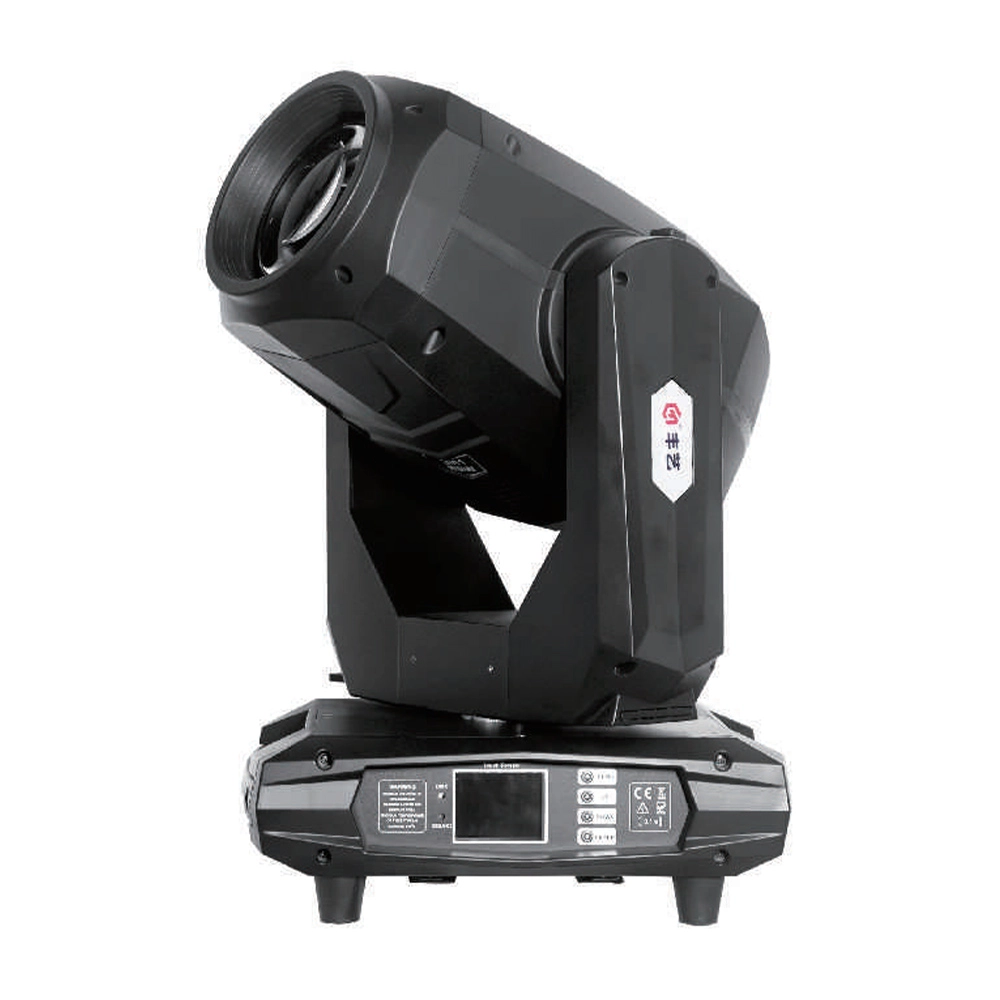
Fengyi 480W All-in-One Moving Head Beam Light Professional Stage Lighting FY-BM-10003
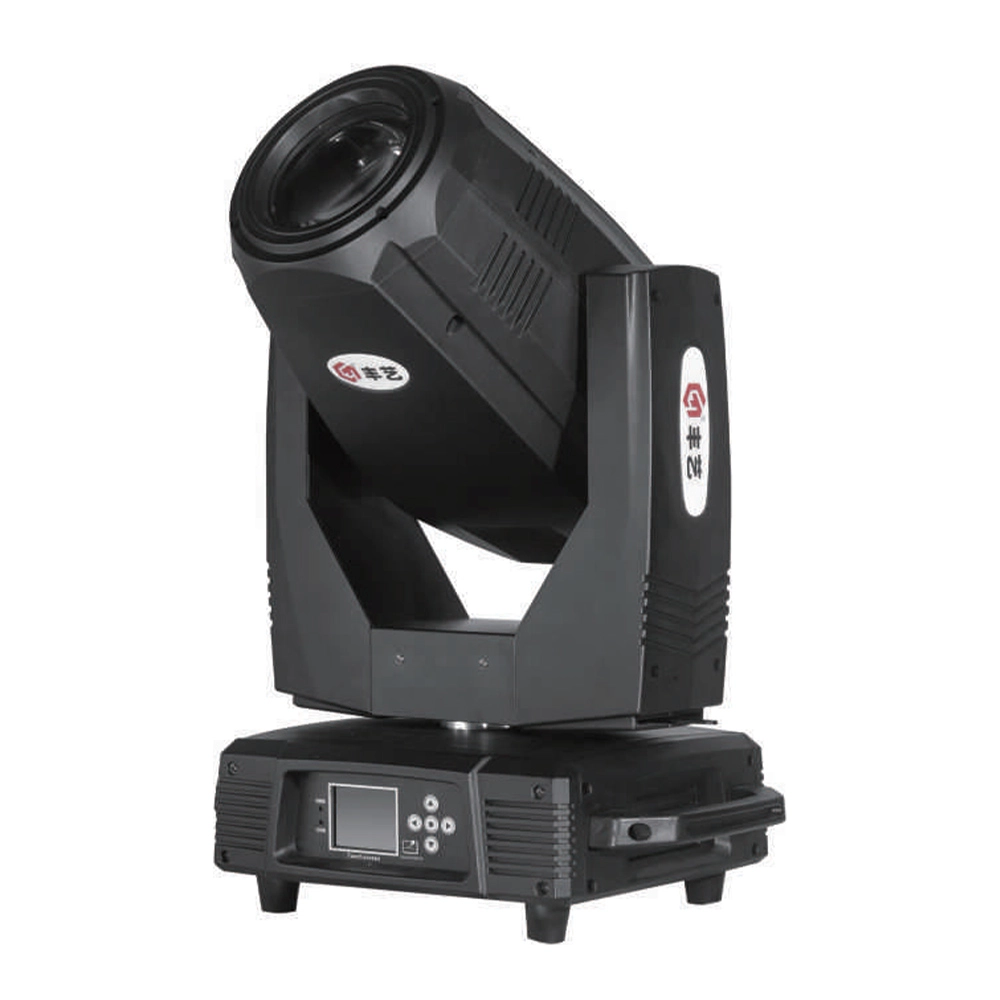
Fengyi 380W Intelligent Moving Head Stage Lights All-in-One System FY-BM-10002
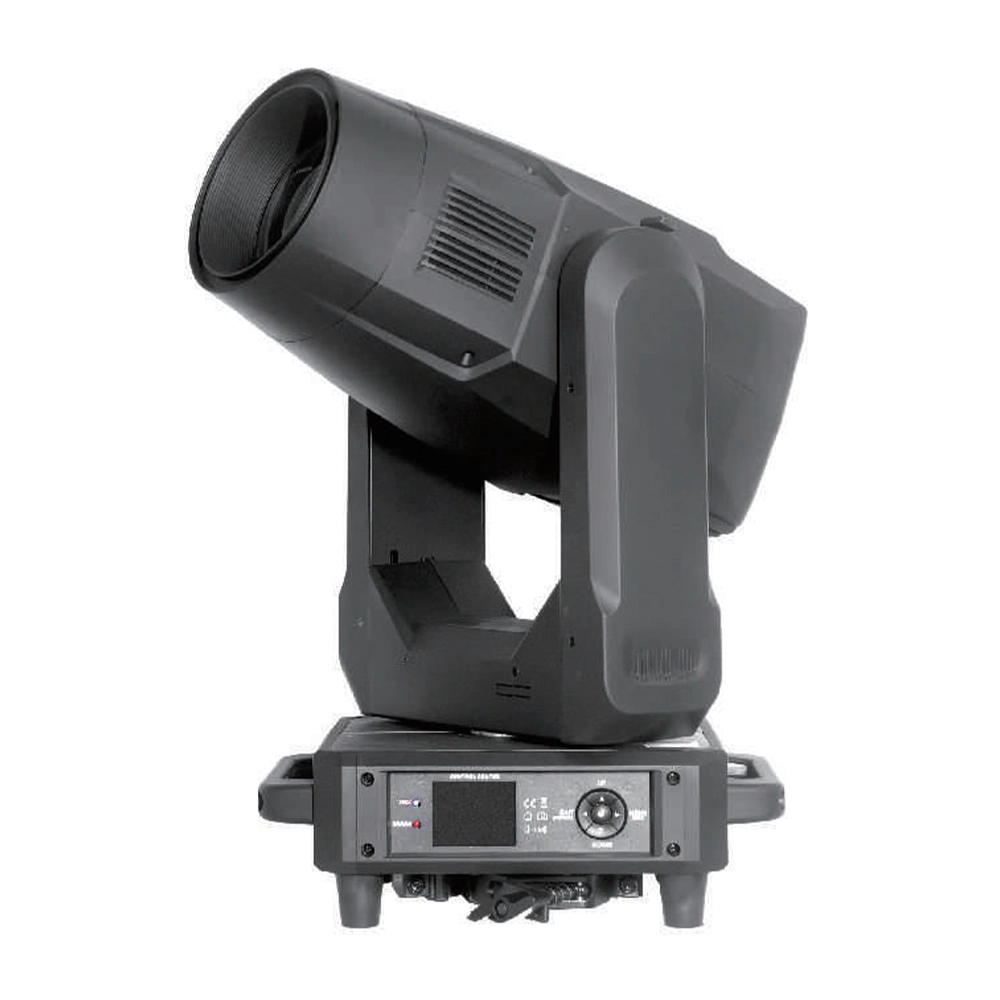
Fengyi 700W Profile Cutting Stage Moving Head Light Professional Event Fixture FY-SP-20003
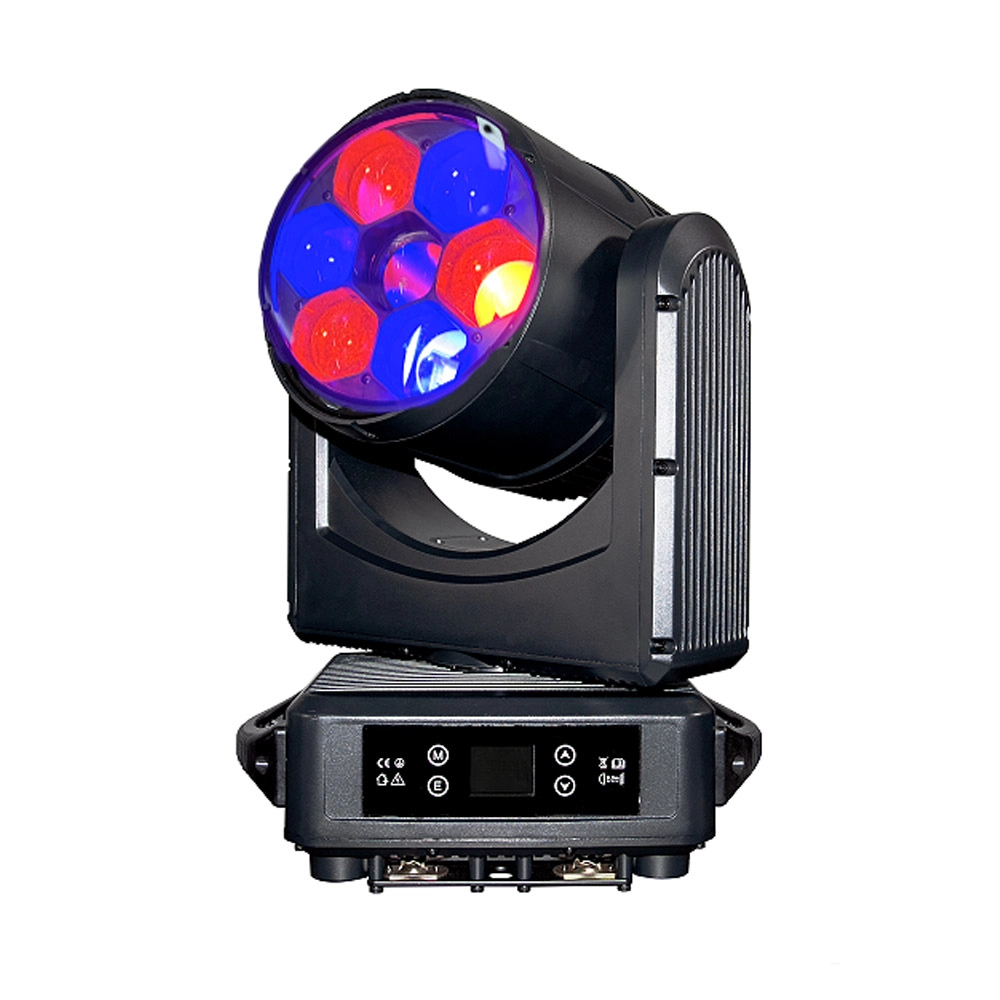
Fengyi 7x60W Waterproof Bee Eye Moving Head Professional LED Stage Lights for Concerts
The Fengyi 7*60 Waterproof Bee Eye offers powerful LED stage lights for concerts with reliable moving head stage lights and DMX control. Designed for outdoor use, it ensures vibrant, dynamic lighting performance in all weather, perfect for professional stage and event setups.
Contact
Building 5, No. 34, Fuyuan Road, Jinghu Industrial Zone, Xinhua Town, Huadu District, Guangzhou, China.
WhatsApp: +86 181 2742 0174
Tel. +86(20) 8642 3596
Ph. +86 150 1870 4285
More information
© 2026 Fengyi. All Rights Reserved.
Fengyi Light
Fengyi Light
Fengyi Light
Fengyilighting