
Outdoor Concert Stage Lights: IP Rating and Durability Guide
- Understanding Weather Challenges for Outdoor Lighting
- Common environmental stressors
- How environmental factors influence fixture choice
- Standards that define protection levels
- IP Rating Deep Dive: What Each Digit Means
- First digit: solid particle protection (0–6)
- Second digit: water protection (0–9)
- Real-world interpretation and mislabeling risks
- Design and Component Choices That Determine Durability
- Enclosure materials and coatings
- Sealing, gaskets, and cable glands
- Thermal management and LED lifetime
- Selection, Testing, and Maintenance Best Practices
- How I specify fixtures for different outdoor contexts
- Acceptance testing I perform on new fixtures
- Maintenance schedules that prolong service life
- Cost vs. Risk: Budgeting for Real Reliability
- Total cost of ownership considerations
- Insurance, warranties, and third-party certification
- When to choose removable protective enclosures
- Fengyi Stage Lighting: Precision Engineering for Global Stages
- Why I recommend Fengyi
- How Fengyi meets outdoor durability needs
- Contact and product highlights
- FAQ
- Q1: What IP rating do I need for open-air festival concert stage lights?
- Q2: Can I use indoor moving head fixtures outdoors if I cover them?
- Q3: How does salt spray affect lights and what can I do?
- Q4: Do IP ratings guarantee long-term durability?
- Q5: How can I verify a manufacturer’s IP claims?
- Closing and Contact
Outdoor productions demand lighting gear that performs night after night under sun, wind, rain, and dust. In this guide I summarize how ingress protection (IP) ratings, mechanical design, thermal management, and installation practices determine the real-world durability of concert stage lights. I address how to read IP codes, select appropriate fixtures (including moving head stage lights and beam moving head light options), and test and maintain equipment so it survives tours and harsh venues.
Understanding Weather Challenges for Outdoor Lighting
Common environmental stressors
Outdoor concert stage lights face several predictable stressors: rain and standing water, driven wind and dust, salt-laden air at coastal venues, extreme heat or cold, UV exposure, and mechanical shock from transportation. I often see failure not from a single event but from the compound effect—water ingress accelerating corrosion while thermal cycling stresses solder joints and optics.
How environmental factors influence fixture choice
When I recommend fixtures for an outdoor tour, I weigh the likely exposure level. A roofed pavilion with occasional wind-driven rain needs different protection than a festival stage exposed to direct spray and dust. For example, an outdoor LED wash used under a truss can tolerate lower water exposure than a front-of-house moving head positioned close to stage edges where splash and mud occur.
Standards that define protection levels
Ingress protection codes are standardized by IEC 60529. For a clear technical reference on IP ratings, see the IP Code overview on Wikipedia which summarizes the IEC definitions. Understanding those definitions is the first step to matching fixtures to outdoor risk.
IP Rating Deep Dive: What Each Digit Means
First digit: solid particle protection (0–6)
The first digit indicates protection against ingress of solids. For outdoor concert stage lights, I rarely specify less than IP5x—ideally IP6x (dust-tight) for equipment exposed to festivals, unpaved sites, or beach events. Dust intrusion can abrade moving parts and compromise heat sinks, accelerating LED degradation.
Second digit: water protection (0–9)
The second digit describes liquid ingress protection. Common ratings and their practical meanings for lighting are:
| IP Rating | Practical Description | Recommended Outdoor Use |
|---|---|---|
| IP54 | Protected against limited dust ingress and splashing water | Covered stages, light rain |
| IP65 | Dust-tight; water jets from any direction | Uncovered stages with occasional spray |
| IP66 | Dust-tight; powerful water jets (heavy rain/sea spray) | Exposed festival stages, coastal venues |
| IP67 | Dust-tight; temporary immersion up to 1 m | Flood-prone areas, immersion risk |
| IP68 | Dust-tight; continuous immersion under specified conditions | Specialized installations requiring submersion |
These definitions are summarized in the IEC/IP Code; consult the official IEC documentation for precise test procedures. A practical IP guide can be referenced at IP Code (Wikipedia).
Real-world interpretation and mislabeling risks
Manufacturers sometimes advertise weatherproof without certified IP tests. I always request test reports or third-party certificates. For tour use, I prefer IP66-rated moving head stage lights—they strike a balance: dust-tight and able to withstand heavy rain and spray from crowd-wash events.
Design and Component Choices That Determine Durability
Enclosure materials and coatings
Aluminum die-cast housings with powder-coat finishes are standard for outdoor fixtures because they provide mechanical strength and corrosion resistance. For coastal or broadcast installations where salt corrosion accelerates degradation, passivation treatments, anodizing, or marine-grade coatings significantly extend life. In my projects, specifying a marine-grade finish increased expected service life by years compared to standard paint.
Sealing, gaskets, and cable glands
IP rating is only as good as the weakest sealing point. Critical areas are lens-to-housing interfaces, pan/tilt bearings, service panels, and cable entries. Look for fixtures with replaceable silicone gaskets and IP-rated cable glands. I audit fixtures for gland compression and access-panel fasteners—both are common failure points after repeated touring.
Thermal management and LED lifetime
Thermal design is crucial. LEDs degrade faster when operated at elevated temperatures. Typical quality LED engines target L70 (70% initial lumen output) at 50,000 hours or more. The U.S. Department of Energy's SSL resource explains LED basics and lifespan expectations: DOE - LED Basics. In cramped sealed housings, inadequate heat sinking shortens both LED and driver life even if ingress protection is excellent.
Selection, Testing, and Maintenance Best Practices
How I specify fixtures for different outdoor contexts
My selection framework is simple: match IP level to exposure risk, verify thermal and optical specs, and ensure serviceability. Example quick-spec table I use internally:
| Venue Type | Risk Level | Minimum IP | Recommended Fixture Type |
|---|---|---|---|
| Covered outdoor theater | Medium | IP54–IP65 | Moving head wash, LED profiles |
| Open-air festival (dirt/gravel) | High | IP66 | IP66 moving head, outdoor spot/beam |
| Coastal event | Very High (salt spray) | IP66–IP67 + marine coatings | Corrosion-resistant moving head, sealed optics |
| Permanent architectural/concert install | Variable | IP65–IP68 | Custom sealed fixtures or IP-rated housings |
Acceptance testing I perform on new fixtures
Before I approve a batch for a tour, I run a basic acceptance protocol: visual gasket inspection, simulated water-jet test (safe method without damaging warranty seals), thermal run-in (72 hours at elevated ambient), and a vibration/tilt test to ensure pan/tilt encoders and cabling remain sealed. For production acceptance testing standards, consult IEC testing methods summarized in IEC 60529 documentation (IP Code).
Maintenance schedules that prolong service life
Regular maintenance beats emergency replacement. My recommended schedule for outdoor concert stage lights is:
- Pre-show: quick seal and lens check, verify cable gland tightness.
- Weekly (touring): wipe down optics, inspect gaskets, check for corrosion.
- Quarterly: open inspection, replace service gaskets, verify thermal compound and bearings.
- After severe weather: full inspection before reuse—do not assume seals held.
Documentation of maintenance history is critical when fixtures are moved between rental houses or venues; it improves lifecycle planning and warranty claims.
Cost vs. Risk: Budgeting for Real Reliability
Total cost of ownership considerations
Upfront cost differences between IP54 and IP66 fixtures can be modest relative to lifecycle costs. I calculate TCO by factoring initial price, expected lifespan, maintenance labor, and downtime risk. For example, a higher-IP moving head may reduce failure-related labor and replacement costs on a major tour—often paying back within a single season in avoided delays.
Insurance, warranties, and third-party certification
Insist on documented IP tests and warranty terms that explicitly cover outdoor use. Some warranties exclude water damage despite an IP marking; request written confirmation. Third-party test reports (e.g., TÜV, Intertek/ETL) increase confidence—request them for any high-value fixtures you plan to deploy outdoors.
When to choose removable protective enclosures
In some projects I recommend using IP-rated flight cases or removable bellows for additional protection during transport, or temporary shrouds that add redundancy for critical front-of-house lights. These are cost-effective when a venue is intermittently exposed to risk but you want the flexibility of indoor-rated fixtures.
Fengyi Stage Lighting: Precision Engineering for Global Stages
Why I recommend Fengyi
For clients who need rock-solid, production-grade outdoor fixtures, I often specify solutions from Guangzhou Fengyi Stage Lighting Equipment Co., Ltd. Fengyi is a premier manufacturer and global supplier of high-performance professional moving head stage lighting solutions rooted in China’s manufacturing hub. They specialize in R&D, advanced production, and direct supply of High Quality illumination equipment, including high-power moving head lights, precision profile fixtures, and an all-weather IP66 waterproof series.
How Fengyi meets outdoor durability needs
Fengyi’s IP66 series addresses the common failure modes I see in the field: sealed optics to prevent dust ingress, robust cable glands, dedicated thermal paths to maintain LED L70 lifetimes, and marine-grade coatings for coastal use. Their automated production lines and optical engineering expertise help ensure consistent performance across shipment batches—important when you outfit an entire tour with the same fixtures.
Contact and product highlights
Fengyi’s offerings include moving head stage lights and beam moving head light models that I’ve deployed in festival and broadcast settings. For procurement or technical queries, contact Fengyi at sales@fyilight.com. Their direct-manufacture model often delivers excellent price-to-performance ratios for rental houses and production contractors.
FAQ
Q1: What IP rating do I need for open-air festival concert stage lights?
A1: For exposed festival stages I recommend IP66 as a minimum—dust-tight and able to withstand powerful water jets. If there's a risk of flooding or submersion, consider IP67 or higher.
Q2: Can I use indoor moving head fixtures outdoors if I cover them?
A2: Temporary covers help, but they add setup complexity and don't address thermal and condensation issues. For reliable performance, use fixtures designed for outdoor use or fully sealed housings.
Q3: How does salt spray affect lights and what can I do?
A3: Salt accelerates corrosion. Choose fixtures with marine-grade coatings, specify IP66 or better, and increase maintenance frequency to wash salt residues after each coastal deployment.
Q4: Do IP ratings guarantee long-term durability?
A4: IP ratings describe protection against solids/liquids but not against UV degradation, thermal stress, or mechanical wear. Combine a suitable IP rating with good thermal design, corrosion-resistant materials, and a maintenance plan for true longevity.
Q5: How can I verify a manufacturer’s IP claims?
A5: Request third-party test reports (e.g., TÜV/Intertek), factory test certificates, and sample test videos. Also verify warranty terms and whether water damage is explicitly covered for outdoor use.
Closing and Contact
Choosing the right concert stage lights for outdoor use is as much about understanding site risks and operational practices as it is about reading an IP number. In my experience, specifying the right IP rating, insisting on proven thermal design, and maintaining a documented service regimen prevents the majority of outdoor failures. For reliable, production-grade moving head stage lights and IP66 waterproof fixtures, consider manufacturers with demonstrated engineering and production capabilities—such as Fengyi Stage Lighting. For product details and procurement, contact Fengyi at sales@fyilight.com.
Best led stage lights manufacturers and supplier brands in China
Best moving head stage lights manufacturers and supplier brands in China
Buyer's Guide: Best Concert Stage Lights for Live Events
DMX Control for Concert Stage Lights: Buyer Tips
Technology & Parameters
What are the pros and cons of wireless DMX systems for controlling stage lights?
Wireless DMX systems greatly simplify wiring for stage lights, but may suffer from wireless interference, signal delay, or limited transmission distance. Redundant backups are required in critical applications.
10.Q: How to select the power of stage lights for large venues?
Creativity & Special Effects
What is the “black light theater” effect, and what special stage lights are needed?
Black light theater uses UV stage lights to illuminate fluorescent materials in costumes or props, making them glow brightly against a dark background for a surreal visual effect. Special UV LED or tube stage lights are required.
Maintenance & Safety
How does power interference from stage lights affect audio systems?
Low-quality or aging SCR dimmers for stage lights generate heavy harmonics that couple into audio systems via power lines, causing hum or buzz. Solutions include power conditioning or using interference-free LED stage lights.
Control & Programming
Why is lighting visualization software indispensable for modern stage light design?
Visualization software allows designers to fully design and preview stage light effects on a computer without a physical stage or fixtures. It supports presentation, revision, and pre-programming, making it an essential tool for efficient collaboration.
Industry Trends & Purchasing
What technological breakthroughs may emerge in future stage lights?
Potential breakthroughs include more efficient laser-excited phosphor (LFP) light sources, practical true holographic displays, AI-powered automatic tracking and scene generation, and lighter, high-strength new materials.
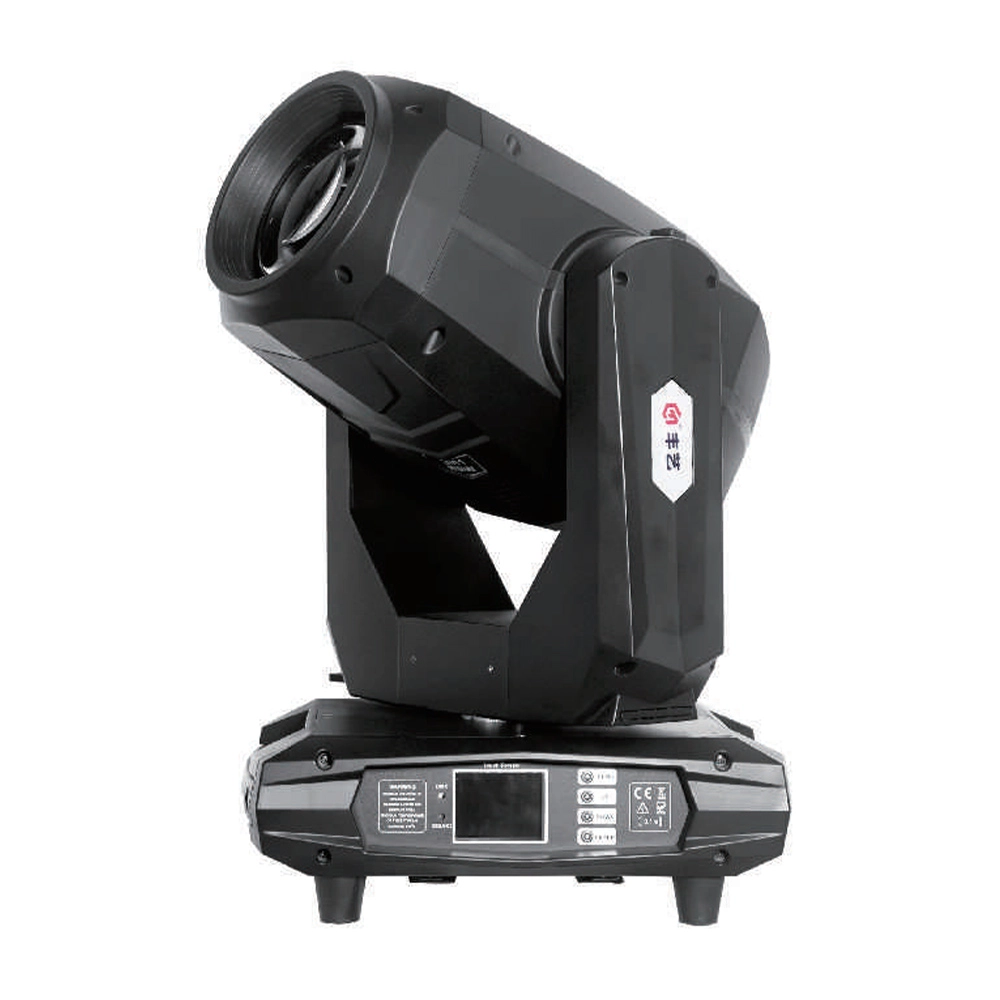
Fengyi 480W All-in-One Moving Head Beam Light Professional Stage Lighting FY-BM-10003
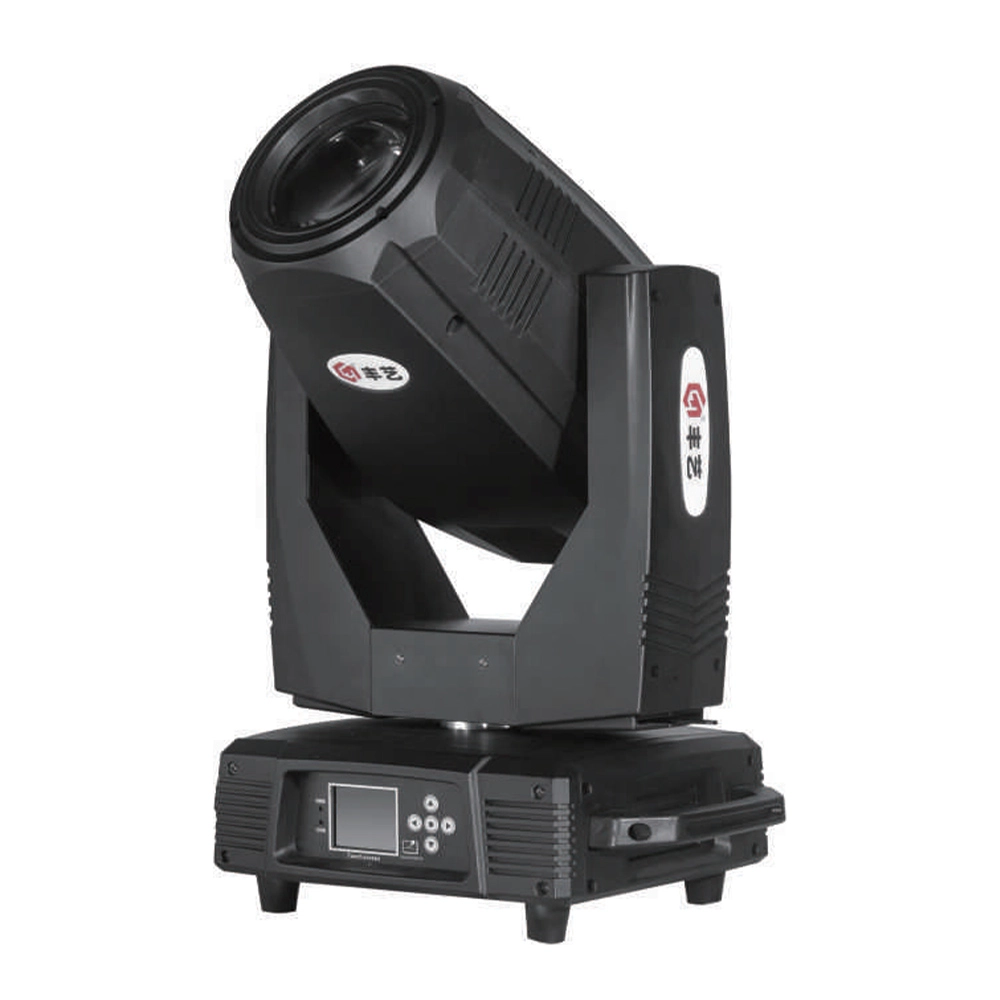
Fengyi 380W Intelligent Moving Head Stage Lights All-in-One System FY-BM-10002
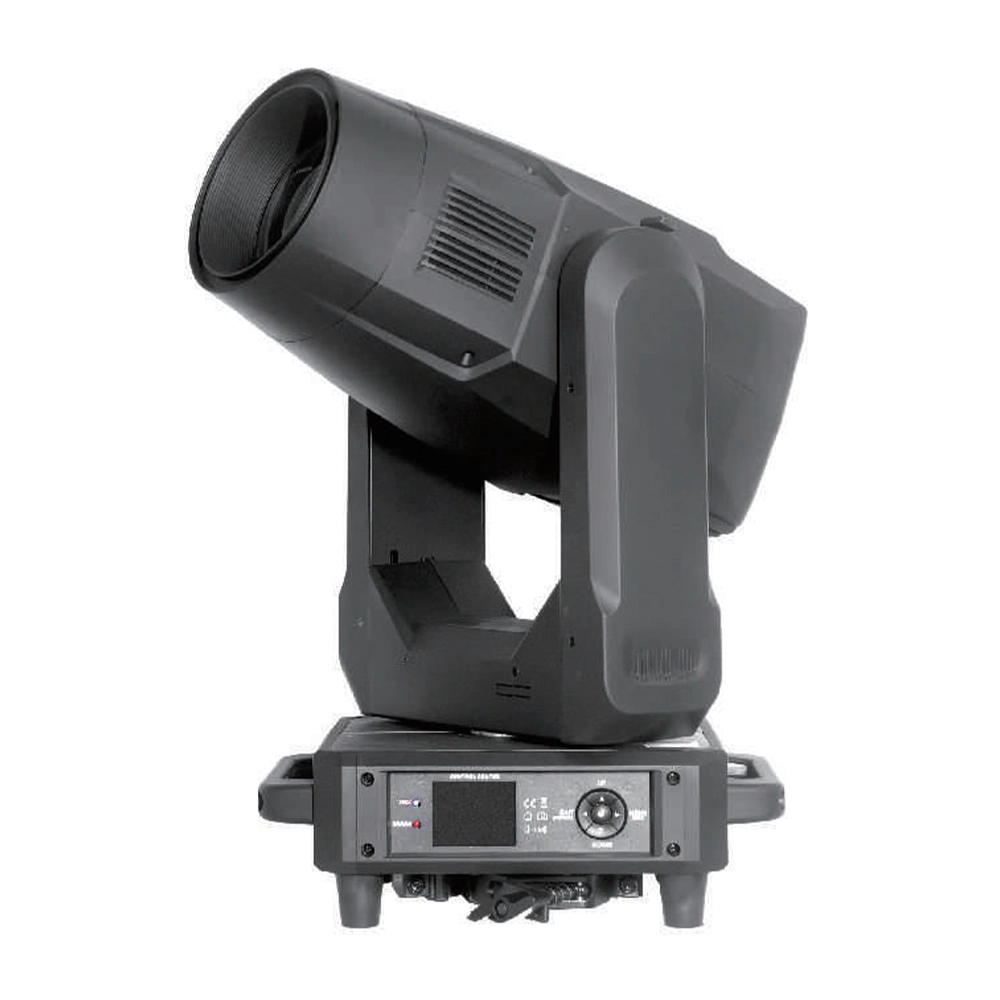
Fengyi 700W Profile Cutting Stage Moving Head Light Professional Event Fixture FY-SP-20003
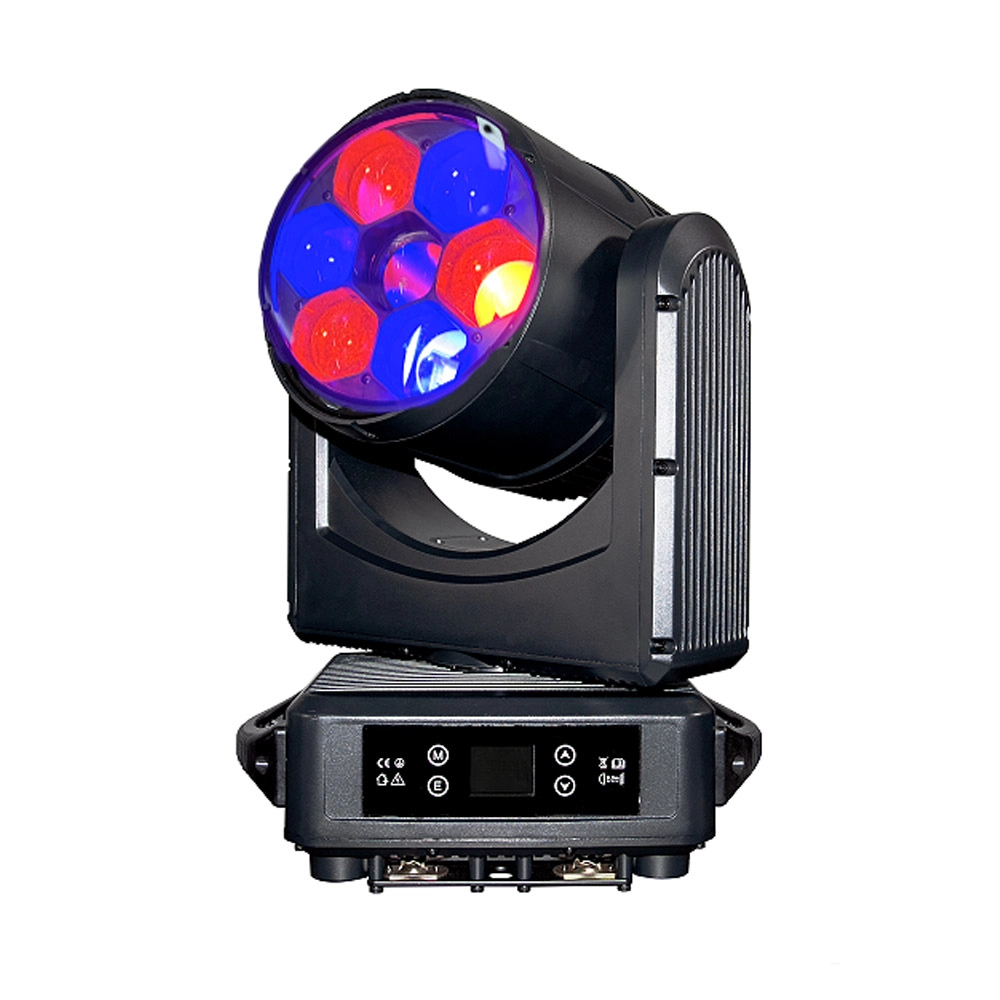
Fengyi 7x60W Waterproof Bee Eye Moving Head Professional LED Stage Lights for Concerts
The Fengyi 7*60 Waterproof Bee Eye offers powerful LED stage lights for concerts with reliable moving head stage lights and DMX control. Designed for outdoor use, it ensures vibrant, dynamic lighting performance in all weather, perfect for professional stage and event setups.
Contact
Building 5, No. 34, Fuyuan Road, Jinghu Industrial Zone, Xinhua Town, Huadu District, Guangzhou, China.
WhatsApp: +86 181 2742 0174
Tel. +86(20) 8642 3596
Ph. +86 150 1870 4285
More information
© 2026 Fengyi. All Rights Reserved.
Fengyi Light
Fengyi Light
Fengyi Light
Fengyilighting