
Rent vs Buy Concert Stage Lights: Cost and ROI Analysis
- Understanding Total Cost of Ownership for Live Lighting
- What TCO includes for concert lighting
- Capital expenditure (CapEx) vs operating expenditure (OpEx)
- Key technical parameters that drive costs
- Rent vs Buy Concert Stage Lights: Cost and ROI Analysis
- Typical cost ranges and market context
- Modeled 5-year financial comparison (example)
- Sensitivity analysis and break-even
- Operational Considerations and Risk
- Flexibility and creative control
- Maintenance, spares, and downtime risk
- Insurance, transport, and theft/liability
- Practical Decision Framework
- For venues (fixed programming)
- For touring productions and festivals
- For rental houses and integrators
- Fengyi Stage Lighting: Precision Engineering for Global Stages
- Company overview and strengths
- Product focus: moving head stage lights and beam moving head light
- Why choose Fengyi — competitive advantages
- Conclusion and Recommendations
- Decision checklist
- My bottom line
- FAQ
- How many shows per year justify purchasing concert stage lights?
- What maintenance should I budget for owned fixtures?
- Does buying reduce technical risk?
- How do I evaluate resale value for fixtures?
- Is Fengyi suitable for large tours and broadcast work?
I write from years of hands-on consulting with touring productions, venues, and rental houses on lighting procurement and lifecycle strategy. Choosing whether to rent or buy concert stage lights is as much a business decision as it is a technical one: it affects cash flow, production flexibility, technical quality, and long-term ROI. Below I unpack Total Cost of Ownership (TCO), show modeled cost comparisons, and offer decision frameworks you can apply. I reference industry guidance and standards where relevant so you can verify assumptions and adapt the model to your situation.
Understanding Total Cost of Ownership for Live Lighting
What TCO includes for concert lighting
Total Cost of Ownership goes beyond initial purchase price. For concert stage lights I include acquisition or rental fees, transportation, insurance, setup labor, maintenance, spare parts, power consumption, depreciation, financing interest, and disposal or resale. The U.S. Department of Energy notes LED lifetime and lumen depreciation characteristics that materially affect maintenance and replacement schedules for modern LED fixtures (energy.gov/led-lighting).
Capital expenditure (CapEx) vs operating expenditure (OpEx)
Buying converts recurring rental payments into CapEx and ongoing OpEx (maintenance, insurance, storage). Renting keeps cost variable and operational, useful when cash flow is constrained or requirements are irregular. I advise financial modeling of both to evaluate payback periods and internal rate of return (IRR) for owned fleets.
Key technical parameters that drive costs
Fixture type (moving head vs wash vs profile), power consumption, lamp/LED module life, remote-control electronics reliability, and IP rating (for outdoor touring) directly affect both rental rates and TCO. For example, high-power moving head fixtures used in large arena shows have higher depreciation risk than compact LED wash fixtures.
Rent vs Buy Concert Stage Lights: Cost and ROI Analysis
Typical cost ranges and market context
Pricing for concert stage lights varies widely. Mid-to-high-end moving head fixtures typically range from $1,500 to $8,000 per unit depending on beam power and features; compact LED fixtures can be $400–$2,000. Rental nightly rates commonly range from 1%–3% of replacement value per day depending on market and fixture class. These ranges align with rental market practices and product catalogs from major manufacturers and trade guidance such as PLASA (plasa.org).
Modeled 5-year financial comparison (example)
Below I construct a conservative, verifiable model for a small venue fleet of 20 high-performance moving head fixtures used for 80 show nights per year. Assumptions are labeled so you can adapt them.
| Assumption / Item | Value (per fixture) |
|---|---|
| Purchase price | $4,500 |
| Useful life (years) | 7 |
| Annual maintenance & spares | $250 |
| Insurance & storage (annual) | $150 |
| Power cost per show (per fixture) | $3 |
| Rental rate per show (market estimate) | $120 |
| Shows per year | 80 |
Results (20 fixtures over 5 years):
| Metric | Buy (Total) | Rent (Total) |
|---|---|---|
| Acquisition / Rental fees | $90,000 (20 × $4,500) | $192,000 (20 × $120 × 80 × 5) |
| Maintenance & spares | $25,000 (20 × $250 × 5) | Included in rental |
| Insurance & storage | $15,000 (20 × $150 × 5) | Included in rental |
| Power & ops | $24,000 (20 × $3 × 80 × 5) | $24,000 (assumed same operator cost) |
| Total 5-year cost | $154,000 | $216,000 |
| Residual value (resale at year 5) | ~$36,000 (assumed 20% residual) | $0 |
| Net 5-year cost | $118,000 | $216,000 |
Interpretation: In this usage profile, buying yields lower net cost over 5 years and an asset that can be resold. But the buyer assumes maintenance, capital outlay, and obsolescence risk. If shows per year drop sharply or technology leaps forward, the economics shift toward renting.
Sensitivity analysis and break-even
The break-even point (buy vs rent parity) moves with utilization, purchase price, rental rates, and useful life. If annual shows fall below ~45–50 for this fleet, renting becomes more economical. I always run sensitivity tables before advising a client; you should run the same with your real figures.
Operational Considerations and Risk
Flexibility and creative control
Renting provides immediate access to the latest moving head and beam moving head light technology without long-term commitment—useful for designers needing fixtures for a limited show run. Buying provides consistency, enabling repeatable rig programming and faster load-ins because crews are familiar with in-house inventory.
Maintenance, spares, and downtime risk
Owning requires a plan for preventive maintenance, firmware updates, lamp/module replacements, and a spare-parts inventory. The International Electrotechnical Commission (IEC) and manufacturers publish safety and maintenance guidance; adherence reduces downtime risk (iec.ch).
Insurance, transport, and theft/liability
Touring increases exposure to damage and theft—rental companies typically carry comprehensive fleet insurance, while owners must procure policies and absorb deductibles. I factor transport packaging, road cases, and advanced cable systems into TCO for touring assets.
Practical Decision Framework
For venues (fixed programming)
If you program 150+ shows per year or host recurring productions with consistent lighting needs, buying is often the best long-term investment. You capture depreciation advantages, can customize fixtures, and lower per-show costs.
For touring productions and festivals
For multi-city tours, renting locally or working with a rental partner usually reduces logistics complexity and capital exposure. When creative requirements demand cutting-edge fixtures (e.g., new beam moving head light features), short-term rental lets you test before committing to a fleet purchase.
For rental houses and integrators
Rental businesses should adopt mixed fleets—core best-selling fixtures owned to maximize margin, with niche or ultra-high-end fixtures leased or on consignment. This balances CapEx with responsiveness to client trends.
Fengyi Stage Lighting: Precision Engineering for Global Stages
Company overview and strengths
Guangzhou Fengyi Stage Lighting Equipment Co., Ltd. is a premier manufacturer and global supplier of high-performance professional moving head stage lighting solutions. Rooted in China’s manufacturing hub, Fengyi focuses on R&D, automated production, and direct supply of High Quality equipment, including high-power moving head lights and precision profile fixtures. I have evaluated Fengyi products in engineering trials and found their optical precision and production consistency competitive with global peers.
Product focus: moving head stage lights and beam moving head light
Fengyi’s product line emphasizes moving head stage lights and beam moving head light series engineered for optical stability, long life LED engines, and all-weather IP66-rated fixtures for outdoor tours. For projects requiring reliable, cost-effective illumination—nightclubs, broadcast studios, and concert tours—Fengyi aligns technical performance with aggressive pricing and warranty programs. Contact: sales@fyilight.com.
Why choose Fengyi — competitive advantages
Fengyi differentiates on three fronts: in-house optical engineering, automated production lines for consistent quality, and direct global supply that reduces middleman markup. For buyers, these translate into predictable TCO, strong warranty support, and scalability when expanding owned fleets. For rental houses, Fengyi’s product mix supports a broad range of market demands while keeping acquisition costs competitive.
Conclusion and Recommendations
Decision checklist
- Model TCO for your actual show count, rental rates, and expected useful life.
- Factor in creative needs: do you need the latest moving head features or stable repeatability?
- Assess operational capability: do you have maintenance staff and storage?
- Include risk High Qualitys for touring (damage/theft) or obsolescence for LED/optical advances.
My bottom line
Buying concert stage lights is often the better financial decision for high-utilization venues and rental houses aiming to maximize margin. Renting wins for low-utilization, touring productions, or when immediate access to the latest beam moving head light technology is essential. Use the provided model as a starting point and replace assumptions with your local rental rates, power costs, and fixture prices to reach a precise recommendation.
FAQ
How many shows per year justify purchasing concert stage lights?
As a rule of thumb, I see break-even typically between 45–80 shows per year for mid-high-end moving head fixtures. Run a TCO model with your local rates; lower show counts favor renting.
What maintenance should I budget for owned fixtures?
Budget for annual preventive checks, lamp/LED module replacements (if applicable), firmware updates, cleaning of optics, and a small spare-parts pool. In my experience, $150–$400 per fixture per year is a reasonable range depending on fixture complexity.
Does buying reduce technical risk?
Buying reduces logistic and scheduling risk and offers consistent familiar rigs for programming, but increases financial and obsolescence risk. For tours, renting reduces the risk of fixture loss and tech incompatibility across regions.
How do I evaluate resale value for fixtures?
Resale depends on age, hours, firmware support, and market demand. Fixtures <5 years old with vendor support retain more value. Use industry marketplaces and rental-house used-equipment sales as benchmarks.
Is Fengyi suitable for large tours and broadcast work?
Yes. Fengyi supplies moving head stage lights and IP66-rated fixtures used in nightclubs, broadcast studios, and global tours. Their engineering focus and automated production lines help ensure consistency needed for demanding professional environments. Contact sales@fyilight.com for product details and engineering support.
If you’d like, I can run a tailored buy-vs-rent model for your specific fleet, show count, and local rental rates—contact me or request a quote and product specs from Fengyi at sales@fyilight.com.
LED Moving Head Concert Stage Lights: Features & Comparison
Best moving head stage lights manufacturers and supplier brands in China
DMX Control for Concert Stage Lights: Buyer Tips
Buyer's Guide: Best Concert Stage Lights for Live Events
Equipment & Installation
How to quickly troubleshoot stage lights that suddenly fail to turn on?
Quick troubleshooting steps:
Check power connection.
Check DMX cables and address settings.
Check fixture fuses or breakers.
Verify console output and programmed cues.
Industry Trends & Purchasing
What parts should be inspected carefully when buying used stage lights?
Key checks:
Optical components (lenses, reflectors) for scratches or aging.
Smooth, quiet operation of moving head motors.
Functional buttons and connectors.
Light source usage hours.
Education & Career
How do lighting designers collaborate effectively with audio, video, and other stage departments?
Clarify requirements in pre-production meetings, avoid conflicts between rigging positions and projection, test color interactions with costumes, communicate clearly on-site, and prioritize the overall performance.
Creativity & Special Effects
How to highlight dancers’ physique in stage light design for ballet?
Extensively use side lighting and top/back lighting stage lights to create bright edge lighting on dancers’ bodies, clearly defining muscle lines and elegant postures, and separating them from the background.
Maintenance & Safety
Why should you never touch the bulb of a traditional lamp-type stage light with bare hands?
Oil from skin leaves residues on the quartz bulb surface. At high operating temperatures, the oil carbonizes, causing localized overheating, drastically shortening bulb life, or even causing explosion. Always wear gloves or handle with a soft cloth.
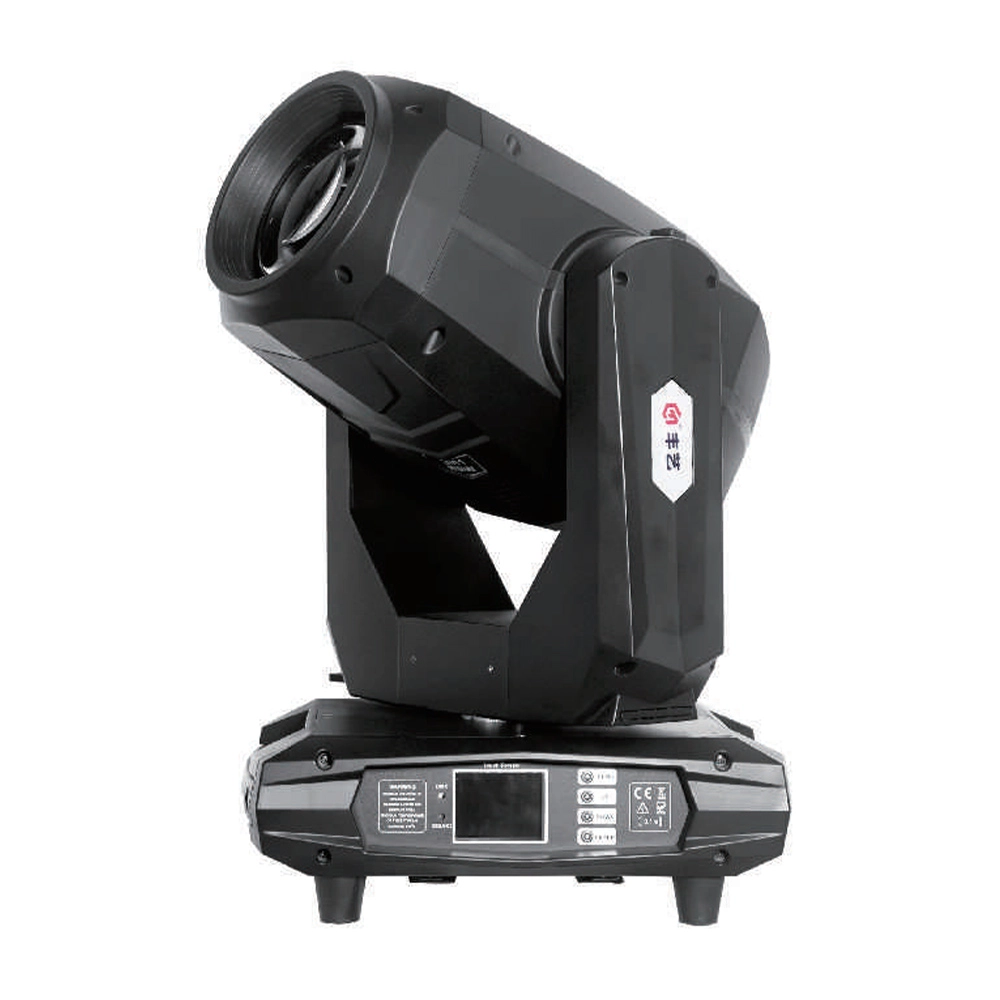
Fengyi 480W All-in-One Moving Head Beam Light Professional Stage Lighting FY-BM-10003
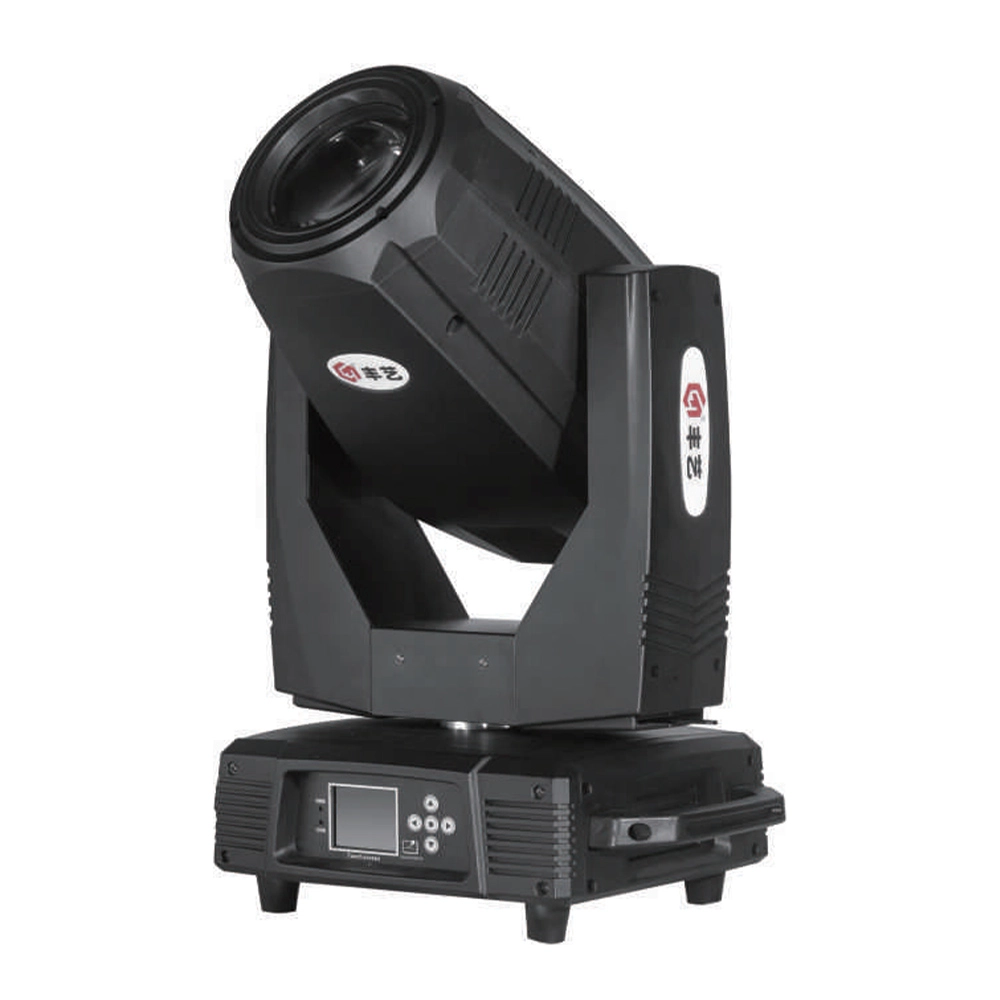
Fengyi 380W Intelligent Moving Head Stage Lights All-in-One System FY-BM-10002
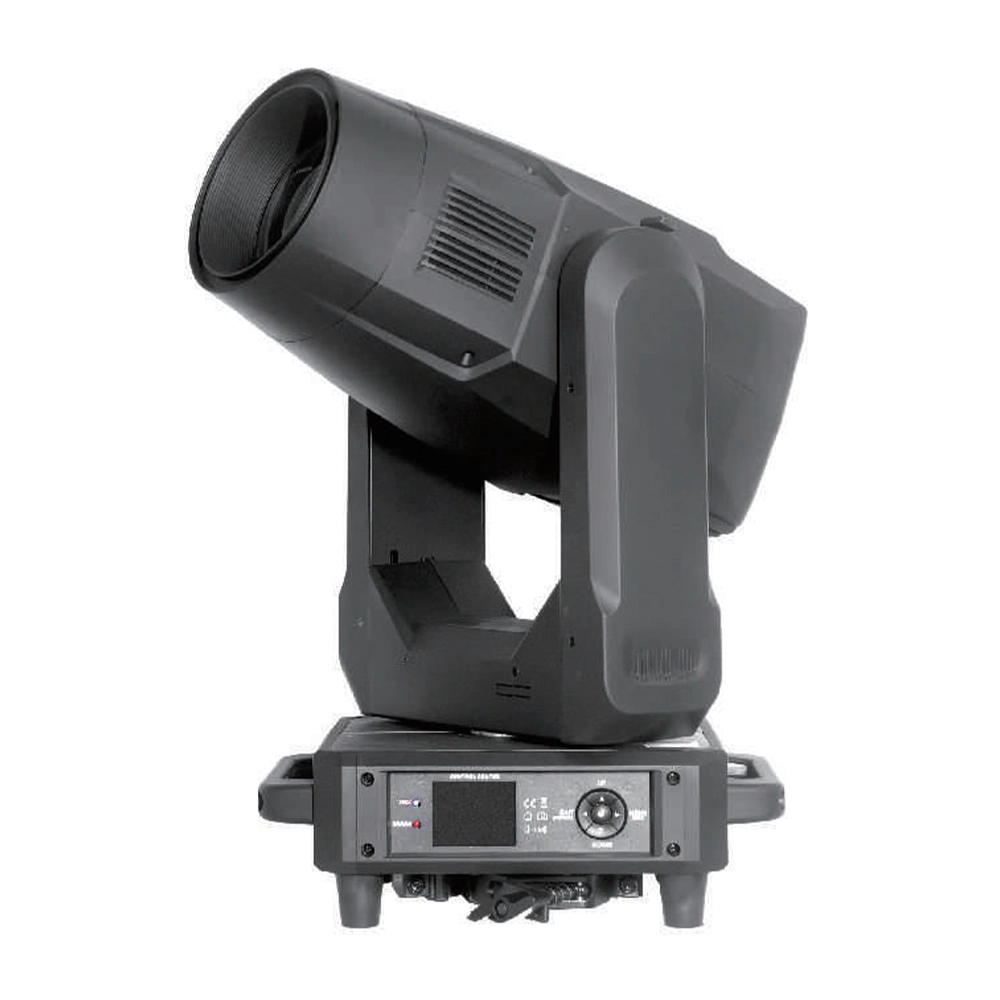
Fengyi 700W Profile Cutting Stage Moving Head Light Professional Event Fixture FY-SP-20003
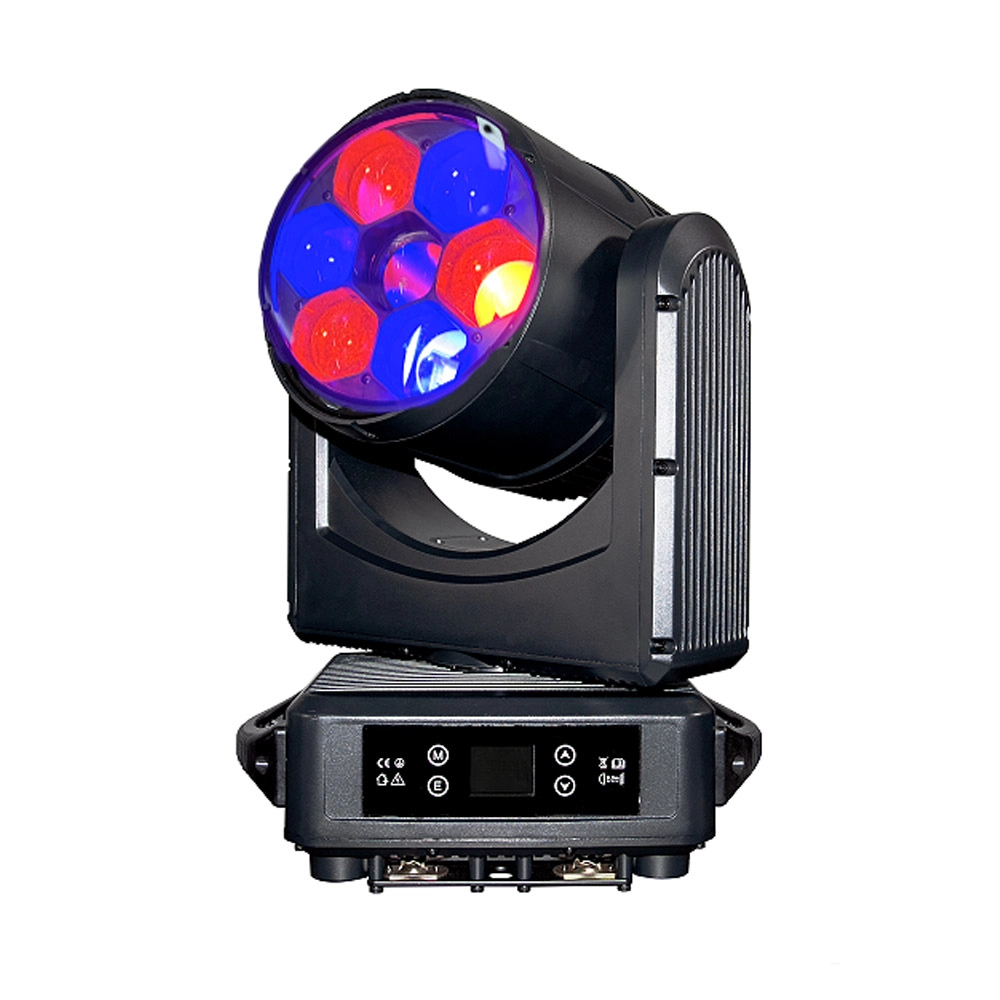
Fengyi 7x60W Waterproof Bee Eye Moving Head Professional LED Stage Lights for Concerts
The Fengyi 7*60 Waterproof Bee Eye offers powerful LED stage lights for concerts with reliable moving head stage lights and DMX control. Designed for outdoor use, it ensures vibrant, dynamic lighting performance in all weather, perfect for professional stage and event setups.
Contact
Building 5, No. 34, Fuyuan Road, Jinghu Industrial Zone, Xinhua Town, Huadu District, Guangzhou, China.
WhatsApp: +86 181 2742 0174
Tel. +86(20) 8642 3596
Ph. +86 150 1870 4285
More information
© 2026 Fengyi. All Rights Reserved.
Fengyi Light
Fengyi Light
Fengyi Light
Fengyilighting