
How Do Moving Head Lights Work? (Simple Technical Breakdown)
- 1. What Is a Moving Head Light and Why It Matters in Stage Lighting
- 2. Core Structure: How a Moving Head Light Is Built
- 3. How Movement Works: Pan, Tilt, and Motor Control System
- 4. Light Engine System: How the Beam Is Generated and Controlled
- 5. Color, Gobo, and Effect System: How Light Becomes Visual Design
- 6. DMX Control System: The “Brain” Behind Intelligent Lighting
- 7. How a Moving Head Light Works in Real Operation
- 8. Conclusion: The Simple Engineering Behind Intelligent Stage Lighting
- 9. FAQ
- What is the main function of a moving head light?
- How moving head lights work in simple terms?
- What controls a moving head light?
- What is the difference between beam, spot, and wash moving head lights?
- Are LED moving head lights better than traditional lamp models?
- Can multiple moving head lights work together?
- Where are moving head lights commonly used?
1. What Is a Moving Head Light and Why It Matters in Stage Lighting
Moving head lights are intelligent stage lighting fixtures that integrate mechanical movement, optical output, and digital control into a single system. Unlike traditional static stage lights, they can rotate freely in multiple directions while changing color, shape, and intensity in real time.
In professional lighting systems such as concerts, clubs, TV studios, and touring events—products like those from Fengyi Lighting are widely used because they combine flexibility and precision in one fixture.
The key difference is not just “brightness,” but the ability to dynamically design light movement as part of the visual performance.
2. Core Structure: How a Moving Head Light Is Built
A moving head light is built with two main sections: a fixed base and a moving head. These two parts work together as a coordinated system.
|
Component |
Function |
What It Contains |
|
Base |
Stability + control hub |
Power supply, DMX board, signal processing |
|
Moving Head |
Light output + motion |
LED engine, lenses, color/gobo system, motors |
The base remains fixed on a truss or stage rigging system, while the head moves freely using motorized joints. This separation allows the fixture to maintain stability while delivering complex motion effects.
3. How Movement Works: Pan, Tilt, and Motor Control System
The defining feature of moving head lights is their ability to move precisely in two axes:
- Pan movement (left and right rotation)
- Tilt movement (up and down rotation)
These movements are powered by high-precision stepper motors controlled by digital signals.
Instead of manual adjustment, every position is programmable, meaning lighting designers can predefine motion paths that repeat perfectly across performances.
Movement Comparison Overview
|
Function |
Range |
Purpose |
|
Pan |
~540° rotation |
Horizontal sweeping effects |
|
Tilt |
~270° rotation |
Vertical beam positioning |
This mechanical precision is what allows moving head lights to create synchronized stage visuals across multiple fixtures.
4. Light Engine System: How the Beam Is Generated and Controlled
Inside the moving head, the light source is typically a high-power LED module designed for efficiency and stability.
The optical system includes reflectors, lenses, and cooling structures that determine beam quality and projection distance.
Compared to traditional halogen or discharge lamps, LED-based systems offer:
|
Feature |
LED Moving Head |
Traditional Lamp |
|
Power efficiency |
High |
Low |
|
Heat output |
Low |
High |
|
Lifespan |
Long |
Short |
|
Color switching |
Instant |
Mechanical filters |
This makes modern moving head lights more suitable for continuous professional use in touring and installations.
5. Color, Gobo, and Effect System: How Light Becomes Visual Design
Beyond illumination, moving head lights are designed for visual storytelling.
Inside the fixture, multiple effect systems work together:
- Color mixing system (RGB or RGBW)
- Gobo wheel for pattern projection
- Prism for beam splitting effects
- Frost filter for soft atmospheric lighting
Instead of producing a single beam of light, the fixture can project shapes, textures, and layered lighting effects that enhance stage depth and mood.
6. DMX Control System: The “Brain” Behind Intelligent Lighting
All moving head lights rely on DMX512 control protocol, which acts as the communication bridge between the lighting console and the fixture.
Each lighting function is assigned a channel, allowing precise real-time control over movement, color, and effects.
DMX Control Function Breakdown
|
Function |
DMX Control Role |
|
Pan/Tilt |
Position control |
|
Color |
RGB / color wheel selection |
|
Dimmer |
Brightness adjustment |
|
Strobe |
Flash speed control |
|
Gobo |
Pattern selection |
This system allows hundreds of fixtures to be synchronized into one unified lighting design.
7. How a Moving Head Light Works in Real Operation
To understand the system clearly, here is how a moving head light operates in real stage conditions:
- A lighting designer first programs scenes into a console. The console then sends DMX signals to each fixture. The internal controller interprets the data and activates motors, color systems, and LED output simultaneously.
- In milliseconds, the fixture adjusts its position, brightness, and effects to match the programmed scene. When multiple units operate together, they create synchronized lighting choreography across the entire stage.
8. Conclusion: The Simple Engineering Behind Intelligent Stage Lighting
At its core, a moving head light is a combination of three systems working together:
- Mechanical motion (pan and tilt motors)
- Optical output (LED and lens system)
- Digital control (DMX communication)
When combined, they transform a static light source into a programmable visual instrument capable of shaping entire stage experiences.
9. FAQ
What is the main function of a moving head light?
A moving head light is designed to provide directional, controllable, and programmable stage lighting. Unlike fixed lights, it can rotate horizontally and vertically while changing color, shape, and intensity, making it suitable for dynamic stage environments like concerts, clubs, and events.
How moving head lights work in simple terms?
In simple terms, moving head lights work by combining motorized movement, LED light output, and digital DMX control. A lighting console sends signals to the fixture, which then adjusts its position, color, and effects automatically based on programmed instructions.
What controls a moving head light?
Moving head lights are controlled using the DMX512 protocol, a standard communication system in stage lighting. Each function—such as pan, tilt, brightness, and color—is assigned to a channel and controlled through a lighting console or software.
What is the difference between beam, spot, and wash moving head lights?
|
Type |
Main Feature |
Typical Use |
|
Beam |
Narrow, high-intensity light |
Long-distance effects, concerts |
|
Spot |
Focused light with gobos |
Stage storytelling, patterns |
|
Wash |
Wide soft lighting |
Background and color coverage |
Each type serves a different role in a professional lighting setup, and many manufacturers (including Fengyi Lighting) also offer hybrid models combining these functions.
Are LED moving head lights better than traditional lamp models?
Yes, in most modern applications. LED moving head lights offer:
- Lower energy consumption
- Longer lifespan
- Faster color switching
- Lower heat output
- Reduced maintenance cost
This makes them more suitable for long-term professional use such as touring and installation projects.
Can multiple moving head lights work together?
Yes. In professional setups, multiple moving head lights are synchronized through DMX or network control systems. This allows lighting designers to create coordinated lighting choreography, where all fixtures move and change effects in perfect timing.
Where are moving head lights commonly used?
- Moving head lights are widely used in:
- Live concerts and music festivals
- Nightclubs and entertainment venues
- TV studios and broadcast sets
- Corporate events and exhibitions
- Architectural lighting installations
Their flexibility makes them a core component of modern stage lighting systems.
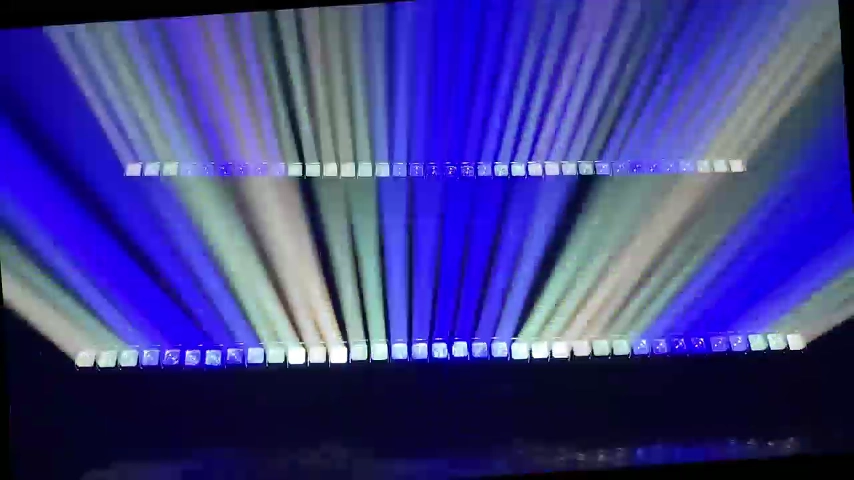
How Do Moving Head Lights Work? (Simple Technical Breakdown)
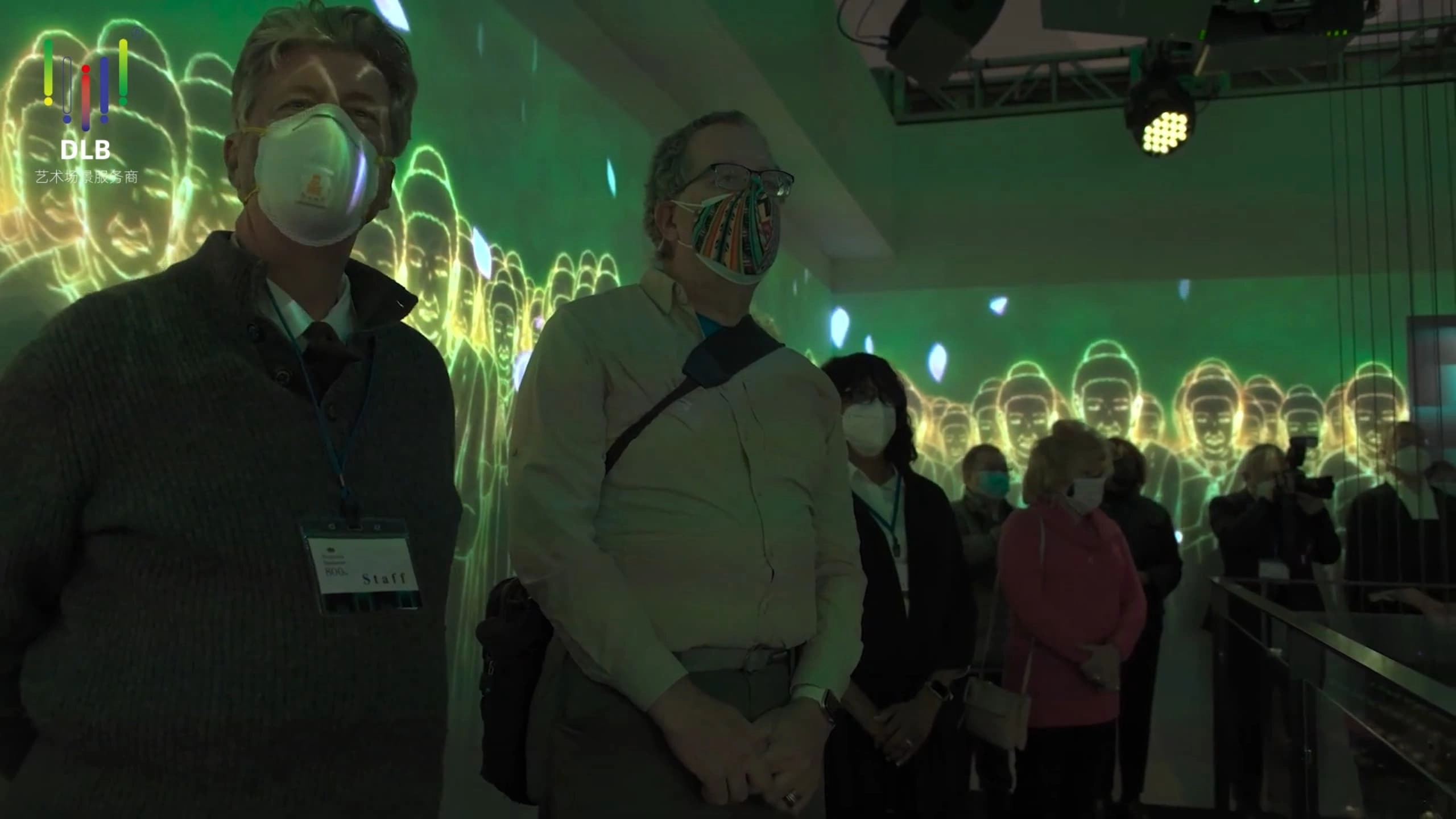
Divine Light Through a Thousand Years – Lighting Design & Application Sharing for the 800th Anniversary of the Great Saint’s Birth in Japan
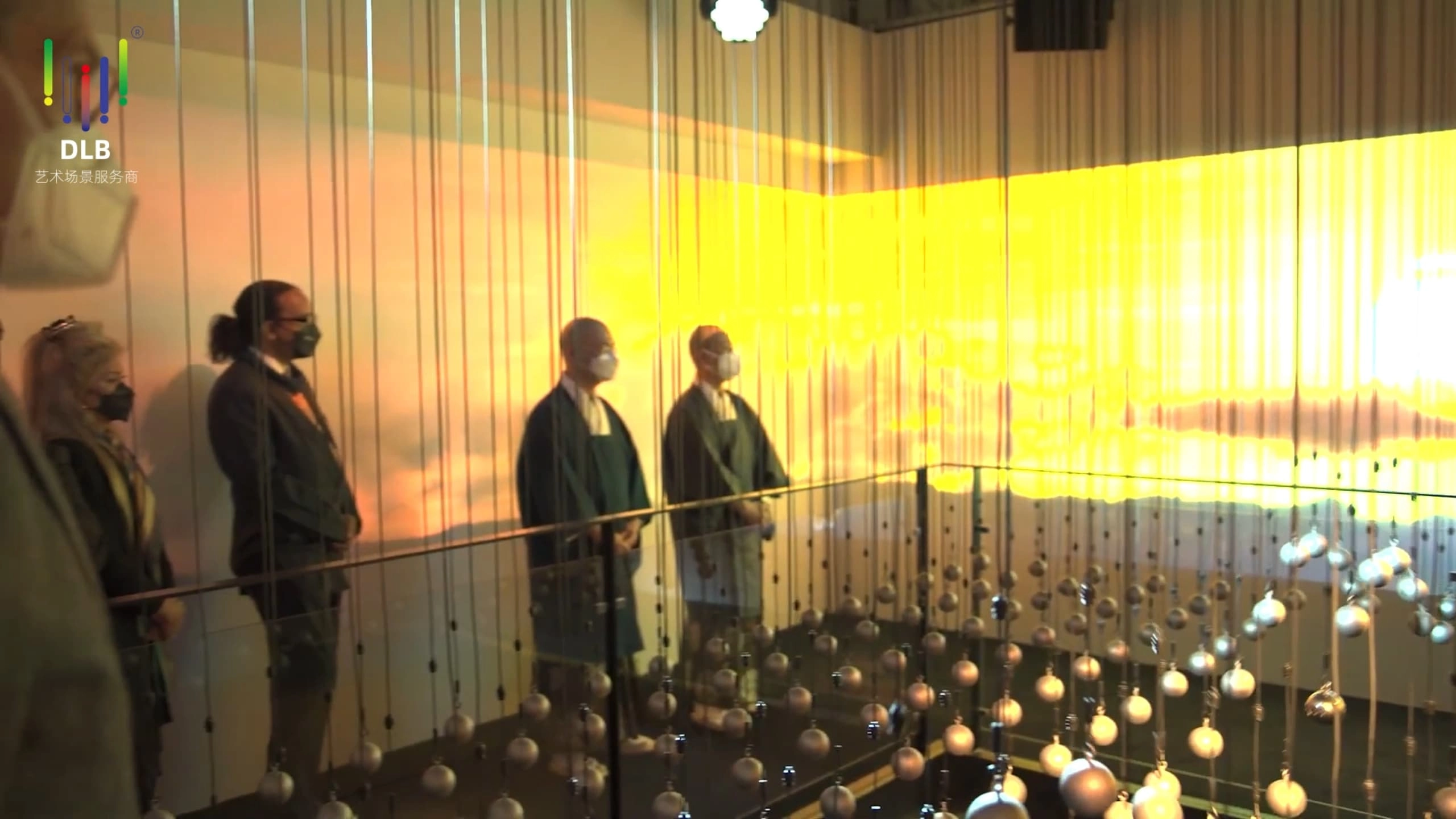
Divine Light Through a Thousand Years Analysis of Lighting Design & Application for the 800th Anniversary of the Great Saint’s Birth in Japan
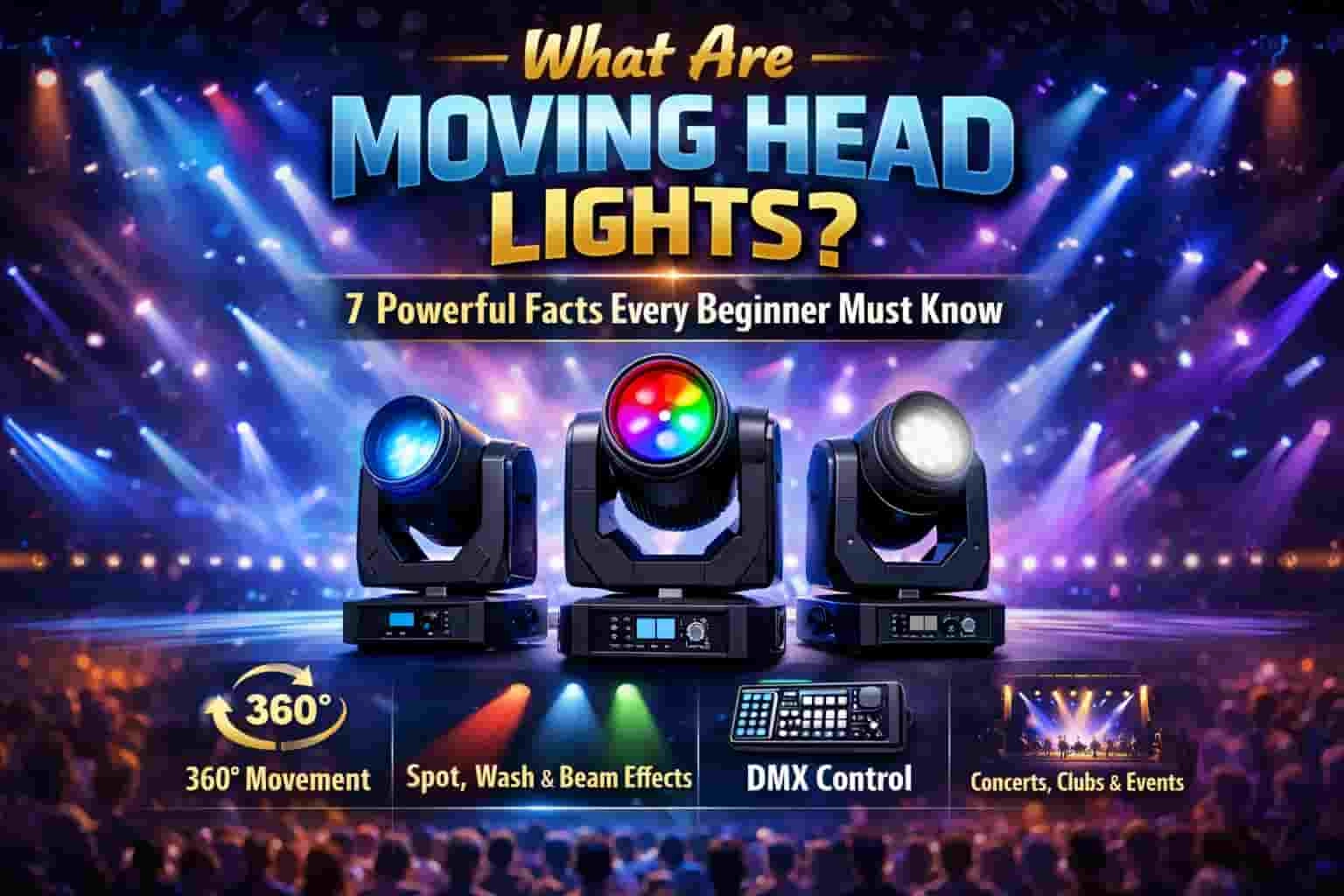
What Are Moving Head Lights? 7 Powerful Facts Every Beginner Must Know
Design & Application
What details should be noted in stage light design for wedding events?
Wedding stage lights should create a romantic, warm atmosphere, avoid harsh or intense strobing, and feature dedicated key lighting for key moments: entrance, vows, cake-cutting, and first dances.
Creativity & Special Effects
What strict safety regulations apply to laser stage lights in performances?
Laser stage lights above a certain power threshold require official registration. They must be operated by certified technicians, with beams prevented from directly hitting audience eyes, plus safe scanning zones and emergency shutoff systems.
How to synchronize stage lights with moving mechanical lifts?
Use a central show control system to synchronize mechanical and lighting consoles via timecode or network. As lifts move, pre-programmed stage light cues are triggered simultaneously.
Control & Programming
What is a “Macro” in stage light control?
A Macro is a shortcut command that records a series of complex stage light operations into one button. It is used to quickly recall complex scenes or run self-tests.
What is the difference between Art-Net and traditional DMX cables for controlling stage lights?
Art-Net is an Ethernet-based protocol that transmits DMX data. It carries multiple DMX universes over a single network cable, enabling long-distance, networked control of stage lights with greater flexibility than traditional wiring.
Technology & Parameters
How important is color temperature to stage light design?
Color temperature is a key parameter in stage light design. It defines the warm or cool tone of light (such as warm yellow or cool blue) and directly affects scene atmosphere and skin tone reproduction.
Equipment & Installation
What general principles apply to the mounting height and angle of stage lights?
A general rule for front-facing stage lights: mounting height should be at least half the width of the performance area, with a vertical angle of 30–45 degrees to minimize unwanted shadows under performers.
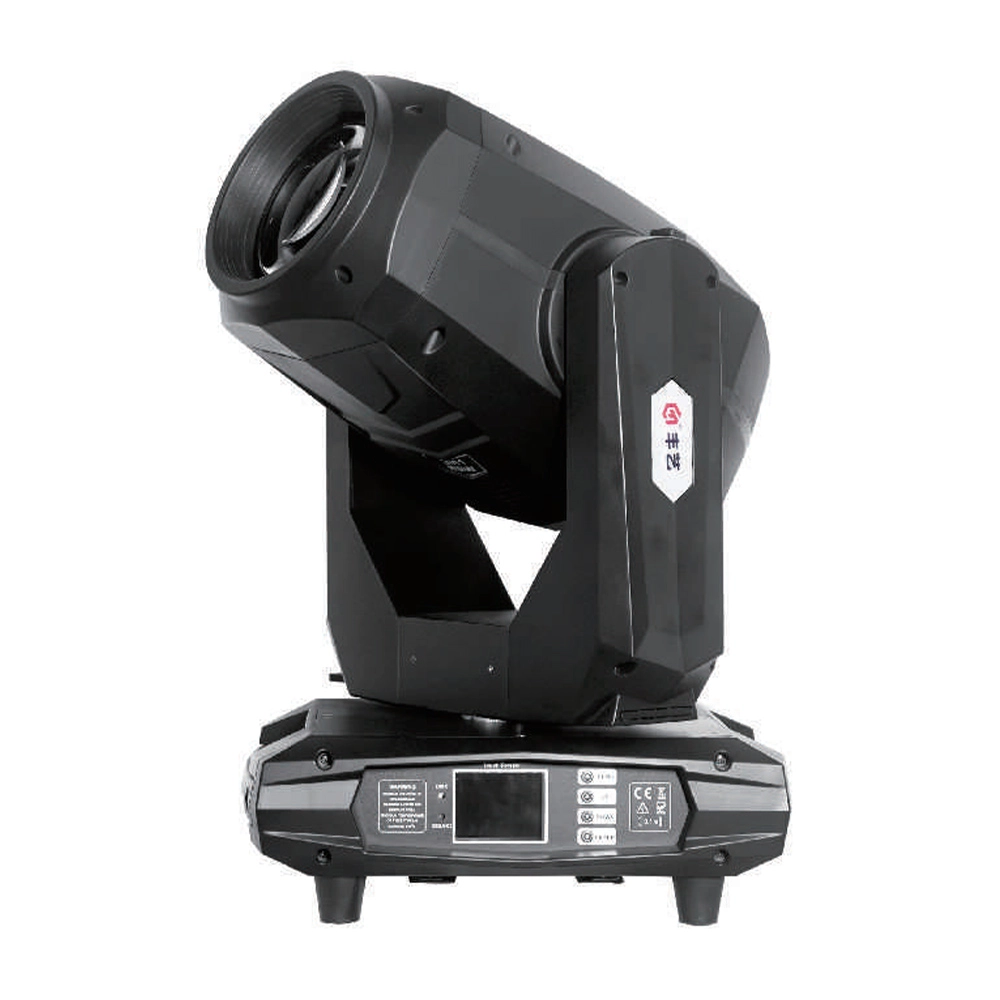
Fengyi 480W All-in-One Moving Head Beam Light Professional Stage Lighting FY-BM-10003
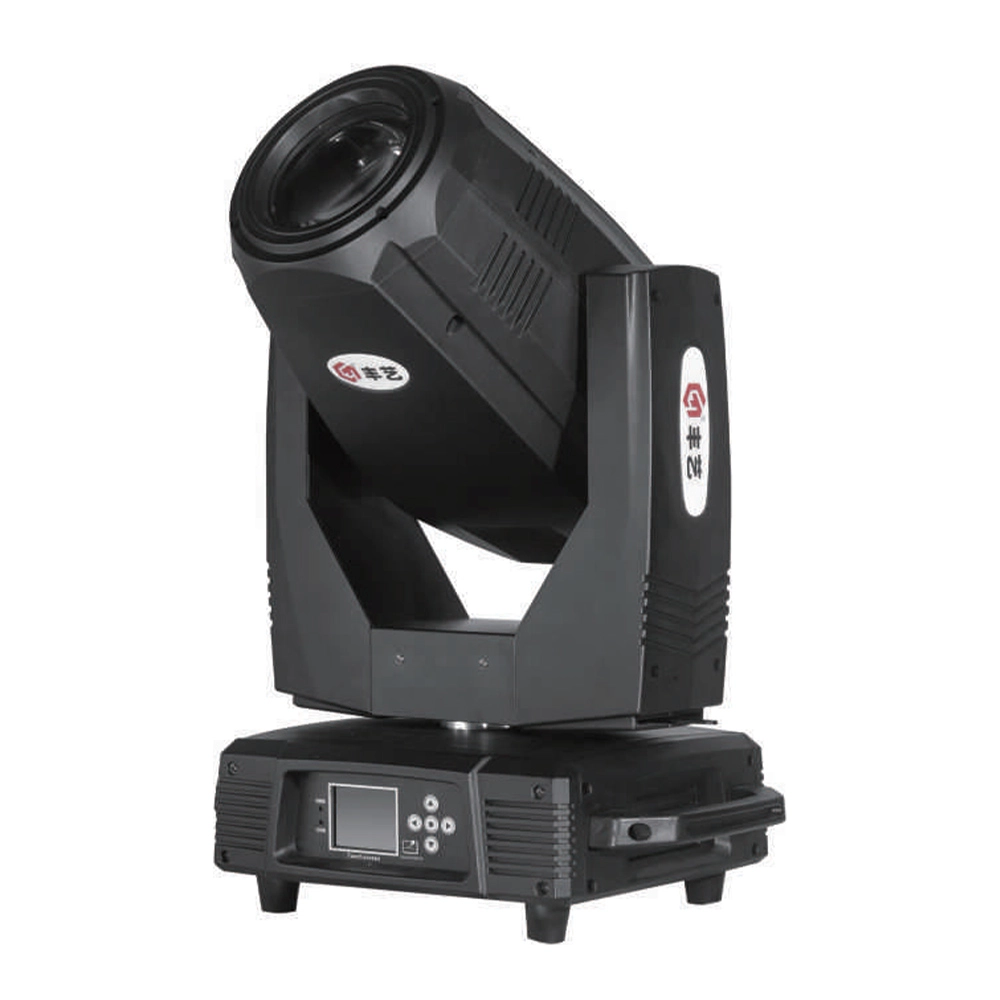
Fengyi 380W Intelligent Moving Head Stage Lights All-in-One System FY-BM-10002
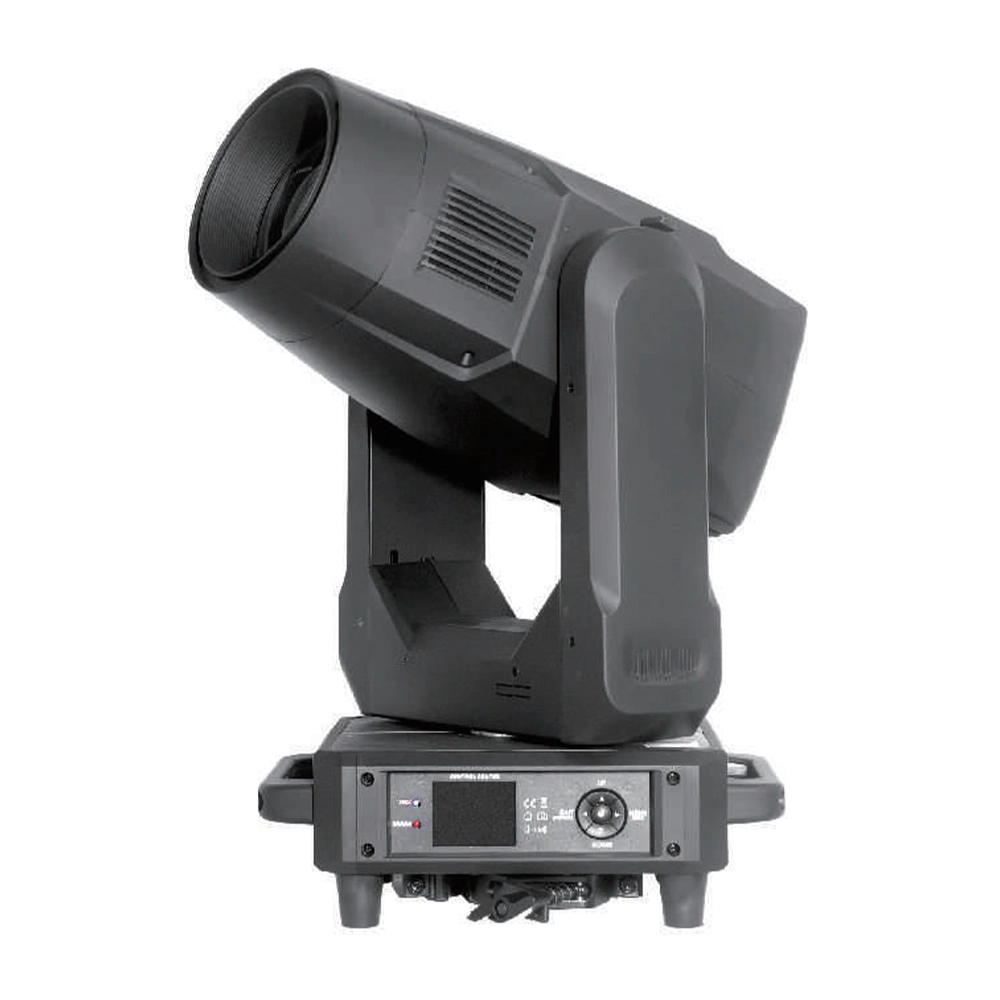
Fengyi 700W Profile Cutting Stage Moving Head Light Professional Event Fixture FY-SP-20003
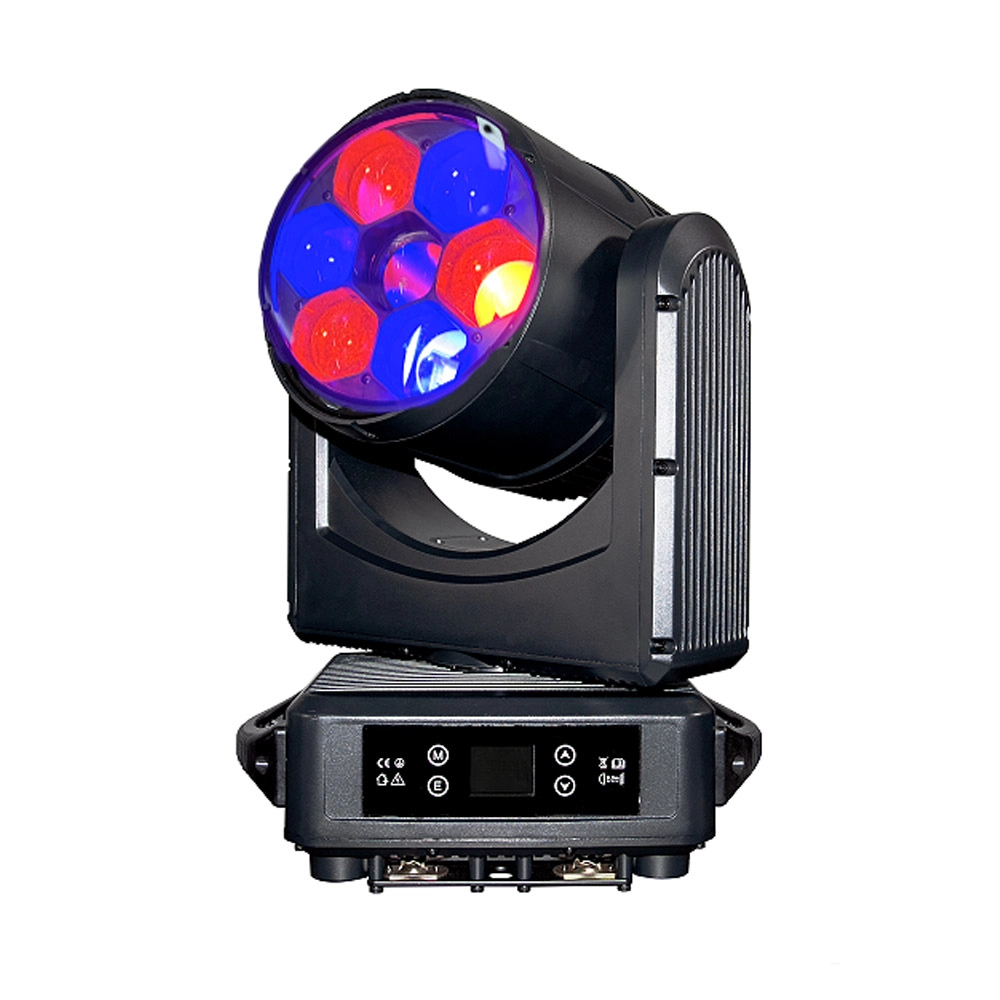
Fengyi 7x60W Waterproof Bee Eye Moving Head Professional LED Stage Lights for Concerts
The Fengyi 7*60 Waterproof Bee Eye offers powerful LED stage lights for concerts with reliable moving head stage lights and DMX control. Designed for outdoor use, it ensures vibrant, dynamic lighting performance in all weather, perfect for professional stage and event setups.
Inquire About Our Moving Head Stage Lights
* Fill The Form
Contact
Building 5, No. 34, Fuyuan Road, Jinghu Industrial Zone, Xinhua Town, Huadu District, Guangzhou, China.
WhatsApp: +86 181 2742 0174
Tel. +86(20) 8642 3596
Ph. +86 150 1870 4285
More information
© 2026 Fengyi. All Rights Reserved.
Fengyi Light
Fengyi Light
Fengyi Light
Fengyilighting