
What Are Moving Head Lights? 7 Powerful Facts Every Beginner Must Know
- Introduction to Moving Head Lights
- What Are Moving Head Lights?
- How Moving Head Lights Work
- Types of Moving Head Lights
- Types of Moving Head Lights Overview
- Key Features of Moving Head Lights
- Benefits of Using Moving Head Lights
- Where Are Moving Head Lights Used?
- How to Choose the Right Moving Head Lights
- Beginner Tips for Using Moving Head Lights
- Common Mistakes to Avoid
- FAQs About Moving Head Lights
- Conclusion
Introduction to Moving Head Lights
Lighting plays a decisive role in shaping the atmosphere of any live event. Whether it is a concert, wedding, theater production, or nightclub show, lighting determines how audiences experience the performance. Among modern lighting technologies, moving head lights stand out as one of the most flexible and visually powerful solutions.
Over the years, stage lighting has evolved from static incandescent fixtures to intelligent systems capable of motion, color control, and programmable effects. Moving head lights represent the peak of this evolution, combining precision engineering with creative flexibility. They allow lighting designers to build immersive environments that react dynamically to music, performances, and stage design.
What Are Moving Head Lights?
Moving head lights are automated lighting fixtures designed to move in multiple directions while projecting controlled beams of light. Unlike traditional fixed lights, they are mounted on motorized bases that enable both horizontal (pan) and vertical (tilt) movement.
This mechanical movement is paired with advanced optical systems that allow the light to change colors, shapes, and effects in real time. As a result, a single fixture can produce dozens of visual variations without physical repositioning.
How Moving Head Lights Work
At their core, moving head lights combine mechanical motors with digital control systems. The movement is driven by internal stepper motors, which precisely control the direction and speed of the beam.
Instead of being manually adjusted, these lights are typically controlled through DMX systems or lighting software. This allows designers to synchronize lighting changes with music or stage cues.
A simple breakdown of their core functions:
|
Function |
Description |
|
Pan Movement |
Horizontal left-right rotation |
|
Tilt Movement |
Vertical up-down rotation |
|
Color Control |
RGB mixing or color wheel selection |
|
Effects |
Gobos, prisms, strobe, and beam shaping |
These combined features enable highly dynamic lighting scenes that would be impossible with traditional fixtures.
Types of Moving Head Lights
Moving head lights generally fall into three main categories, each serving a different lighting purpose. Understanding these differences is essential when selecting the right fixture for an event or installation.
Spot moving head lights are designed for precision. They produce a concentrated beam that can highlight performers or specific objects on stage. Wash moving head lights, on the other hand, are used to fill larger areas with smooth, even color, creating mood and atmosphere.
Beam moving head lights are the most dramatic, producing narrow and powerful beams that cut through haze or fog. These are commonly used in concerts and nightlife environments for high-impact visual effects.
Some modern fixtures combine all three functions into a single hybrid unit, offering maximum flexibility for professional setups.
Types of Moving Head Lights Overview
|
Type |
Beam Character |
Main Use Case |
|
Spot Light |
Focused and precise |
Performer highlighting |
|
Wash Light |
Wide and soft |
Stage color filling |
|
Beam Light |
Narrow and intense |
Concert effects |
|
Hybrid Light |
Multi-functional |
Versatile productions |
Key Features of Moving Head Lights
One of the biggest advantages of moving head lights is their advanced feature set. These fixtures are designed not just for illumination but for creative expression.
Motorized movement allows full directional control, making it possible to design fluid lighting transitions. Programmable control systems give lighting operators the ability to predefine complex sequences, ensuring consistency during live performances.
Many units also include gobos, which project patterns such as textures or logos, as well as prisms that split beams into multiple rays for enhanced visual depth.
Rather than working as a simple light source, each fixture becomes a programmable visual instrument.
Benefits of Using Moving Head Lights
Moving head lights significantly enhance the visual quality of any event. Their ability to move, change color, and adapt effects in real time creates a more immersive audience experience.
They are also highly versatile. A single setup can be adapted for concerts, weddings, corporate events, and theatrical productions without requiring major hardware changes.
In addition, modern LED-based moving head lights are energy efficient. They produce high brightness while consuming less power compared to traditional lighting systems, reducing long-term operational costs.
Where Are Moving Head Lights Used?
These lights are widely used across the entertainment and events industry.
In concerts and festivals, they are essential for building energy and synchronizing visuals with music. In weddings and private events, they help transform venues into elegant or dynamic environments depending on the theme. In theater and stage productions, they support storytelling by shaping mood, focus, and atmosphere.
Their adaptability makes them a core component of modern lighting design.
How to Choose the Right Moving Head Lights
Choosing the right moving head lights depends on several practical factors. Instead of focusing only on price, it is more effective to consider the venue size, lighting objectives, and usage frequency.
Smaller venues typically benefit from compact fixtures with moderate brightness, while large stages require high-output professional models. It is also important to define whether the goal is focused spotlighting, wide coverage, or dynamic beam effects.
In most cases, a balanced combination of different light types provides the best overall result.
Beginner Tips for Using Moving Head Lights
For beginners, the key is to start simple and gradually explore advanced functions. Proper placement is critical—lights should be positioned to maximize coverage while avoiding direct exposure to the audience for extended periods.
Programming should begin with basic movements and color changes before moving into more complex sequences. Regular maintenance, such as cleaning lenses and checking cables, ensures stable performance and extends equipment lifespan.
Common Mistakes to Avoid
Many beginners make the mistake of overusing effects, which can make a show feel chaotic rather than professional. Another common issue is poor positioning, resulting in uneven stage coverage.
Neglecting maintenance is also a frequent problem that leads to reduced brightness and shortened fixture life. A balanced and well-planned lighting setup always produces better results than excessive effects.
FAQs About Moving Head Lights
1. What are moving head lights used for?
They are used in concerts, events, theaters, and entertainment venues to create dynamic lighting effects.
2. Are they beginner-friendly?
Yes, many entry-level models are designed for simple setup and operation.
3. What is the difference between beam and wash lights?
Beam lights create narrow, intense effects, while wash lights provide broad and soft illumination.
4. Do they consume a lot of power?
LED versions are energy efficient and consume significantly less electricity.
5. Can they be programmed?
Yes, most are controlled via DMX systems or lighting software.
Conclusion
Moving head lights have become an essential tool in modern stage and event lighting. Their ability to move, transform color, and generate complex effects makes them one of the most powerful visual technologies available today.
Whether you are just starting in event production or looking to upgrade your lighting setup, understanding how these fixtures work is the first step toward creating professional-level experiences.
If you’re planning to build or improve your stage lighting system, now is the perfect time to explore professional moving head light solutions. Investing in the right lighting equipment can instantly elevate the quality of your events and help you deliver unforgettable visual experiences.
👉 Start exploring advanced moving head lighting options today and bring your stage to life.
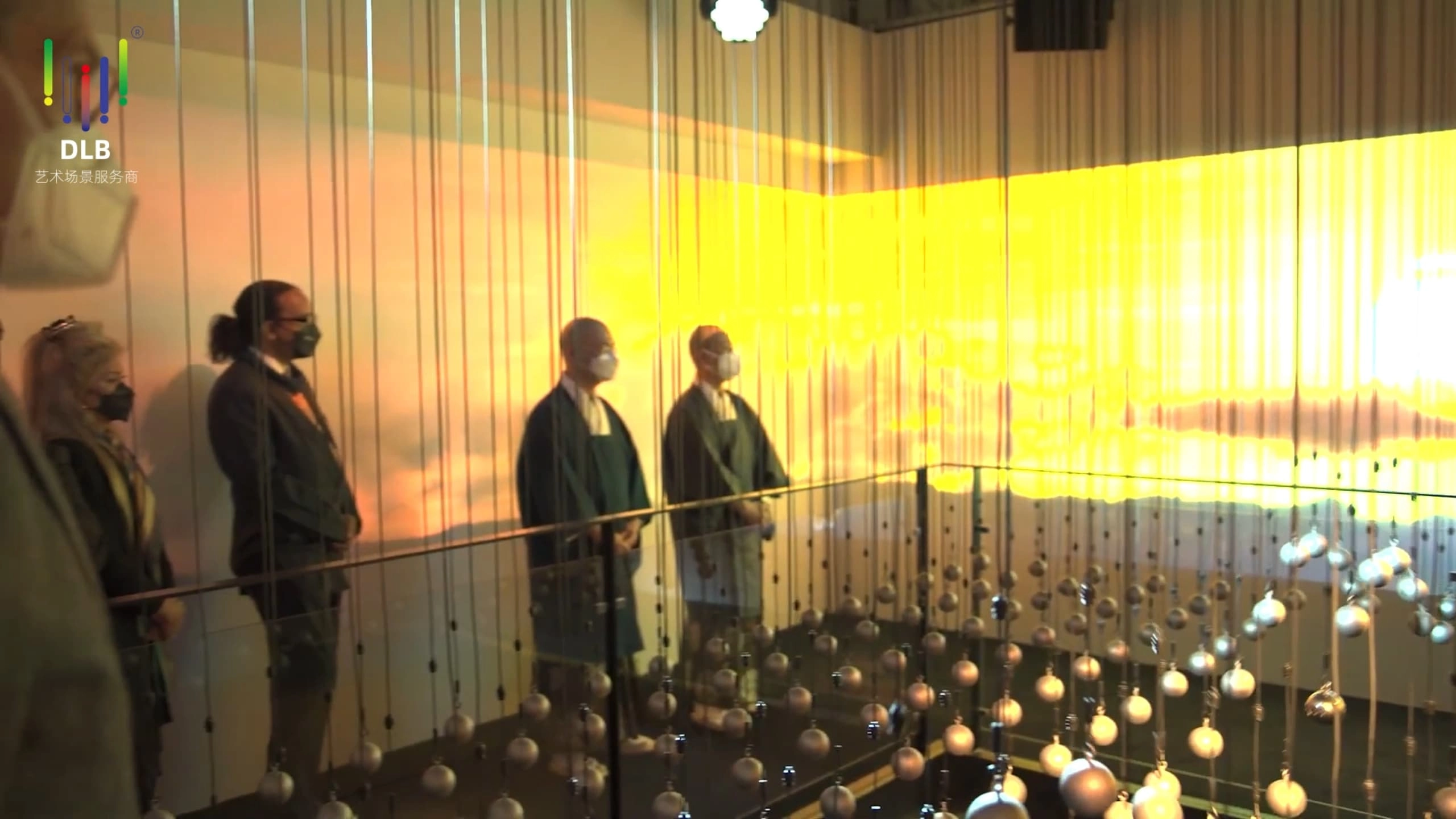
Divine Light Through a Thousand Years Analysis of Lighting Design & Application for the 800th Anniversary of the Great Saint’s Birth in Japan
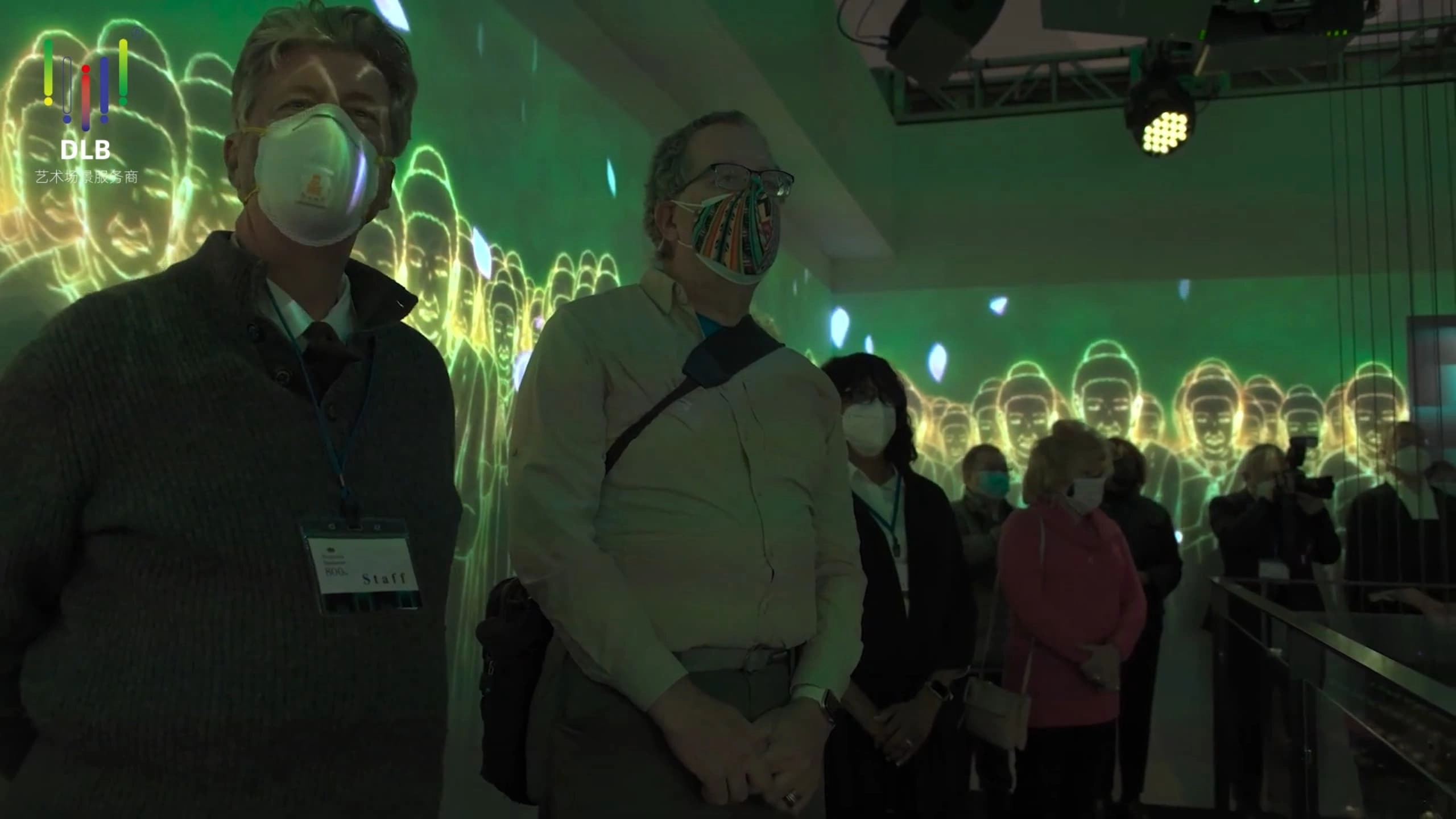
Divine Light Through a Thousand Years – Lighting Design & Application Sharing for the 800th Anniversary of the Great Saint’s Birth in Japan
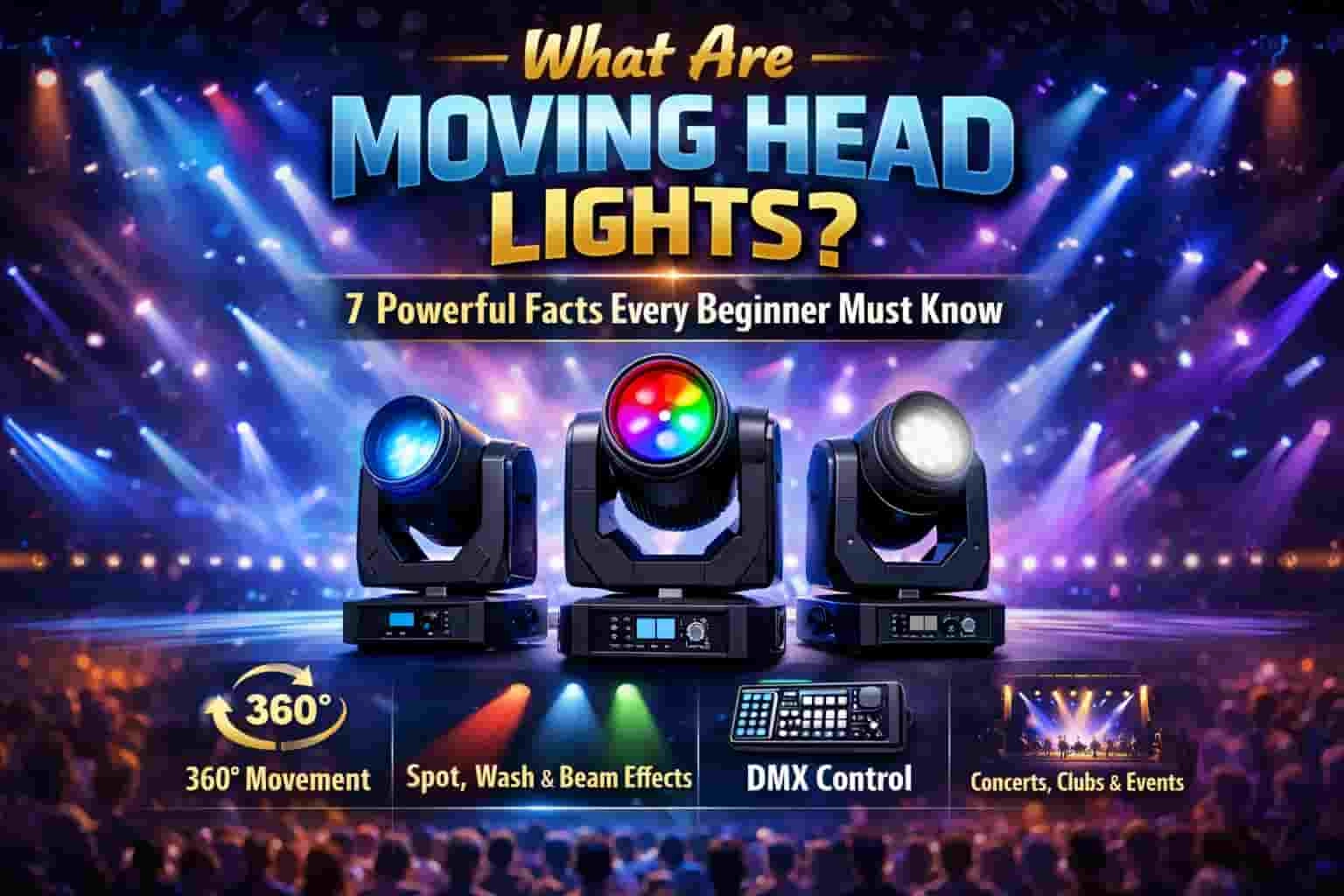
What Are Moving Head Lights? 7 Powerful Facts Every Beginner Must Know
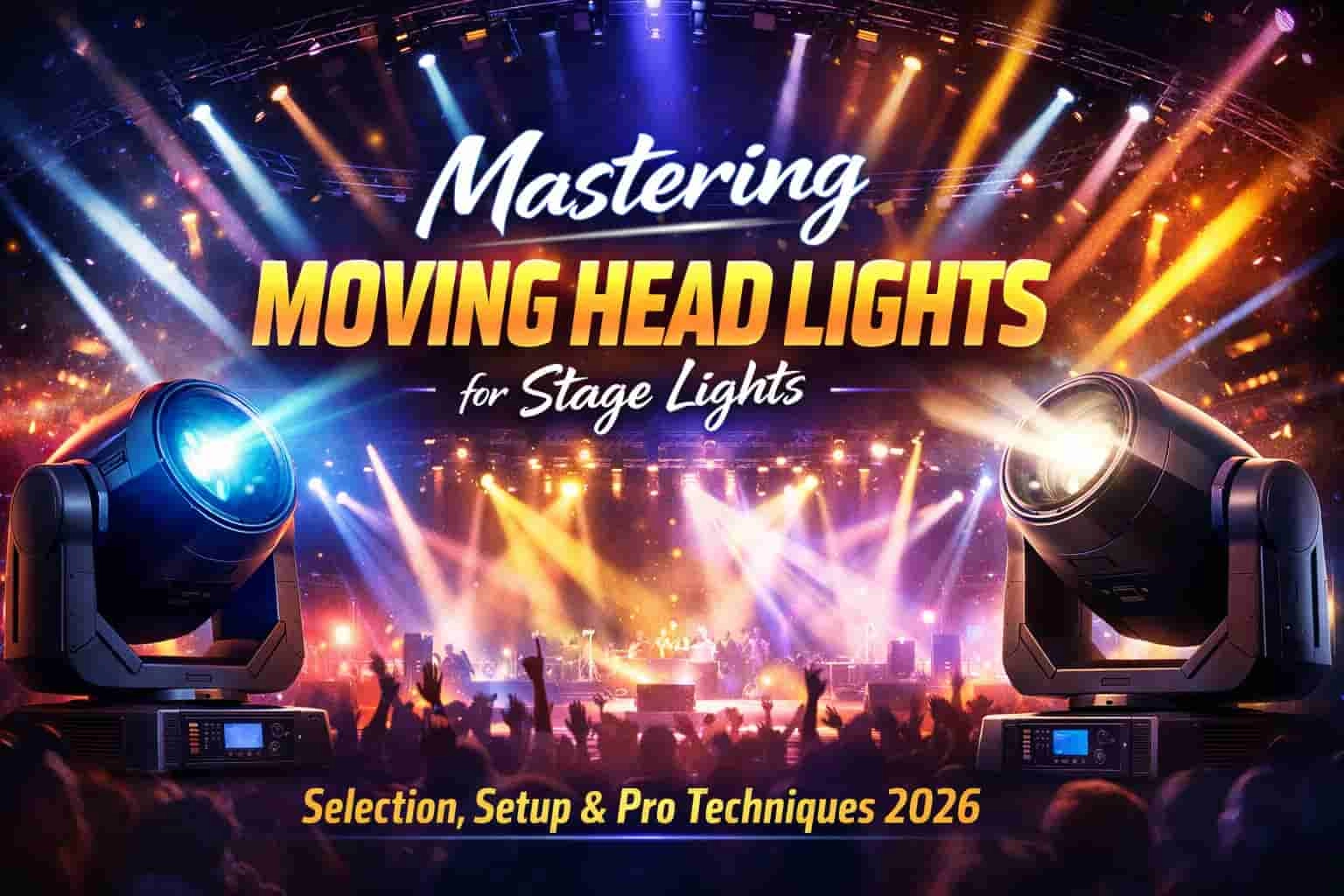
Mastering Moving Head Lights for Stage Lights: Selection, Setup & Pro Techniques 2026
Control & Programming
How to back up all programs for stage lights in the lighting console?
Most professional consoles allow saving the entire show file (including patch, cues, and presets for all stage lights) to a USB drive or networked computer for backup.
What is the difference between Art-Net and traditional DMX cables for controlling stage lights?
Art-Net is an Ethernet-based protocol that transmits DMX data. It carries multiple DMX universes over a single network cable, enabling long-distance, networked control of stage lights with greater flexibility than traditional wiring.
Maintenance & Safety
What are the main electrical safety standards for stage light systems?
Key standards include reliable grounding, adequately sized and protected power cables, residual-current and overcurrent protection in distribution panels, secure connections, and compliance with local codes such as NEC and IEC.
Creativity & Special Effects
How to synchronize stage lights with moving mechanical lifts?
Use a central show control system to synchronize mechanical and lighting consoles via timecode or network. As lifts move, pre-programmed stage light cues are triggered simultaneously.
Industry Trends & Purchasing
Which international brands represent top-tier quality in stage lights?
Top-tier stage light brands include Clay Paky, Robert Juliat, ETC (especially theater lights), GLP, and SGM, renowned for superior optics, reliability, and creative performance.
What parts should be inspected carefully when buying used stage lights?
Key checks:
Optical components (lenses, reflectors) for scratches or aging.
Smooth, quiet operation of moving head motors.
Functional buttons and connectors.
Light source usage hours.
Technology & Parameters
How to achieve smooth color fades with stage lights?
Use stage lights supporting high-resolution dimming, and program gentle, gradual value changes on RGB or color-mixing channels via the console to achieve seamless color transitions.
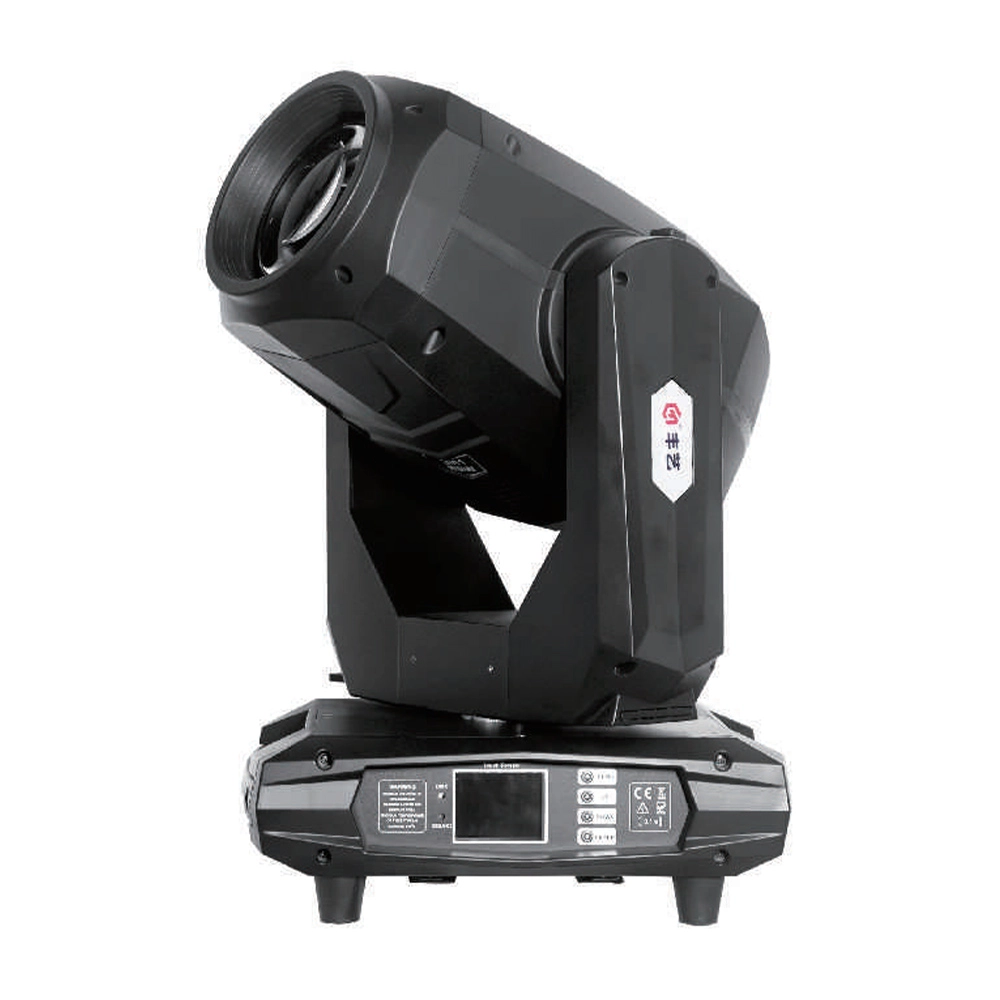
Fengyi 480W All-in-One Moving Head Beam Light Professional Stage Lighting FY-BM-10003
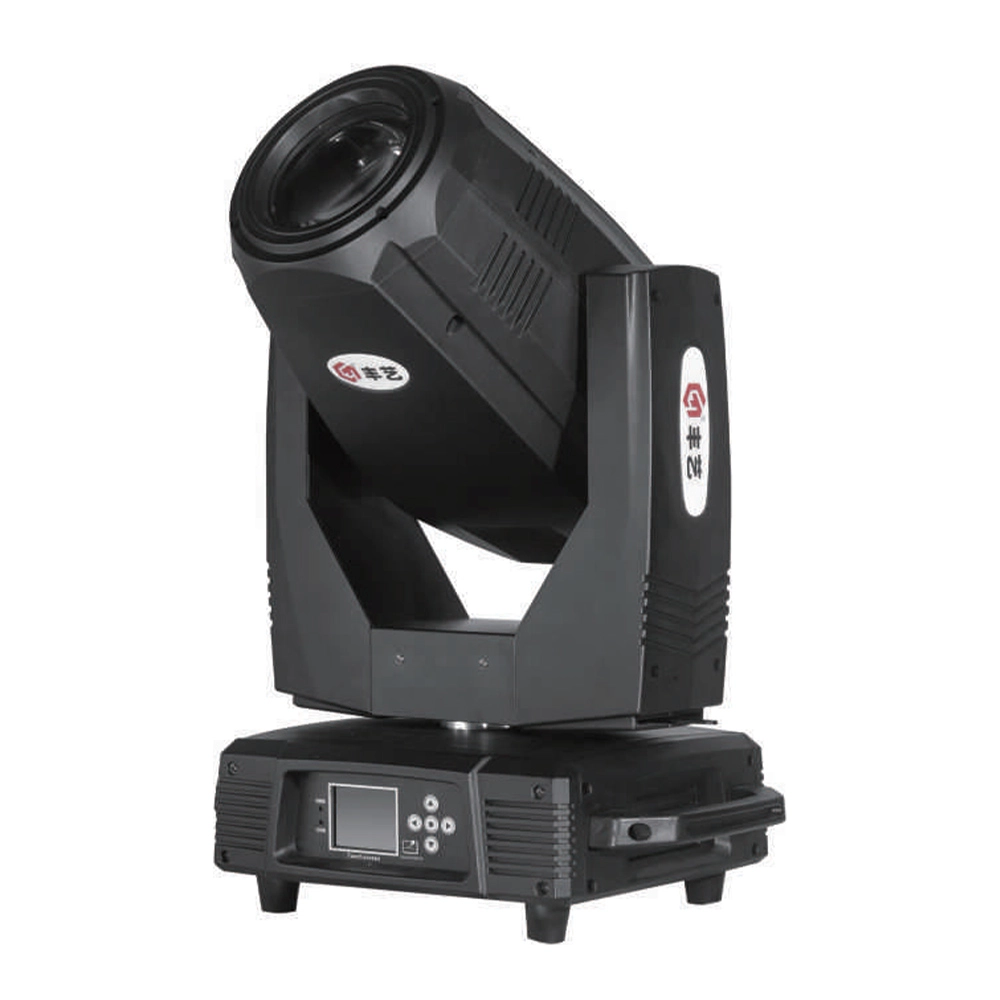
Fengyi 380W Intelligent Moving Head Stage Lights All-in-One System FY-BM-10002
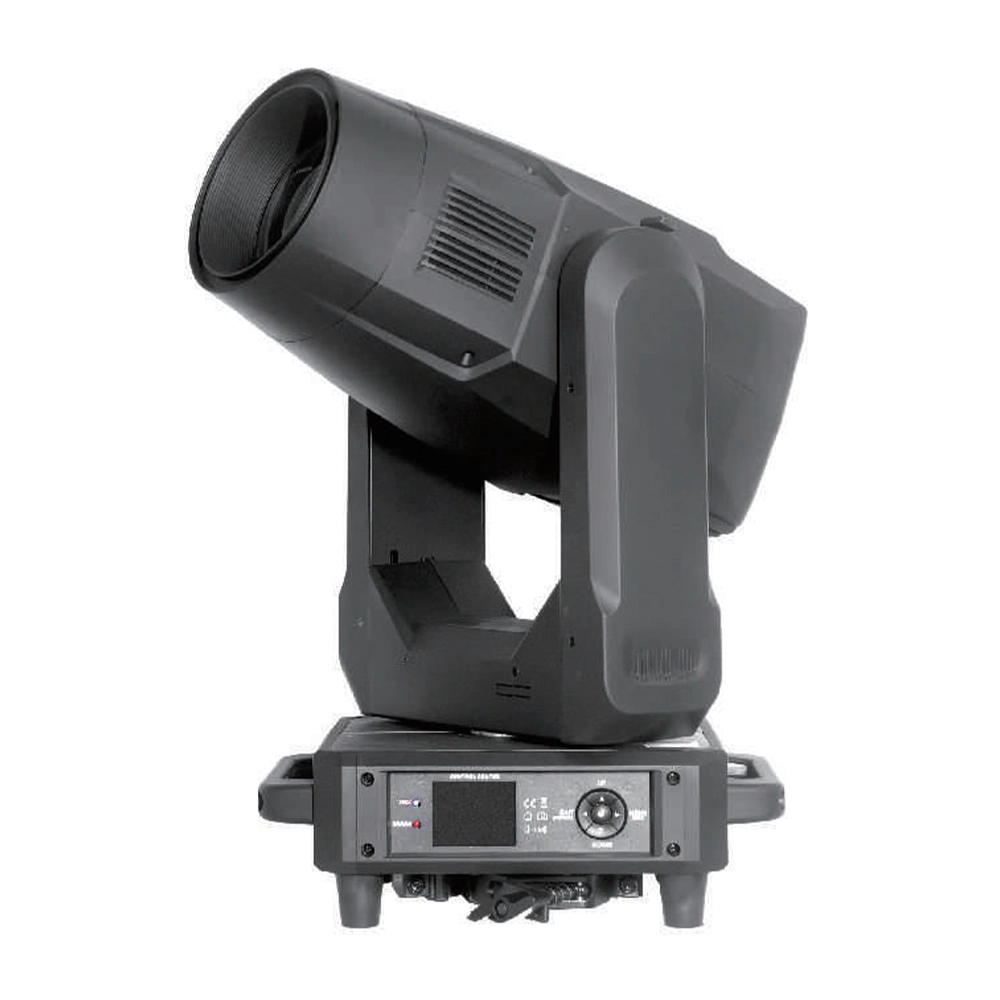
Fengyi 700W Profile Cutting Stage Moving Head Light Professional Event Fixture FY-SP-20003
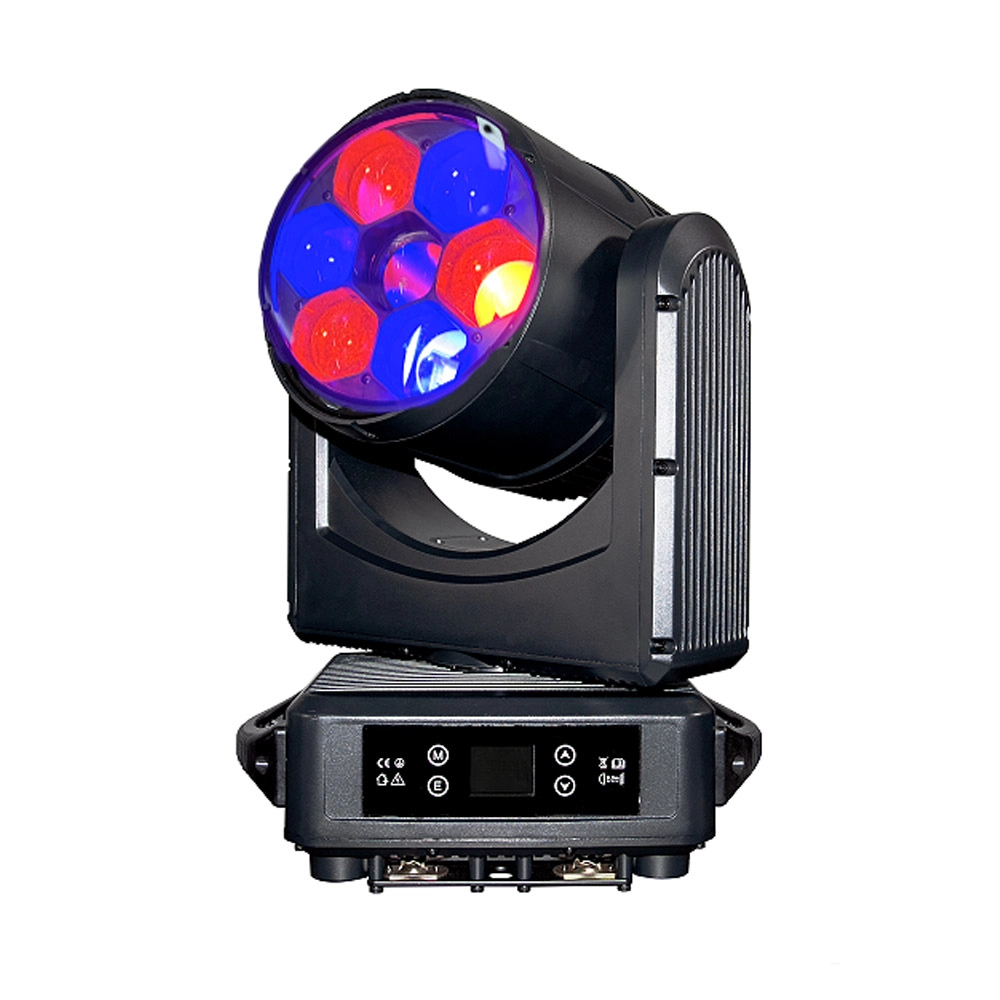
Fengyi 7x60W Waterproof Bee Eye Moving Head Professional LED Stage Lights for Concerts
The Fengyi 7*60 Waterproof Bee Eye offers powerful LED stage lights for concerts with reliable moving head stage lights and DMX control. Designed for outdoor use, it ensures vibrant, dynamic lighting performance in all weather, perfect for professional stage and event setups.
Inquire About Our Moving Head Stage Lights
* Fill The Form
Contact
Building 5, No. 34, Fuyuan Road, Jinghu Industrial Zone, Xinhua Town, Huadu District, Guangzhou, China.
WhatsApp: +86 181 2742 0174
Tel. +86(20) 8642 3596
Ph. +86 150 1870 4285
More information
© 2026 Fengyi. All Rights Reserved.
Fengyi Light
Fengyi Light
Fengyi Light
Fengyilighting