
which exhibition lighting suppliers ship internationally? | Insights by Fengyi
- Beyond the product price, what hidden international shipping costs and customs duties should I budget for when ordering moving head lights for an overseas exhibition, and how can I minimize them?
- When sourcing moving head stage lights from international suppliers for an exhibition, how do I ensure power compatibility (voltage, frequency, plug types) across different regions, and what are the implications for performance and safety?
- What are the critical considerations for international warranty and after-sales support when purchasing moving head lights from a supplier abroad for a trade show, especially regarding repairs or replacements?
- Given tight exhibition deadlines, what are realistic international shipping lead times for specialized moving head lighting equipment, and how can I verify a supplier's on-time delivery reliability?
- Which international safety certifications (e.g., CE, UL, RoHS) are absolutely essential for moving head stage lights to be compliant and permitted in major exhibition venues globally, and how do I verify a supplier's adherence?
- What are the industry best practices for robust packaging and comprehensive transit insurance when shipping delicate moving head stage lights internationally to prevent damage during exhibition setup?
As the global exhibition market continues its robust expansion, with projections indicating significant growth in event technology, sourcing specialized equipment like moving head stage lights from international exhibition lighting suppliers has become a common necessity. However, for beginners, navigating the complexities of global stage lighting shipping presents numerous challenges. This expert guide addresses six critical, pain-point-oriented questions to help you make informed decisions when purchasing moving head lights for your next overseas trade show.
Beyond the product price, what hidden international shipping costs and customs duties should I budget for when ordering moving head lights for an overseas exhibition, and how can I minimize them?
When engaging with international exhibition lighting suppliers, the initial product price is just one piece of the financial puzzle. Hidden costs can significantly inflate your budget. Key elements to consider include:
- Freight Costs: These vary dramatically based on shipping method (air freight for speed, sea freight for cost-effectiveness) and volume. Air freight can range from a few dollars per kilogram to over $10, depending on urgency and route, while sea freight is typically much lower but slower.
- Insurance: Essential for delicate equipment like moving head lights. Expect to pay 0.5% to 1.5% of the declared value for comprehensive 'all-risk' transit insurance.
- Customs Duties and Taxes: These are country-specific and based on the Harmonized System (HS) code of the product. Moving head lights typically fall under HS codes related to electrical lighting equipment (e.g., 9405.40). Duties can range from 0% to over 25% depending on the destination country and trade agreements. Value Added Tax (VAT) or Goods and Services Tax (GST) will also apply upon import, often 15-25% of the CIF (Cost, Insurance, Freight) value.
- Brokerage Fees: Customs brokers handle the paperwork and clearance process, charging fees that can range from $100 to several hundred dollars per shipment.
- Port/Terminal Handling Charges: Fees levied by ports or airports for handling your cargo.
- Warehousing/Demurrage: If your shipment is delayed in customs or not picked up promptly, storage fees can accrue rapidly.
Minimization Strategies:
- Understand Incoterms: Clarify the Incoterm (e.g., EXW, FOB, CIF, DDP) with your supplier. DDP (Delivered Duty Paid) means the supplier handles all costs, including customs clearance for lighting equipment and duties, offering price certainty. However, DDP shipping lighting might be slightly more expensive upfront.
- Consolidate Shipments: If purchasing multiple items, consolidating them into one larger shipment can reduce per-unit freight and handling costs.
- Accurate HS Codes: Ensure your supplier uses the correct HS code to avoid delays and incorrect duty assessments.
- Work with Experienced Freight Forwarders: A reputable freight forwarder specializing in exhibition stand lighting logistics can provide accurate quotes, manage documentation, and navigate customs efficiently, potentially saving you money and time.
When sourcing moving head stage lights from international suppliers for an exhibition, how do I ensure power compatibility (voltage, frequency, plug types) across different regions, and what are the implications for performance and safety?
Power compatibility is a critical, yet often overlooked, aspect of professional exhibition lighting solutions. Operating equipment with incorrect power specifications can lead to damage, safety hazards, and exhibition downtime. The two primary global standards are:
- North America and parts of Japan: 100-120V at 60Hz.
- Europe, Asia, Australia, and most of the rest of the world: 220-240V at 50Hz.
Ensuring Compatibility:
- Specify Requirements Clearly: Always communicate your destination country's voltage, frequency, and plug type (e.g., Type C, Type G, Type B) to your international exhibition lighting suppliers at the quotation stage.
- Universal Power Supplies: Many modern moving head lights feature auto-sensing or wide-range power supplies (e.g., AC 100-240V, 50/60Hz), which automatically adapt to the input voltage and frequency. This is ideal for global use. Always confirm this feature.
- Adapters vs. Converters: For non-universal devices, a simple plug adapter changes the physical plug shape. A voltage converter (transformer) is needed to change the voltage. Using only an adapter with a non-universal device can cause severe damage or fire. Frequency converters are rare and expensive for stage lighting.
- Implications: Incorrect voltage can cause lights to malfunction, dim, overheat, or burn out. Incorrect frequency can affect motor speed in moving heads, leading to erratic movement or reduced lifespan. Safety implications include electrical fires, shocks, and voided warranties.
What are the critical considerations for international warranty and after-sales support when purchasing moving head lights from a supplier abroad for a trade show, especially regarding repairs or replacements?
An international warranty and robust after-sales support are paramount for peace of mind, especially for high-value, performance-critical equipment like moving head lights. When evaluating reliable global lighting distributors, consider:
- Warranty Scope and Duration: Understand what parts and labor are covered, for how long, and if the warranty is truly international or limited to the country of purchase. A typical warranty for professional lighting is 1-3 years.
- Return Merchandise Authorization (RMA) Process: How do you initiate a warranty claim? What documentation is required?
- Shipping Costs for Warranty Claims: Who bears the cost of shipping faulty units back to the supplier and receiving repaired/replaced units? This can be substantial for moving head light export. Clarify this upfront.
- Local Service Partners: Does the supplier have authorized service centers or partners in your region or the exhibition's destination country? This significantly reduces downtime and shipping hassles.
- Availability of Spare Parts: Ensure that critical spare parts (e.g., lamps, gobos, motors, power supplies) are readily available and can be shipped internationally.
- Technical Support Channels: What are the available channels for technical support (email, phone, live chat) and their response times, especially across different time zones? A responsive support team is crucial for professional exhibition lighting solutions.
Given tight exhibition deadlines, what are realistic international shipping lead times for specialized moving head lighting equipment, and how can I verify a supplier's on-time delivery reliability?
Exhibition deadlines are non-negotiable, making predictable and reliable delivery crucial for global stage lighting shipping. Lead times depend on several factors:
- Production Lead Time: The time it takes for the supplier to manufacture and prepare your order. This can range from a few days for in-stock items to 4-8 weeks for custom or large orders.
- Shipping Method:
- Air Freight: Typically 3-7 business days for express, 7-14 days for standard cargo. Ideal for urgent exhibition stand lighting logistics.
- Sea Freight: Significantly longer, usually 3-6 weeks, but can extend to 8-12 weeks for distant routes or during peak seasons.
- Customs Clearance: Can add 1-5 days, or even weeks if there are issues with documentation or inspections.
- Local Delivery: The final leg from the port/airport to your exhibition venue.
Verifying Reliability:
- Supplier's Track Record: Ask for references from other international clients or check online reviews for their punctuality.
- Detailed Shipping Plan: Request a detailed shipping schedule from your international exhibition lighting suppliers, including estimated departure, transit, and arrival dates.
- Tracking Capabilities: Ensure the supplier or their freight partner provides robust tracking information.
- Communication: A reliable supplier will maintain proactive communication regarding shipment status and immediately inform you of any potential delays.
- Contingency Planning: Always build in buffer time (at least an extra week) for unexpected delays, especially for overseas trade show lighting. Consider expedited shipping for critical components.
Which international safety certifications (e.g., CE, UL, RoHS) are absolutely essential for moving head stage lights to be compliant and permitted in major exhibition venues globally, and how do I verify a supplier's adherence?
Compliance with international safety certifications is not just about legal requirements; it's about ensuring the safety of your personnel and audience, and gaining permission to operate within exhibition venues. Key certifications for moving head light export include:
- CE Mark (Conformité Européenne): Mandatory for products sold within the European Economic Area (EEA). It indicates that the product meets EU safety, health, and environmental protection requirements.
- UL Listing (Underwriters Laboratories): Predominantly for North America, UL certification signifies that samples of a product have been evaluated against specific safety standards. For stage lighting, UL 1573 (Stage and Studio Luminaires) is highly relevant.
- RoHS Compliance (Restriction of Hazardous Substances): Originating in the EU, RoHS restricts the use of specific hazardous materials in electrical and electronic products. Many countries now have similar regulations.
- TÜV/GS Mark: A German certification (TÜV Rheinland, TÜV SÜD) that signifies product safety and quality, often recognized as a higher standard than CE in some markets.
- Country-Specific Certifications: Some countries may have their own mandatory marks (e.g., CCC for China, PSE for Japan, RCM for Australia/New Zealand). Always check the specific requirements of your exhibition destination.
Verifying Adherence:
- Documentation: Request copies of valid certification certificates from your international exhibition lighting suppliers. These should be issued by recognized third-party testing bodies, not self-declarations for critical certifications.
- Product Markings: Check that the physical products bear the correct certification marks.
- Supplier Reputation: Reliable global lighting distributors will openly display their certifications and have a strong reputation for compliance.
- Consult Venue Requirements: Always cross-reference your lighting equipment's certifications with the specific technical and safety requirements of your exhibition venue or local authorities.
What are the industry best practices for robust packaging and comprehensive transit insurance when shipping delicate moving head stage lights internationally to prevent damage during exhibition setup?
Shipping delicate moving head lights internationally requires meticulous attention to packaging and insurance to safeguard your investment from the rigors of global stage lighting shipping. Damage during transit can derail your exhibition plans.
Robust Packaging Best Practices:
- Custom Flight Cases: For professional moving head lights, custom-built, heavy-duty flight cases (ATA 300 Category 1 standard) are the gold standard. These feature durable plywood, aluminum extrusions, reinforced corners, and high-density foam inserts precisely cut to cradle each fixture. This is an essential investment for exhibition stand lighting logistics.
- Shock-Absorbing Materials: Even within flight cases, additional shock-absorbing foam, bubble wrap, or inflatable air cushions should be used to fill any voids and prevent movement.
- Moisture Barriers: Desiccants and moisture-resistant wrapping can protect electronics from humidity changes, especially during sea freight.
- Palletization and Crating: For larger shipments, individual flight cases should be securely strapped to pallets or enclosed in wooden crates. This provides structural integrity and ease of handling by forklifts.
- Clear Labeling: All packages must be clearly labeled with 'Fragile,' 'This Way Up,' and handling instructions, along with destination and sender information.
Comprehensive Transit Insurance:
- All-Risk Coverage: Opt for 'all-risk' insurance, which covers virtually all causes of loss or damage, unless specifically excluded. This is superior to 'named perils' which only covers risks explicitly listed.
- Declared Value: Ensure the declared value for insurance purposes accurately reflects the replacement cost of the moving head lights, including shipping and duties.
- Inspection Upon Arrival: Crucially, always inspect your shipment immediately upon arrival, before signing off on delivery. Note any visible damage on the shipping documents and take photographs. This is vital for filing a successful insurance claim.
By proactively addressing these critical aspects, you can significantly mitigate risks and ensure a smooth, successful experience when procuring moving head stage lights from international exhibition lighting suppliers. Informed decisions lead to flawless execution, allowing your professional exhibition lighting solutions to shine brightly on any global stage.
For tailored advice on your specific international exhibition lighting needs or to receive a comprehensive quote for high-quality moving head stage lights, please visit www.fengyilighting.com or email us at sales@fyilight.com. Our team of experts is ready to assist you in navigating the complexities of global stage lighting shipping.
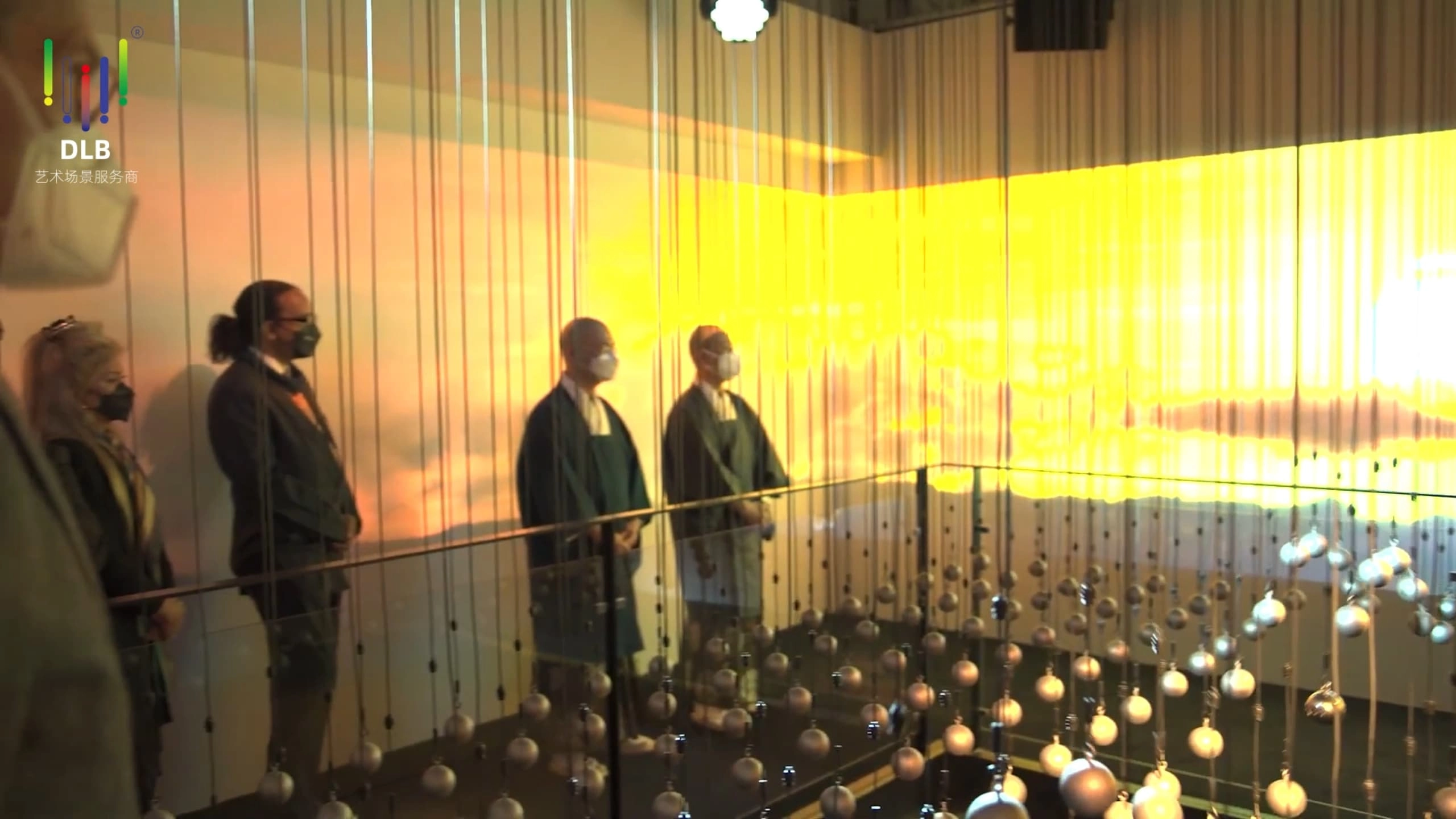
Divine Light Through a Thousand Years Analysis of Lighting Design & Application for the 800th Anniversary of the Great Saint’s Birth in Japan
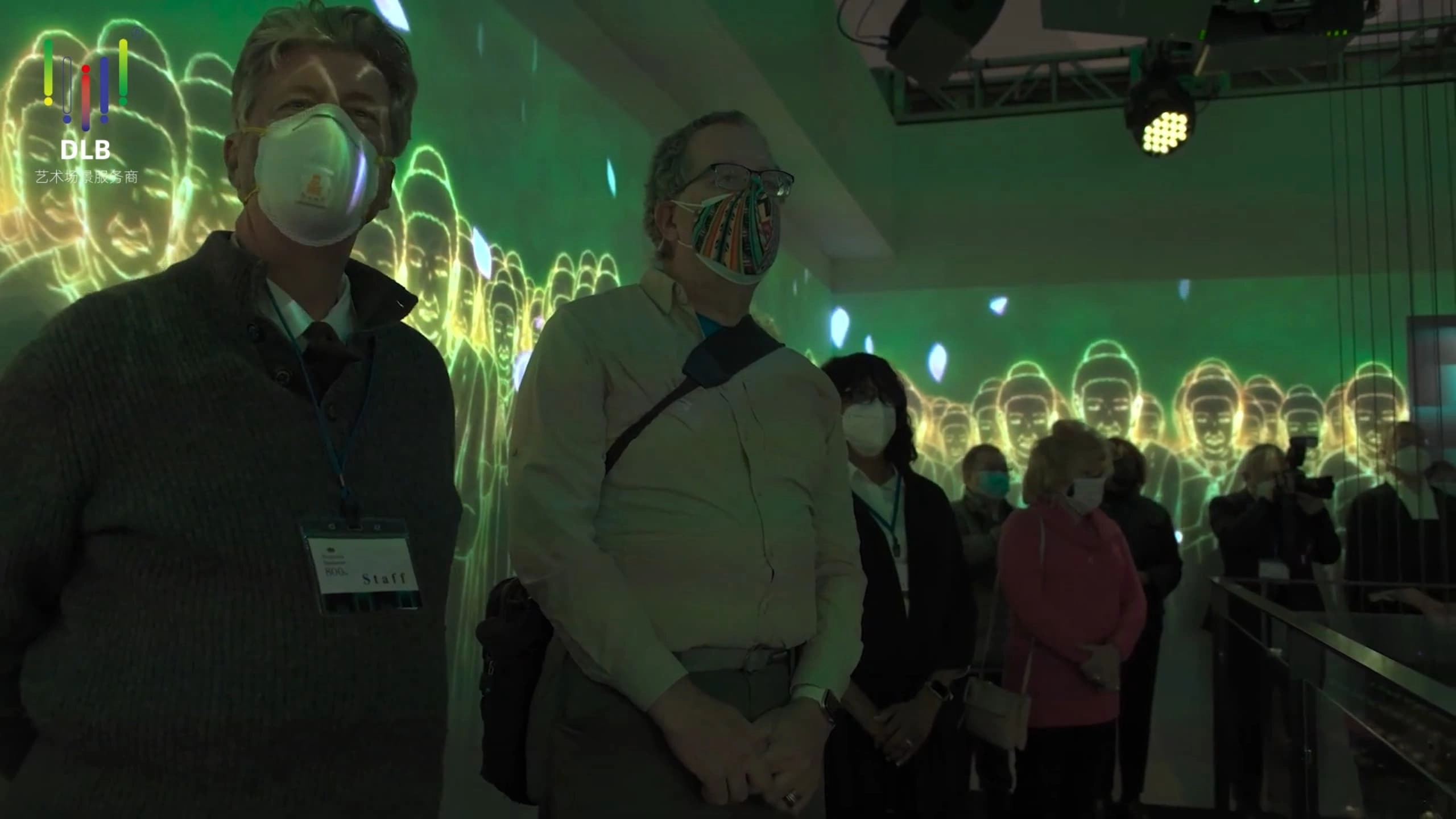
Divine Light Through a Thousand Years – Lighting Design & Application Sharing for the 800th Anniversary of the Great Saint’s Birth in Japan
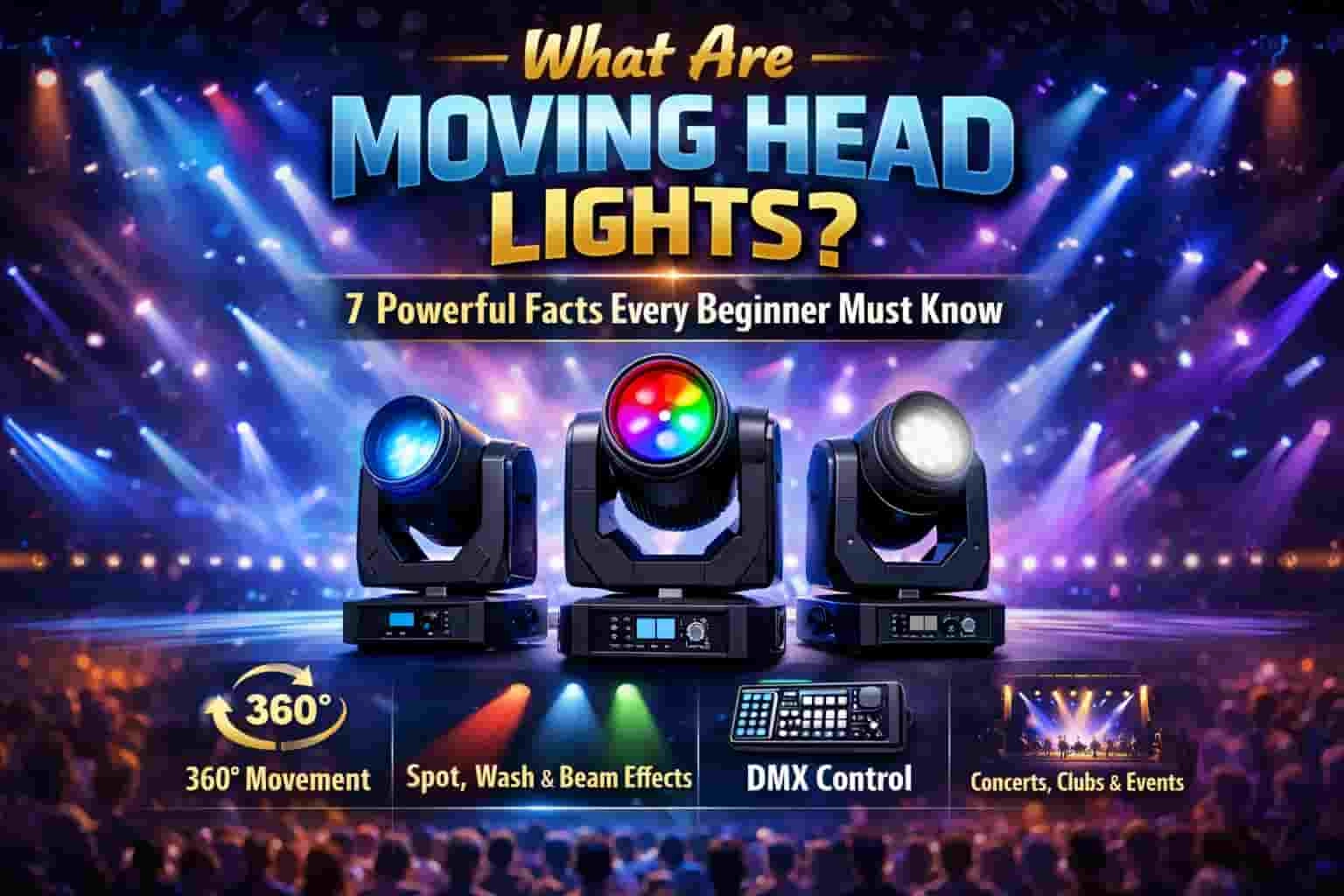
What Are Moving Head Lights? 7 Powerful Facts Every Beginner Must Know
Mastering Moving Head Lights for Stage Lights: Selection, Setup & Pro Techniques 2026
Industry Trends & Purchasing
For a startup event company, is it better to rent or buy stage light equipment?
Renting stage lights is wiser for unstable early business, reducing financial pressure and allowing testing of different gear. Purchasing core equipment becomes profitable once demand is consistent.
Creativity & Special Effects
How to simulate the “first ray of morning sunlight” using only stage lights?
Use low-angle, warm-color (around 2800K) spotlight stage lights with light haze to make beams visible. Brightness fades slowly from 0, and color temperature gradually rises to simulate sunrise.
Education & Career
What is the biggest safety risk when combining stage lights with cold fireworks?
The main risk is high-temperature sparks igniting cables, filters, or plastic parts of stage lights. Maintain sufficient safety distance, use fireproof barriers, and ensure operators are professionally trained.
8.Q: How to quickly deploy stage lights for a temporary tent event?
How do lighting designers collaborate effectively with audio, video, and other stage departments?
Clarify requirements in pre-production meetings, avoid conflicts between rigging positions and projection, test color interactions with costumes, communicate clearly on-site, and prioritize the overall performance.
Basic Concepts & Types
What is the difference between moving head stage lights and conventional stage lights?
Moving head stage lights have built-in motors and can be remotely controlled for pan, tilt, color, pattern, and other functions. Conventional stage lights usually have fixed positions and parameters and require manual adjustment.
Maintenance & Safety
How to prevent high-power stage lights from overheating and damage?
Ensure sufficient ventilation around fixtures, regularly clean dust from fans and heat sinks, avoid continuous use beyond rated ambient temperature, and use the fixture’s built-in thermal protection.
Equipment & Installation
How does good heat dissipation extend the lifespan of stage lights?
High internal temperature is the main cause of component aging in stage lights. Efficient active (fan) or passive heat dissipation keeps chips within a safe temperature range and significantly extends service life.
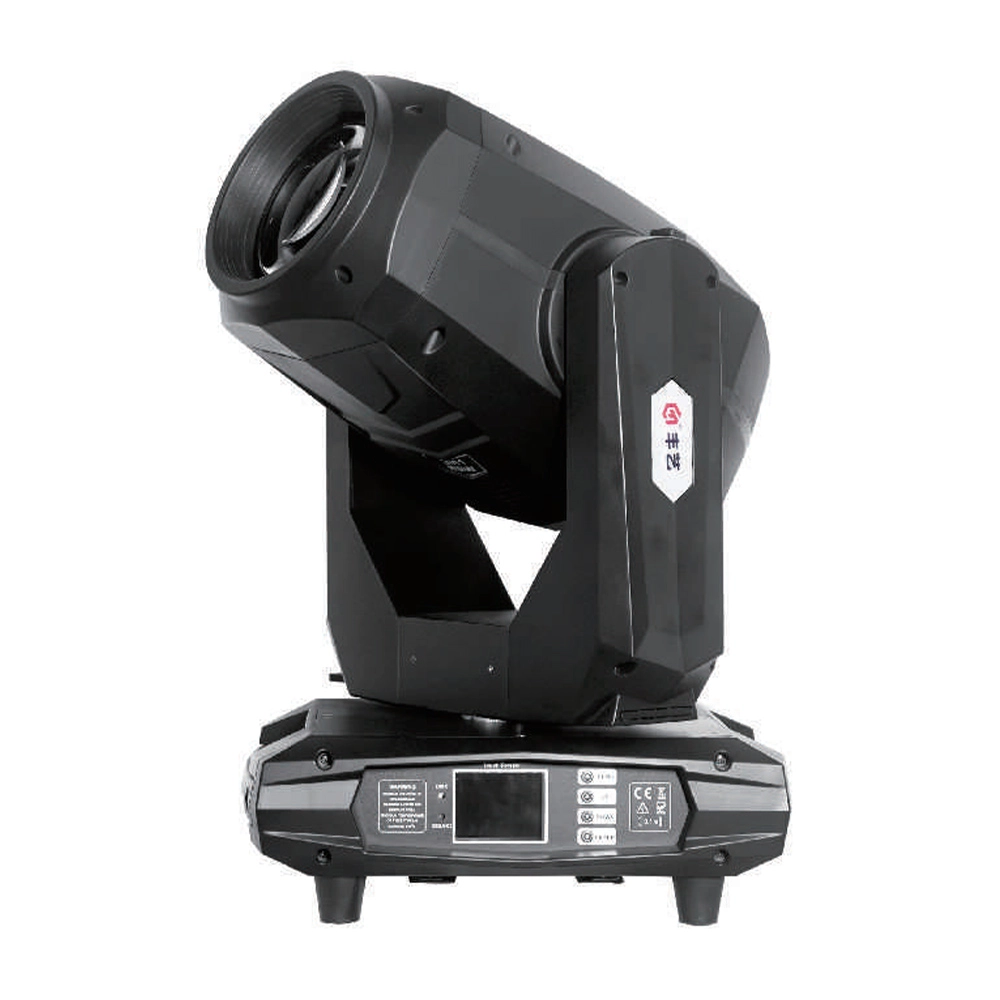
Fengyi 480W All-in-One Moving Head Beam Light Professional Stage Lighting FY-BM-10003
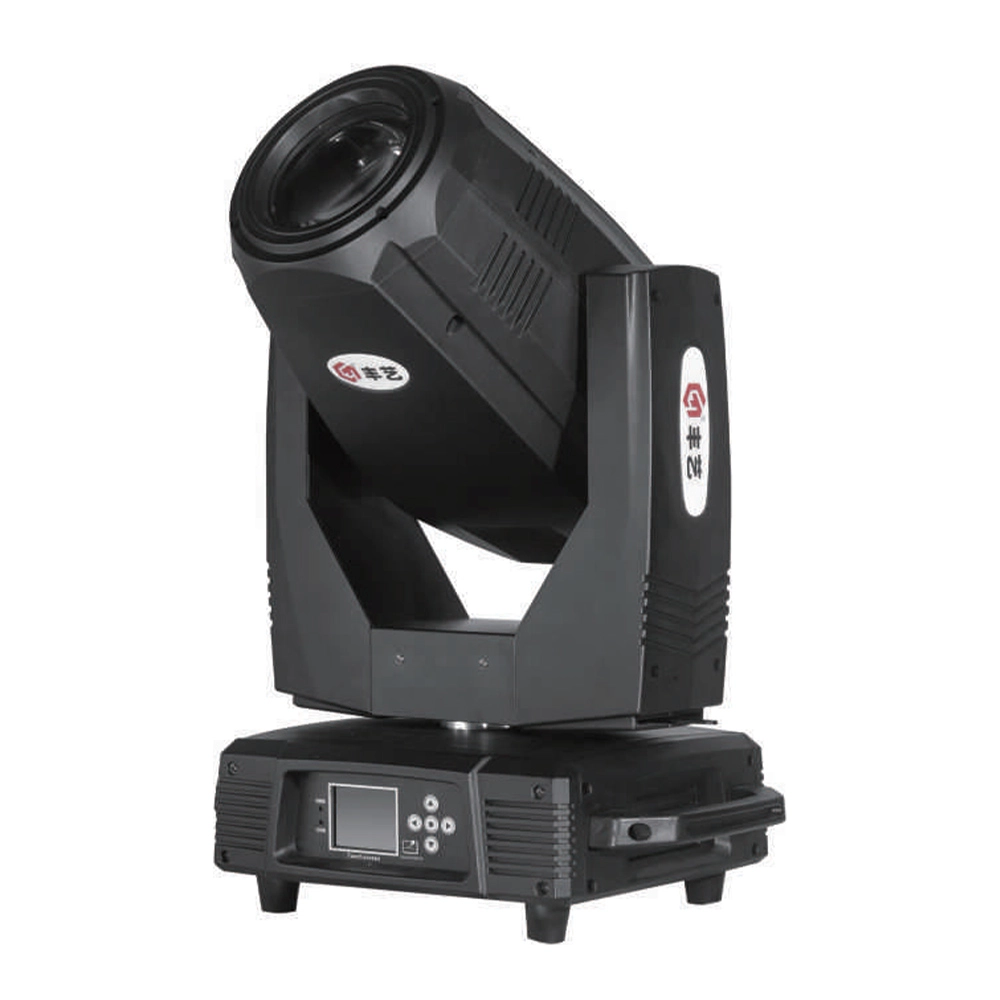
Fengyi 380W Intelligent Moving Head Stage Lights All-in-One System FY-BM-10002
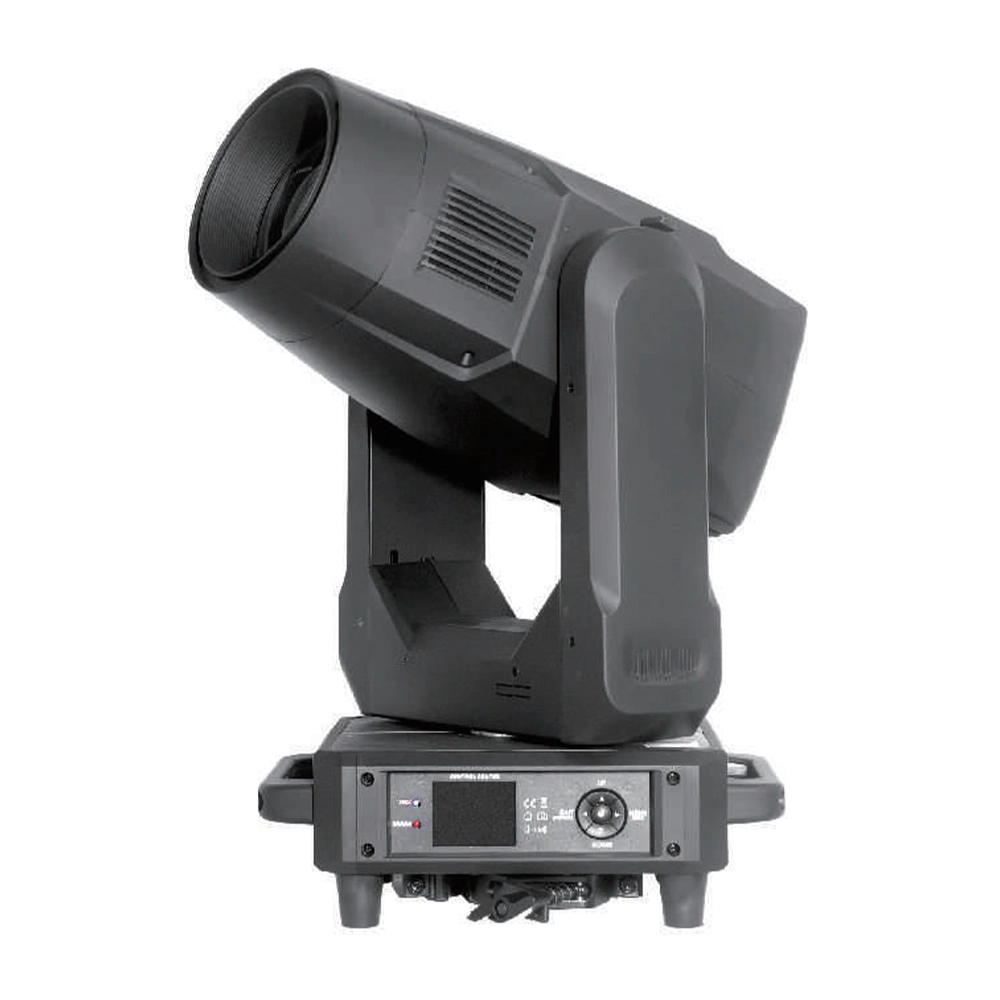
Fengyi 700W Profile Cutting Stage Moving Head Light Professional Event Fixture FY-SP-20003
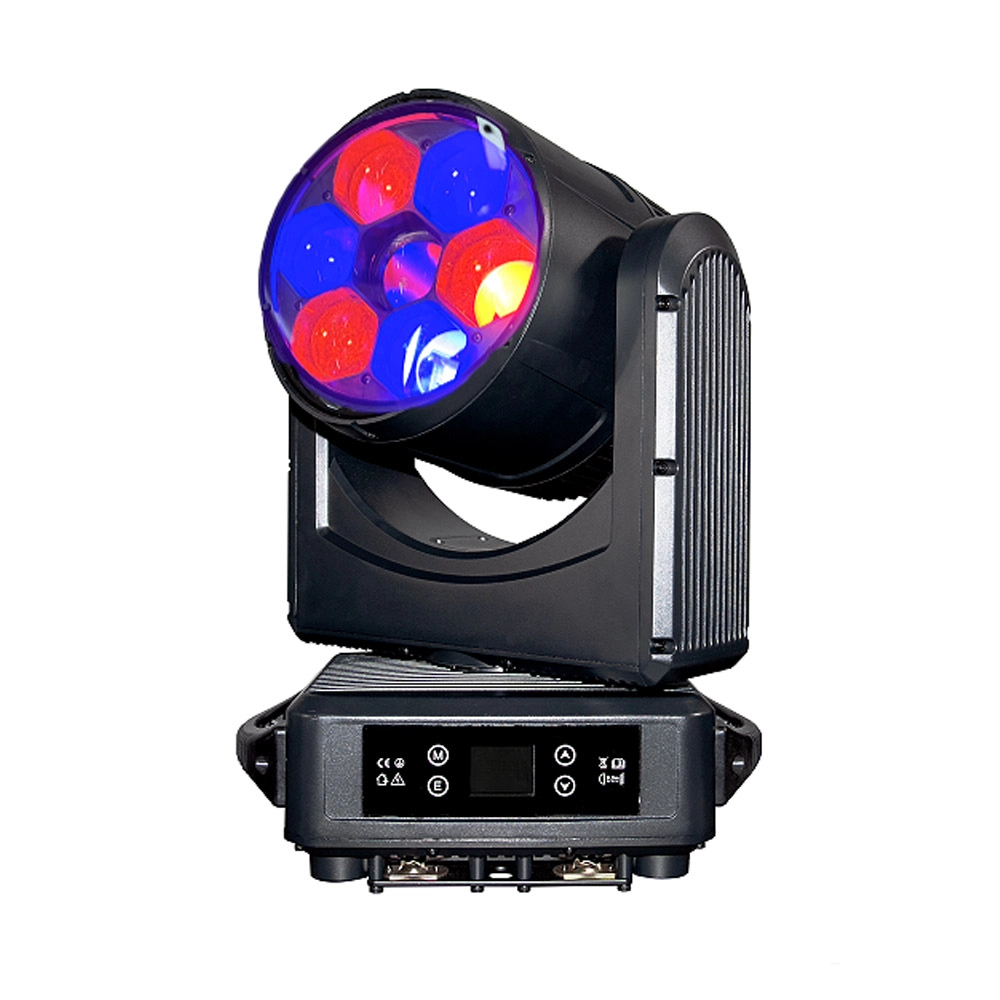
Fengyi 7x60W Waterproof Bee Eye Moving Head Professional LED Stage Lights for Concerts
The Fengyi 7*60 Waterproof Bee Eye offers powerful LED stage lights for concerts with reliable moving head stage lights and DMX control. Designed for outdoor use, it ensures vibrant, dynamic lighting performance in all weather, perfect for professional stage and event setups.
Inquire About Our Moving Head Stage Lights
* Fill The Form
Contact
Building 5, No. 34, Fuyuan Road, Jinghu Industrial Zone, Xinhua Town, Huadu District, Guangzhou, China.
WhatsApp: +86 181 2742 0174
Tel. +86(20) 8642 3596
Ph. +86 150 1870 4285
More information
© 2026 Fengyi. All Rights Reserved.
Fengyi Light
Fengyi Light
Fengyi Light
Fengyilighting