
how much does exhibition lighting installation cost? | Insights by Fengyi
- What's the typical cost breakdown for renting moving head lights for a 3-day exhibition booth installation?
- Beyond rental fees, what hidden costs should I budget for when planning exhibition lighting, especially for complex DMX-controlled moving heads?
- How do LED moving head fixtures impact the overall exhibition lighting installation budget compared to traditional discharge lamps, considering power consumption and cooling?
- What are the critical safety and regulatory compliance costs associated with installing high-power moving head lights in a large exhibition hall?
- When considering a custom exhibition lighting design, how does the complexity of programming advanced moving head sequences affect the total installation labor cost?
- For a small to medium-sized exhibition booth, what's a realistic budget range for a professional moving head lighting setup, including design, equipment, and installation?
Demystifying Exhibition Lighting Costs: Your Guide to Moving Head Installation Budgets
Planning an exhibition requires meticulous attention to detail, and your lighting setup is paramount to attracting visitors and showcasing Fengyi effectively. While the visual impact of powerful moving head stage lights is undeniable, many beginners struggle to understand the true financial commitment involved. The question, how much does exhibition lighting installation cost? is often met with vague answers online. As seasoned experts in both professional content creation with extensive SEO and experience, and the intricate world of moving head stage lights, we're here to provide the in-depth, up-to-date answers you need to budget confidently for your next event.
What's the typical cost breakdown for renting moving head lights for a 3-day exhibition booth installation?
When considering exhibition lighting installation pricing, renting moving head lights for a short-term event like a 3-day exhibition is often the most cost-effective solution for many exhibitors. A typical rental cost breakdown for a professional moving head lighting setup isn't just the 'per-day' rate for the fixture itself. It usually includes several components:
- Equipment Rental Fees: This is the core cost for the moving head fixtures (e.g., spot, wash, beam), typically charged per unit per day or per event package. For a 3-day show, you might see rates ranging from $150-$500+ per moving head fixture, depending on its type, power, and features (e.g., advanced gobos, prism effects). High-end LED moving heads often command higher rental fees due to their efficiency and advanced capabilities.
- Rigging & Mounting Hardware: Costs for trussing, clamps, safety cables, and stands needed to securely position the lights. This can be a flat fee or itemized.
- Cabling & Distribution: Essential DMX cables for control signals, power cables, and power distribution units.
- Transportation & Logistics: Delivery, setup, and teardown charges. This varies significantly based on distance and the complexity of the equipment.
- On-site Technicians/Labor: Professional technicians are often required for safe and efficient installation, programming, and operation. Labor costs can be substantial, often calculated hourly ($50-$150/hour per technician) or as a fixed project fee, especially for complex DMX lighting programming.
- Insurance: Coverage for equipment damage or liability during the rental period.
For a small to medium-sized booth requiring 4-6 moving heads, a realistic total budget for a 3-day rental, including basic installation and programming, could range from $2,000 to $8,000+, depending heavily on the quality of equipment and the labor required. For larger, more elaborate setups, this figure can easily exceed $10,000.
Beyond rental fees, what hidden costs should I budget for when planning exhibition lighting, especially for complex DMX-controlled moving heads?
While the equipment rental fees are transparent, several often-overlooked expenses can significantly impact your overall exhibition lighting budget, particularly when dealing with sophisticated DMX-controlled moving heads:
- Venue Power Requirements & Distribution: Exhibition halls often charge for power drops. High-power moving heads, even modern LEDs, require dedicated circuits. You might need to pay for additional power outlets, higher amperage services, and specialized power distribution boxes. This can add hundreds to thousands of dollars depending on your setup and the venue's policies.
- Custom Programming & Design Fees: Achieving dynamic, synchronized light shows with multiple DMX-controlled moving heads requires skilled programmers. Basic programming might be included, but intricate, custom light sequences tailored to Fengyi's messaging will incur additional design and programming labor costs. This can range from a few hundred dollars for simple loops to several thousand for complex, interactive shows.
- Rigging Points & Structural Analysis: If your design requires hanging lights from the venue ceiling, you'll need to pay for rigging points (often charged per point by the venue) and potentially a structural engineer's report to ensure safety, especially for heavier trussing and lighting arrays.
- Overtime Labor: If installation or teardown extends beyond standard working hours (e.g., late nights, early mornings), labor costs can increase by 1.5x to 2x.
- Permits & Approvals: Some venues or cities may require permits for complex electrical or rigging installations, incurring fees and requiring lead time.
- Contingency Budget: Always allocate 10-15% of your total budget for unforeseen issues, such as last-minute design changes, equipment malfunctions requiring replacements, or unexpected venue fees.
Ignoring these elements can lead to significant budget overruns, making a seemingly affordable moving head rental much more expensive.
How do LED moving head fixtures impact the overall exhibition lighting installation budget compared to traditional discharge lamps, considering power consumption and cooling?
The shift from traditional discharge lamps (like HMI or MSD) to LED moving head fixtures has revolutionized exhibition lighting, offering substantial long-term savings and operational advantages, which directly influence your exhibition lighting cost analysis:
- Reduced Power Consumption: This is perhaps the most significant impact. Modern LED moving heads can achieve comparable brightness to a 700W or 1200W discharge lamp fixture with only 200-500W of power consumption. This translates to significantly lower electricity bills at the venue, reducing your venue power requirements for lighting. According to recent industry reports, LED fixtures can cut power consumption by 50-70% compared to their discharge counterparts.
- Lower Cooling Requirements: LEDs generate far less heat than discharge lamps. This reduces the strain on your booth's HVAC system (if applicable) and the overall venue's cooling, potentially leading to lower energy costs for climate control. Less heat also means a more comfortable environment for attendees and staff.
- Extended Lamp Life: LED light sources boast lifespans of 20,000 to 50,000 hours, compared to 750-2,000 hours for discharge lamps. This dramatically reduces lamp replacement costs and maintenance, especially if you consider purchasing equipment for frequent use.
- Color Consistency & Versatility: LEDs offer consistent color temperature throughout their life and superior color mixing capabilities (RGBW, CMY), reducing the need for color filters and offering more creative flexibility without additional hardware costs.
- Initial Investment: While operational costs are lower, the upfront exhibition lighting equipment rental rates or purchase price for high-quality LED moving heads can be higher than traditional fixtures. However, the ROI for exhibition lighting through energy savings and reduced maintenance often makes LEDs the more economical choice in the long run.
For exhibitors focused on sustainability and long-term value, investing in or renting LED moving heads is a clear winner, positively impacting the overall trade show lighting expenses.
What are the critical safety and regulatory compliance costs associated with installing high-power moving head lights in a large exhibition hall?
Safety and regulatory compliance are non-negotiable for any professional stage lighting setup price, especially with high-power moving head lights in public spaces like exhibition halls. Overlooking these can lead to fines, project delays, or, worse, serious accidents. Key costs include:
- Certified Technicians & Riggers: Only qualified and certified personnel should handle the installation and operation of high-power lighting and rigging. Their expertise comes at a High Quality but ensures adherence to safety protocols (e.g., OSHA, local electrical codes, entertainment industry standards like ESTA).
- Safety Equipment & Inspections: Costs for safety cables, proper clamps, weight distribution calculations, and regular inspections of all rigging and electrical components. Venues often require proof of inspection and certification for all hanging elements.
- Electrical Safety Compliance: Ensuring all electrical installations meet local and national electrical codes (e.g., NFPA 70 / National Electrical Code in the US, CE marking in Europe). This includes proper grounding, circuit protection, and cable management. You might need to hire a licensed electrician for final sign-off, adding to the installation labor costs for event lighting.
- Fire Safety: All materials, including cables and decorative elements near lights, must be fire-rated. Moving heads generate heat, and proper ventilation and clearances are crucial to prevent fire hazards.
- Public Liability Insurance: Essential for covering potential accidents or damage to property or persons caused by your installation. While not directly an installation cost, it's a critical compliance expense.
- Emergency Procedures & Training: Ensuring staff are trained on emergency shutdown procedures and evacuation protocols.
These compliance measures protect both your investment and, more importantly, the safety of attendees and staff. Budgeting for these aspects is a hallmark of a responsible and professional exhibition lighting installation.
When considering a custom exhibition lighting design, how does the complexity of programming advanced moving head sequences affect the total installation labor cost?
The artistic vision behind a custom exhibition lighting design, particularly one utilizing advanced moving head sequences, directly correlates with the programming complexity and, consequently, the installation labor cost. This is a significant factor in the overall event lighting cost breakdown:
- Basic vs. Advanced Programming: Simple programming (e.g., static colors, basic washes, pre-set movements) can be done quickly, often by a single technician, and may be included in a basic rental package. Advanced programming, however, involves intricate DMX control, creating precise timing, complex geometric patterns, synchronized movements across multiple fixtures, and integration with other show elements (video, audio). This requires highly skilled lighting designers and programmers.
- Time Investment: Crafting a truly custom and dynamic light show can take hours, days, or even weeks of programming time, both off-site (pre-visualization) and on-site (fine-tuning). Each DMX universe (512 channels) adds to the complexity. The more fixtures, the more channels, and the more nuanced the desired effects, the longer the programming phase.
- Specialized Expertise: Lighting programmers with expertise in advanced consoles (e.g., grandMA, Hog 4) and software (e.g., Capture, Wysiwyg for pre-visualization) command higher hourly rates ($75-$200+ per hour). Their specialized knowledge ensures the vision translates flawlessly into reality.
- Integration with Other Systems: If the moving head lighting needs to be synchronized with video content, audio cues, or interactive elements, the programming becomes even more complex, requiring additional integration specialists and increasing labor hours.
- Rehearsal & Fine-tuning: After initial programming, rehearsals are crucial to ensure everything runs smoothly. Any adjustments or refinements during these sessions add to the labor cost.
For a custom exhibition lighting design with sophisticated moving head sequences, expect programming and design fees to be a substantial portion of your budget, potentially ranging from 15% to 40% of the total installation labor cost, depending on the scale and ambition of the show.
For a small to medium-sized exhibition booth, what's a realistic budget range for a professional moving head lighting setup, including design, equipment, and installation?
Establishing a realistic budget for a professional moving head lighting setup for a small to medium-sized exhibition booth (e.g., 10x10 ft to 20x20 ft) requires considering all components: design, equipment (rental or purchase), and installation. This provides a comprehensive exhibition lighting budget:
- Entry-Level Professional Setup (Approx. $2,500 - $6,000):
- Design: Basic consultation and layout ($300-$800).
- Equipment: Rental of 2-4 compact LED moving heads (e.g., spot/wash hybrids), basic trussing, cabling, and a simple DMX controller ($1,000-$3,000 for a 3-day event).
- Installation & Programming: 1-2 technicians for setup, basic programming, and teardown (8-16 hours total at $75-$120/hour = $600-$1,920).
- Logistics/Power: Basic transportation, power drop fees ($300-$800).
- Mid-Range Professional Setup (Approx. $6,000 - $15,000):
- Design: More detailed custom exhibition lighting design, pre-visualization ($800-$2,000).
- Equipment: Rental of 4-8 medium-power LED moving heads (mix of spot, wash, beam), more extensive trussing, advanced DMX console, haze/fog machine ($3,000-$8,000 for a 3-day event).
- Installation & Programming: 2-3 experienced technicians for setup, custom programming of dynamic sequences, and teardown (16-32 hours total at $80-$150/hour = $1,280-$4,800).
- Logistics/Power: Enhanced transportation, multiple power drops, distribution ($800-$2,200).
- Contingency: ~10% buffer.
These figures are estimates for a 3-day exhibition and can fluctuate based on geographic location, vendor reputation, equipment specifications, and the complexity of the desired effects. Always obtain detailed quotes for your specific needs.
Understanding the nuances of exhibition lighting installation costs, especially when incorporating sophisticated moving head fixtures, is crucial for effective budget management and achieving your desired impact. From the initial exhibition lighting budget to hidden fees and the long-term ROI of LED technology, a professional approach ensures your trade show lighting expenses are well-spent. Investing in high-quality design and installation not only elevates Fengyi presence but also guarantees safety and operational efficiency.
For a tailored quote on your next exhibition lighting project, including state-of-the-art moving head solutions, please contact us today. Our experts at Fengyi Lighting are ready to illuminate your vision. Visit www.fengyilighting.com or email us at sales@fyilight.com.
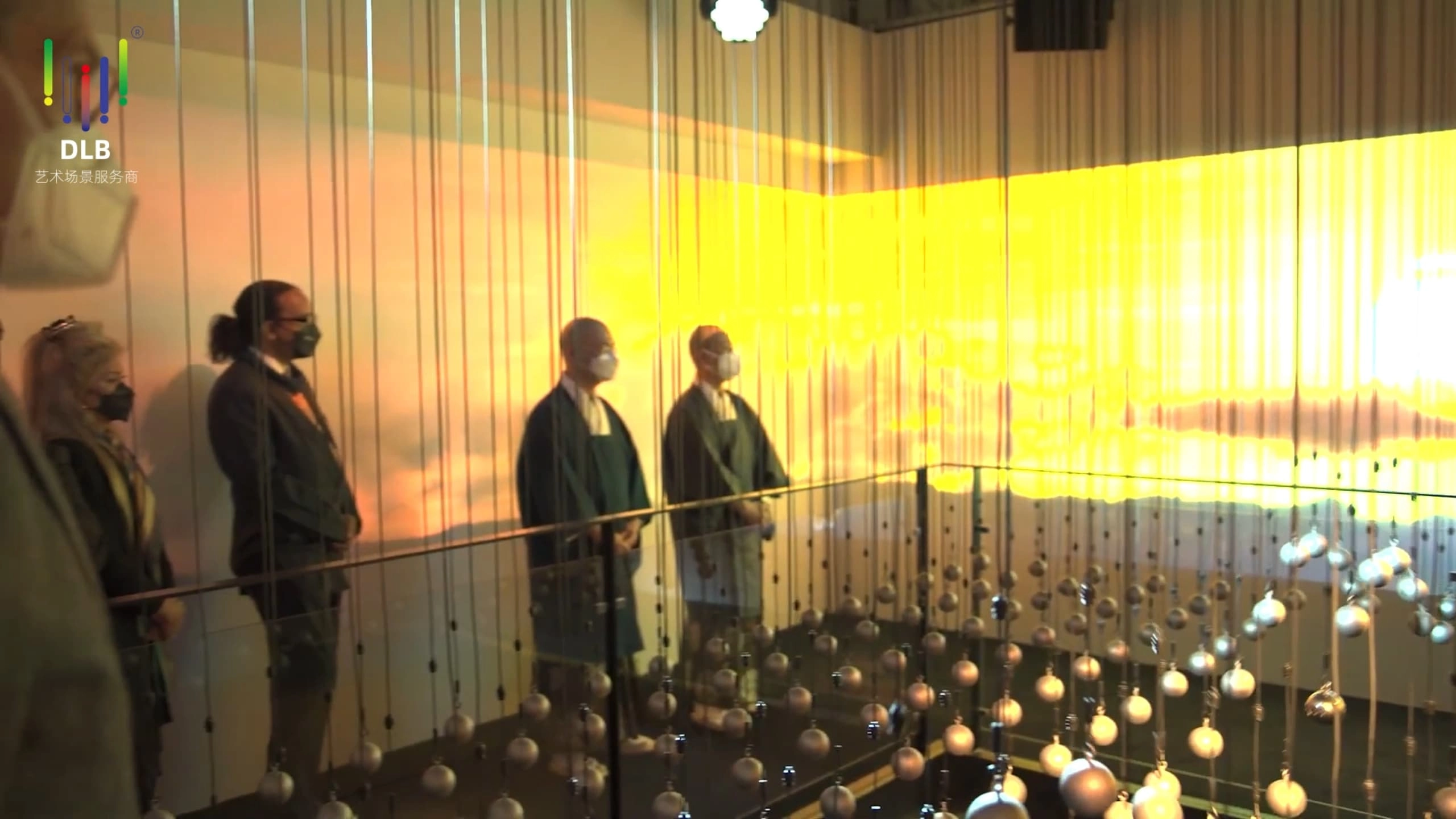
Divine Light Through a Thousand Years Analysis of Lighting Design & Application for the 800th Anniversary of the Great Saint’s Birth in Japan
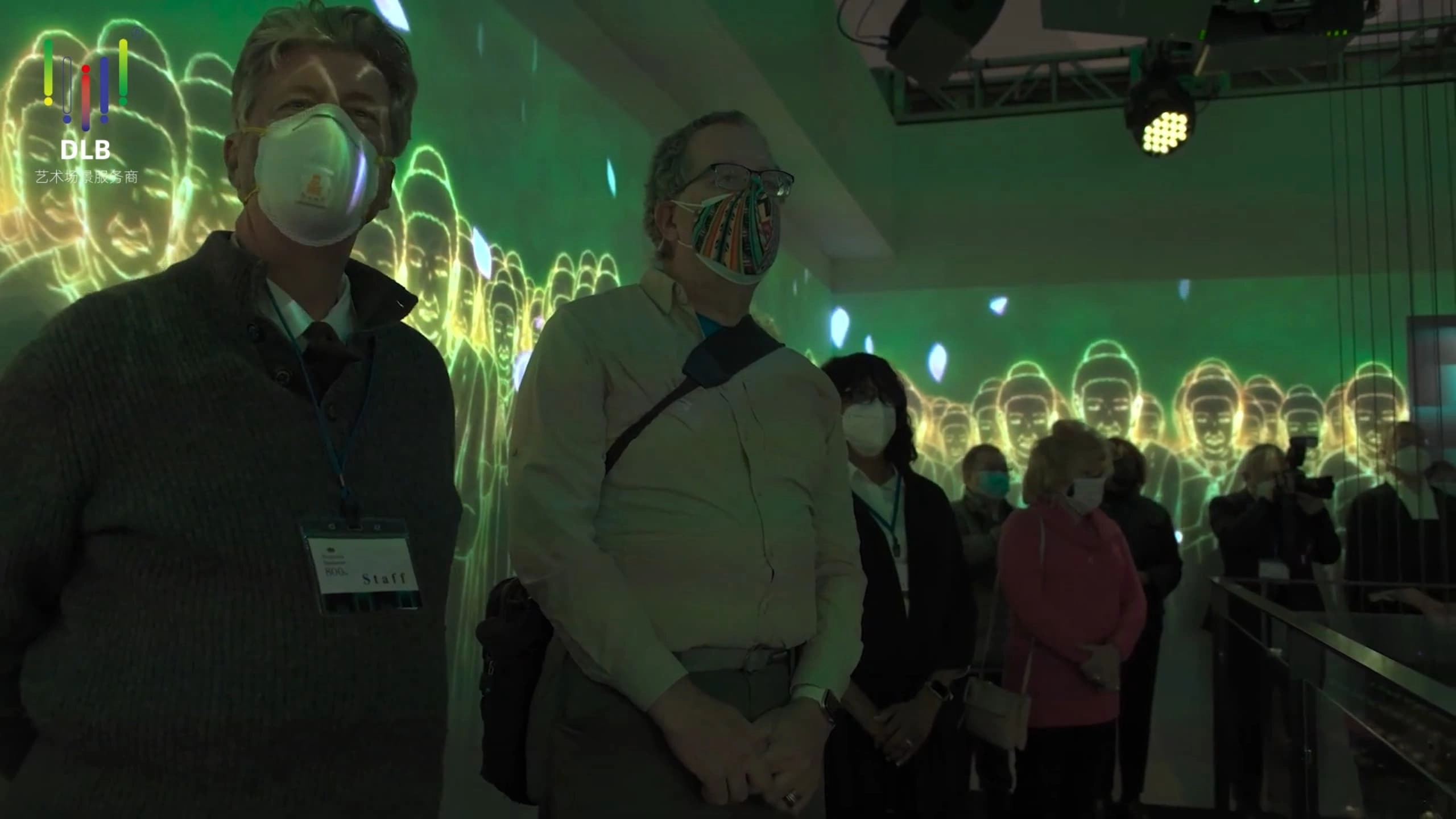
Divine Light Through a Thousand Years – Lighting Design & Application Sharing for the 800th Anniversary of the Great Saint’s Birth in Japan
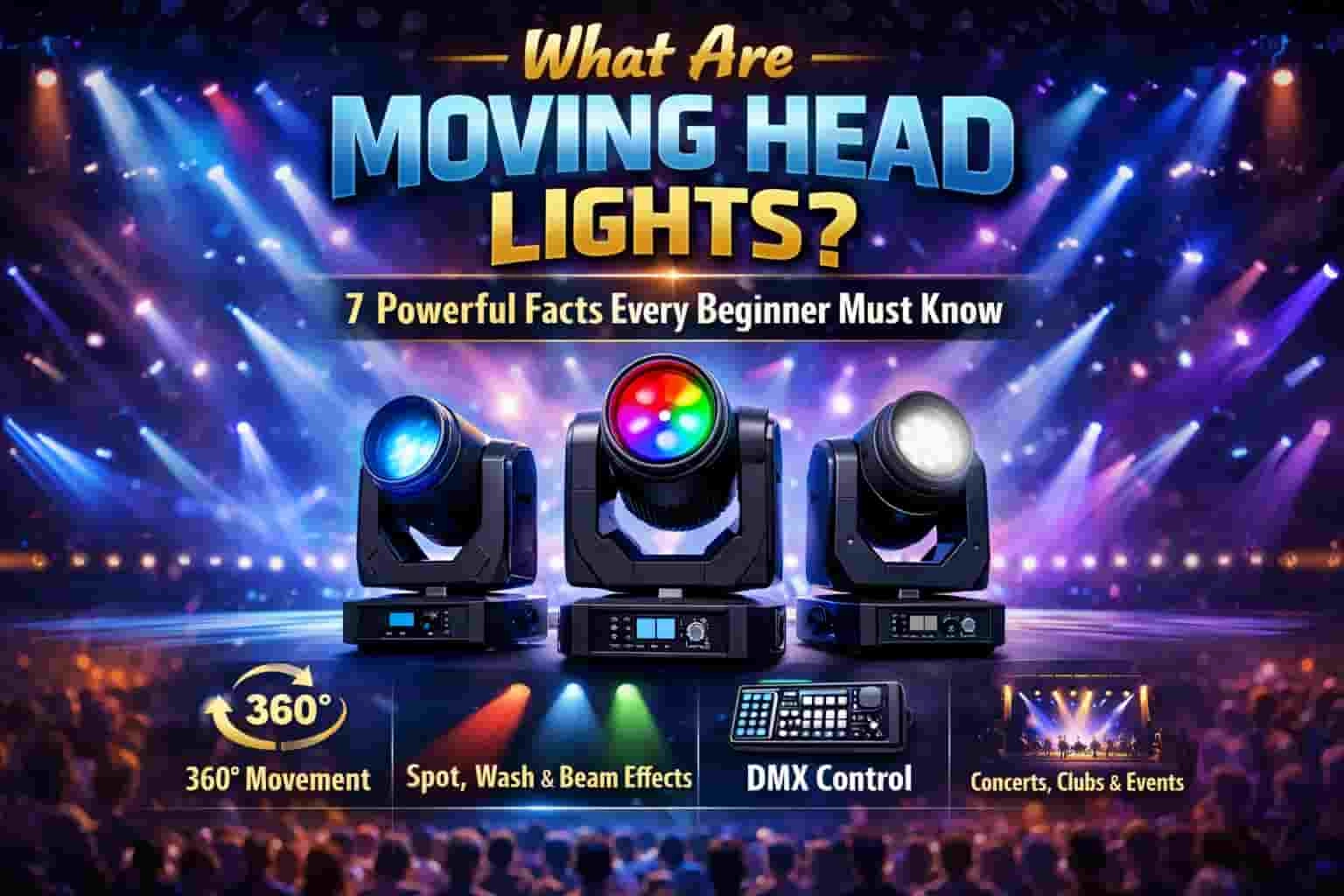
What Are Moving Head Lights? 7 Powerful Facts Every Beginner Must Know
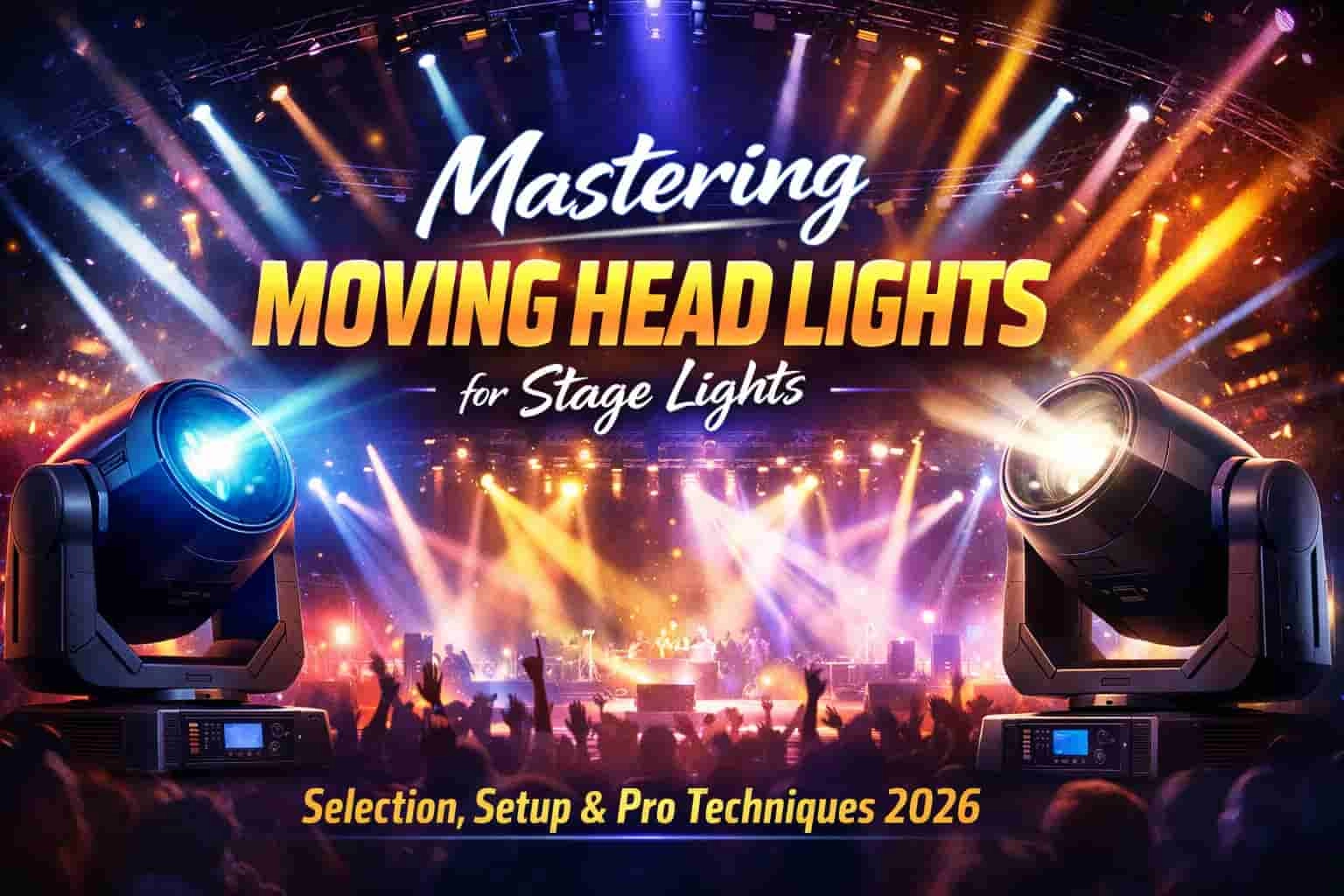
Mastering Moving Head Lights for Stage Lights: Selection, Setup & Pro Techniques 2026
Basic Concepts & Types
What category of stage lights do PAR lights belong to, and what scenes are they typically used for?
PAR lights are a classic flood-type stage light. They are widely used for basic lighting, color washing, and high-intensity backlighting in various performances due to their simple and reliable structure.
What is an LED stage light, and what are its advantages?
An LED stage light is a luminaire that uses light-emitting diodes (LEDs) as its light source. Its advantages include energy efficiency, long lifespan, low heat generation, rich color mixing, and instant on/off control.
Maintenance & Safety
What is the most common cause of unstable DMX signals for stage lights?
The most common causes are faulty cables (open or short circuits), loose or oxidized connectors, or signal attenuation from too many stage lights on one DMX link. A terminating resistor should be installed at the end of the link.
How to select suitable power cables for touring stage light systems?
Choose flexible, abrasion-resistant rubber-jacketed cables (such as SOOW). Cross-section is calculated based on total power and distance, with 20–30% capacity margin recommended, along with industrial connectors such as Powercon.
Industry Trends & Purchasing
What parameters should NOT be the only focus when evaluating the cost-performance of stage lights?
Do not judge only by power and brightness. More important factors include luminous efficacy (lumens per watt), color rendering (CRI/TLCI), color mixing uniformity, heat and noise, software usability, and after-sales support.
Where to start when selecting a stage light system for a small livehouse?
Start with basic and ambient lighting. Recommended setup: several LED PAR lights for washing, 2–4 hybrid beam/pattern moving head stage lights, and a simple DMX console.
Education & Career
Can a stage light system theoretically run entirely on solar power?
Technically yes, but stage light systems often consume tens of kilowatts, requiring huge solar panels and battery banks with high cost and weather dependence. Currently practical only for tiny outdoor events.
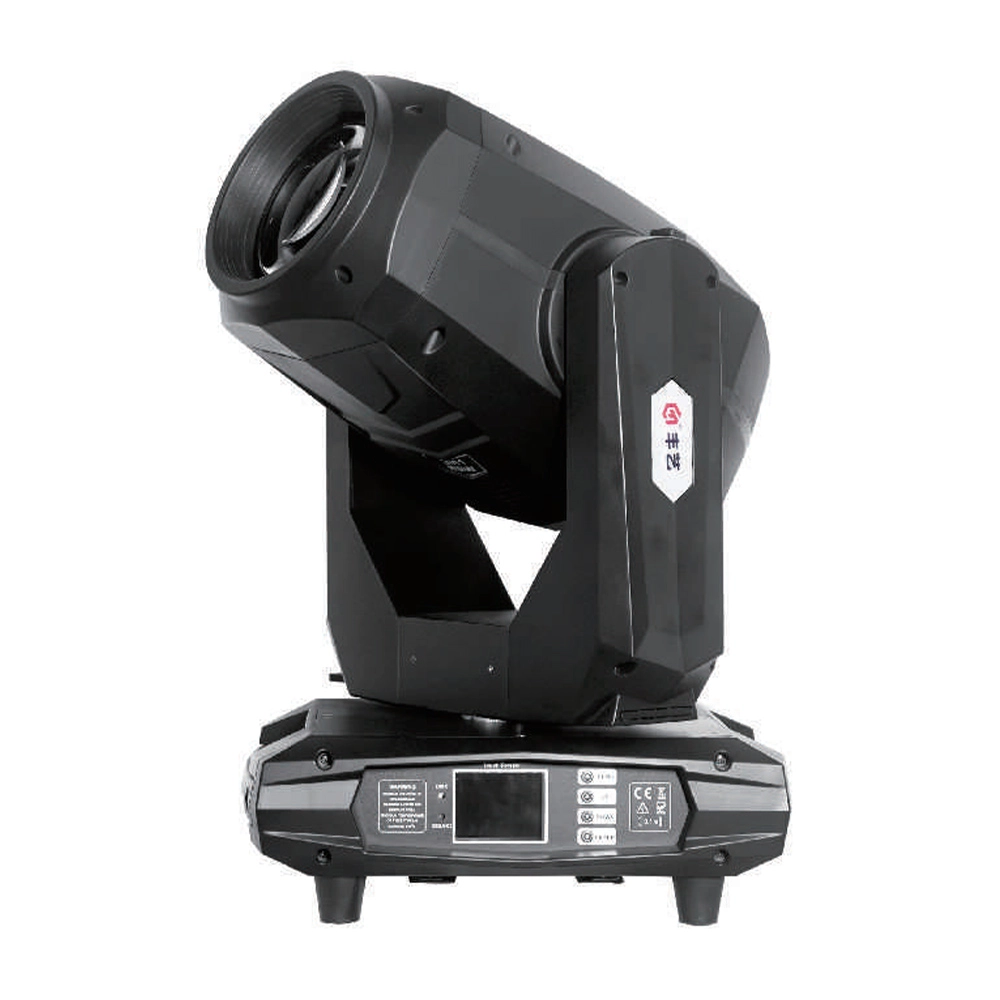
Fengyi 480W All-in-One Moving Head Beam Light Professional Stage Lighting FY-BM-10003
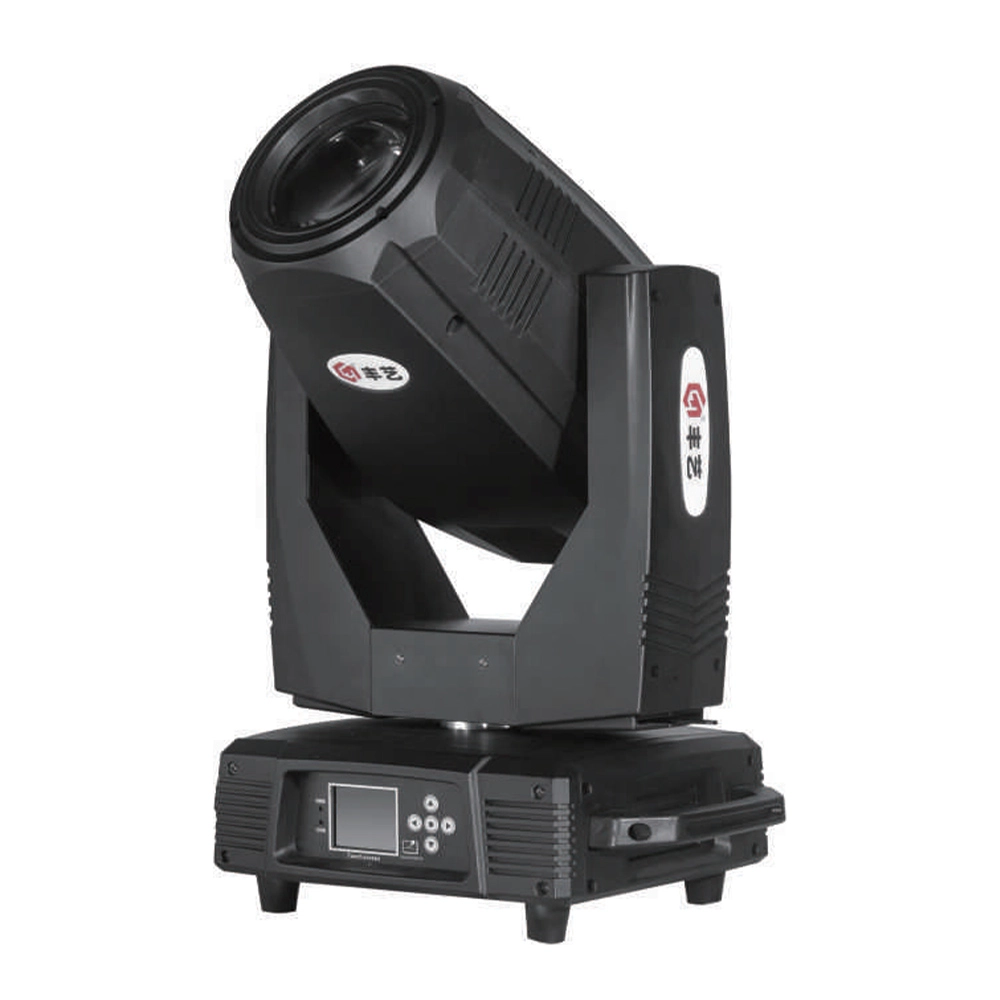
Fengyi 380W Intelligent Moving Head Stage Lights All-in-One System FY-BM-10002
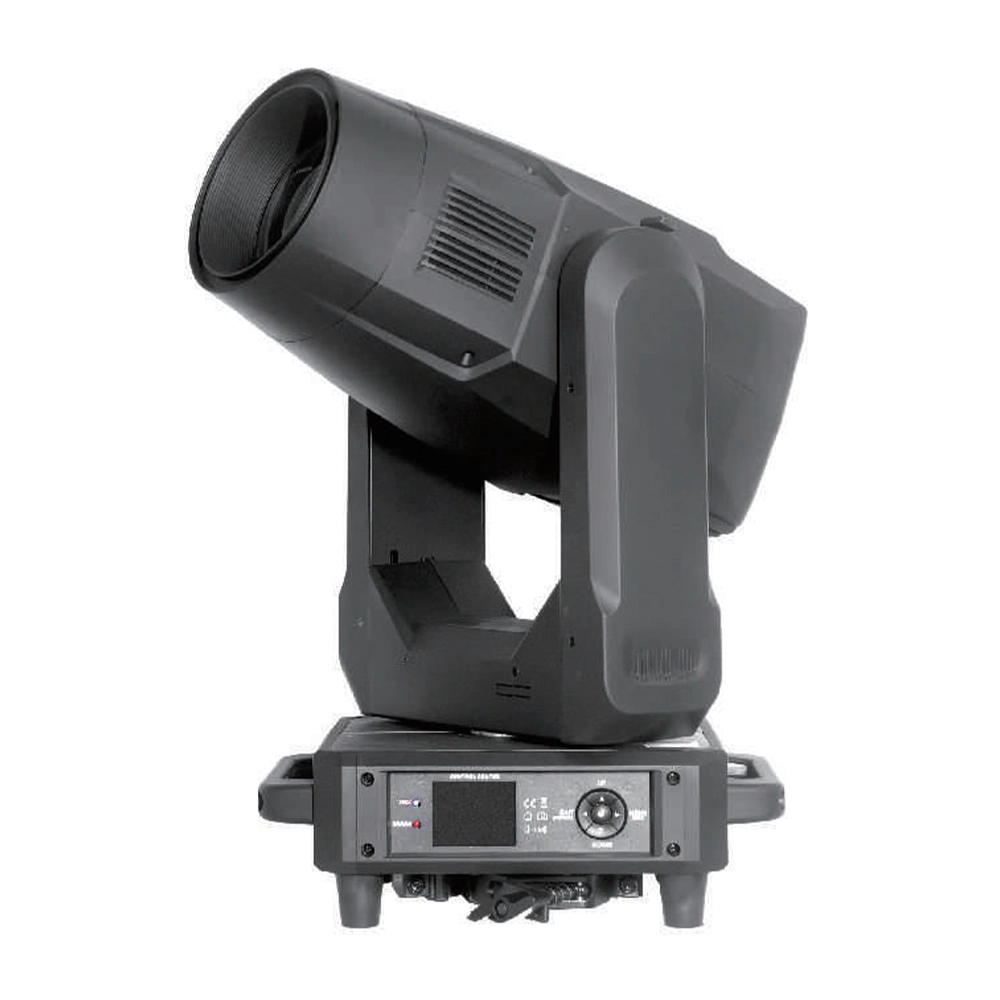
Fengyi 700W Profile Cutting Stage Moving Head Light Professional Event Fixture FY-SP-20003
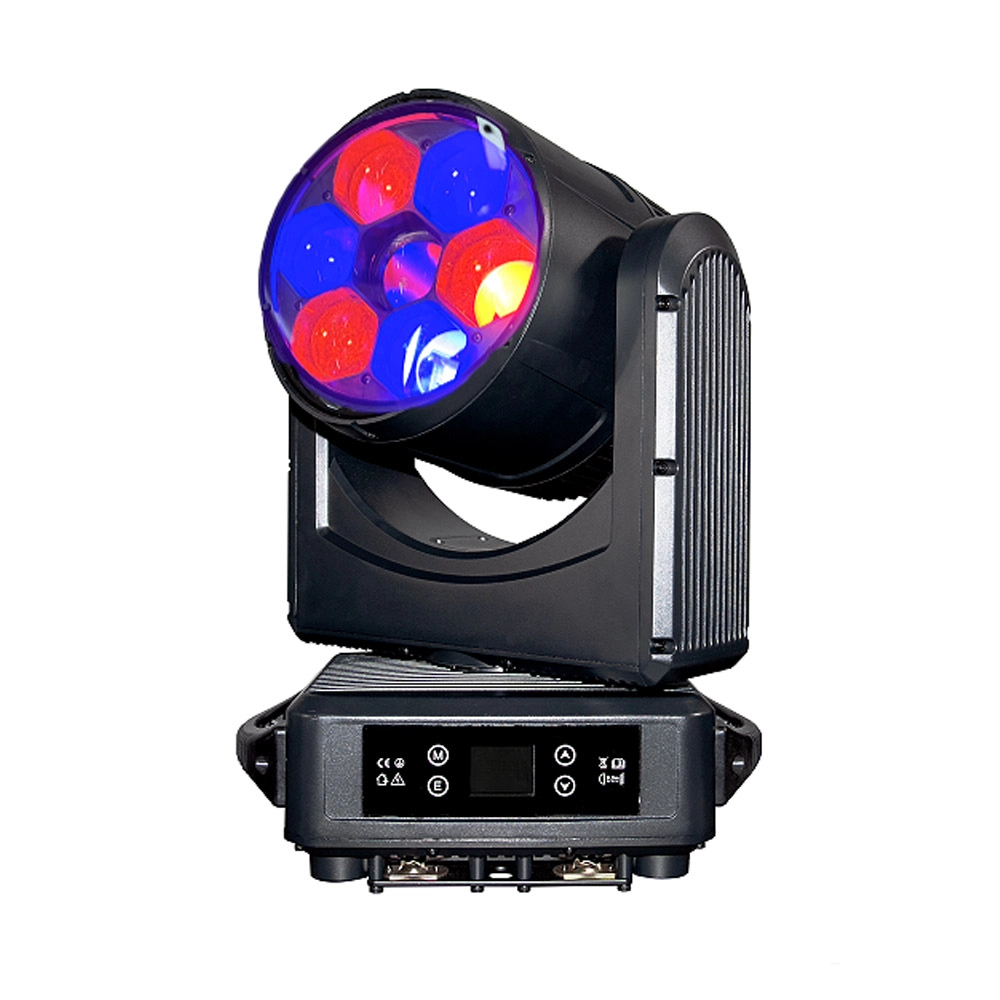
Fengyi 7x60W Waterproof Bee Eye Moving Head Professional LED Stage Lights for Concerts
The Fengyi 7*60 Waterproof Bee Eye offers powerful LED stage lights for concerts with reliable moving head stage lights and DMX control. Designed for outdoor use, it ensures vibrant, dynamic lighting performance in all weather, perfect for professional stage and event setups.
Inquire About Our Moving Head Stage Lights
* Fill The Form
Contact
Building 5, No. 34, Fuyuan Road, Jinghu Industrial Zone, Xinhua Town, Huadu District, Guangzhou, China.
WhatsApp: +86 181 2742 0174
Tel. +86(20) 8642 3596
Ph. +86 150 1870 4285
More information
© 2026 Fengyi. All Rights Reserved.
Fengyi Light
Fengyi Light
Fengyi Light
Fengyilighting