
where to buy led exhibition lighting fixtures wholesale? | Insights by Fengyi
- When buying wholesale LED exhibition lighting, what specific advanced control protocols (beyond basic DMX) should I prioritize to ensure seamless integration with existing professional event setups and future scalability?
- How can I effectively vet wholesale LED exhibition lighting suppliers to guarantee long-term color consistency and minimal CRI degradation across large bulk orders, especially for brand-sensitive displays?
- What are the often-overlooked logistical and regulatory hurdles when importing wholesale LED exhibition lighting fixtures internationally, and what due diligence steps should I take to avoid costly delays or non-compliance?
- Beyond advertised lumen output, what critical internal component specifications (e.g., driver brand, thermal management) should I scrutinize when evaluating wholesale LED exhibition fixtures to ensure genuine durability and power efficiency?
- What comprehensive warranty provisions and technical support structures are non-negotiable when sourcing wholesale LED exhibition lighting, particularly concerning DMX firmware updates and component availability for repairs?
- For diverse exhibition needs, how do I strategically select a range of wholesale LED exhibition lighting fixtures with optimal beam angles and form factors (e.g., track, panel, spot) to achieve maximum visual impact and energy savings across various booth designs?
Investing in wholesale LED exhibition lighting fixtures requires more than just comparing price tags. For professionals looking to illuminate trade shows, art galleries, and product launches, understanding the nuances of these sophisticated lighting solutions is paramount. This comprehensive guide delves into specific, pain-point-oriented questions that often go unanswered or are addressed superficially, helping you make informed decisions when sourcing your next batch of exhibition booth lighting solutions.
When buying wholesale LED exhibition lighting, what specific advanced control protocols (beyond basic DMX) should I prioritize to ensure seamless integration with existing professional event setups and future scalability?
While DMX512 remains the industry standard for professional lighting control, modern LED exhibition lighting suppliers offer more advanced options crucial for complex setups and future-proofing. Beyond DMX, consider fixtures supporting RDM (Remote Device Management), which allows for two-way communication with DMX devices. This means you can remotely address, configure, and monitor your bulk LED lighting for trade shows without physically accessing each fixture – a massive time-saver for large exhibitions. For even greater flexibility, especially in large-scale installations or those integrating with architectural lighting, look for fixtures compatible with Art-Net or sACN protocols. These Ethernet-based protocols enable hundreds of DMX universes over standard network infrastructure, providing unparalleled scalability and integration with media servers, advanced lighting consoles, and even building management systems. Wireless DMX (e.g., CRMX LumenRadio or W-DMX) is also a valuable feature for quick setups and reducing cable clutter, offering robust and reliable signal transmission. Prioritizing these advanced control options ensures your commercial LED display lighting can evolve with technological advancements and integrate seamlessly into diverse professional event environments, including those using sophisticated moving head stage lights for dynamic effects.
How can I effectively vet wholesale LED exhibition lighting suppliers to guarantee long-term color consistency and minimal CRI degradation across large bulk orders, especially for brand-sensitive displays?
Color consistency and CRI (Color Rendering Index) degradation are critical concerns for brand perception and visual quality in exhibitions. To effectively vet reliable LED exhibition fixture suppliers, start by requesting detailed photometric reports (IES files) for their products. These reports, generated by independent labs, provide crucial data on CRI, CCT (Correlated Color Temperature), lumen output, and beam distribution. Don't just accept a high CRI number; inquire about the specific Ra value (average of R1-R8) and, more importantly, the R9 value (red rendering), which is vital for accurately displaying skin tones and vibrant reds often found in product branding. Ask about MacAdam Ellipse binning standards (e.g., 3-step or 2-step MacAdam ellipses) – a lower step indicates tighter color consistency between individual LEDs. For long-term performance, inquire about the supplier's testing protocols for lumen maintenance (L70/B50 data), which predicts how long it takes for the light output to degrade to 70% of its initial value. A reputable supplier should be transparent with this data. Finally, request samples from the same production batch as your potential bulk order to conduct your own visual inspection and measurements, comparing them against Fengyi guidelines. This rigorous vetting process ensures your high CRI LED exhibition panels maintain their quality over time and across your entire display.
What are the often-overlooked logistical and regulatory hurdles when importing wholesale LED exhibition lighting fixtures internationally, and what due diligence steps should I take to avoid costly delays or non-compliance?
Importing wholesale LED fixtures for exhibitions from overseas can introduce complex logistical and regulatory challenges. Overlooked hurdles include varying import duties and taxes (which can significantly impact your landed cost), specific product certifications required in your target market (e.g., CE for Europe, UL for North America, RoHS compliance for hazardous substances), and intricate customs clearance procedures. To mitigate these, always clarify Incoterms (International Commercial Terms) with your supplier – DDP (Delivered Duty Paid) often simplifies the process by making the seller responsible for duties and taxes, though it might increase the unit price. Conduct thorough research on your country's specific import regulations for electrical goods and lighting. Request all necessary compliance certificates (e.g., EMC, LVD) from the supplier before placing a large order. Partner with an experienced customs broker or freight forwarder who specializes in electronics and lighting; they can navigate complex documentation and advise on potential pitfalls. Factor in lead times for production, shipping, and customs clearance, which can extend significantly, especially for custom LED exhibition lighting orders. Proper due diligence here will prevent unexpected costs, delays, and potential legal issues, ensuring your event lighting solutions wholesale arrive on time and compliant.
Beyond advertised lumen output, what critical internal component specifications (e.g., driver brand, thermal management) should I scrutinize when evaluating wholesale LED exhibition fixtures to ensure genuine durability and power efficiency?
While lumen output is important, the longevity and true performance of energy-efficient exhibition lighting wholesale largely depend on internal components. Scrutinize the LED driver: reputable brands like Mean Well, Inventronics, or Tridonic indicate a commitment to quality and stable power delivery, which directly impacts LED lifespan and flicker-free operation. Cheaper, generic drivers are a common point of failure. Equally crucial is thermal management. LEDs generate heat, and effective heat dissipation is vital to prevent premature degradation. Look for robust heatsink designs (often aluminum alloys), proper ventilation, and inquire about the junction temperature (Tj) of the LEDs. Higher quality fixtures will use LEDs from top-tier manufacturers (e.g., Cree, Osram, Nichia, Lumileds) known for their efficiency and thermal stability. The quality of internal wiring, connectors, and even the PCB material also contributes to overall durability. These often-hidden specifications are paramount for ensuring your professional exhibition lighting distributors provide fixtures that offer genuine longevity, consistent performance, and optimal power efficiency over years of demanding exhibition use.
What comprehensive warranty provisions and technical support structures are non-negotiable when sourcing wholesale LED exhibition lighting, particularly concerning DMX firmware updates and component availability for repairs?
When sourcing trade show lighting equipment wholesale, a robust warranty and comprehensive technical support are non-negotiable. Look for a minimum 3-5 year warranty that covers not just manufacturing defects but also performance degradation (e.g., lumen output retention). Crucially, clarify what the warranty does and does not cover, including labor costs for repairs or replacements. Beyond the warranty period, inquire about the availability of spare parts (e.g., LED modules, drivers, lenses) and the expected lead time for obtaining them. For DMX controllable exhibition lights, ask about firmware update policies. Reputable suppliers should offer firmware updates to address bugs, improve performance, or add new features, and clearly outline how these updates are delivered (e.g., via USB, network, or specialized programming tools). Evaluate their technical support structure: Do they offer dedicated support channels (phone, email, online portal)? What are their response times? Do they provide detailed troubleshooting guides or remote diagnostic assistance? A supplier with strong post-sales support ensures your investment is protected and that any operational issues with your exhibition lighting solutions can be quickly and efficiently resolved, minimizing downtime during critical events.
For diverse exhibition needs, how do I strategically select a range of wholesale LED exhibition lighting fixtures with optimal beam angles and form factors (e.g., track, panel, spot) to achieve maximum visual impact and energy savings across various booth designs?
Strategic selection of beam angles and form factors is key to maximizing both visual impact and energy efficiency for diverse exhibition needs. When buying wholesale LED exhibition lighting fixtures, consider a mix: narrow beam angles (e.g., 10-25 degrees) are ideal for accentuating specific products or artwork, creating dramatic highlights. Medium beams (e.g., 30-45 degrees) provide more general illumination for display cases or signage, while wide beams (e.g., 60+ degrees or LED panels) are perfect for general ambient lighting within a booth or backlighting large graphics. For form factors, track lighting offers unparalleled flexibility, allowing you to reposition and re-aim fixtures as booth layouts change. LED panels provide uniform, soft light, excellent for overall booth illumination or as light boxes. LED spot fixtures (often with adjustable zoom or interchangeable lenses) are versatile for highlighting. When planning your purchase, consider the typical ceiling height of exhibition venues and the size of the objects you need to illuminate. A diverse inventory of LED exhibition lighting solutions with varying beam angles and form factors allows for dynamic lighting design, reduces the need for excessive fixtures (thus saving energy), and ensures you can achieve the desired aesthetic and functionality for any booth design, large or small. This approach, informed by principles from stage lighting design, ensures your displays are always presented in the best possible light.
Choosing the right LED exhibition lighting suppliers for your wholesale needs means looking beyond the surface. By asking these in-depth questions, you ensure your investment delivers superior performance, longevity, and versatility for all your exhibition and event requirements. For high-quality, reliable, and expertly supported LED exhibition lighting fixtures wholesale, we invite you to explore our extensive range. Contact us today for a personalized quote and discover how Fengyi Lighting can illuminate your next success.
Website: (http://www.fengyilighting.com)Email: (mailto:sales@fyilight.com)
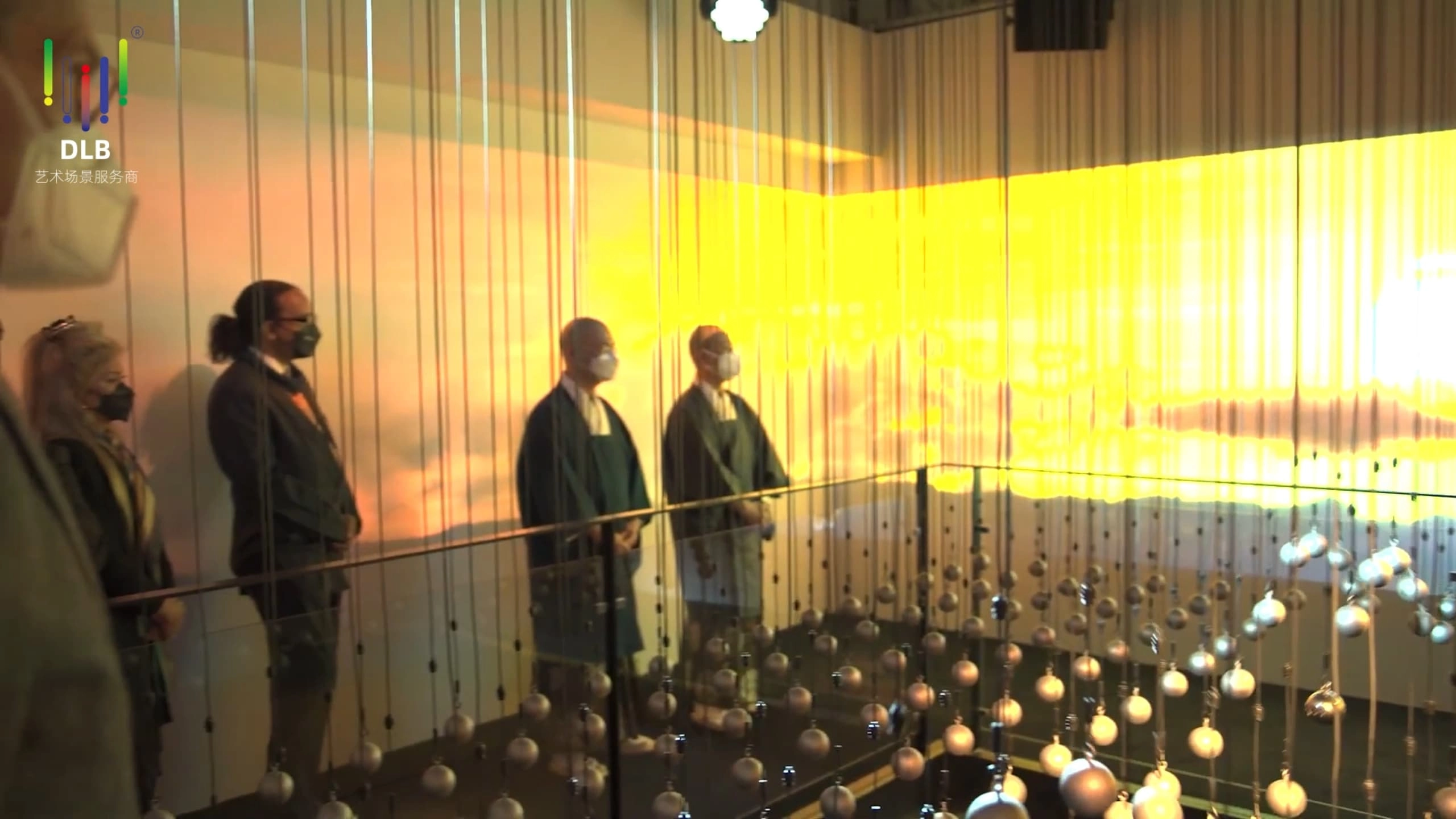
Divine Light Through a Thousand Years Analysis of Lighting Design & Application for the 800th Anniversary of the Great Saint’s Birth in Japan
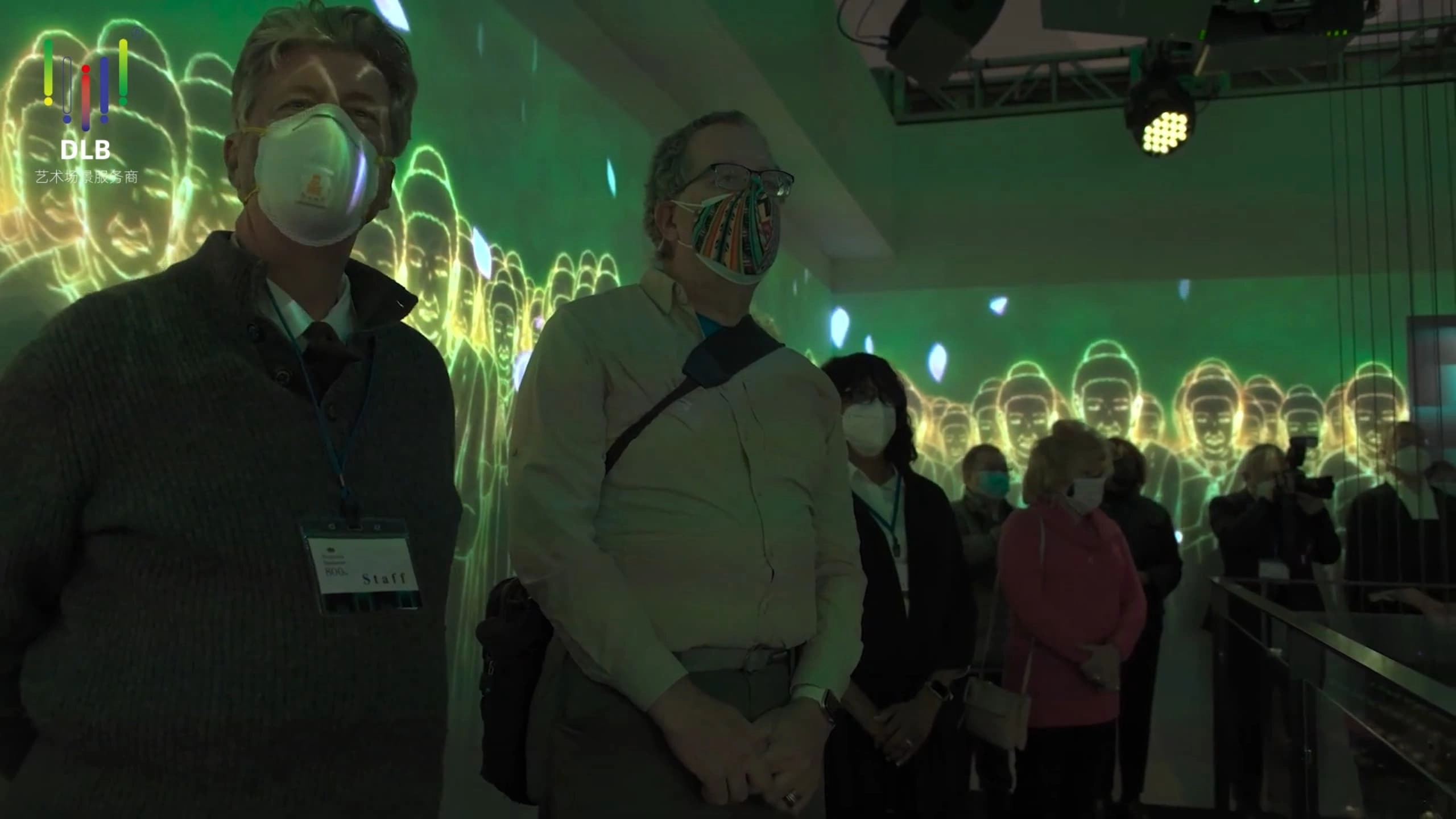
Divine Light Through a Thousand Years – Lighting Design & Application Sharing for the 800th Anniversary of the Great Saint’s Birth in Japan
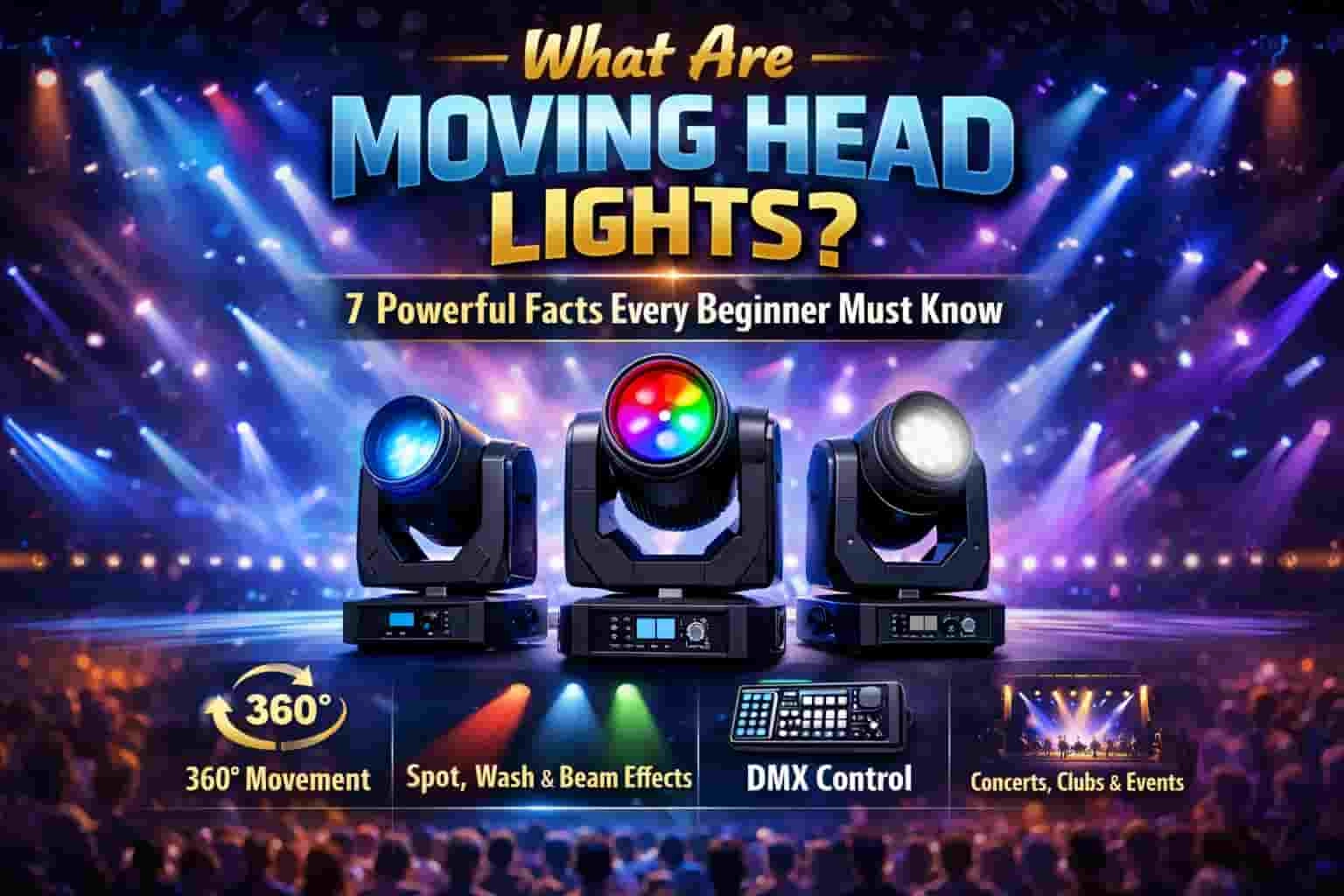
What Are Moving Head Lights? 7 Powerful Facts Every Beginner Must Know
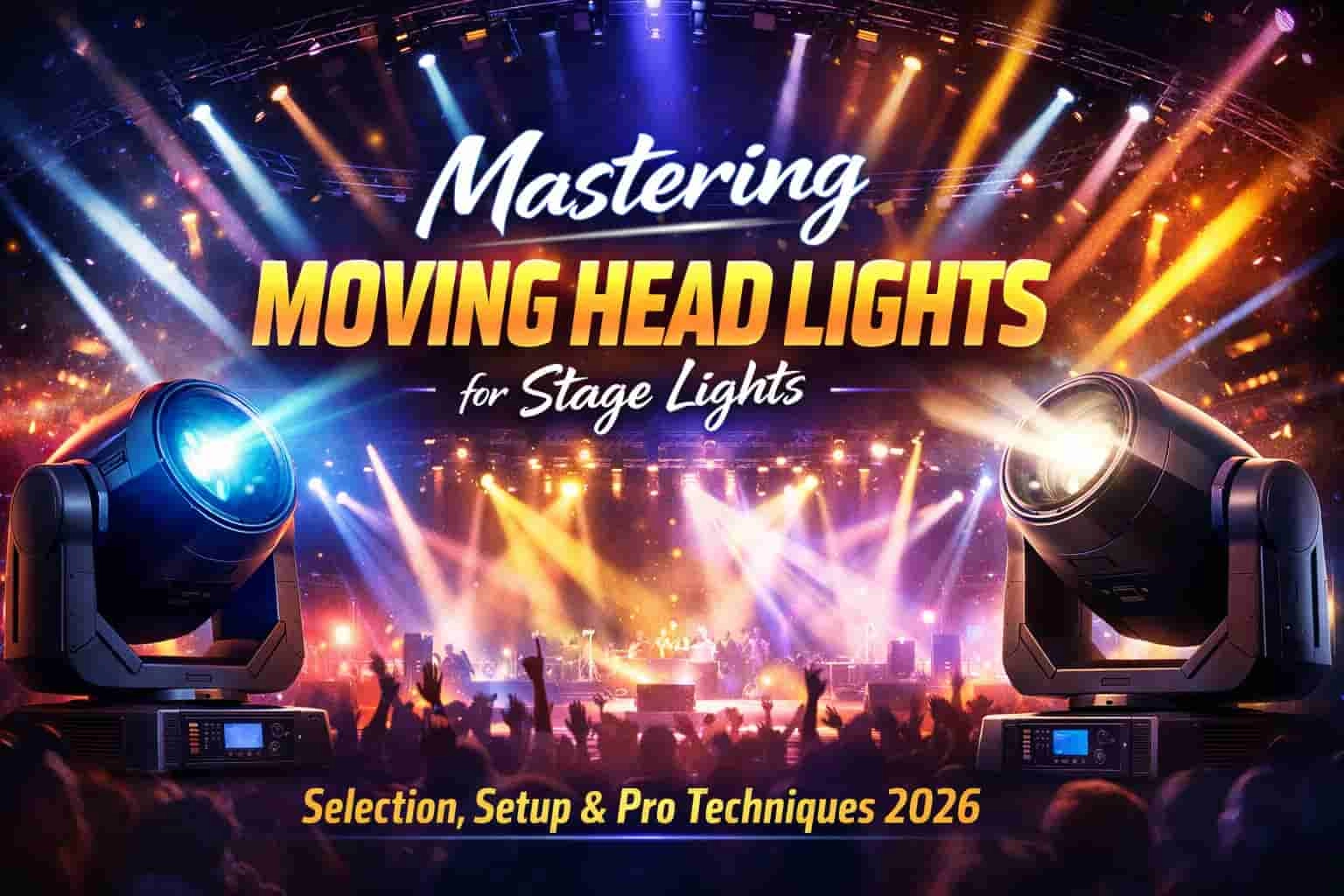
Mastering Moving Head Lights for Stage Lights: Selection, Setup & Pro Techniques 2026
Creativity & Special Effects
What is a Gobo, and how is it used in stage lights?
A Gobo is a metal or glass patterned slide inserted into profile lights. Stage lights project Gobos (leaves, windows, textures, logos) onto stages, floors, or backdrops to enrich visual detail.
Maintenance & Safety
What is the typical lifespan of an LED stage light?
For a qualified LED stage light, the LED light source typically lasts more than 50,000 hours. Actual lifespan also depends on heat dissipation, operating environment, and driver circuit quality.
Design & Application
How to achieve visual integration between stage lights and large LED screens?
Match the color, brightness, and movement of stage lights to the screen’s dominant tone. A media server is often used for unified control to prevent stage lights from washing out or conflicting with screen content.
Education & Career
How can freelance stage light technicians build a client network?
Start with local small shows, demonstrate professionalism, share work on social media, build relationships with theaters, event companies, and production managers. Reputation and reliability drive repeat business.
How to start learning to become a stage light designer?
Begin with foundational theory: optics, color science, and electrical engineering. Watch many performances, learn to operate mainstream lighting consoles, and gain hands-on experience by assisting small shows.
Equipment & Installation
What general principles apply to the mounting height and angle of stage lights?
A general rule for front-facing stage lights: mounting height should be at least half the width of the performance area, with a vertical angle of 30–45 degrees to minimize unwanted shadows under performers.
Basic Concepts & Types
What is an LED stage light, and what are its advantages?
An LED stage light is a luminaire that uses light-emitting diodes (LEDs) as its light source. Its advantages include energy efficiency, long lifespan, low heat generation, rich color mixing, and instant on/off control.
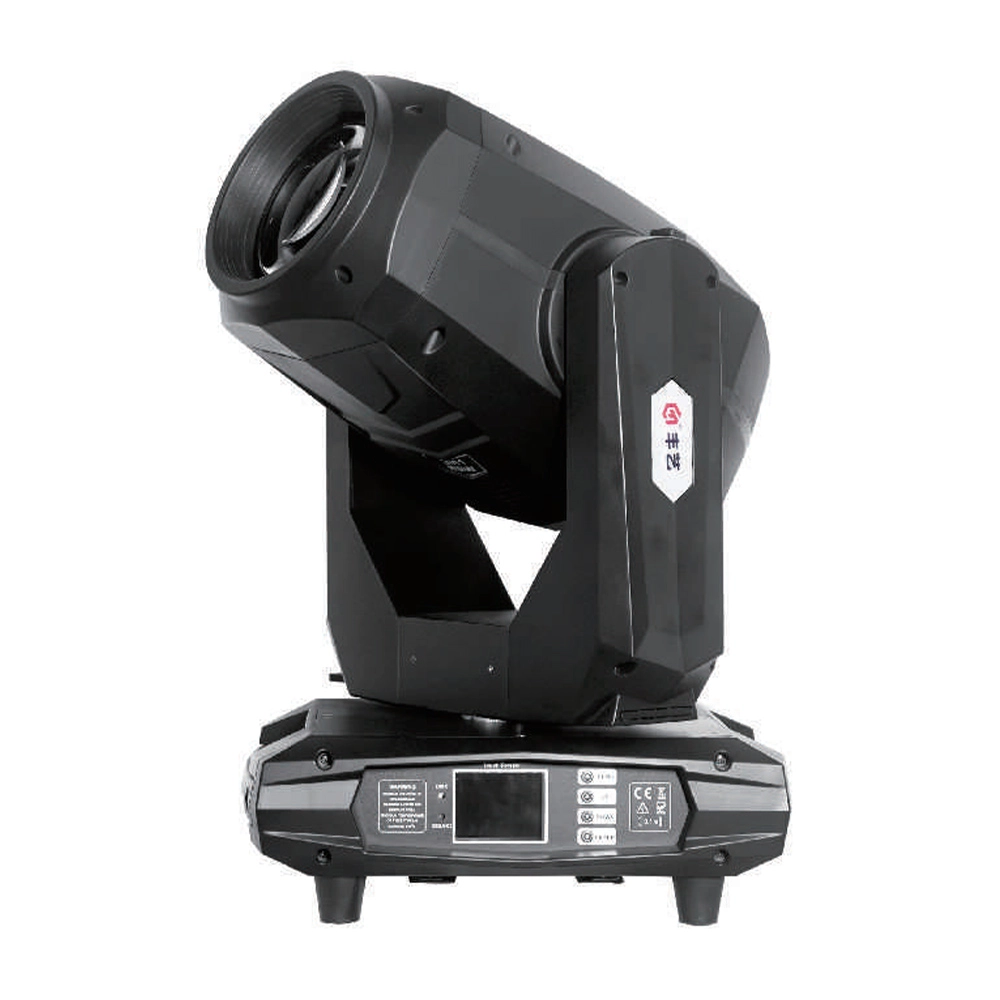
Fengyi 480W All-in-One Moving Head Beam Light Professional Stage Lighting FY-BM-10003
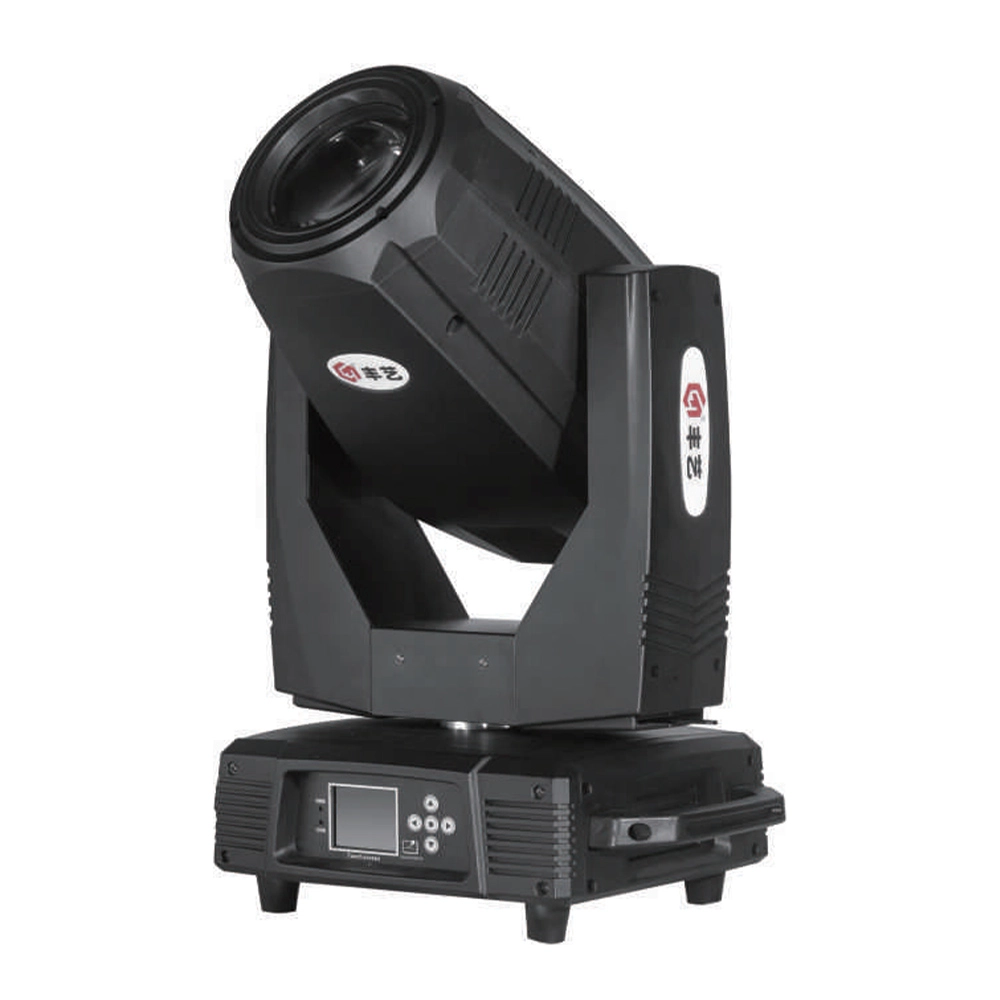
Fengyi 380W Intelligent Moving Head Stage Lights All-in-One System FY-BM-10002
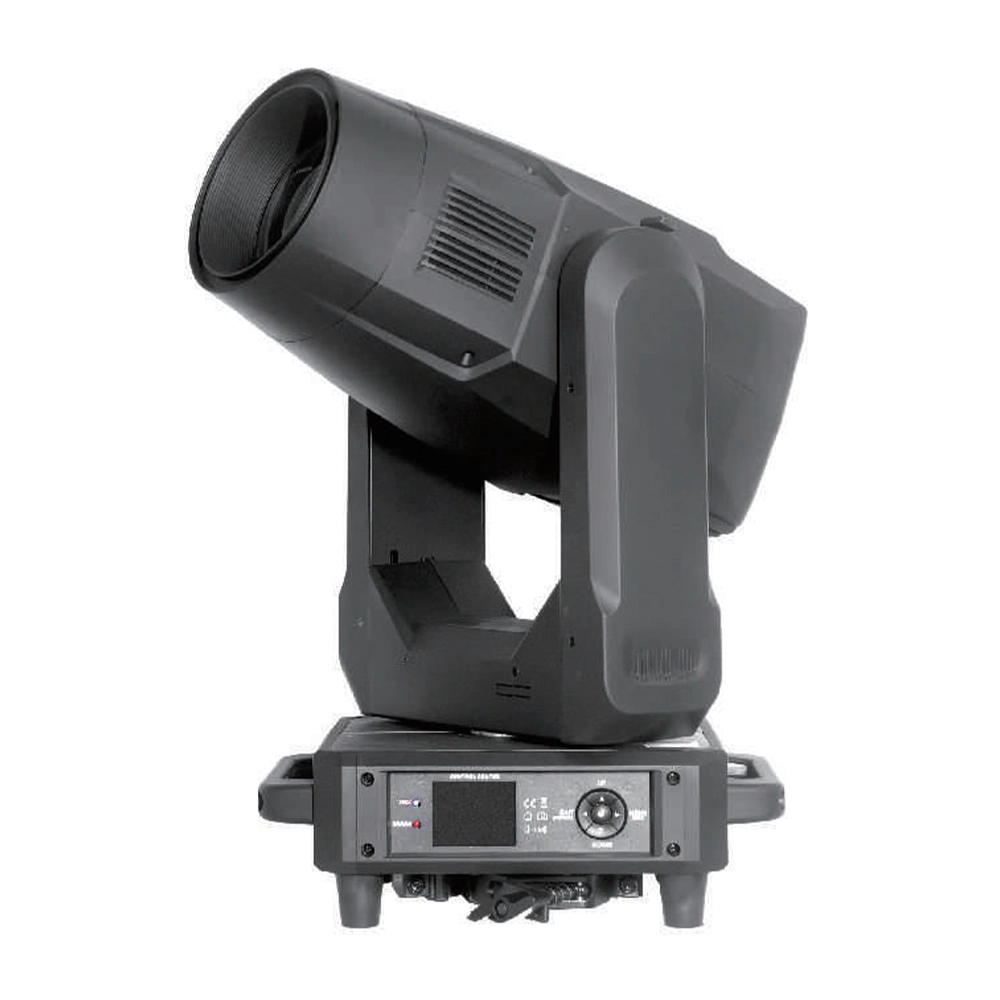
Fengyi 700W Profile Cutting Stage Moving Head Light Professional Event Fixture FY-SP-20003
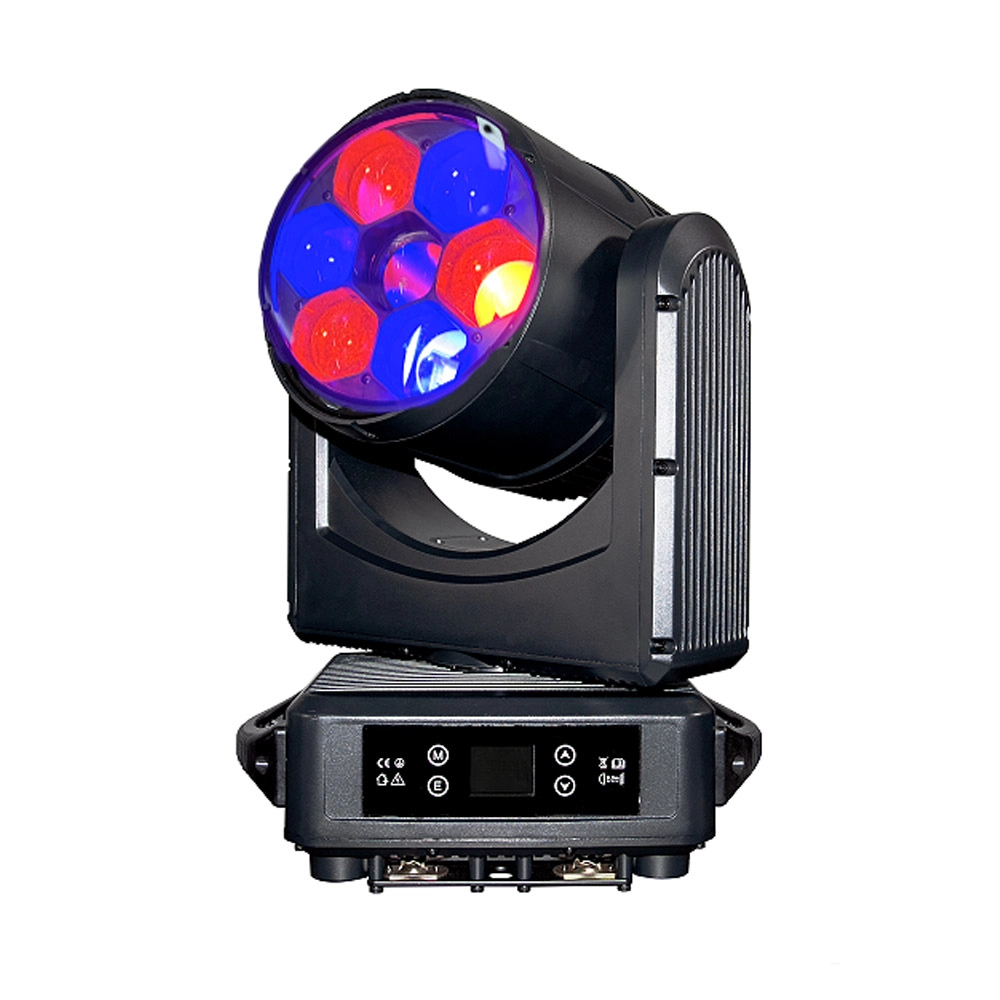
Fengyi 7x60W Waterproof Bee Eye Moving Head Professional LED Stage Lights for Concerts
The Fengyi 7*60 Waterproof Bee Eye offers powerful LED stage lights for concerts with reliable moving head stage lights and DMX control. Designed for outdoor use, it ensures vibrant, dynamic lighting performance in all weather, perfect for professional stage and event setups.
Inquire About Our Moving Head Stage Lights
* Fill The Form
Contact
Building 5, No. 34, Fuyuan Road, Jinghu Industrial Zone, Xinhua Town, Huadu District, Guangzhou, China.
WhatsApp: +86 181 2742 0174
Tel. +86(20) 8642 3596
Ph. +86 150 1870 4285
More information
© 2026 Fengyi. All Rights Reserved.
Fengyi Light
Fengyi Light
Fengyi Light
Fengyilighting