
Mastering Moving Head Lights for Stage Lights: Selection, Setup & Pro Techniques 2026
- Introduction to Moving Head Lights in Stage Lighting
- What Are Moving Head Lights and How Do They Work?
- Types of Moving Head Lights in Stage Lighting
- Key Factors When Choosing Moving Head Lights
- Applications of Moving Head Lights in Stage Lighting
- Designing Professional Lighting with Moving Head Lights
- Installation, Setup, and Control Basics
- Programming and Live Operation Techniques
- Maintenance and Troubleshooting Moving Head Lights
- Buying Guide for Moving Head Lights
- Future Trends in Moving Head Lights
- FAQ – Moving Head Lights in Stage Lighting
- Conclusion
Introduction to Moving Head Lights in Stage Lighting
In modern entertainment production, moving head lights have become the backbone of professional stage lights systems. From concerts and theaters to nightclubs and large-scale festivals, these intelligent lighting fixtures deliver movement, color control, and visual energy that traditional static lights cannot achieve.
Unlike conventional lighting, moving head lights can pan, tilt, zoom, and change colors dynamically, allowing lighting designers to build immersive visual environments that respond to music, storytelling, and audience energy. Today, they are no longer optional—they are essential tools in professional lighting design.
What Are Moving Head Lights and How Do They Work?
Moving head lights are automated lighting fixtures designed to move freely in multiple directions while projecting controlled beams of light. They are widely used in modern stage lights setups because of their precision and flexibility.
At their core, these fixtures combine four key systems: a high-intensity light source (LED or discharge lamp), motorized movement (pan and tilt), optical shaping (lenses and zoom), and digital control systems such as DMX or Art-Net.
Together, these components allow lighting designers to program complex scenes where lights move, change color, and shift intensity in perfect synchronization with performances. This digital control system is what makes moving head lights so powerful in modern stage production.
Types of Moving Head Lights in Stage Lighting
There are several major types of moving head lights, each serving a specific role in stage lights design.
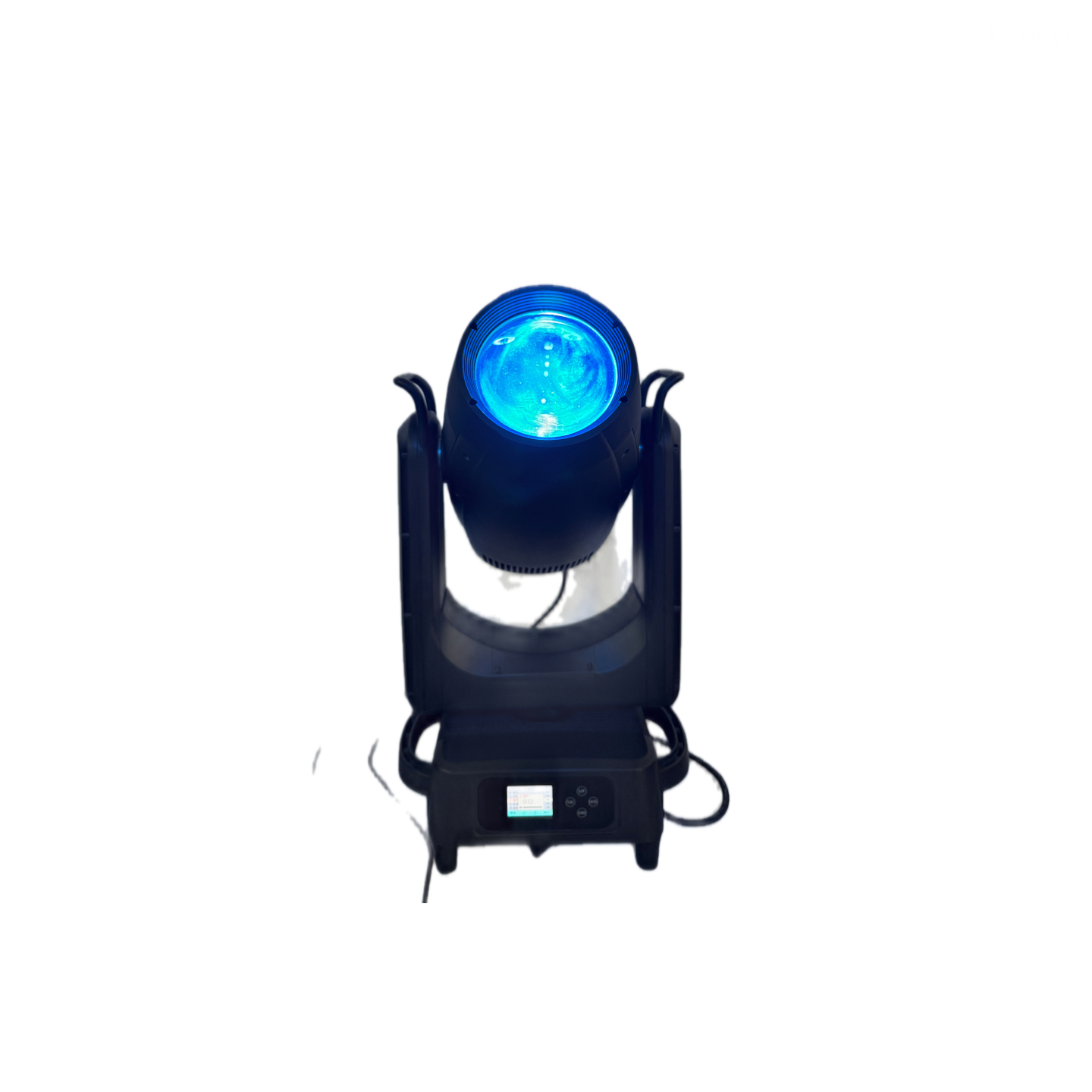
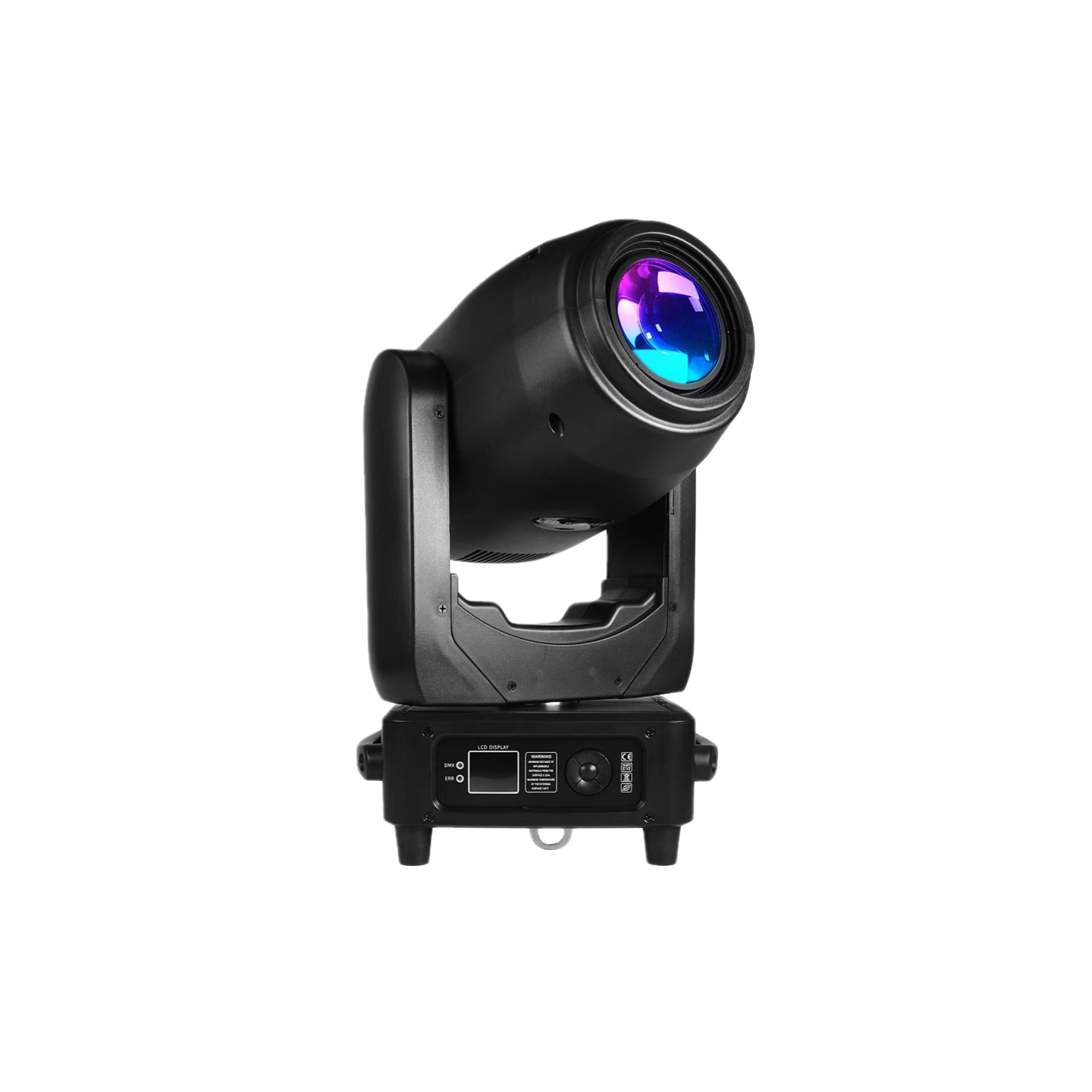
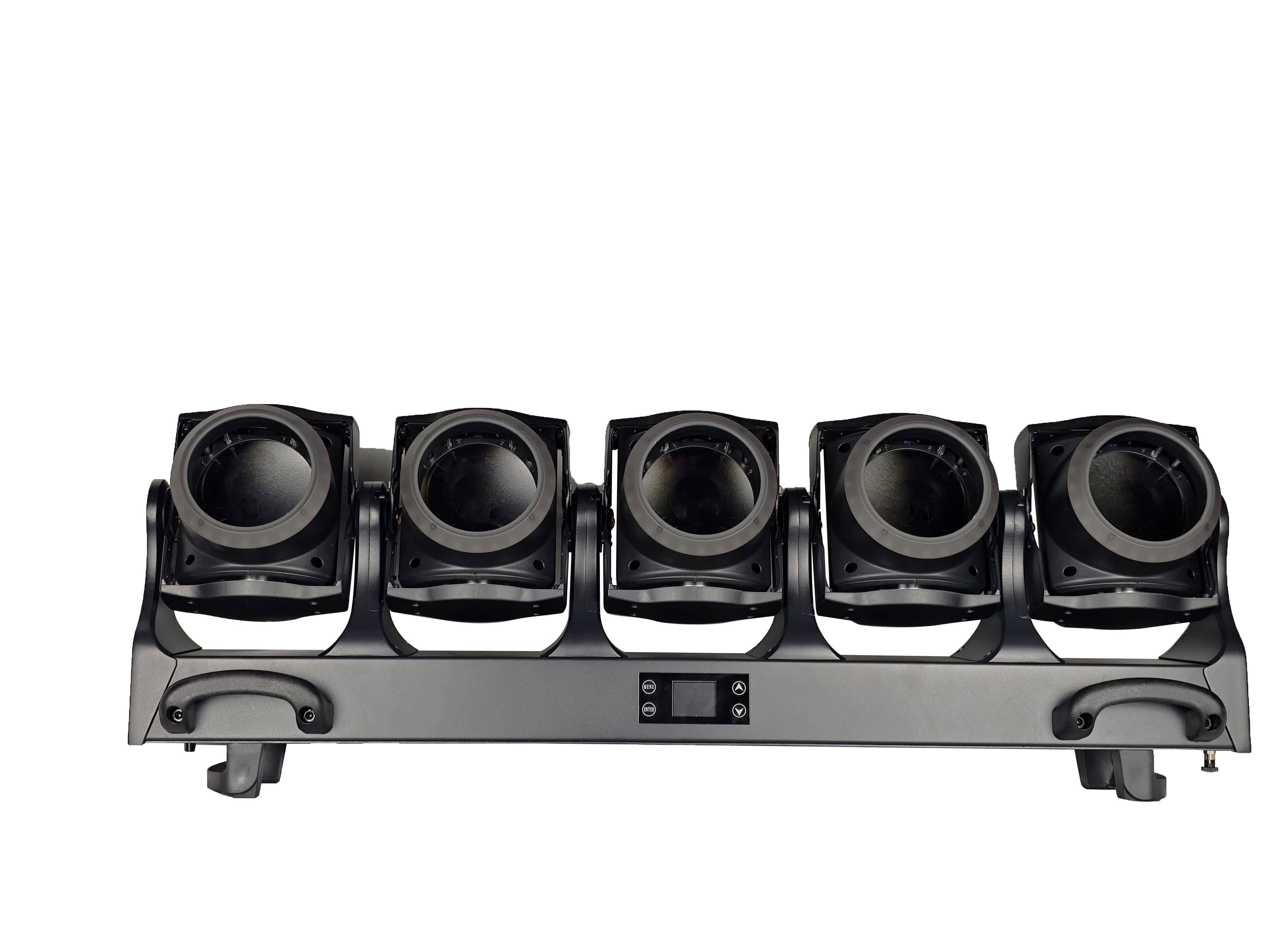
- Spot moving head lights are designed for precision and detail. They are typically used to highlight performers, project patterns (gobos), and create sharp, focused visual effects. Their strength lies in control and clarity, making them ideal for theater and corporate events.
- Wash moving head lights are built for coverage. They produce soft, wide beams that evenly color large areas of a stage or venue. These lights are commonly used in concerts and festivals to build atmosphere and fill backgrounds with smooth color transitions.
- Beam moving head lights are designed for intensity and impact. They generate narrow, powerful beams that cut through fog and haze, creating dramatic aerial effects often seen in nightclubs and high-energy performances.
- Hybrid moving head lights combine the features of spot, wash, and beam fixtures into a single unit. This versatility makes them especially popular for touring productions and venues that require flexible lighting setups without changing equipment.
Key Factors When Choosing Moving Head Lights
When selecting moving head lights for professional stage lights, several technical factors determine performance and suitability.
- Brightness is one of the most important considerations, as it directly affects visibility in large or outdoor venues. Higher lumen output is essential for concerts and festivals, while smaller indoor venues may require less intensity.
- Beam control is another critical factor. Narrow beam angles create focused, dramatic effects, while wider angles are better for ambient lighting and stage coverage. Zoom functionality adds flexibility by allowing a single fixture to adapt to multiple scene requirements.
- Color systems also play a major role. RGBW systems are commonly used for fast and vibrant color mixing, while CMY systems offer smoother transitions and more precise color blending for professional productions.
- Movement range determines how creatively a fixture can be used. A wider pan and tilt range allows more dynamic positioning, which is especially useful in concerts and large-scale shows.
- Control protocols such as DMX, Art-Net, and RDM ensure seamless communication between lighting consoles and fixtures, enabling precise programming and synchronization.
Applications of Moving Head Lights in Stage Lighting
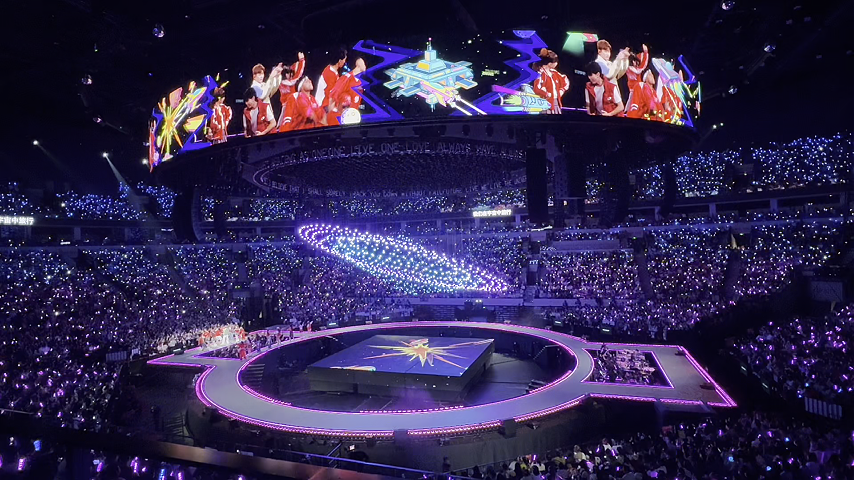
Zhang Jie – Unplugged Live Tour – “To 1982” World Tour Concert – Spring Festival Edition
In concerts and live music events, moving head lights are used to create energy-driven visual experiences that match the rhythm and intensity of music. Rapid movement, color shifts, and beam effects are synchronized with sound to amplify audience engagement.
In theater productions, lighting is more controlled and narrative-driven. Moving head lights help highlight actors, shift emotional tone, and guide audience attention throughout the performance without distracting from the story.
In nightclubs and DJ performances, lighting becomes part of the entertainment itself. Beam and strobe effects are used heavily to create rhythmic, high-energy environments that match electronic music beats.
In corporate events and conferences, the focus shifts to professionalism and clarity. Wash lights are commonly used to illuminate stages, presenters, and branding elements in a clean and balanced way.
In TV studios and broadcast environments, consistency is critical. LED moving head lights are preferred because they offer stable color output, low noise, and flicker-free performance suitable for cameras.
In outdoor festivals and large events, high-powered moving head lights are used to project light over long distances, ensuring visibility across wide audience areas and creating large-scale visual impact.
Designing Professional Lighting with Moving Head Lights
Effective lighting design is about layering. Designers combine key lighting, ambient lighting, and accent lighting to create depth and visual structure on stage. Moving head lights play a key role in all three layers depending on their configuration.
Synchronization with music is another essential technique. Using DMX controllers, lighting scenes can be programmed to follow tempo and rhythm, creating immersive audiovisual experiences where light becomes part of the performance.
Color psychology also plays a major role in stage design. Warm colors like red and orange are used to generate excitement and energy, while cooler tones like blue and green create calm or emotional atmospheres. Lighting designers carefully combine these effects to influence audience perception.
Installation, Setup, and Control Basics
Installing moving head lights requires careful attention to safety and structure. Fixtures are typically mounted on truss systems with safety cables to prevent accidents during performances.
Proper power distribution ensures stable operation, especially in large setups with multiple fixtures. Incorrect wiring or overload can lead to performance issues or equipment failure.
Each light must be assigned a unique DMX address so that it can be individually controlled within the lighting system. This setup is critical for ensuring smooth operation during live shows.
Programming and Live Operation Techniques
Lighting consoles are used to program scenes, transitions, and effects before performances. These pre-programmed settings allow operators to switch between lighting moods instantly during live events.
Advanced users often create macros and cue lists that automate complex lighting sequences. This reduces manual workload and ensures consistency throughout the show.
During live performances, lighting operators may adjust settings in real time based on audience response, music dynamics, or performer movement, making the lighting feel more responsive and alive.
Maintenance and Troubleshooting Moving Head Lights
Regular maintenance is essential to keep moving head lights performing at their best. Cleaning lenses and ventilation systems prevents dust buildup that can reduce brightness and cause overheating.
Common issues include flickering, which is often caused by DMX signal problems, and movement errors, which may result from motor calibration issues. Color inconsistencies are usually resolved through recalibration or firmware updates.
Proper maintenance practices such as controlled usage, cooling management, and periodic inspection significantly extend the lifespan of stage lighting equipment.
Buying Guide for Moving Head Lights
When choosing between budget and professional models, the decision should be based on application. Entry-level fixtures are suitable for small venues and learning environments, while professional-grade lights are designed for touring productions and large events.
LED technology has largely replaced traditional discharge lamps due to its energy efficiency, long lifespan, and faster response time. This makes LED-based moving head lights the standard in modern stage lighting.
Future Trends in Moving Head Lights
The future of moving head lights in stage lights is moving toward intelligent automation and sustainability. AI-powered lighting systems are beginning to analyze music and automatically generate lighting sequences in real time.
Wireless DMX technology is also becoming more common, reducing cable complexity and improving setup flexibility. At the same time, energy-efficient designs are helping reduce power consumption in large-scale productions.
FAQ – Moving Head Lights in Stage Lighting
1. What makes moving head lights different from traditional stage lights?
They offer motion, color control, and programmable effects, unlike fixed lighting.
2. Are moving head lights suitable for small venues?
Yes, compact models are widely used in small clubs and theaters.
3. How are moving head lights controlled?
They are controlled using DMX or network-based systems like Art-Net.
4. What is the lifespan of LED moving head lights?
Typically between 20,000 and 50,000 hours depending on usage.
5. Can moving head lights be used outdoors?
Yes, but only weather-rated models should be used outdoors.
6. What is the difference between beam, spot, and wash lights?
Beam lights create narrow effects, spot lights focus sharply, and wash lights provide wide coverage.
Conclusion
Moving head lights have transformed modern stage lights design by introducing motion, flexibility, and digital control into lighting systems. From concerts and theaters to corporate events and festivals, they enable lighting designers to create immersive visual experiences that elevate performances.
As technology continues to evolve, these fixtures will become even more intelligent, efficient, and creative—making them an indispensable part of the future of stage lighting.
If you’d like expert advice, product recommendations, or a customized lighting solution, feel free to contact us anytime at sales@fyilight.com. Our team is ready to help you choose the right moving head lights for your stage and bring your lighting vision to life.
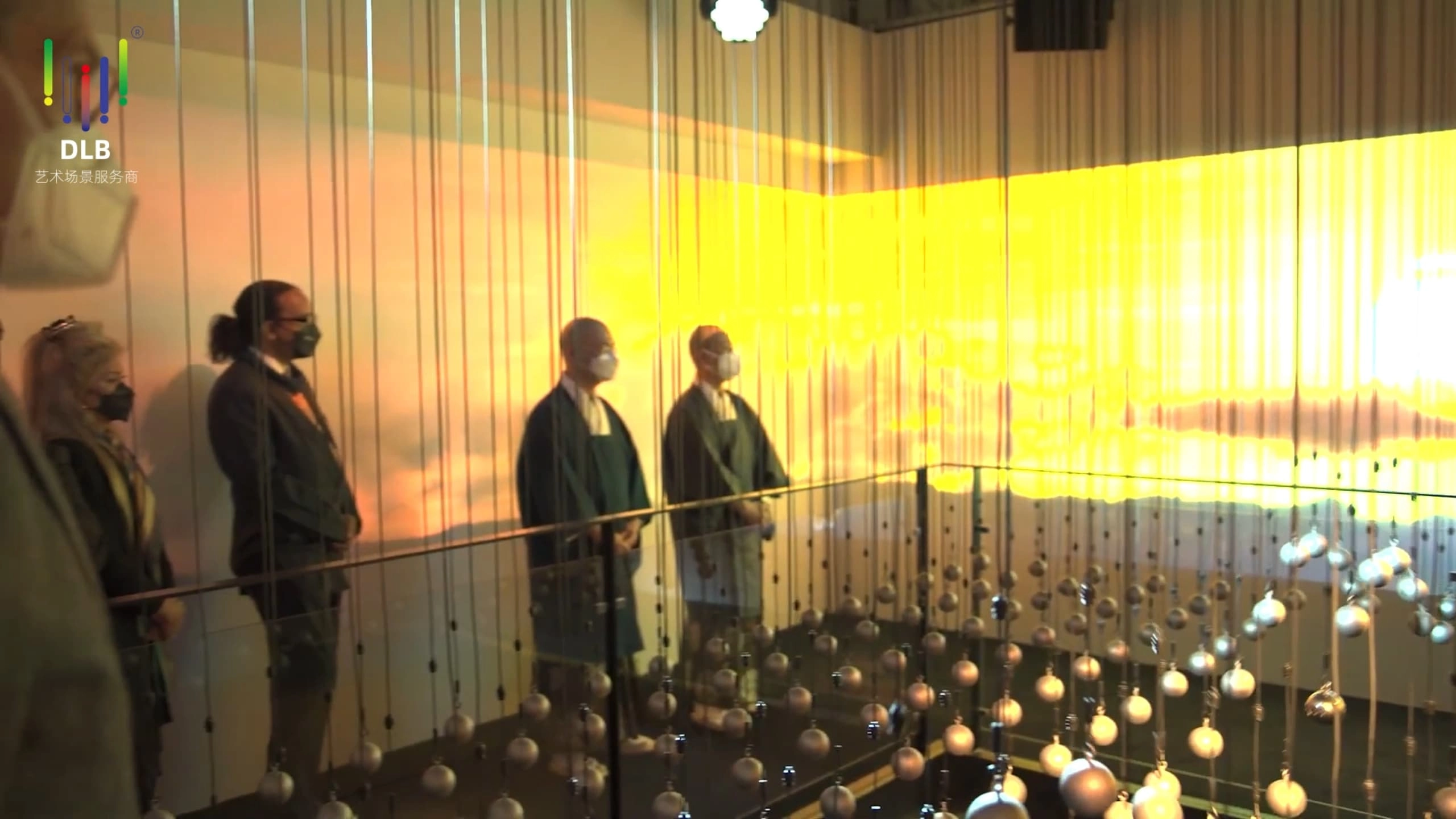
Divine Light Through a Thousand Years Analysis of Lighting Design & Application for the 800th Anniversary of the Great Saint’s Birth in Japan
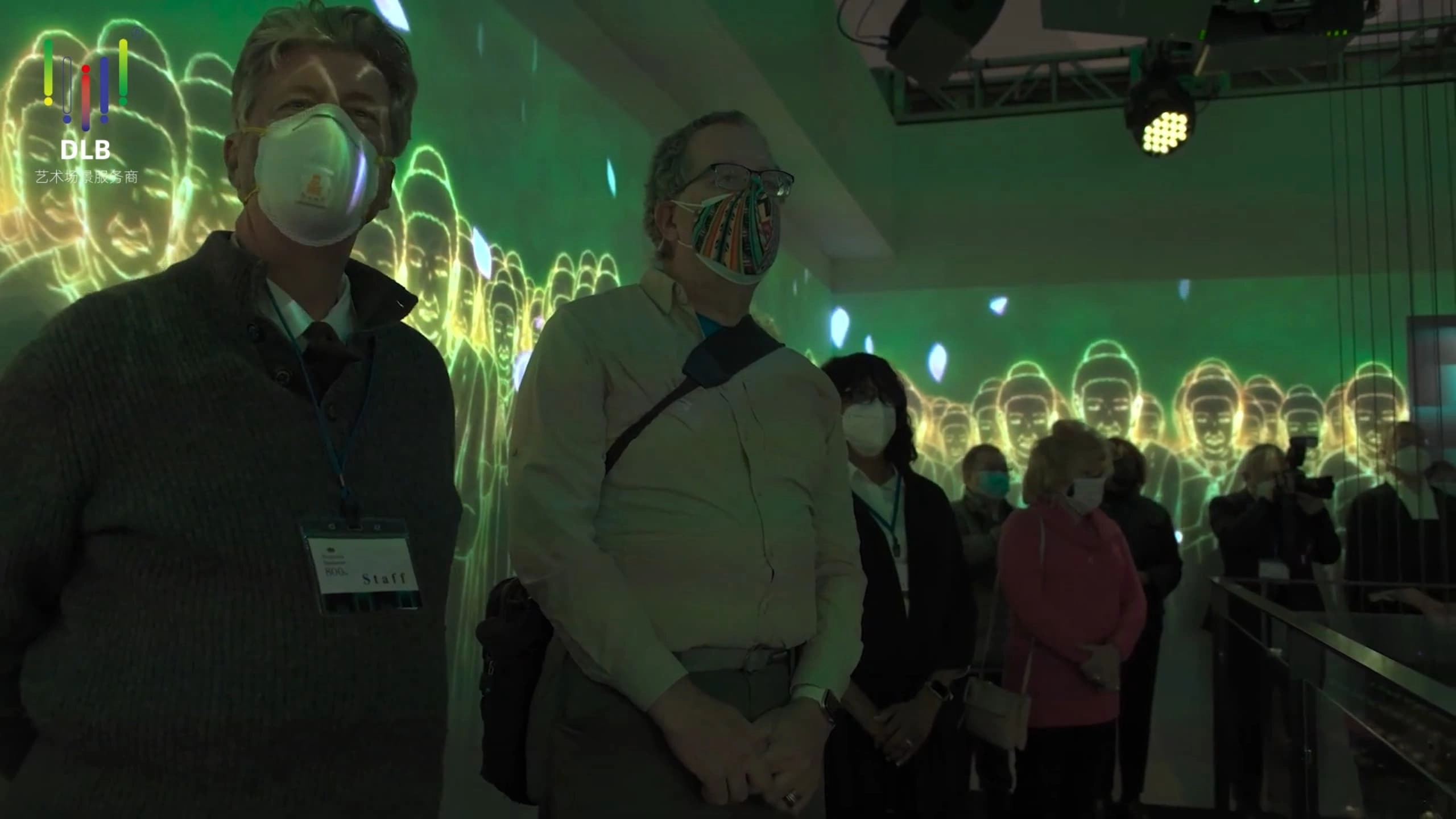
Divine Light Through a Thousand Years – Lighting Design & Application Sharing for the 800th Anniversary of the Great Saint’s Birth in Japan
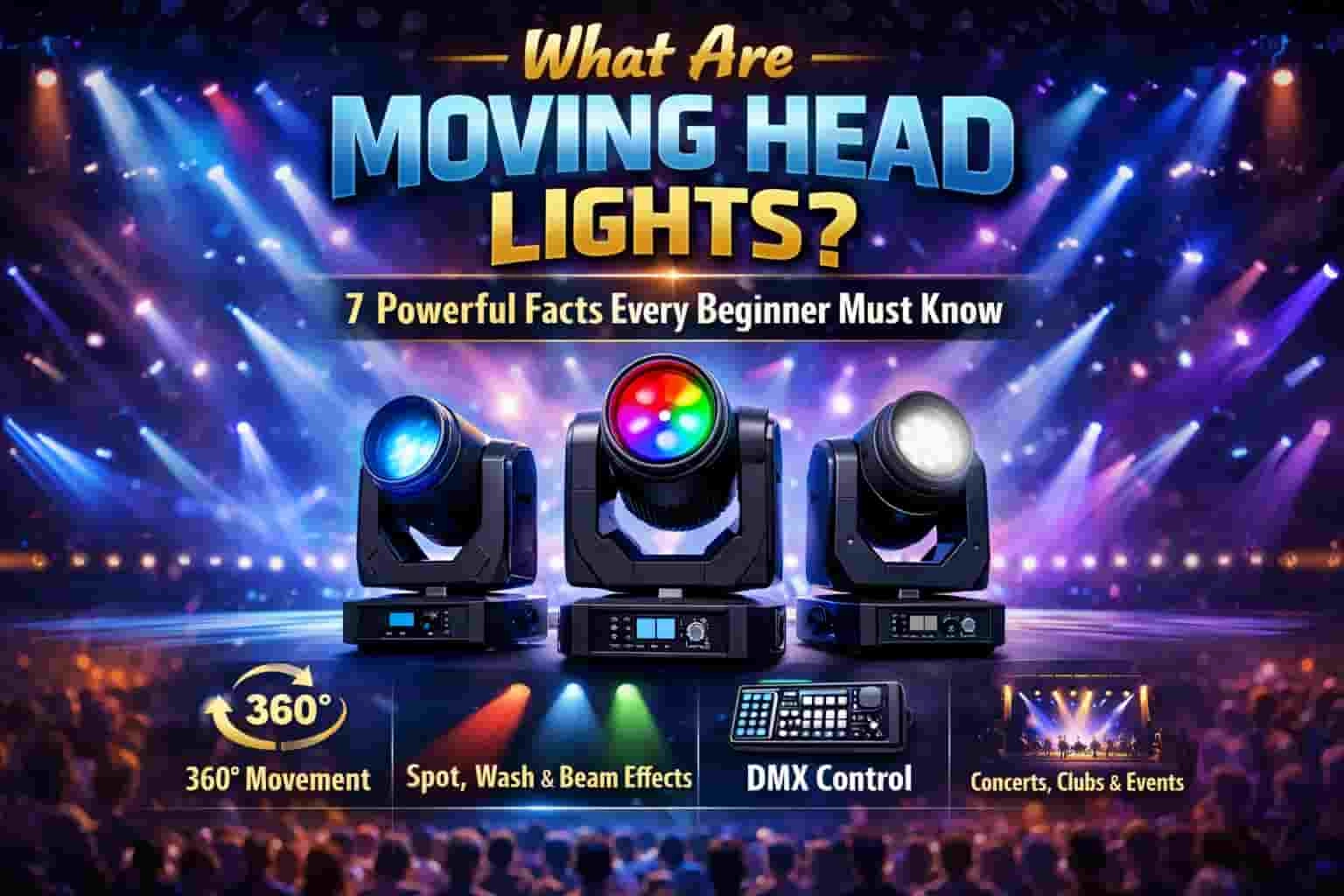
What Are Moving Head Lights? 7 Powerful Facts Every Beginner Must Know
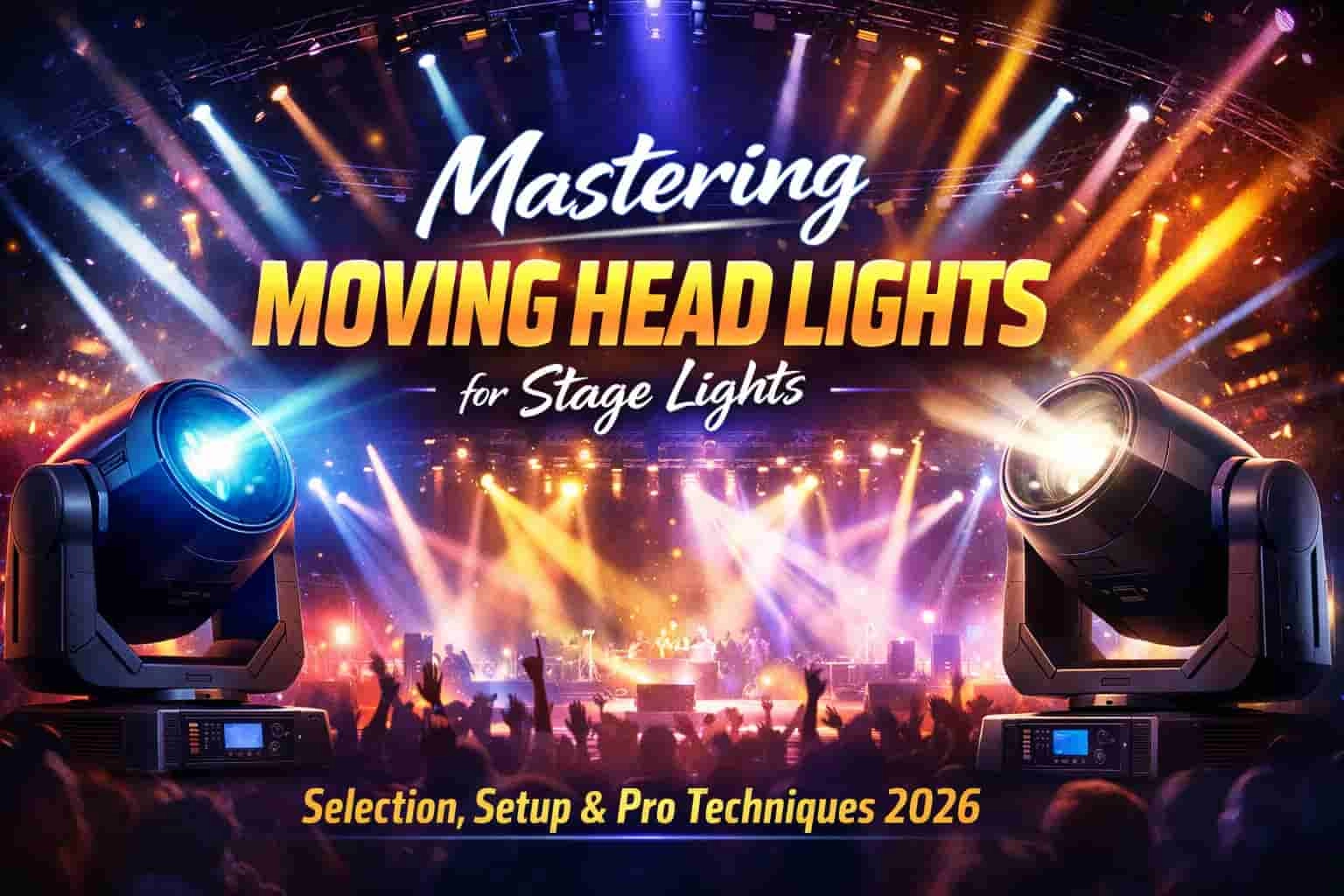
Mastering Moving Head Lights for Stage Lights: Selection, Setup & Pro Techniques 2026
Technology & Parameters
In RGB/RGBA stage lights, what do the letters A and W represent?
In RGBA stage lights, A stands for Amber, used to improve skin tone rendering. In RGBW stage lights, W stands for White, used to provide pure white light and expand the color mixing range.
How does beam angle affect the effect of stage lights?
Beam angle determines the width of the light cone emitted by stage lights. Narrow beam angles are used for accent lighting, while wide beam angles are used for large-area washing. Choosing the right angle is essential for precise light control.
How does the DMX512 protocol control stage lights?
DMX512 is a standard digital communication protocol. It sends signals from a console, assigns independent channels to each stage light, and precisely controls brightness, color, position, and other attributes.
Maintenance & Safety
How to select suitable power cables for touring stage light systems?
Choose flexible, abrasion-resistant rubber-jacketed cables (such as SOOW). Cross-section is calculated based on total power and distance, with 20–30% capacity margin recommended, along with industrial connectors such as Powercon.
What conditions should be observed for long-term storage of stage lights?
Store in a dry, ventilated, temperature-stable environment. Power on equipment for several hours every quarter to expel moisture and maintain the performance of capacitors and other components.
Education & Career
Where can I find authorized certification training for stage light consoles?
Official certification courses and global training centers are listed on manufacturer websites (MA Lighting, Avolites, etc.). These courses are the main path to industry-recognized qualifications.
Equipment & Installation
How to quickly troubleshoot stage lights that suddenly fail to turn on?
Quick troubleshooting steps:
Check power connection.
Check DMX cables and address settings.
Check fixture fuses or breakers.
Verify console output and programmed cues.
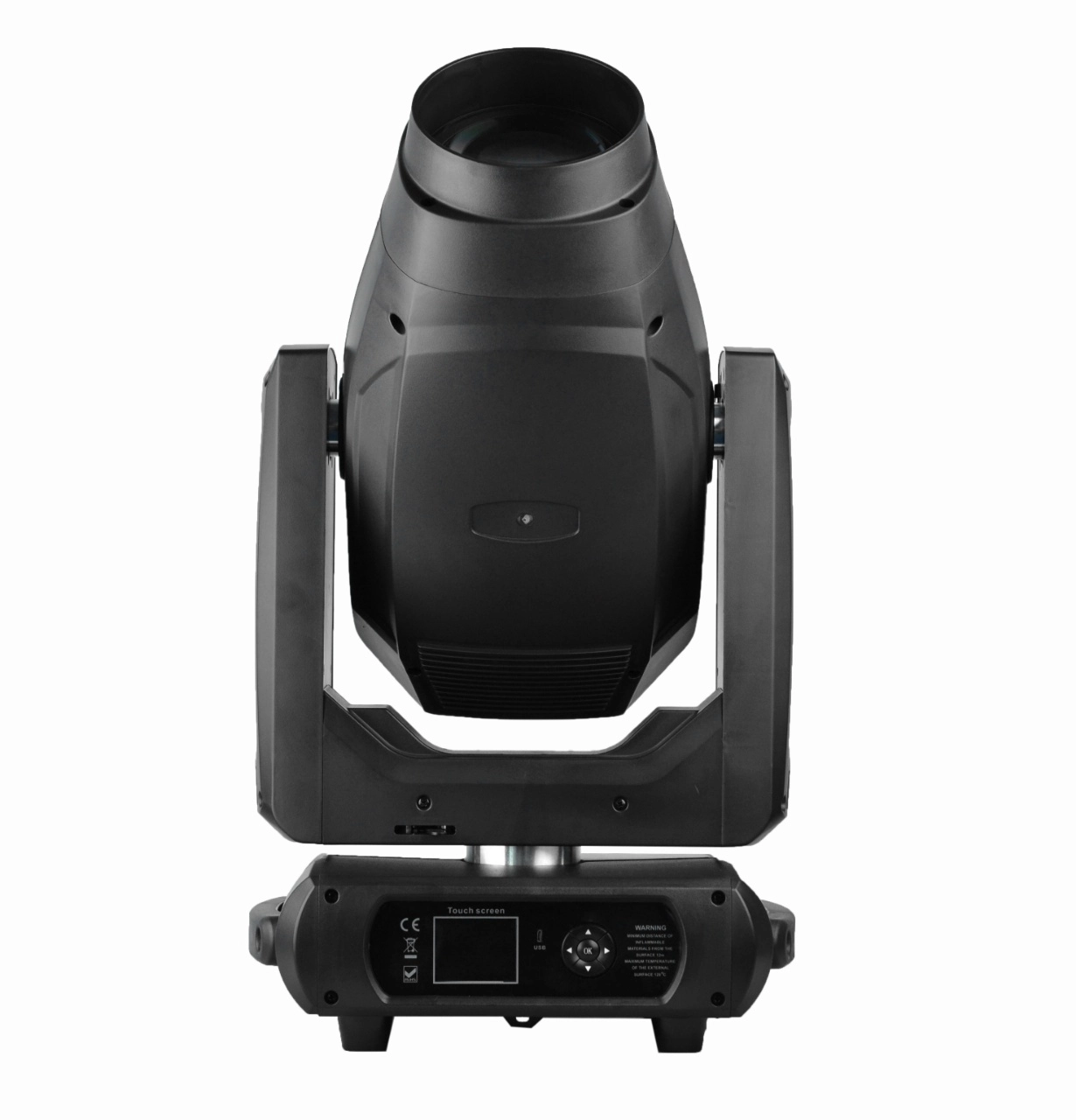
Fengyi 400W CMY LED BSW Hybrid Professional Moving Head Lights
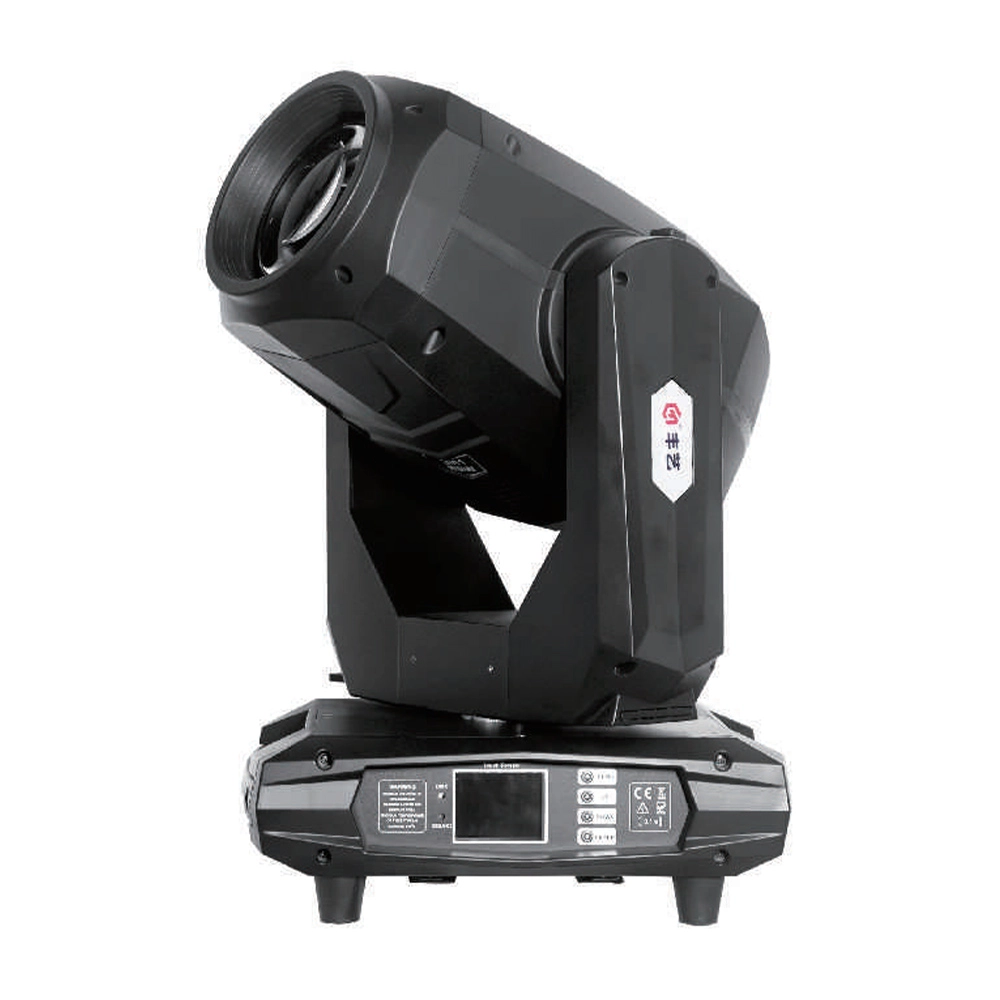
Fengyi 480W All-in-One Moving Head Beam Light Professional Stage Lighting FY-BM-10003
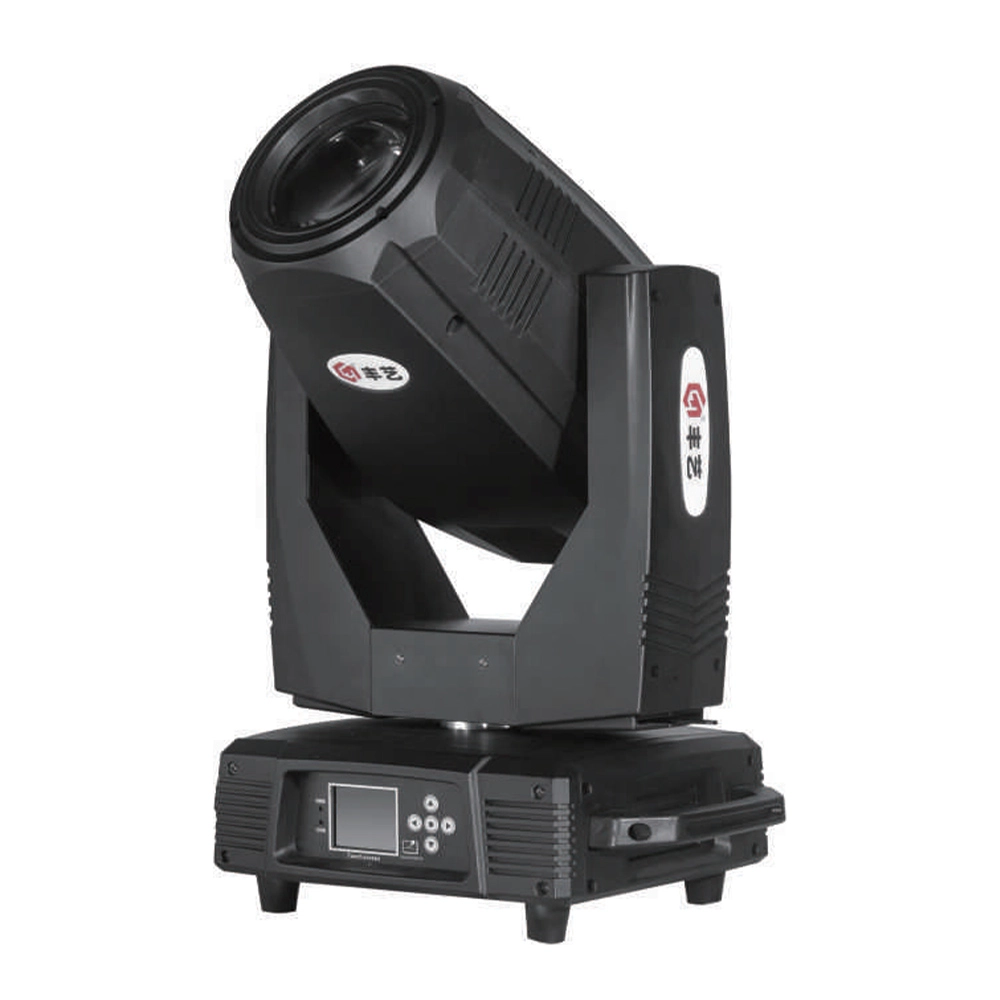
Fengyi 380W Intelligent Moving Head Stage Lights All-in-One System FY-BM-10002
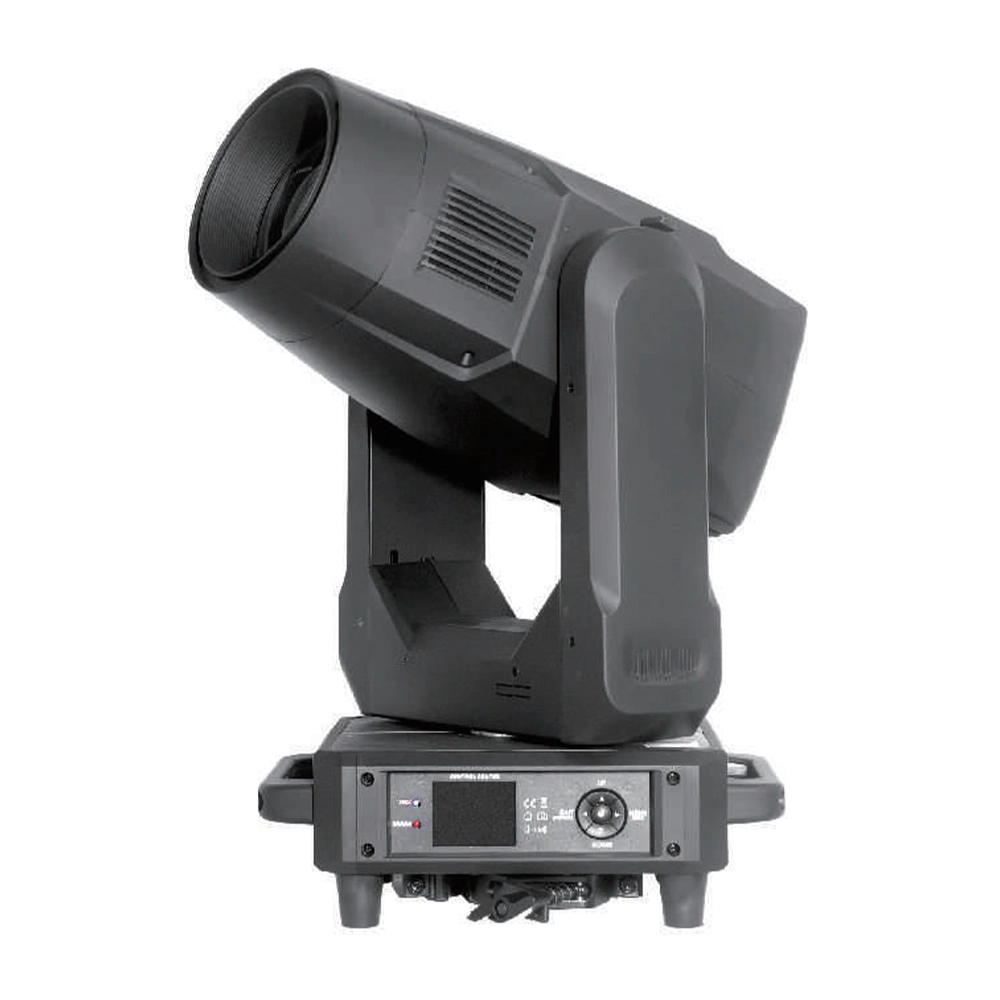
Fengyi 700W Profile Cutting Stage Moving Head Light Professional Event Fixture FY-SP-20003
Inquire About Our Moving Head Stage Lights
* Fill The Form
Contact
Building 5, No. 34, Fuyuan Road, Jinghu Industrial Zone, Xinhua Town, Huadu District, Guangzhou, China.
WhatsApp: +86 181 2742 0174
Tel. +86(20) 8642 3596
Ph. +86 150 1870 4285
More information
© 2026 Fengyi. All Rights Reserved.
Fengyi Light
Fengyi Light
Fengyi Light
Fengyilighting