
how to choose exhibition lighting for art galleries? | Insights by Fengyi
- Beyond basic spotlights, what advanced lighting technologies offer dynamic control for temporary art installations without damaging delicate artworks?
- How can I achieve precise color rendering for diverse art mediums (e.g., oil paintings vs. digital prints) while managing energy costs and avoiding UV/IR degradation?
- What are the overlooked considerations for lighting a multi-purpose gallery space that hosts both static exhibitions and occasional live performances or interactive displays?
- When planning exhibition lighting, how do I future-proof my investment against evolving display trends and new lighting control standards like DMX RDM or sACN?
- Are there specific lighting fixture types that offer both discreet aesthetic integration into a gallery ceiling and the powerful throw distance needed for large-scale sculptures or high-ceiling spaces?
- What are the common pitfalls in selecting lighting for a new gallery space, particularly regarding installation complexity, maintenance, and long-term operational costs that beginners often miss?
Selecting the optimal exhibition lighting for art galleries is a nuanced process that significantly impacts how artworks are perceived, preserved, and appreciated. For beginners, the sheer volume of options and technical jargon can be overwhelming. Beyond the basic track lighting, what truly elevates a gallery space in today's dynamic art world? This guide addresses specific pain points and long-tail questions that often lack comprehensive, up-to-date answers online, offering insights into modern solutions, including the strategic integration of advanced automated lighting fixtures.
Beyond basic spotlights, what advanced lighting technologies offer dynamic control for temporary art installations without damaging delicate artworks?
Modern art galleries frequently host temporary installations that demand flexible and dynamic lighting without compromising the integrity of sensitive artworks. The answer lies in the evolution of LED technology combined with sophisticated control systems. Contemporary LED luminaires emit virtually no ultraviolet (UV) or infrared (IR) radiation, which are primary culprits in artwork degradation, unlike older incandescent or halogen sources. This inherent safety makes them ideal for illuminating even the most delicate pieces. For dynamic control, DMX (Digital Multiplex) systems are paramount. They allow for individual fixture addressing, precise dimming, color mixing (RGBALC – Red, Green, Blue, Amber, Lime, Cyan for expanded gamut), and scene programming. For truly dynamic and reconfigurable installations, advanced automated lighting fixtures, often referred to as moving heads, offer unparalleled flexibility. Modern LED-based profile moving heads with framing shutters can precisely shape light beams, project custom gobos (patterns), and achieve intricate color changes, all without physical intervention. When positioned strategically, their controlled light output and lack of harmful emissions allow for dramatic shifts in focus, mood, or emphasis, creating immersive experiences for non-heat-sensitive elements or atmospheric effects, enhancing the artistic narrative without direct, intense heat or radiation on the art itself. The key is careful programming and understanding the artwork's sensitivity.
How can I achieve precise color rendering for diverse art mediums (e.g., oil paintings vs. digital prints) while managing energy costs and avoiding UV/IR degradation?
Achieving accurate color rendering is critical for art galleries. The primary metric here is the Color Rendering Index (CRI), with a CRI of 90 or higher generally recommended for art exhibition lighting to ensure colors appear true to life. Beyond CRI, understanding the correlated color temperature (CCT), measured in Kelvin (K), is vital. Warmer temperatures (2700K-3000K) can enhance the richness of oil paintings and natural materials, while cooler temperatures (3500K-4000K) might be preferred for contemporary pieces, digital prints, or to evoke a crisp, modern feel. The latest generation of LED lighting for art excels in both high CRI and tunable white capabilities, allowing galleries to adjust the CCT to suit different artworks or exhibition themes. Furthermore, LED technology inherently offers superior energy efficiency compared to traditional sources, drastically reducing operational costs. As mentioned, LEDs produce negligible UV/IR radiation, thereby protecting artworks from fading, cracking, and other forms of light-induced damage. Investing in high-quality LED fixtures with excellent thermal management ensures consistent performance and longevity, further contributing to cost savings and sustainable gallery practices.
What are the overlooked considerations for lighting a multi-purpose gallery space that hosts both static exhibitions and occasional live performances or interactive displays?
Multi-purpose gallery spaces demand lighting solutions that are not only versatile but also easily reconfigured. A common oversight for beginners is underestimating the need for dynamic flexibility. Static track lighting, while excellent for fixed exhibits, falls short when the space needs to transform for a lecture, a performance, or an interactive installation. This is where advanced automated lighting fixtures, such as LED moving heads, become indispensable. These luminaires offer unparalleled adaptability: wash moving heads can flood the space with broad, even color washes to set a mood for events, while profile moving heads provide precise, focused beams to highlight speakers, performers, or specific interactive elements with sharp edges and custom patterns. Controlled via DMX, these fixtures allow for pre-programmed lighting scenes to be recalled instantly, seamlessly transitioning the space from a serene exhibition environment to a vibrant event venue. This reduces the need for constant manual re-aiming or re-rigging, saving significant time and labor costs. While the initial investment for automated lighting might be higher, their long-term versatility and efficiency often lead to a lower total cost of ownership compared to maintaining multiple sets of static, single-purpose fixtures.
When planning exhibition lighting, how do I future-proof my investment against evolving display trends and new lighting control standards like DMX RDM or sACN?
Future-proofing your exhibition lighting investment means choosing systems that are adaptable and compatible with emerging technologies. The key is to embrace intelligent lighting control protocols. While DMX512 remains the industry standard, newer advancements like DMX RDM (Remote Device Management) and sACN (Streaming ACN) offer enhanced capabilities. DMX RDM allows for two-way communication between the lighting console and fixtures, enabling remote configuration, monitoring, and troubleshooting of luminaires without needing physical access. This is invaluable for complex installations or high-ceiling galleries. sACN, an Ethernet-based protocol, allows for significantly more DMX universes over a standard network infrastructure, providing scalability for larger, more intricate lighting designs and integration with other building management systems. When selecting fixtures, prioritize those that are RDM-enabled and compatible with sACN or Art-Net. Opt for LED luminaires with modular designs or easily upgradeable components where possible. Furthermore, consider smart lighting solutions that integrate with IoT platforms, offering even greater flexibility for remote management, data analytics, and integration with interactive displays, ensuring your gallery remains at the forefront of exhibition technology.
Are there specific lighting fixture types that offer both discreet aesthetic integration into a gallery ceiling and the powerful throw distance needed for large-scale sculptures or high-ceiling spaces?
The challenge of illuminating large-scale sculptures or artworks in high-ceiling galleries often involves balancing powerful illumination with discreet fixture aesthetics. Traditional solutions might involve bulky, high-wattage fixtures, but modern design and technology offer more elegant alternatives. Recessed LED track lighting systems provide a clean, integrated look, with various beam angles and lumen outputs available to suit different throw distances. For truly powerful and flexible illumination from a discreet point, compact, architectural-grade automated lighting fixtures are increasingly being utilized. While often associated with overt stage presence, certain moving head spotlights are designed with sleek profiles and quiet operation, allowing them to blend into the ceiling architecture. Their ability to deliver powerful, focused beams with variable zoom, precise pan/tilt, and even beam shaping (e.g., with internal framing shutters) over long distances makes them excellent for highlighting large sculptures or architectural features from a single, less obtrusive location. This dynamic repositioning capability allows for re-aiming for new exhibits without physically moving the fixture, maintaining a clean ceiling line while offering unparalleled versatility for gallery lighting design.
What are the common pitfalls in selecting lighting for a new gallery space, particularly regarding installation complexity, maintenance, and long-term operational costs that beginners often miss?
Beginners often focus solely on initial purchase price and light output, overlooking critical long-term factors. A significant pitfall is neglecting installation complexity and future maintenance. Choosing fixtures that are difficult to install or require specialized tools for lamp replacement (if not LED) can lead to higher labor costs. Similarly, selecting fixtures with short lifespans or poor thermal management will result in frequent failures and increased maintenance. Always consider the luminaire's L70 rating, which indicates the number of hours before the light output degrades to 70% of its initial lumens; aim for 50,000 hours or more for LEDs. Another common mistake is underestimating long-term operational costs. While LEDs have a higher upfront cost, their significantly lower energy consumption and extended lifespan drastically reduce electricity bills and re-lamping expenses. Poorly planned lighting control systems can also lead to inefficiencies; a robust DMX or smart lighting system, though an initial investment, offers precise control, energy savings through scheduling, and reduced manual adjustments. Finally, neglecting proper heat dissipation in fixture design can shorten lifespan and impact performance. Always prioritize quality, energy-efficient LED solutions with comprehensive warranties and readily available spare parts to avoid these costly oversights in your art gallery lighting strategy.
In conclusion, choosing exhibition lighting for art galleries in the modern era demands a holistic approach that balances aesthetic impact, artwork preservation, energy efficiency, and future adaptability. By embracing advanced LED technologies, intelligent control systems, and strategically integrating dynamic automated fixtures like moving head lights, galleries can create captivating, flexible, and sustainable environments that truly enhance the viewer's experience and safeguard invaluable artworks for generations to come. The evolution of lighting technology offers unprecedented opportunities for creative expression and operational excellence in gallery illumination.
For expert guidance and a tailored quote on your next art gallery lighting project, including state-of-the-art moving head stage lights and exhibition lighting solutions, please contact us. Visit www.fengyilighting.com or email us at sales@fyilight.com.
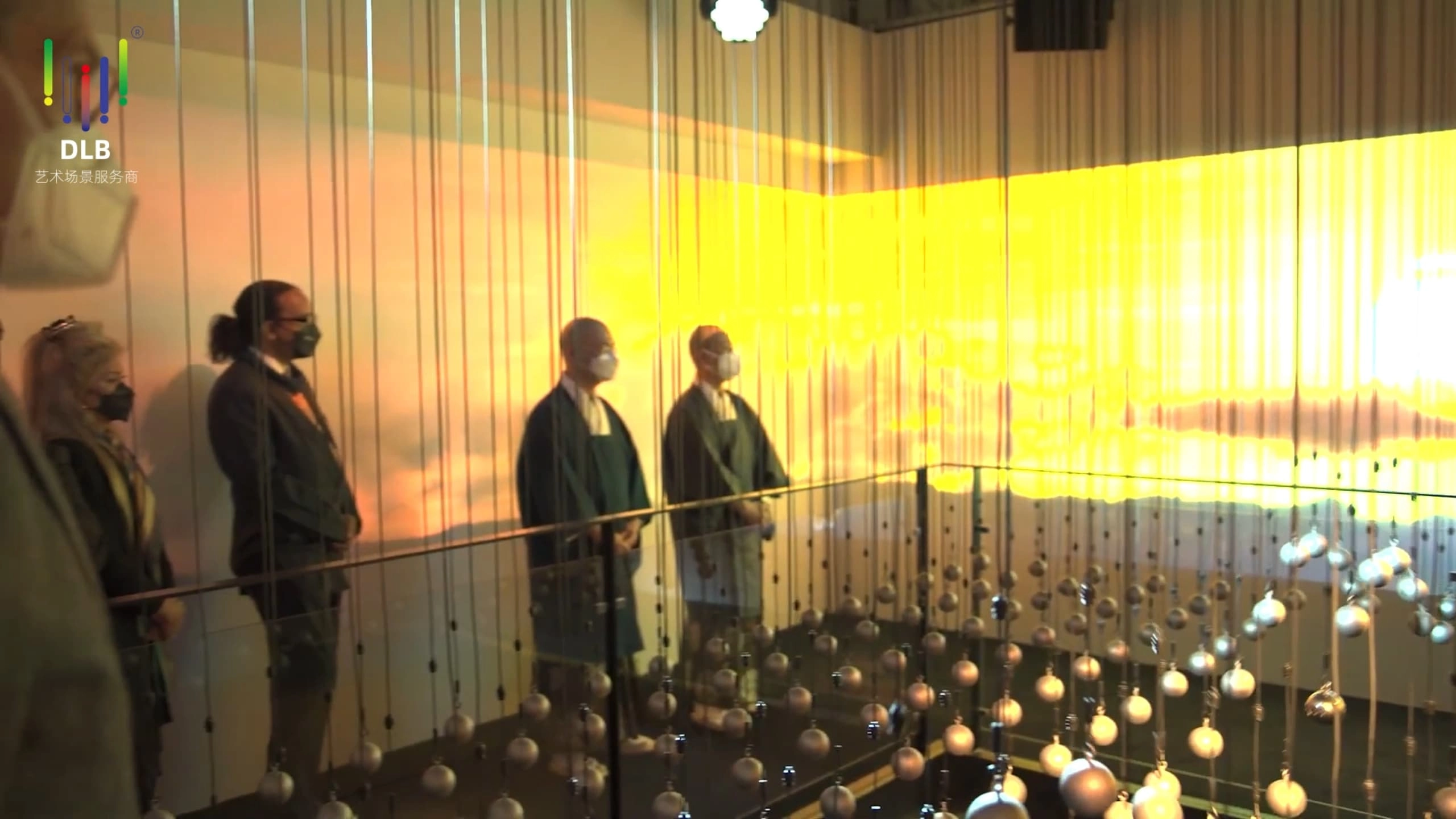
Divine Light Through a Thousand Years Analysis of Lighting Design & Application for the 800th Anniversary of the Great Saint’s Birth in Japan
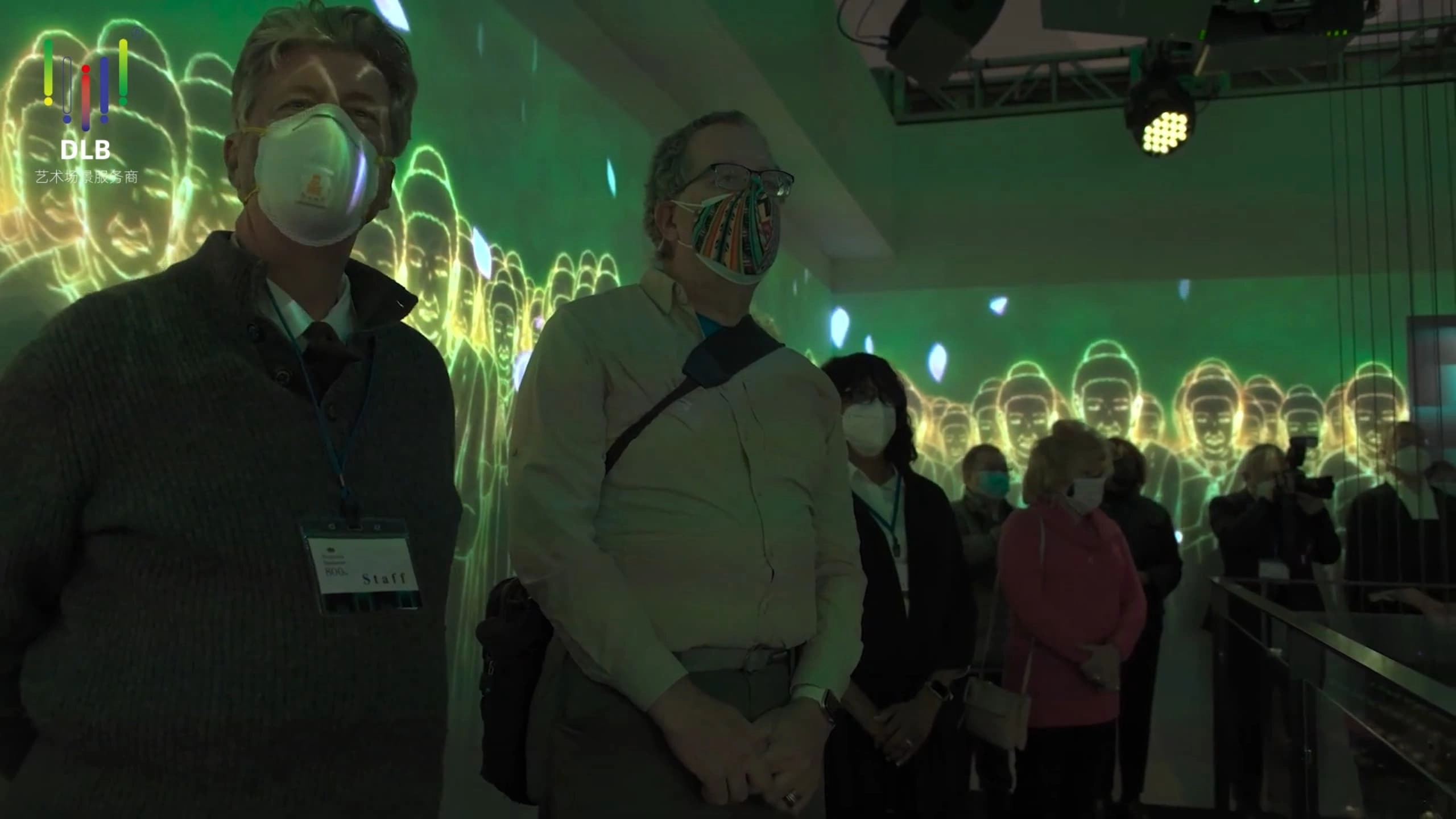
Divine Light Through a Thousand Years – Lighting Design & Application Sharing for the 800th Anniversary of the Great Saint’s Birth in Japan
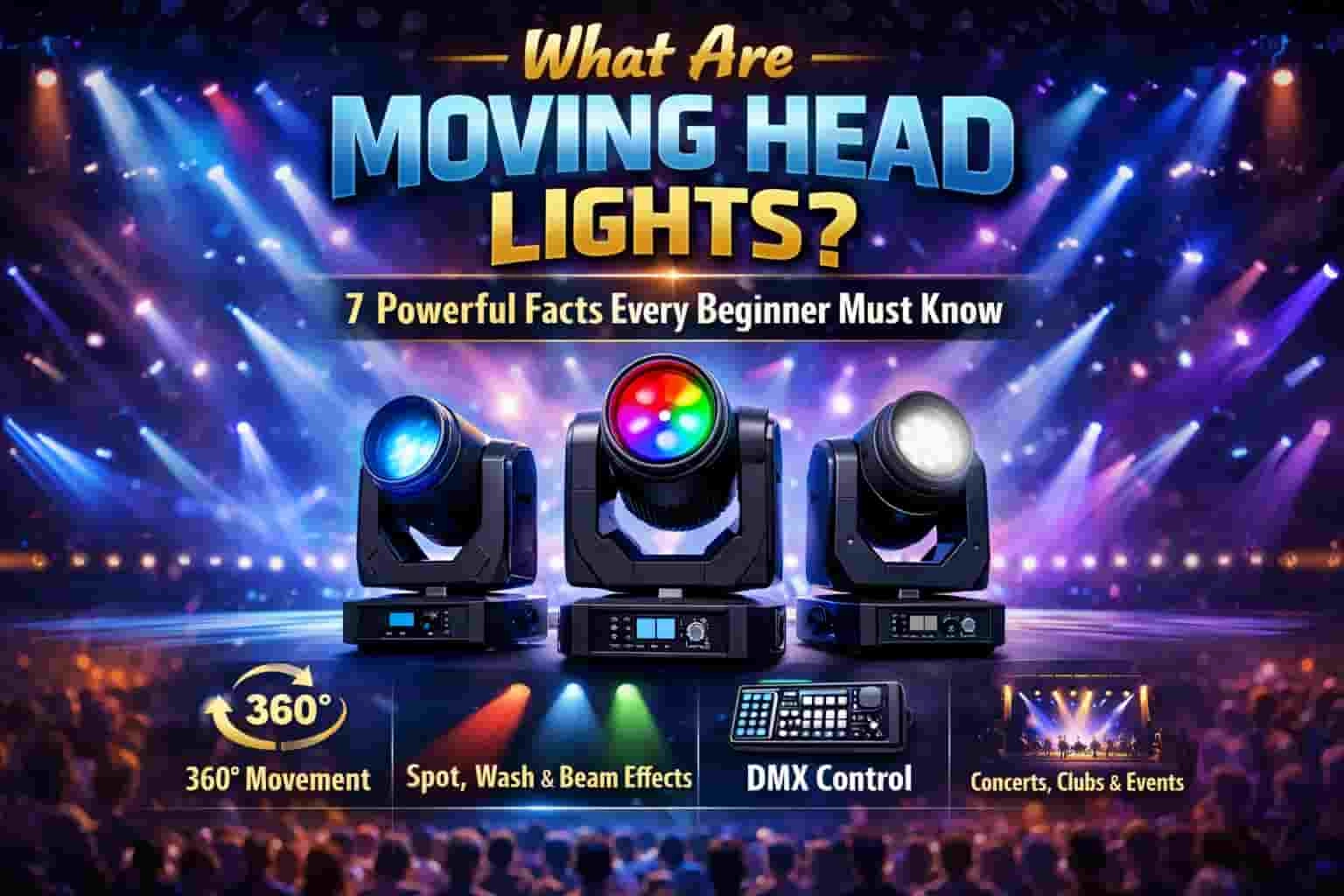
What Are Moving Head Lights? 7 Powerful Facts Every Beginner Must Know
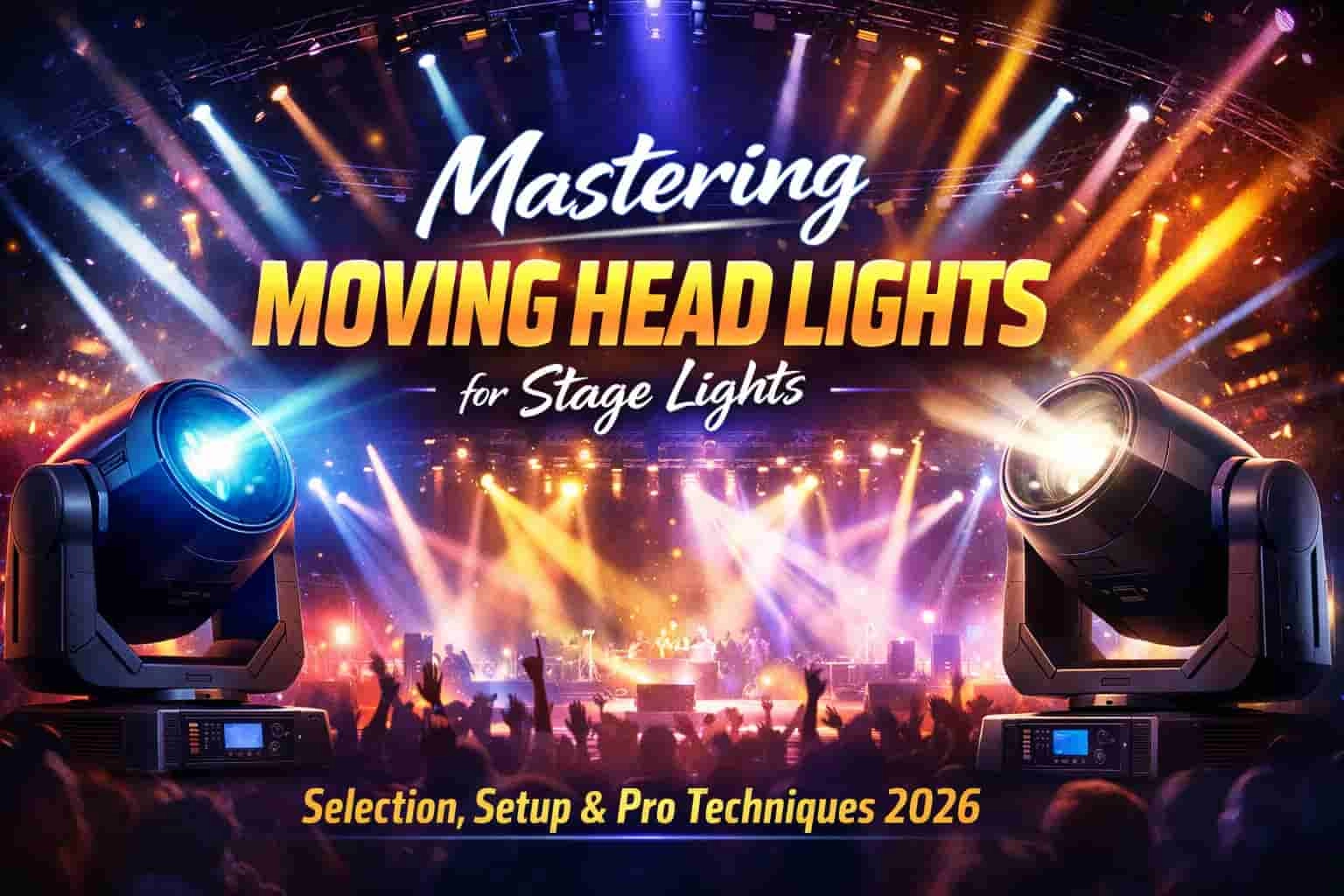
Mastering Moving Head Lights for Stage Lights: Selection, Setup & Pro Techniques 2026
Education & Career
What should be noted when using Chinese stage light equipment in Europe or America?
First, verify voltage compatibility (220V/50Hz in China, 110V/60Hz in North America). Use wide-voltage fixtures or transformers. Adapters are needed for different plug standards. CE/UL certification is strongly recommended.
What is the biggest safety risk when combining stage lights with cold fireworks?
The main risk is high-temperature sparks igniting cables, filters, or plastic parts of stage lights. Maintain sufficient safety distance, use fireproof barriers, and ensure operators are professionally trained.
8.Q: How to quickly deploy stage lights for a temporary tent event?
Design & Application
How to create a sense of spatial depth on a flat stage using stage lights?
The key is to distinguish foreground, midground, and background with different brightness and color temperatures using stage lights. Typically, the foreground is brighter and warmer, the background dimmer and cooler, with side or back lighting to separate layers.
How to achieve visual integration between stage lights and large LED screens?
Match the color, brightness, and movement of stage lights to the screen’s dominant tone. A media server is often used for unified control to prevent stage lights from washing out or conflicting with screen content.
Industry Trends & Purchasing
What parts should be inspected carefully when buying used stage lights?
Key checks:
Optical components (lenses, reflectors) for scratches or aging.
Smooth, quiet operation of moving head motors.
Functional buttons and connectors.
Light source usage hours.
Equipment & Installation
How to quickly troubleshoot stage lights that suddenly fail to turn on?
Quick troubleshooting steps:
Check power connection.
Check DMX cables and address settings.
Check fixture fuses or breakers.
Verify console output and programmed cues.
Basic Concepts & Types
What is the core difference between beam stage lights and wash stage lights?
Beam stage lights pursue ultra-narrow, bright, impactful beam effects. Wash stage lights focus on delivering large-area, uniform, and full-color base lighting.
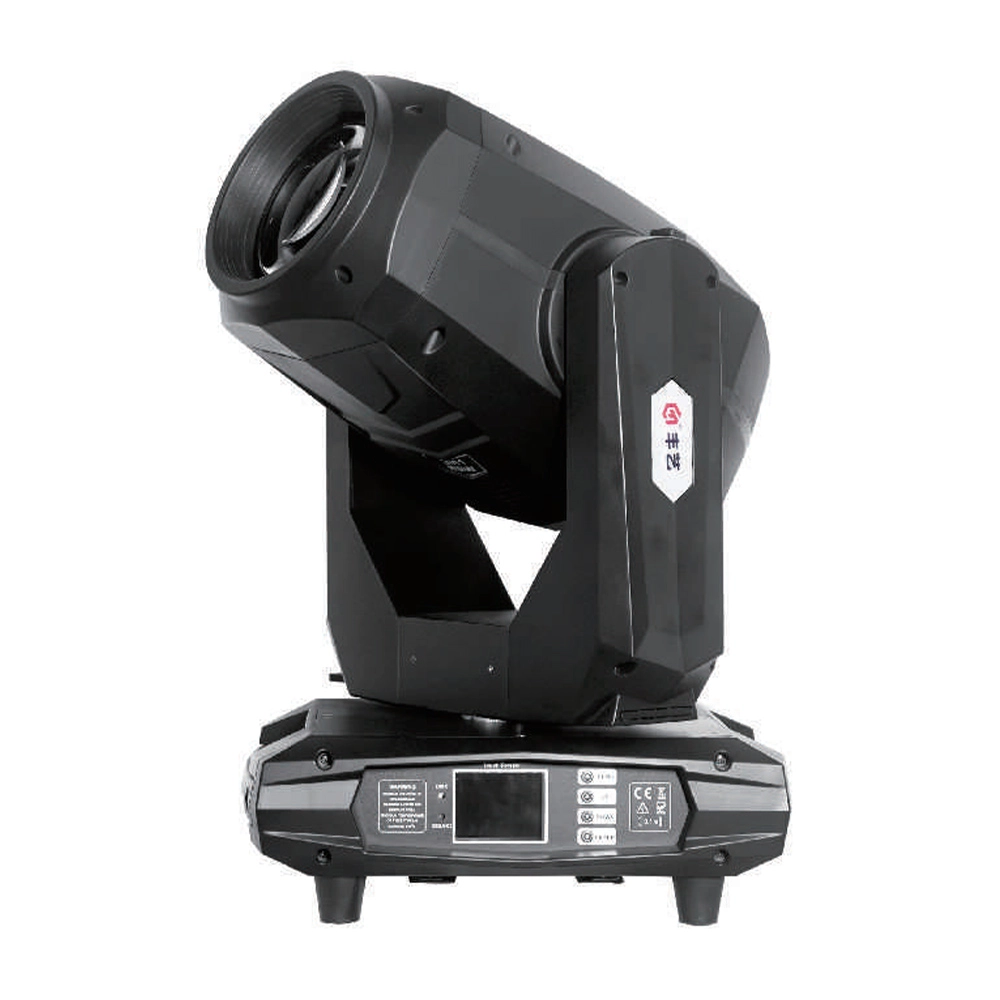
Fengyi 480W All-in-One Moving Head Beam Light Professional Stage Lighting FY-BM-10003
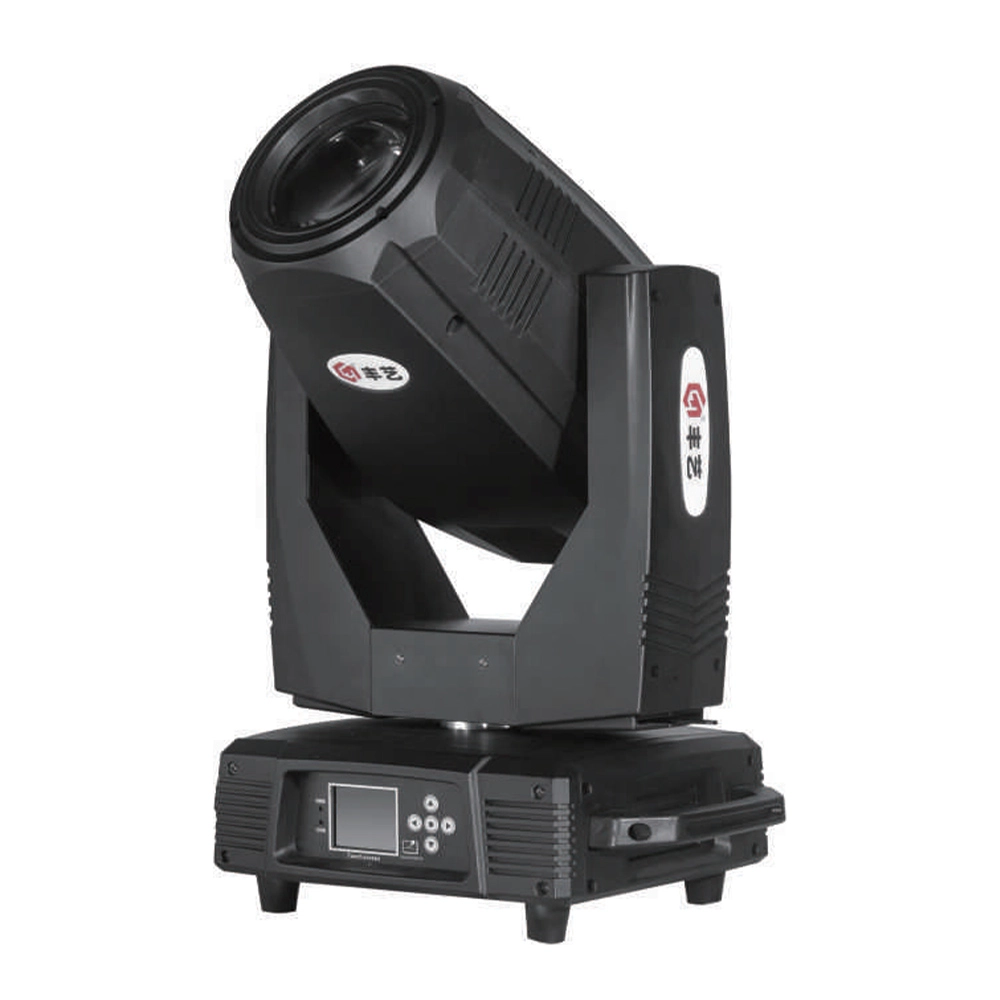
Fengyi 380W Intelligent Moving Head Stage Lights All-in-One System FY-BM-10002
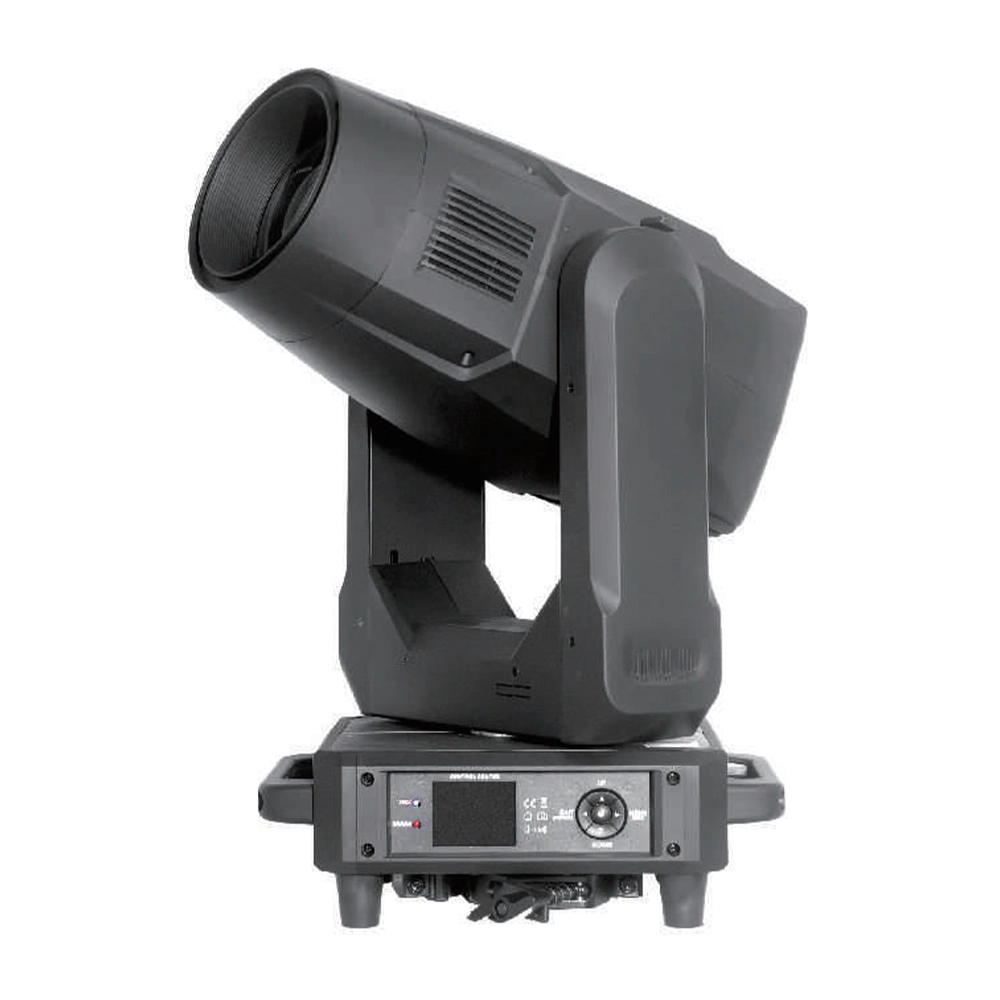
Fengyi 700W Profile Cutting Stage Moving Head Light Professional Event Fixture FY-SP-20003
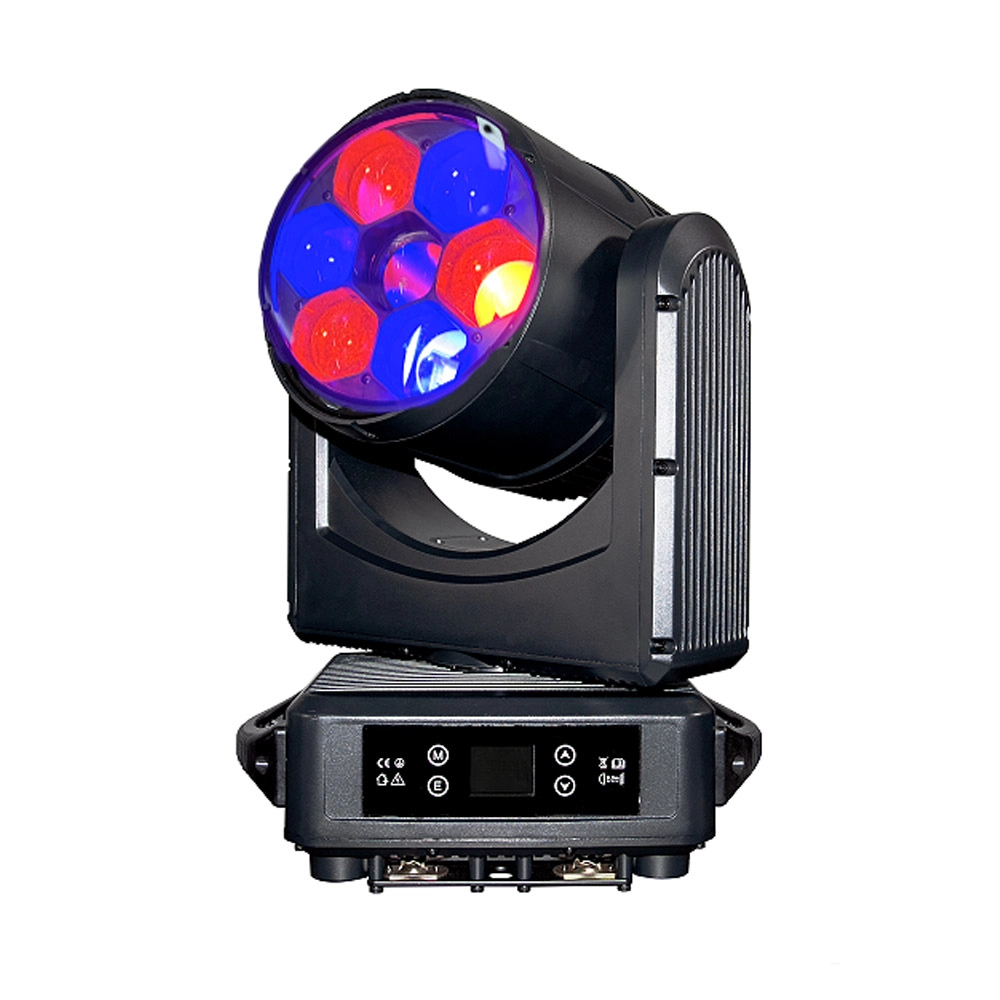
Fengyi 7x60W Waterproof Bee Eye Moving Head Professional LED Stage Lights for Concerts
The Fengyi 7*60 Waterproof Bee Eye offers powerful LED stage lights for concerts with reliable moving head stage lights and DMX control. Designed for outdoor use, it ensures vibrant, dynamic lighting performance in all weather, perfect for professional stage and event setups.
Inquire About Our Moving Head Stage Lights
* Fill The Form
Contact
Building 5, No. 34, Fuyuan Road, Jinghu Industrial Zone, Xinhua Town, Huadu District, Guangzhou, China.
WhatsApp: +86 181 2742 0174
Tel. +86(20) 8642 3596
Ph. +86 150 1870 4285
More information
© 2026 Fengyi. All Rights Reserved.
Fengyi Light
Fengyi Light
Fengyi Light
Fengyilighting