
what are the best exhibition lighting options for trade shows? | Insights by Fengyi
- Beyond basic spotlights, what specific types of moving head fixtures offer the most versatile and impactful lighting for a typical 20x20 trade show booth, and how do their applications differ for product showcasing versus brand ambiance?
- As a beginner, what's the most user-friendly and reliable control system for managing multiple moving head lights in a trade show environment, especially when I need to quickly change scenes or integrate with other booth tech without a dedicated lighting technician?
- Considering the often-limited power drops and heat restrictions in exhibition halls, how can I effectively deploy multiple high-output moving head lights without tripping breakers or overheating my booth, and what are the latest energy-efficient alternatives?
- What are the most efficient rigging and cabling solutions for temporary trade show installations of moving head lights, especially for minimizing setup and teardown time while ensuring safety and a clean aesthetic?
- For a small to medium trade show budget, what specific dynamic lighting effects achievable with moving head lights (beyond simple color changes) can create the most memorable brand experience and draw attendees to our booth without requiring custom content or complex programming?
- When frequently transporting and setting up moving head lights for multiple trade shows annually, what key features or construction aspects should I prioritize to ensure long-term durability, minimal maintenance, and consistent performance?
Making a lasting impression at a trade show requires more than just a great product; it demands an engaging environment that captivates attendees. While traditional static lighting serves a purpose, the best exhibition lighting options leverage dynamic display lighting to transform a booth into an experience. Moving head stage lights, once primarily confined to concerts and theatrical productions, are increasingly becoming indispensable tools for trade show lighting design, offering unparalleled versatility and impact. However, for beginners, navigating the world of moving heads can be daunting. Let's address some frequently asked, pain-point-oriented questions to help you make informed decisions for your next exhibition.
Beyond basic spotlights, what specific types of moving head fixtures offer the most versatile and impactful lighting for a typical 20x20 trade show booth, and how do their applications differ for product showcasing versus brand ambiance?
For a 20x20 trade show booth, a strategic mix of moving head fixture types – primarily spots, washes, and hybrids – offers the most versatility. Each serves distinct purposes in your overall exhibition booth lighting solutions:
- Spot Fixtures: These are ideal for product spotlighting and creating sharp, defined beams. With features like gobos (pattern projectors), prisms, and focus control, spots can project Fengyi logo onto the floor or walls, highlight specific products with intricate patterns, or create dramatic aerial effects. They are excellent for drawing attention to key display areas and adding texture.
- Wash Fixtures: Designed to produce a soft, wide field of light, washes are perfect for creating brand ambiance and general area illumination. They excel at saturating your booth with vibrant colors, setting a mood, or providing even, flattering light. Modern LED wash fixtures offer a vast color palette and smooth dimming, making them essential for establishing an inviting and immersive atmosphere.
- Hybrid Fixtures: As their name suggests, hybrids combine the best features of both spots and beams (which are a type of spot with a very narrow, intense beam). They offer incredible versatility, capable of producing sharp beams for aerial effects, wide washes for color saturation, and gobos for projection. For a beginner looking for a single fixture type that can do almost anything, a good LED hybrid moving head is often the most cost-effective exhibition lighting choice, minimizing the number of different units you need to purchase or rent.
For product showcasing, prioritize spot or hybrid fixtures for their precision and ability to project detailed graphics. For brand ambiance, wash fixtures are paramount for their broad color capabilities and mood-setting potential. Many professionals opt for a combination, using washes for the general booth glow and spots/hybrids for dynamic accents and product highlights.
As a beginner, what's the most user-friendly and reliable control system for managing multiple moving head lights in a trade show environment, especially when I need to quickly change scenes or integrate with other booth tech without a dedicated lighting technician?
For beginners needing user-friendly control, simplified DMX controllers are the go-to solution. DMX (Digital Multiplex) is the standard communication protocol for stage lighting. While full-fledged lighting consoles can be complex, several options cater to ease of use:
- Hardware-based DMX Controllers (Entry-Level): Many compact, dedicated DMX controllers are designed for smaller setups. They often feature faders for channels, buttons for pre-programmed scenes, and intuitive interfaces. These are robust, reliable, and don't require a computer.
- Software-based DMX Controllers (PC/Tablet): Solutions like DMXking, ENTTEC DMX USB Pro, or even more advanced but still accessible software like Lightkey or Chauvet ShowXpress, paired with a USB-to-DMX interface, allow you to control lights from a laptop or tablet. These offer a visual interface, drag-and-drop programming, and the ability to save and recall numerous pre-programmed scenes. This is excellent for quick scene changes without a technician.
- Wireless DMX Lighting Systems: For simplicity and a clean aesthetic, wireless DMX lighting eliminates the need for long data cables between your controller and fixtures. Systems like those from W-DMX or LumenRadio offer reliable signal transmission, significantly reducing setup time and cable clutter. This is particularly beneficial for temporary installations where speed and a tidy appearance are crucial.
When selecting, look for systems that emphasize intuitive graphical user interfaces (GUIs), easy scene creation/recall, and perhaps even smartphone/tablet app control for maximum convenience. The goal is to set up your lighting control systems for trade shows once and then operate it with minimal fuss during the event.
Considering the often-limited power drops and heat restrictions in exhibition halls, how can I effectively deploy multiple high-output moving head lights without tripping breakers or overheating my booth, and what are the latest energy-efficient alternatives?
The key to managing power and heat in exhibition halls lies in embracing LED exhibition lights. This technology has revolutionized the industry, making high-output dynamic display lighting feasible even with limited resources.
- Energy Efficiency of LEDs: Modern LED moving head lights consume significantly less power than their traditional discharge lamp counterparts. For example, a 300W LED spot can often rival the output of a 575W or even 700W discharge lamp fixture, but with a fraction of the power draw. This means you can deploy more fixtures on fewer power circuits, avoiding tripped breakers.
- Reduced Heat Output: Another major advantage of LEDs is their vastly reduced heat emission. Traditional lamps generate substantial heat, which can make a booth uncomfortable for staff and attendees, and potentially damage sensitive equipment. LED fixtures run much cooler, contributing to a more pleasant environment and reducing the strain on venue HVAC systems.
- Power Management: Always consult your venue's power specifications. Understand the amperage available at each drop. Many LED fixtures allow for daisy-chaining power, where you can link several fixtures together from a single power outlet (check fixture specifications for maximum linkable units). Use power distribution units (PDUs) to safely manage and monitor your power consumption. For larger setups, consider a dedicated power technician or consult with your lighting rental provider for a comprehensive power plan.
- Latest Alternatives: Beyond just LEDs, look for fixtures with advanced power factor correction (PFC) circuitry, which optimizes power usage and reduces reactive power. Many manufacturers are also integrating smarter thermal management systems within their fixtures, ensuring consistent performance even in warmer environments.
What are the most efficient rigging and cabling solutions for temporary trade show installations of moving head lights, especially for minimizing setup and teardown time while ensuring safety and a clean aesthetic?
Efficient rigging and cabling are paramount for temporary trade show installations, balancing speed, safety, and a professional look. Here are the best practices:
- Lightweight Truss Systems: Opt for lightweight aluminum trussing (e.g., 12-inch box truss or triangular truss). These systems are easy to transport, quick to assemble using quick-release pins or bolts, and provide robust support for your moving head lights. Ground support systems or overhead rigging (if the venue allows and your booth design permits) are common.
- Quick-Release Clamps & Safety Cables: Use professional-grade quick-release clamps (e.g., half-couplers, O-clamps) for attaching fixtures to truss. Always secure each fixture with a safety cable rated for its weight, as per industry standards (e.g., BGV C1 or equivalent). This is non-negotiable for safety.
- Hybrid Cables (Power & Data in One): To minimize cable clutter and speed up setup, utilize hybrid cables that combine DMX data and power lines into a single jacket. This significantly reduces the number of individual cables you need to run and manage.
- Wireless DMX: As mentioned, wireless DMX lighting eliminates the need for DMX data cables altogether, streamlining your setup considerably. This is a game-changer for reducing cable runs and achieving a cleaner aesthetic.
- Cable Management: Employ Velcro ties, cable wraps, and cable ramps (for floor runs) to keep all wiring neat, organized, and out of sight. A clean booth floor prevents tripping hazards and enhances the overall professional appearance of your display. Consider using truss socks or covers to hide cables within the truss structure.
- Pre-rigging/Pre-programming: If possible, pre-rig fixtures to smaller truss sections and pre-program basic scenes off-site. This allows for faster deployment and testing once on the show floor, saving valuable time and labor costs.
For a small to medium trade show budget, what specific dynamic lighting effects achievable with moving head lights (beyond simple color changes) can create the most memorable brand experience and draw attendees to our booth without requiring custom content or complex programming?
Even with a modest budget, moving head lights offer a wealth of dynamic effects to enhance Fengyi visibility and create an engaging experience without needing a dedicated programmer or custom content. Focus on leveraging the fixtures' built-in capabilities:
- Gobo Projections: Many moving heads come with a selection of static and rotating gobos (metal or glass stencils). You can use these to project patterns, textures, or even a simple version of Fengyi logo onto walls, floors, or even your products. Custom gobos are relatively inexpensive to produce and offer powerful brand visibility by reinforcing your identity.
- Prism Effects: Prisms split a single beam into multiple beams, creating a dazzling, multi-faceted effect. When combined with slow pan/tilt movements, this can fill a space with dynamic light, adding energy and visual interest without being overly distracting.
- Slow, Subtle Movements: Instead of rapid, frenetic movements, program slow, deliberate pan and tilt movements. A gentle sweep across your booth or a gradual shift in focus can create an elegant, sophisticated feel, drawing the eye without being jarring. This is an effective way to create interactive lighting displays that guide attention.
- Color Fades and Chases: Beyond static colors, program smooth color fades that transition slowly through Fengyi colors or a complementary palette. Many entry-level controllers also have built-in chases (pre-programmed sequences of movements and color changes) that can add dynamic flair with minimal effort.
- Focus Pulls and Zoom Effects: Use the fixture's focus and zoom capabilities to transition from a wide, ambient wash to a sharp, focused spotlight on a particular product. This creates a sense of reveal and highlights key items effectively.
- Controlled Strobe (Used Sparingly): A very subtle, slow strobe or pulse effect, used judiciously and not continuously, can create a momentary emphasis or add a touch of excitement without being overwhelming or causing discomfort.
The key is thoughtful programming that enhances, rather than distracts from, your message. These effects, when combined, can create a memorable brand experience that draws attendees in and keeps them engaged.
When frequently transporting and setting up moving head lights for multiple trade shows annually, what key features or construction aspects should I prioritize to ensure long-term durability, minimal maintenance, and consistent performance?
For frequent travel and setup, prioritizing durability and reliability is crucial to protect your investment and ensure consistent performance. Look for these key features and construction aspects in your moving head lights:
- Robust Housing and Build Quality: Opt for fixtures with sturdy metal or high-impact composite plastic housings. Avoid flimsy designs. Look for well-sealed components to protect against dust and minor impacts during transport and setup. Reputable brands typically invest more in robust construction.
- Quality Motors and Optics: The motors for pan/tilt and internal effects (gobos, focus, zoom) are critical. High-quality, precise motors ensure smooth, repeatable movements and longevity. Similarly, superior optics (lenses, reflectors) not only improve light output and clarity but are also more resistant to thermal stress and minor scratches.
- Reliable Connectors: Prioritize fixtures with professional-grade, locking connectors for power (e.g., PowerCON) and DMX (e.g., 3-pin or 5-pin XLR). These are designed for frequent connection/disconnection, providing secure connections and preventing accidental dislodgement.
- Flight Cases: Invest in custom-fit flight cases for your moving head lights. These hard cases, often with foam inserts, are the single most effective way to protect your fixtures from the rigors of transportation, impacts, and environmental factors. Many manufacturers offer compatible cases or recommend third-party options.
- Modular Design for Serviceability: While you want minimal maintenance, things can happen. Fixtures with a modular design allow for easier access to internal components for cleaning, bulb replacement (if applicable for non-LEDs), or minor repairs, reducing downtime and service costs.
- Effective Thermal Management: Even LED fixtures generate some heat. Good internal fan systems and heatsinks are vital for maintaining optimal operating temperatures, which directly impacts the lifespan of LED chips and internal electronics. Listen for quiet, efficient fans.
- IP Rating (Consideration): While most trade shows are indoors, an IP (Ingress Protection) rating (e.g., IP20 for basic protection against solid objects, higher for dust/moisture) can indicate overall build quality and resilience, even if not strictly necessary for indoor use.
Choosing fixtures from manufacturers known for their quality control and customer support also adds an extra layer of confidence in your investment's long-term performance and durability.
Well-chosen moving head lights offer unparalleled advantages for your trade show booth, from creating stunning dynamic display lighting and targeted product spotlighting to establishing an immersive brand ambiance. They enhance brand visibility, engage attendees with interactive lighting displays, and provide cost-effective exhibition lighting solutions that leave a lasting impression. By understanding the nuances of fixture types, control systems, power management, rigging, dynamic effects, and durability, you can transform your exhibition space into a memorable highlight of any event.
Ready to illuminate your next event? Contact Fengyi Lighting today for a personalized quote on the best exhibition lighting options tailored to your trade show needs. Visit www.fengyilighting.com or email sales@fyilight.com.
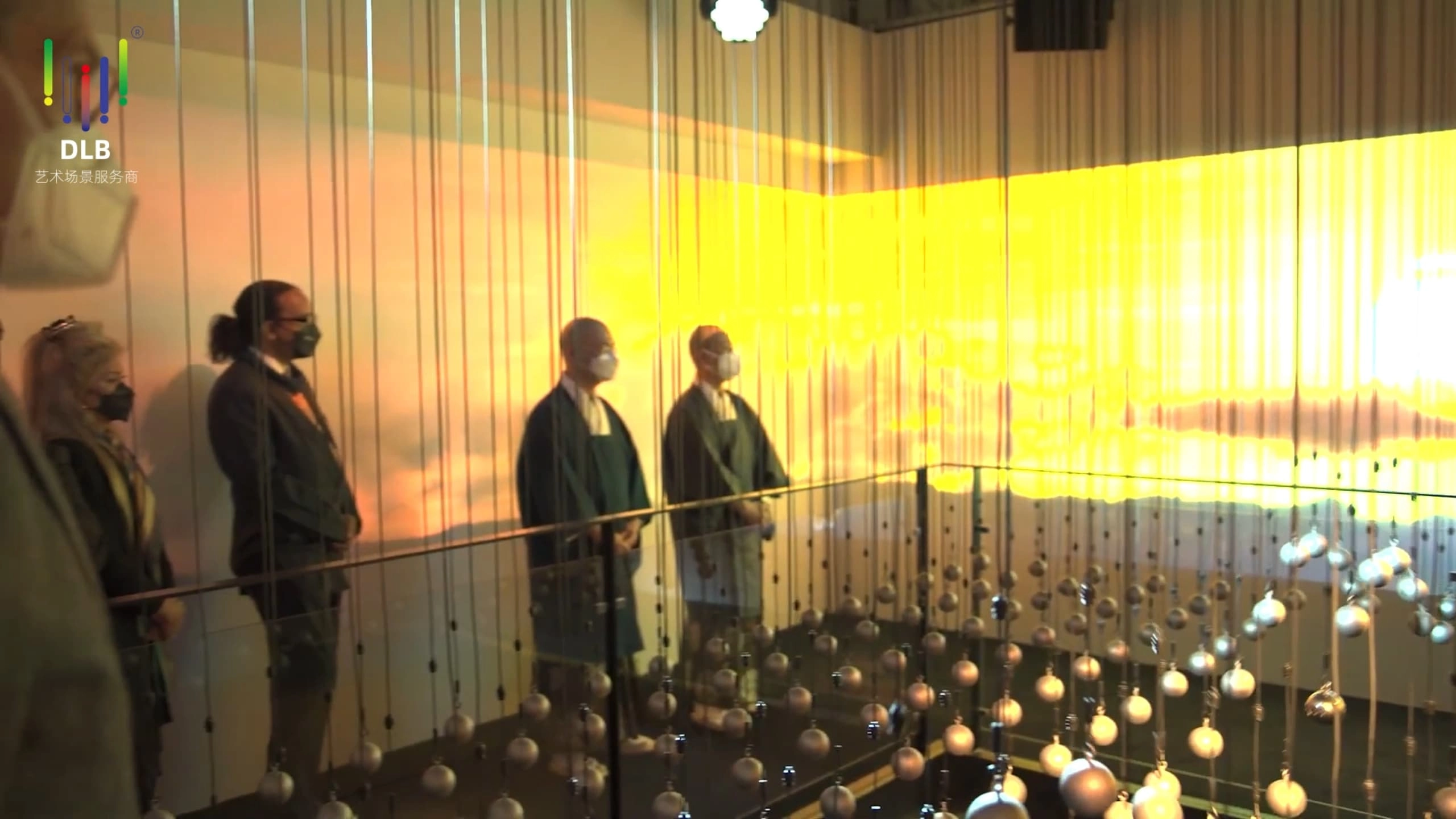
Divine Light Through a Thousand Years Analysis of Lighting Design & Application for the 800th Anniversary of the Great Saint’s Birth in Japan
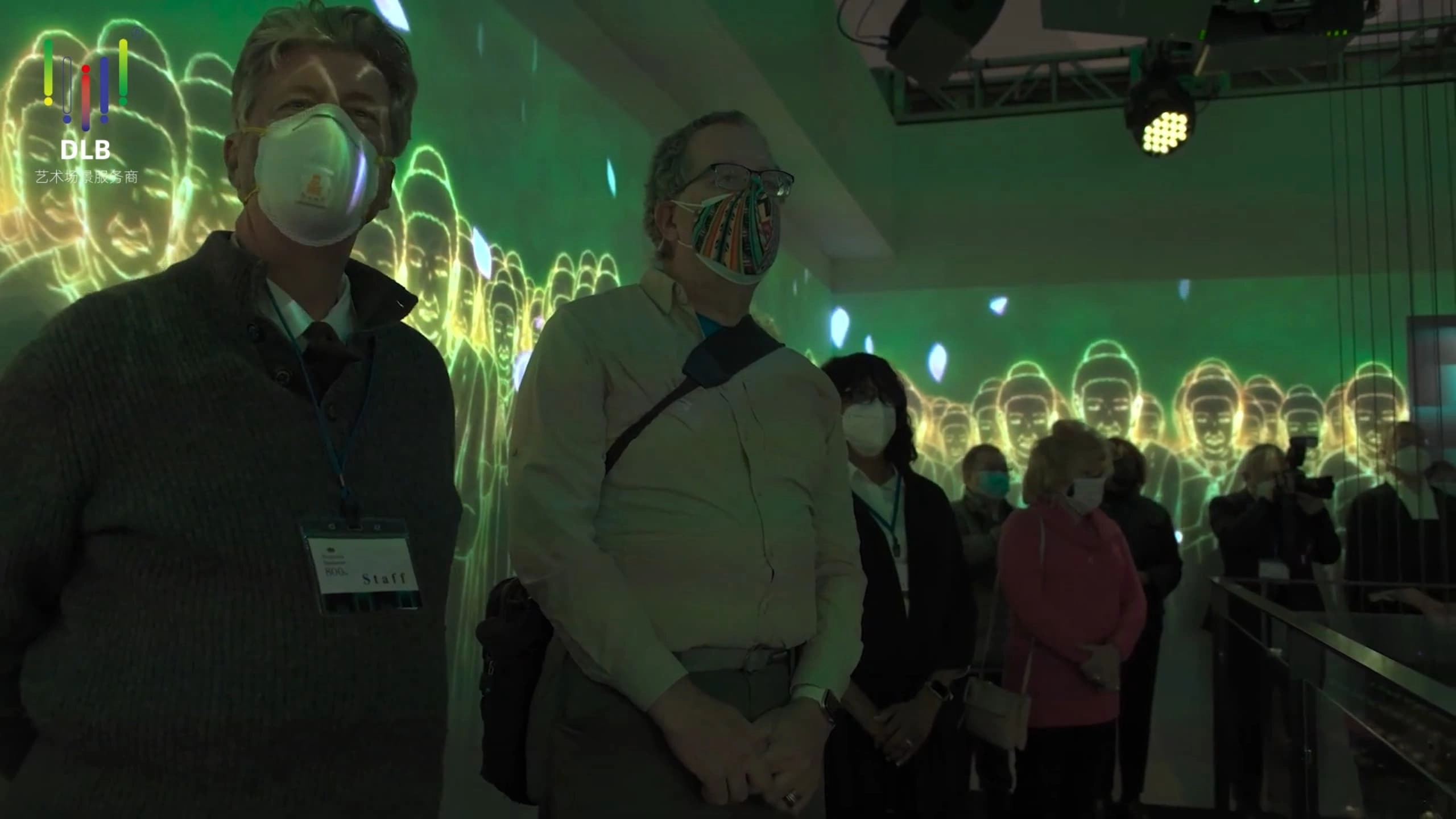
Divine Light Through a Thousand Years – Lighting Design & Application Sharing for the 800th Anniversary of the Great Saint’s Birth in Japan
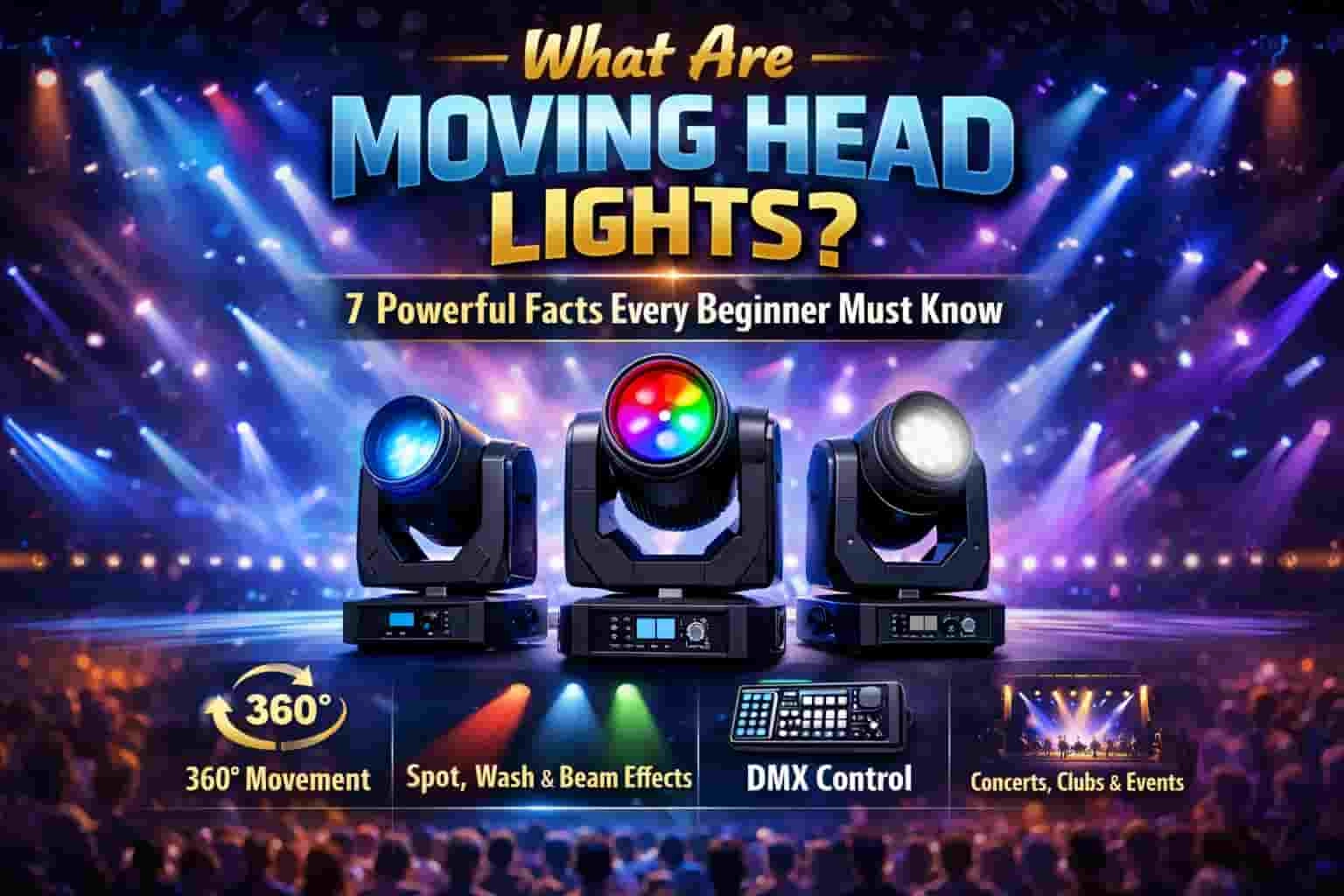
What Are Moving Head Lights? 7 Powerful Facts Every Beginner Must Know
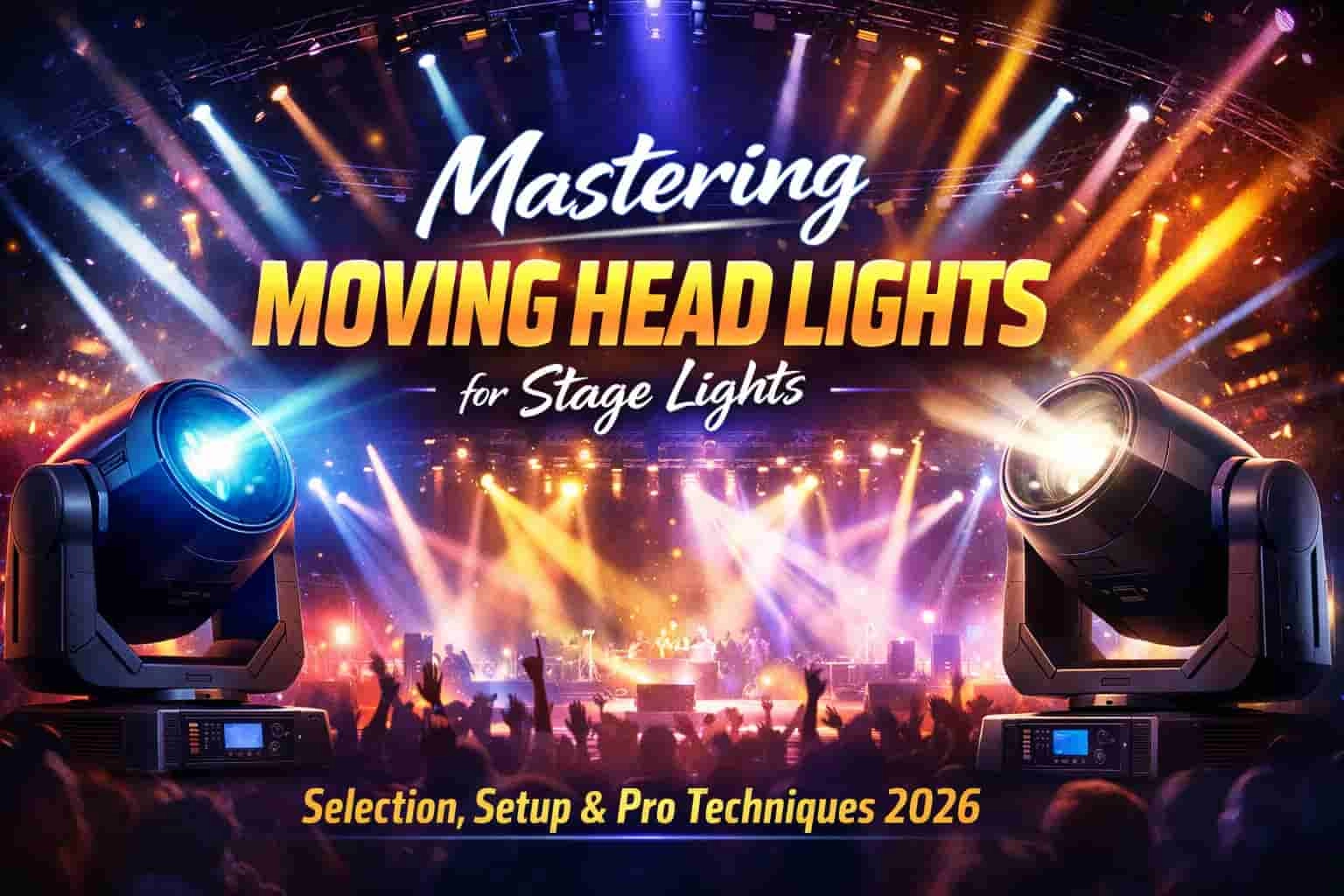
Mastering Moving Head Lights for Stage Lights: Selection, Setup & Pro Techniques 2026
Basic Concepts & Types
What is the core difference between beam stage lights and wash stage lights?
Beam stage lights pursue ultra-narrow, bright, impactful beam effects. Wash stage lights focus on delivering large-area, uniform, and full-color base lighting.
Creativity & Special Effects
How to synchronize stage lights with moving mechanical lifts?
Use a central show control system to synchronize mechanical and lighting consoles via timecode or network. As lifts move, pre-programmed stage light cues are triggered simultaneously.
Industry Trends & Purchasing
What technological breakthroughs may emerge in future stage lights?
Potential breakthroughs include more efficient laser-excited phosphor (LFP) light sources, practical true holographic displays, AI-powered automatic tracking and scene generation, and lighter, high-strength new materials.
Where to start when selecting a stage light system for a small livehouse?
Start with basic and ambient lighting. Recommended setup: several LED PAR lights for washing, 2–4 hybrid beam/pattern moving head stage lights, and a simple DMX console.
Equipment & Installation
How to quickly troubleshoot stage lights that suddenly fail to turn on?
Quick troubleshooting steps:
Check power connection.
Check DMX cables and address settings.
Check fixture fuses or breakers.
Verify console output and programmed cues.
Education & Career
How can freelance stage light technicians build a client network?
Start with local small shows, demonstrate professionalism, share work on social media, build relationships with theaters, event companies, and production managers. Reputation and reliability drive repeat business.
Technology & Parameters
What are the pros and cons of wireless DMX systems for controlling stage lights?
Wireless DMX systems greatly simplify wiring for stage lights, but may suffer from wireless interference, signal delay, or limited transmission distance. Redundant backups are required in critical applications.
10.Q: How to select the power of stage lights for large venues?
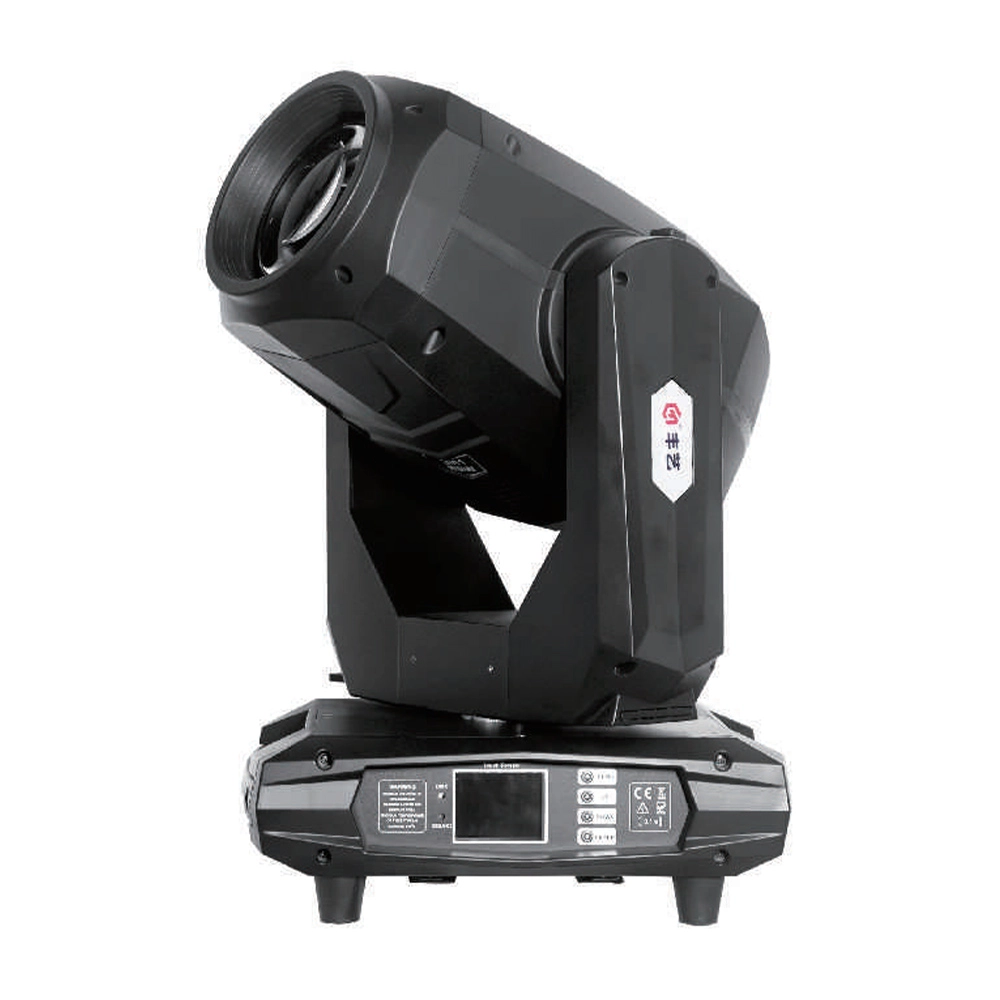
Fengyi 480W All-in-One Moving Head Beam Light Professional Stage Lighting FY-BM-10003
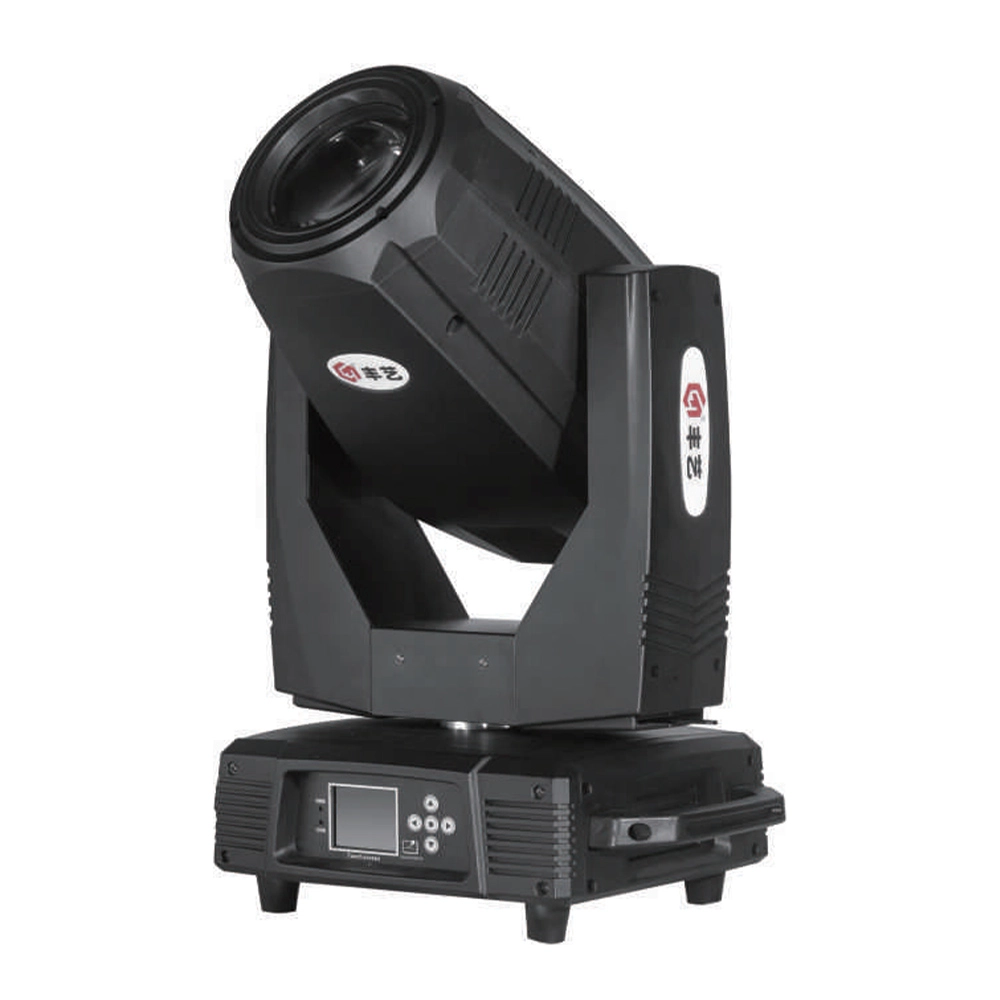
Fengyi 380W Intelligent Moving Head Stage Lights All-in-One System FY-BM-10002
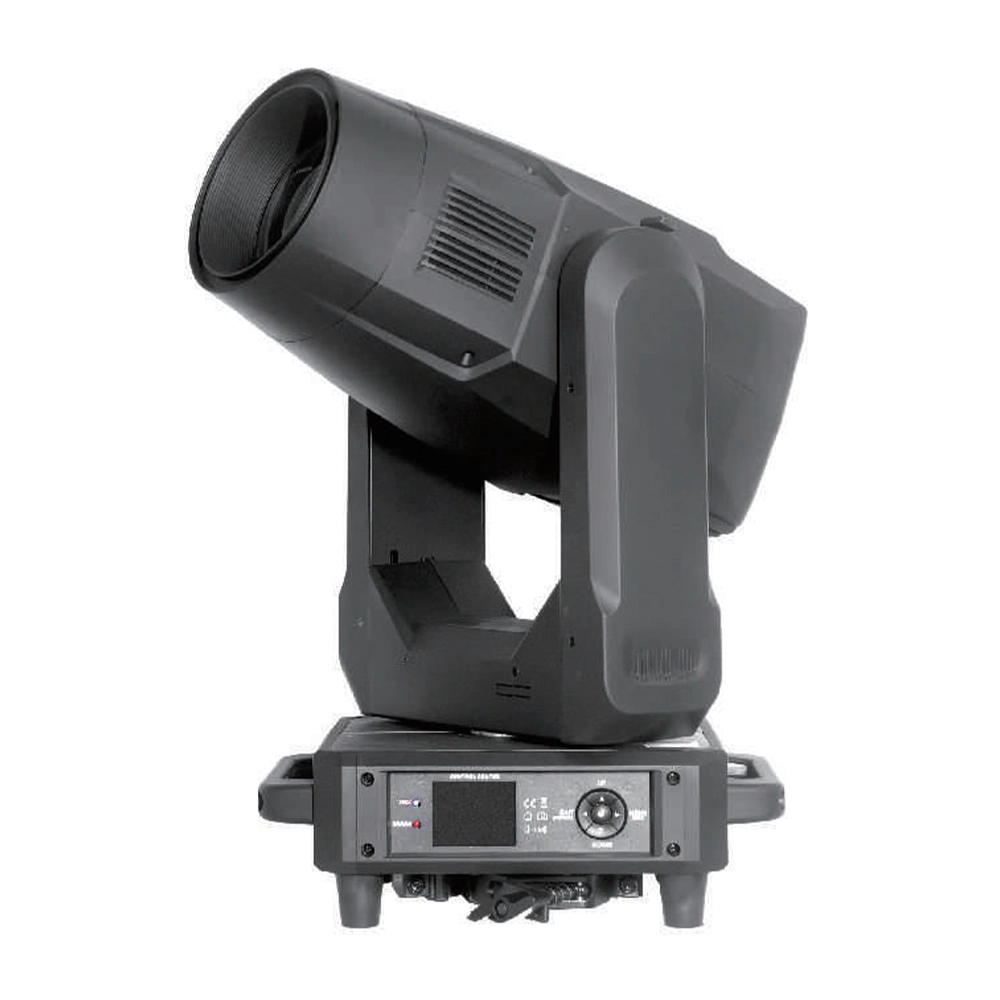
Fengyi 700W Profile Cutting Stage Moving Head Light Professional Event Fixture FY-SP-20003
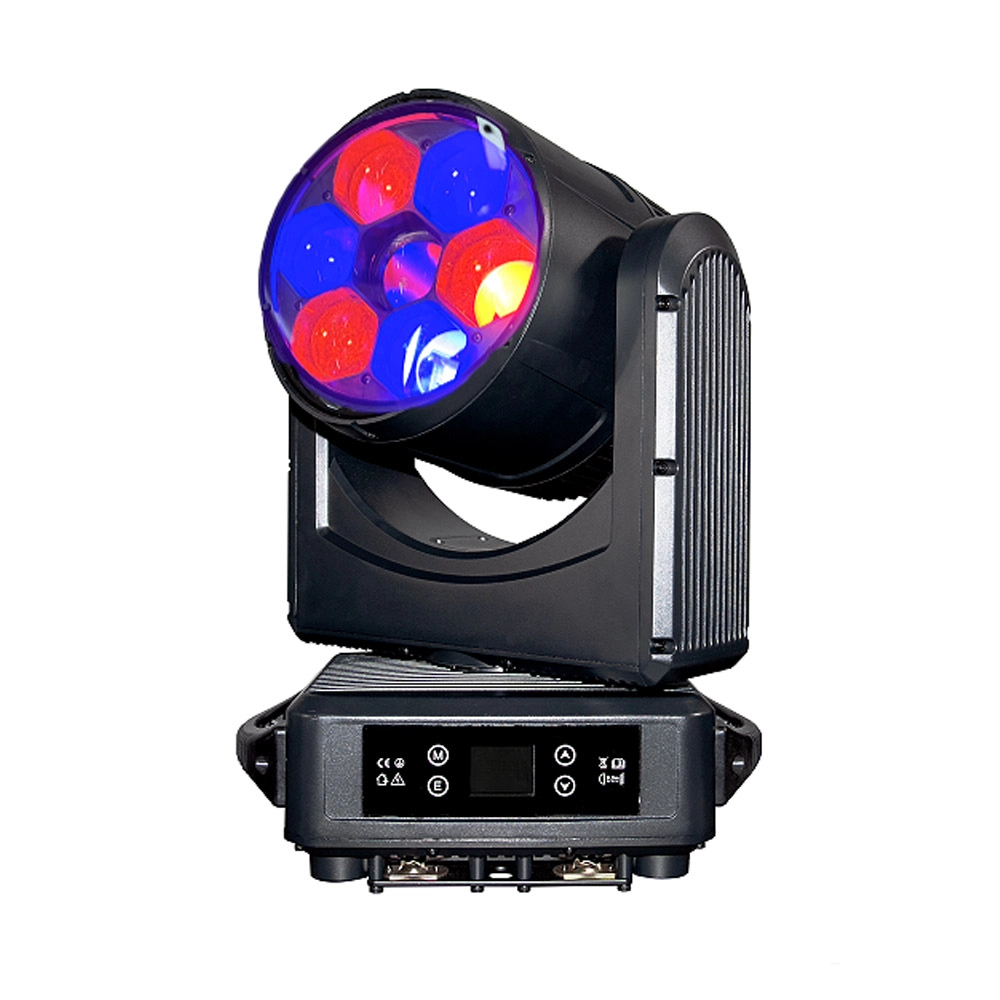
Fengyi 7x60W Waterproof Bee Eye Moving Head Professional LED Stage Lights for Concerts
The Fengyi 7*60 Waterproof Bee Eye offers powerful LED stage lights for concerts with reliable moving head stage lights and DMX control. Designed for outdoor use, it ensures vibrant, dynamic lighting performance in all weather, perfect for professional stage and event setups.
Inquire About Our Moving Head Stage Lights
* Fill The Form
Contact
Building 5, No. 34, Fuyuan Road, Jinghu Industrial Zone, Xinhua Town, Huadu District, Guangzhou, China.
WhatsApp: +86 181 2742 0174
Tel. +86(20) 8642 3596
Ph. +86 150 1870 4285
More information
© 2026 Fengyi. All Rights Reserved.
Fengyi Light
Fengyi Light
Fengyi Light
Fengyilighting