
what lighting setup is best for exhibition booths? | Insights by Fengyi
- My exhibition booth is relatively small (e.g., 3x3m). Won't powerful moving head lights overwhelm the space and blind visitors instead of attracting them?
- Given the short duration of most exhibitions, is the significant investment in advanced moving head fixtures truly justifiable, or are simpler static lights more cost-effective in the long run?
- I'm not a lighting technician. How can my booth staff easily manage and execute dynamic lighting sequences with moving heads without needing complex DMX programming during the show?
- What are the actual power draw implications of running multiple moving head lights in an exhibition booth, especially when standard hall outlets might have limited capacity?
- Beyond basic color changes, what truly unique and interactive effects can modern moving head lights create to make my booth stand out from competitors using only static LED panels?
- What critical safety regulations and rigging considerations specific to moving head stage lights do I need to be aware of when planning an exhibition booth setup to ensure compliance and prevent accidents?
Illuminate Your Impact: Mastering Moving Head Lighting for Exhibition Booths
In the competitive landscape of trade shows and exhibitions, your booth's ability to capture attention is paramount. While static lighting provides basic visibility, the strategic integration of moving head stage lights offers unparalleled opportunities for dynamic booth illumination and visitor engagement. As experts in both cutting-edge lighting technology and effective exhibition strategies, we've compiled answers to the most pressing questions beginners often have when considering advanced lighting setups for their exhibition booths. Let's delve into how intelligent lighting can elevate your presence.
My exhibition booth is relatively small (e.g., 3x3m). Won't powerful moving head lights overwhelm the space and blind visitors instead of attracting them?
This is a common misconception! Modern LED moving head fixtures are incredibly versatile and come in a wide range of sizes and output levels, making them suitable even for compact exhibition booth lighting designs. The key isn't raw power, but intelligent application and fixture placement. Instead of blinding washes, smaller moving heads (often referred to as 'mini spots' or 'compact washes') can be used for precise accent lighting, highlighting specific products, graphics, or interactive elements. Their ability to project gobos (custom patterns or logos) allows for subtle branding with light, creating dynamic textures on walls or floors without overwhelming the space. Furthermore, their dimming capabilities are highly granular, allowing you to fine-tune intensity. A well-placed pair of compact moving head spot lights, for instance, can create dramatic focus on a new product launch, drawing eyes directly to your key offerings without causing discomfort. The goal is to create an inviting, engaging atmosphere, not a rock concert.
Given the short duration of most exhibitions, is the significant investment in advanced moving head fixtures truly justifiable, or are simpler static lights more cost-effective in the long run?
While the initial cost of advanced moving head lights might seem higher than basic static LED panels, the return on investment (ROI) for exhibition booth lighting solutions extends beyond simple purchase price. Consider the 'attention economy' of a trade show: a booth with dynamic, engaging lighting is far more likely to attract and retain visitors than one with flat, uninspired illumination. Moving heads offer unparalleled flexibility for creative lighting effects, allowing you to adapt your booth's mood and focus throughout the day or for different product demonstrations. This adaptability reduces the need for multiple static fixtures to achieve various looks. Moreover, if you frequently exhibit, purchasing quality LED moving head fixtures can be more cost-effective than repeatedly renting basic equipment, especially when factoring in the enhanced brand perception and lead generation that superior lighting can facilitate. Many modern LED units boast lifespans of 50,000+ hours, ensuring longevity. For infrequent exhibitors, a professional lighting rental vs. purchase analysis might lean towards rental, but even then, opting for intelligent lighting for events can significantly boost your impact.
I'm not a lighting technician. How can my booth staff easily manage and execute dynamic lighting sequences with moving heads without needing complex DMX programming during the show?
You absolutely don't need a dedicated lighting technician on site! The evolution of DMX control systems has made managing intelligent lighting for events incredibly user-friendly. Many modern moving head fixtures come with pre-programmed scenes and built-in macros that can be triggered with a simple push of a button on a basic DMX controller. For more sophisticated control without complexity, consider a compact, user-friendly DMX console designed for small events, or even tablet-based wireless DMX solutions. These systems allow you to pre-program entire sequences – from subtle color fades to dramatic spotlight movements – before the exhibition. Your staff then simply selects the desired 'scene' or 'look' as needed. Some fixtures even offer sound-active modes, reacting automatically to ambient noise or music, adding another layer of dynamism without manual intervention. The focus is on intuitive interfaces that empower non-technical users to leverage sophisticated lighting.
What are the actual power draw implications of running multiple moving head lights in an exhibition booth, especially when standard hall outlets might have limited capacity?
Power consumption exhibition lights are a critical consideration, but modern LED moving head fixtures offer significant advantages here. Unlike older discharge lamp fixtures that could draw hundreds or even thousands of watts per unit, contemporary LED moving heads are remarkably energy-efficient. A typical compact LED moving head spot or wash might consume anywhere from 50W to 200W. This means you can often run several fixtures from a single standard 15-amp, 120V circuit (common in North America) without tripping breakers. For example, a 15A circuit can safely handle approximately 1800W. If each of your moving heads draws 100W, you could theoretically run 18 units! Always check the specific power requirements of your chosen fixtures and factor in any other electrical equipment in your booth. Consulting with the exhibition hall's electrical services is crucial for power distribution planning, but rest assured, the energy efficiency of LED technology has made dynamic lighting far more accessible and less power-hungry than ever before, often reducing energy costs by 70-80% compared to traditional lamp-based systems.
Beyond basic color changes, what truly unique and interactive effects can modern moving head lights create to make my booth stand out from competitors using only static LED panels?
This is where moving heads truly shine in creating a memorable visitor experience! Beyond vibrant color washes, modern LED moving head fixtures offer a palette of creative lighting effects that static lights simply cannot replicate. Think about:
- Gobo Projection: Project your company logo, product images, or abstract patterns onto walls, floors, or even the ceiling. This is powerful branding with light that literally puts your message in motion.
- Beam Shaping & Aerial Effects: Create sharp, defined beams of light that cut through the air, adding drama and guiding visitor pathways. In a slightly darker booth, these can be mesmerizing.
- Dynamic Textures: Use rotating gobos to project flowing water effects, swirling clouds, or other ambient textures that add depth and atmosphere.
- Spotlighting & Tracking: Precisely highlight presenters, demonstrators, or specific product features as they move, ensuring all eyes are on the action.
- Interactive Elements: Integrate with sensors or triggers to change lighting scenes based on visitor presence or interaction with a display, creating a truly responsive environment.
What critical safety regulations and rigging considerations specific to moving head stage lights do I need to be aware of when planning an exhibition booth setup to ensure compliance and prevent accidents?
Safety is paramount, and proper booth safety lighting and rigging are non-negotiable. When incorporating moving head stage lights, several critical factors must be addressed:
- Weight Loading: Always verify the weight capacity of your trussing, stand, or ceiling points. Moving heads, especially larger units, can be heavy. Ensure your rigging infrastructure can safely support the combined weight of all fixtures and cabling.
- Secondary Safety Cables: Every overhead fixture, including moving heads, must have a secondary safety cable attached. This acts as a backup in case the primary clamp or rigging point fails, preventing the fixture from falling.
- Secure Clamping: Use appropriate, certified clamps that are rated for the weight of your fixtures and securely fastened to the truss or pipe.
- Cable Management: Neatly run and secure all power and DMX cables to prevent tripping hazards and ensure reliable signal transmission. Use cable ties, tape, or cable ramps as needed.
- Heat Management: While LED fixtures produce less heat than traditional lights, ensure adequate ventilation around the units, especially if enclosed.
- Certification & Standards: Ensure all equipment is certified (e.g., CE, UL listed) and that your setup adheres to local fire codes, exhibition hall regulations, and industry best practices for temporary structures and lighting installations.
Embracing the power of moving head stage lights for your exhibition booth offers a distinct competitive advantage. From captivating visitor engagement lighting and powerful branding with light to energy-efficient operation and user-friendly control, these intelligent fixtures provide dynamic booth illumination that static solutions simply cannot match. They allow for unparalleled creative expression, ensuring your message stands out and leaves a lasting impression on every attendee.
Ready to design an unforgettable lighting setup for your next exhibition? Contact us today for a personalized quote and let Fengyi Lighting illuminate your success. Visit www.fengyilighting.com or email us at sales@fyilight.com.
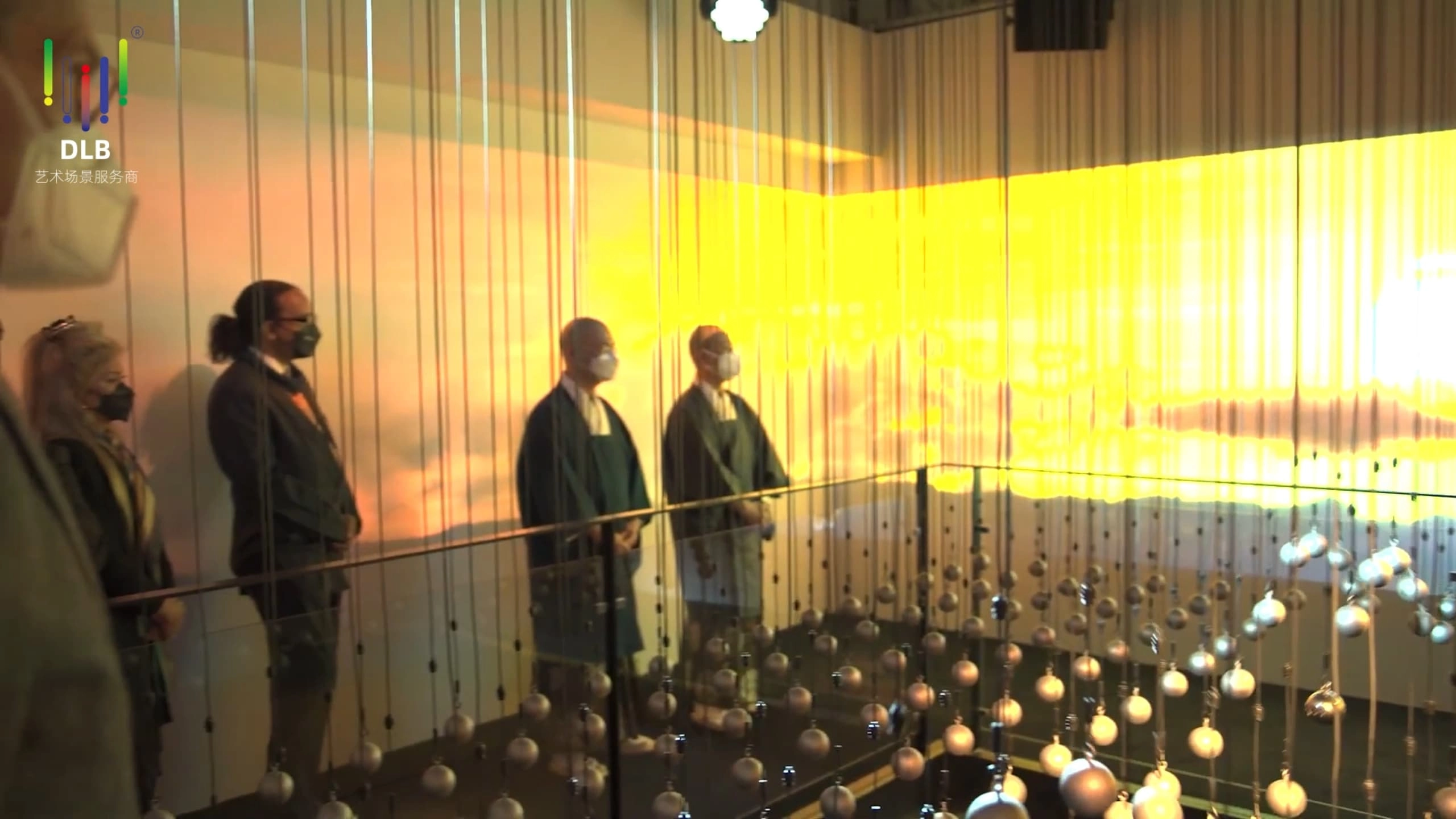
Divine Light Through a Thousand Years Analysis of Lighting Design & Application for the 800th Anniversary of the Great Saint’s Birth in Japan
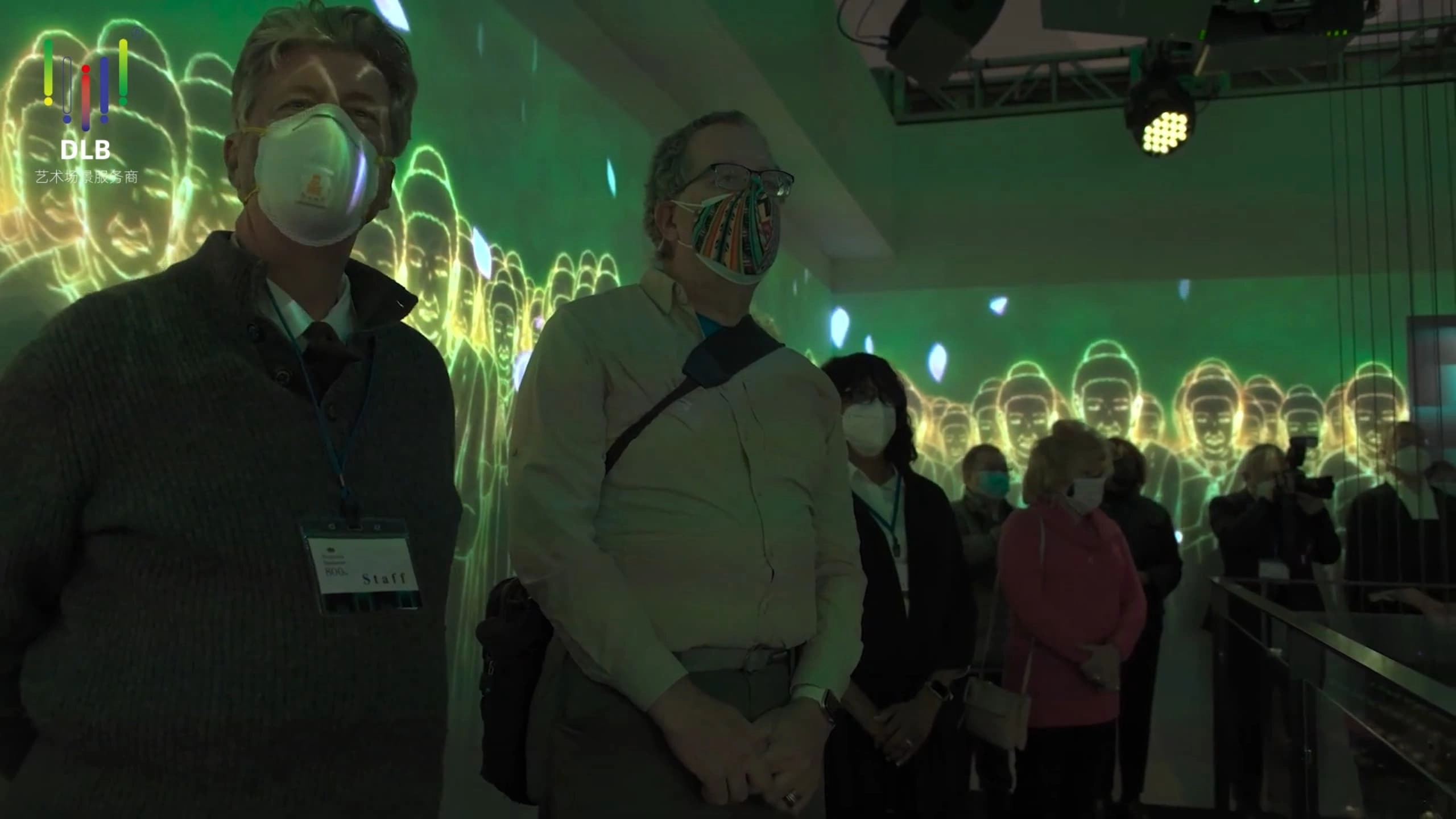
Divine Light Through a Thousand Years – Lighting Design & Application Sharing for the 800th Anniversary of the Great Saint’s Birth in Japan
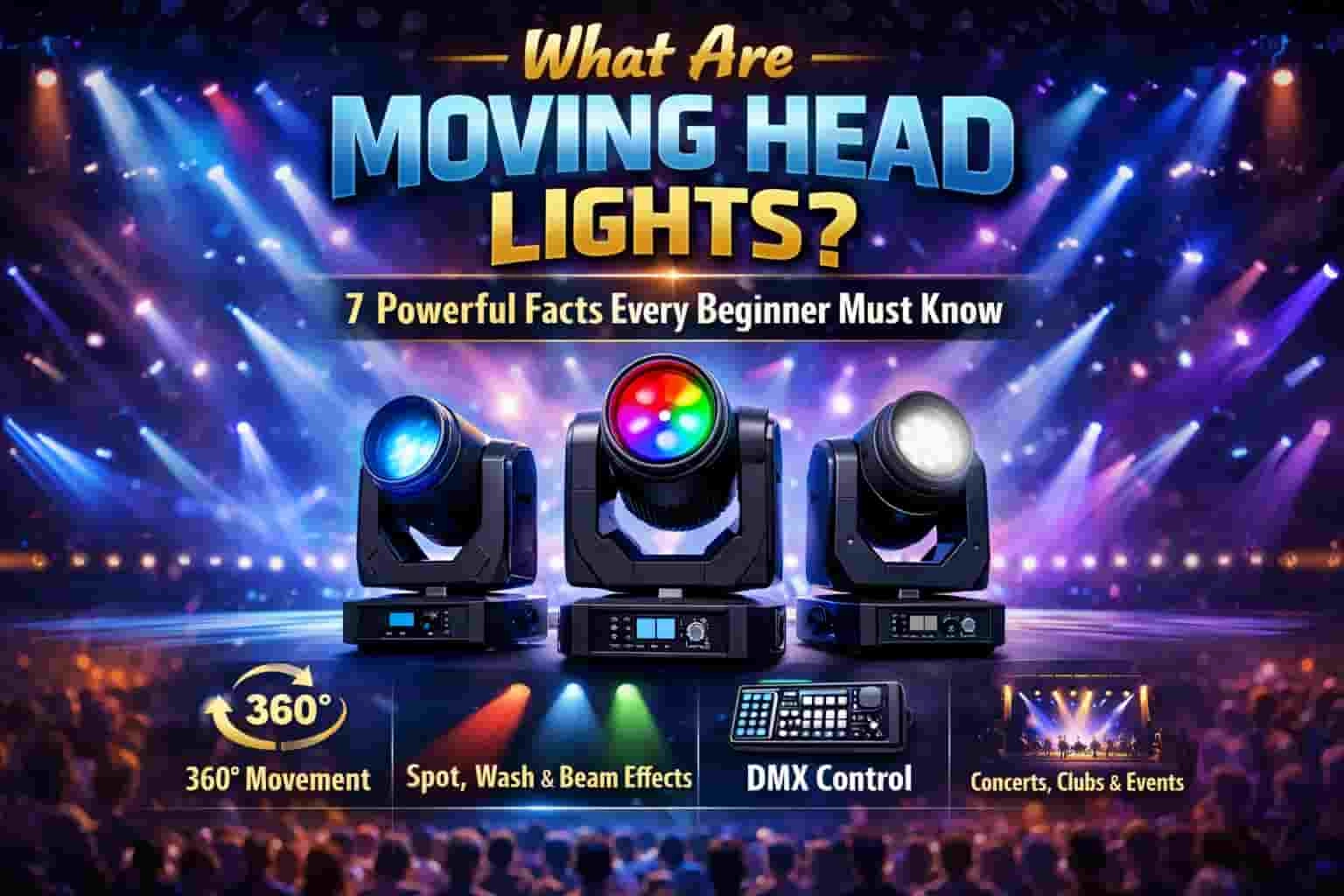
What Are Moving Head Lights? 7 Powerful Facts Every Beginner Must Know
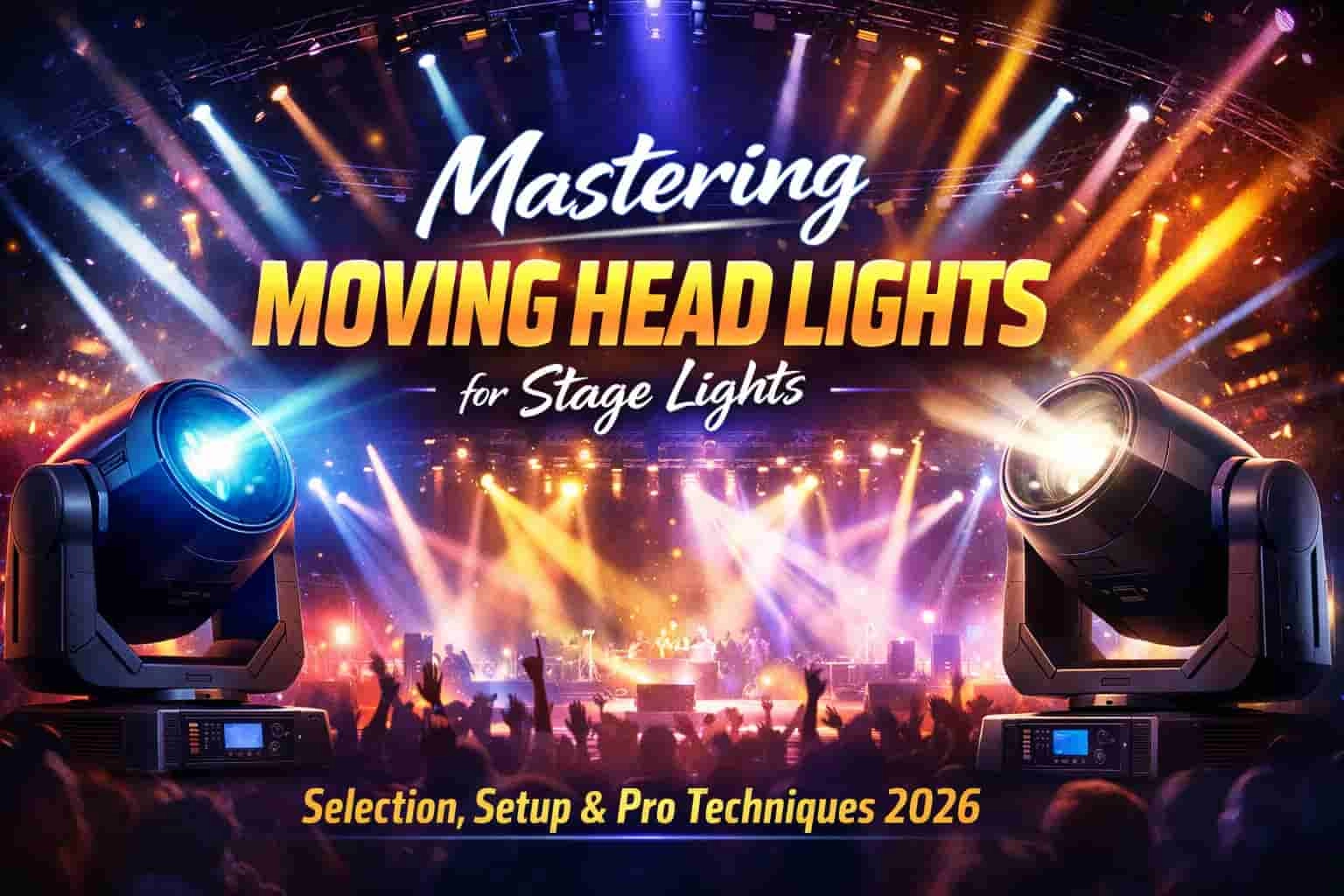
Mastering Moving Head Lights for Stage Lights: Selection, Setup & Pro Techniques 2026
Equipment & Installation
What should be noted when planning the power system for stage lights?
When planning power for stage lights, calculate total power consumption, distribute loads evenly across phases, use adequately sized cables, and ensure all circuits have overcurrent protection such as circuit breakers.
Technology & Parameters
In RGB/RGBA stage lights, what do the letters A and W represent?
In RGBA stage lights, A stands for Amber, used to improve skin tone rendering. In RGBW stage lights, W stands for White, used to provide pure white light and expand the color mixing range.
Basic Concepts & Types
What is a stage light?
Stage light refers to a dedicated lighting system for stages, performances, or live events, designed to shape visual images, enhance atmosphere, and guide audience attention through light.
Design & Application
What is a “Cue” in a stage light design plot?
In stage light design, a Cue is a complete snapshot of all lighting states (brightness, color, position, etc.) at a specific moment. A performance runs by executing cues in sequence.
What is the classic three-point lighting method for stage lights?
Three-point lighting is a fundamental technique for stage lights, using key light, fill light, and back light to model characters three-dimensionally and eliminate unnatural shadows.
Maintenance & Safety
What are the main electrical safety standards for stage light systems?
Key standards include reliable grounding, adequately sized and protected power cables, residual-current and overcurrent protection in distribution panels, secure connections, and compliance with local codes such as NEC and IEC.
Control & Programming
How to back up all programs for stage lights in the lighting console?
Most professional consoles allow saving the entire show file (including patch, cues, and presets for all stage lights) to a USB drive or networked computer for backup.
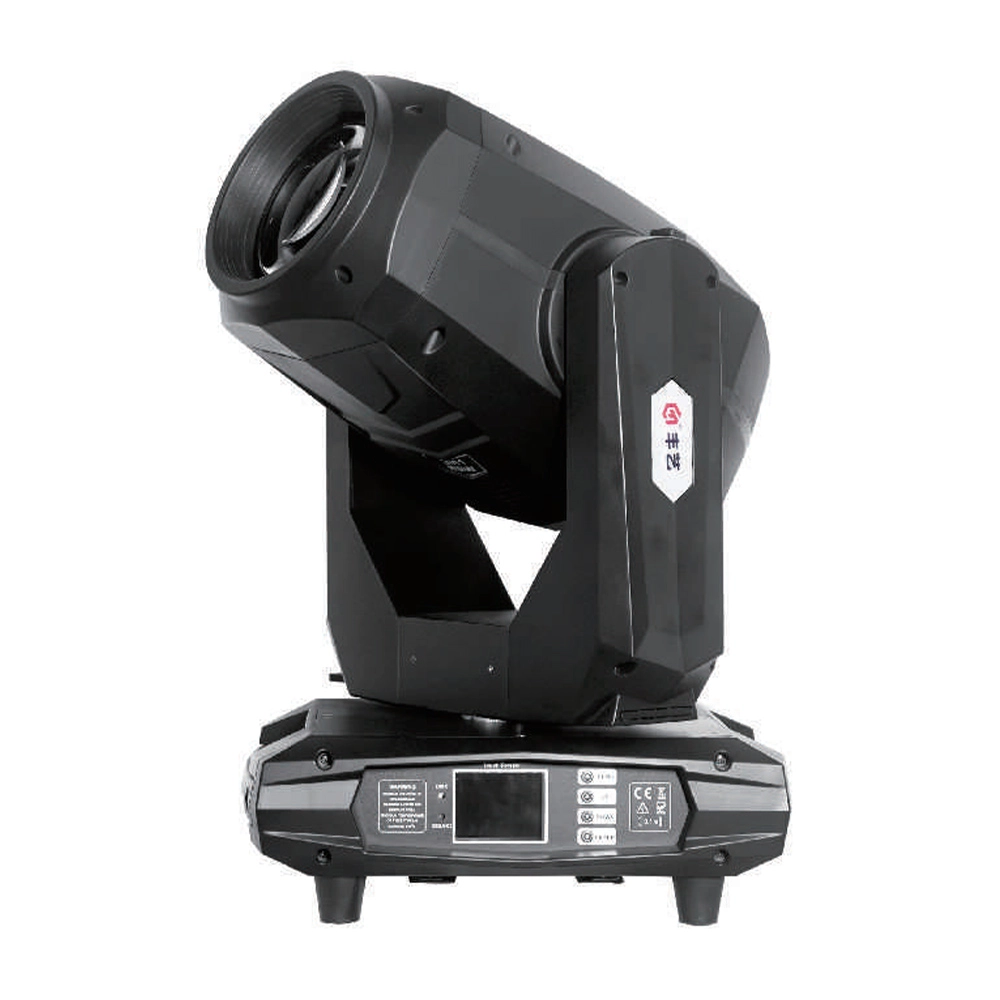
Fengyi 480W All-in-One Moving Head Beam Light Professional Stage Lighting FY-BM-10003
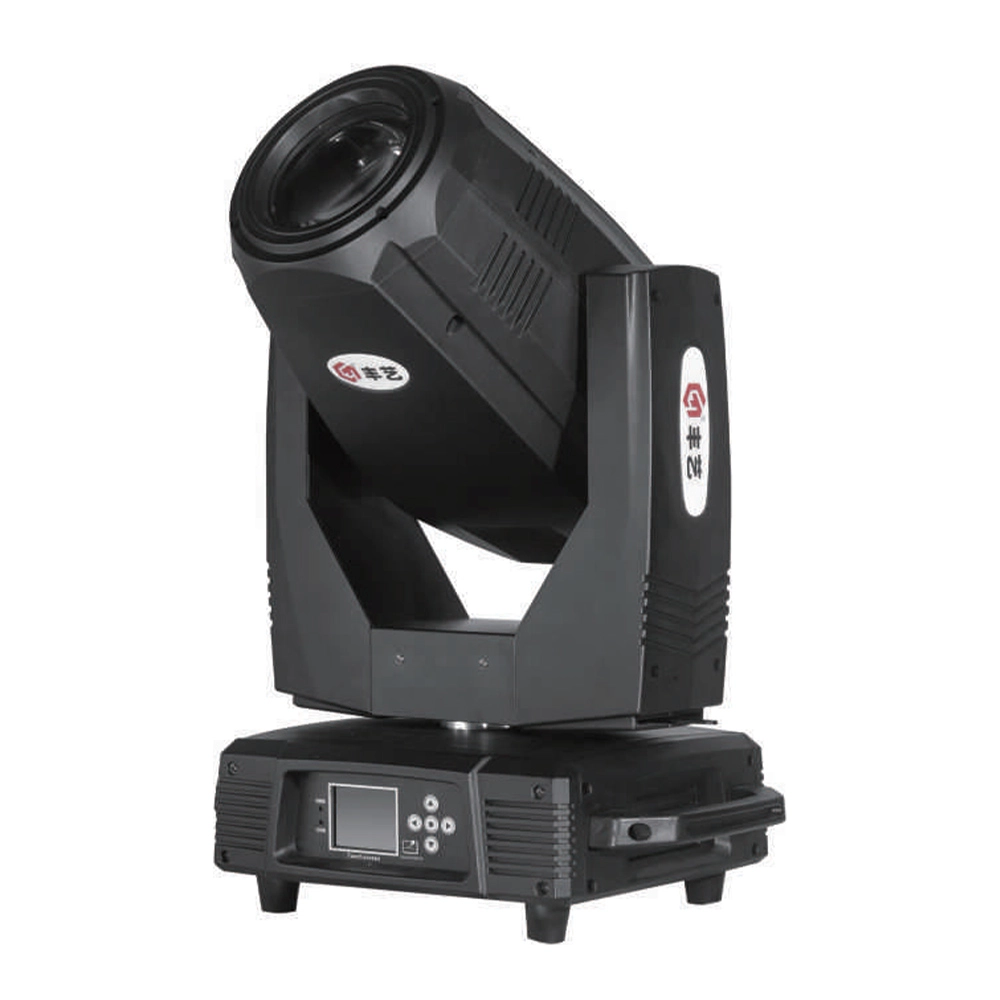
Fengyi 380W Intelligent Moving Head Stage Lights All-in-One System FY-BM-10002
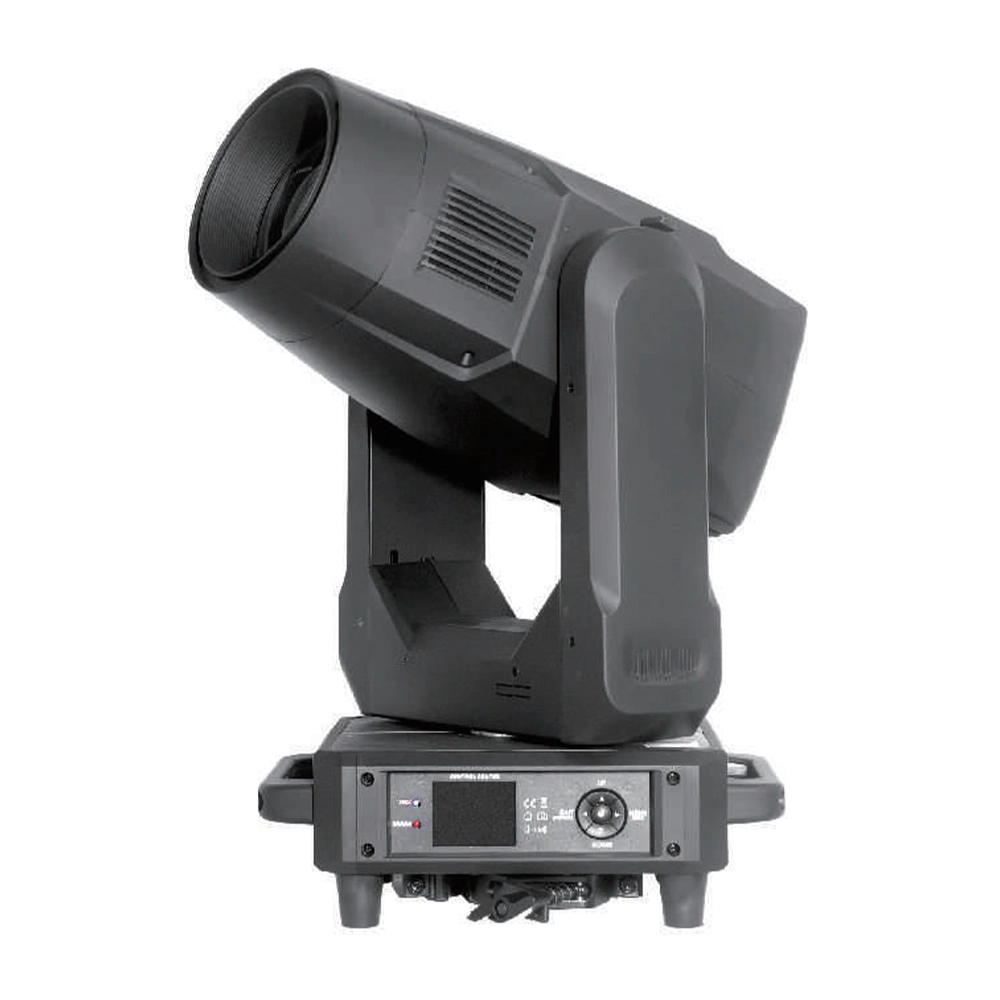
Fengyi 700W Profile Cutting Stage Moving Head Light Professional Event Fixture FY-SP-20003
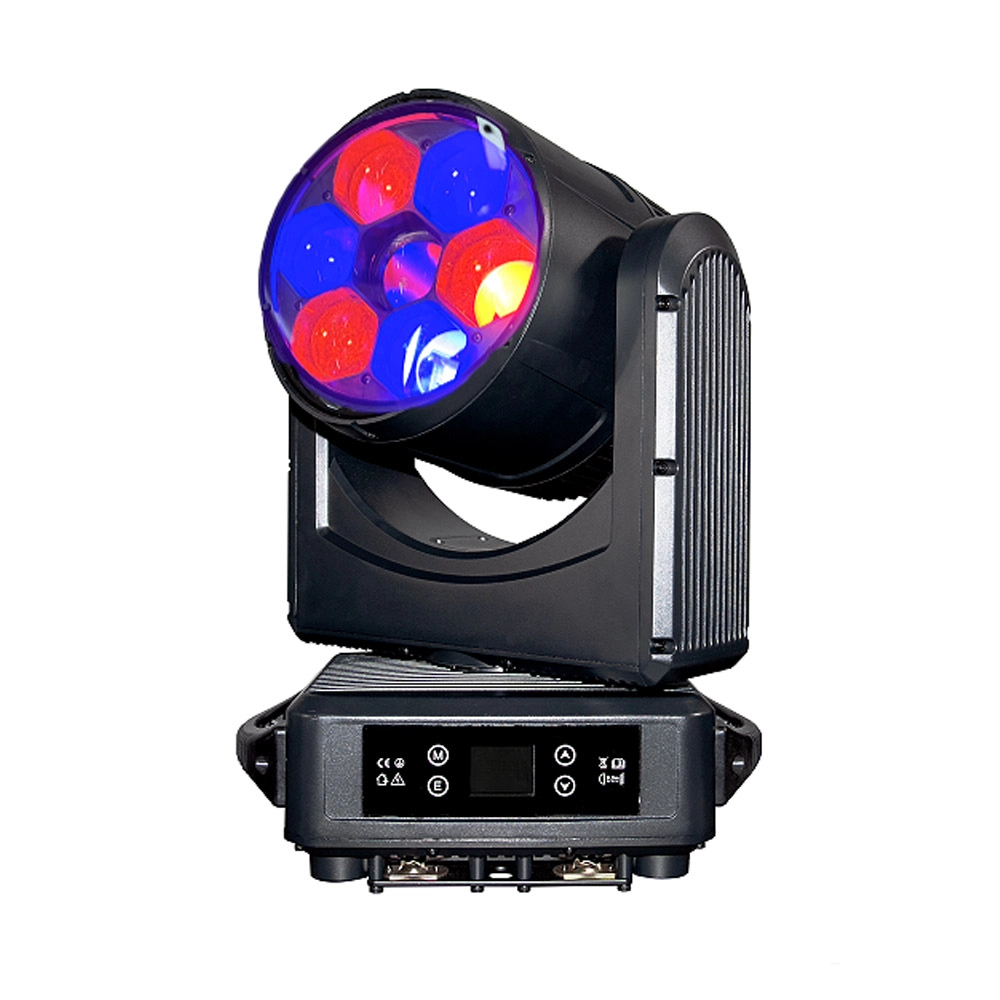
Fengyi 7x60W Waterproof Bee Eye Moving Head Professional LED Stage Lights for Concerts
The Fengyi 7*60 Waterproof Bee Eye offers powerful LED stage lights for concerts with reliable moving head stage lights and DMX control. Designed for outdoor use, it ensures vibrant, dynamic lighting performance in all weather, perfect for professional stage and event setups.
Inquire About Our Moving Head Stage Lights
* Fill The Form
Contact
Building 5, No. 34, Fuyuan Road, Jinghu Industrial Zone, Xinhua Town, Huadu District, Guangzhou, China.
WhatsApp: +86 181 2742 0174
Tel. +86(20) 8642 3596
Ph. +86 150 1870 4285
More information
© 2026 Fengyi. All Rights Reserved.
Fengyi Light
Fengyi Light
Fengyi Light
Fengyilighting