
Stage Lighting Terminology: 30 Essential Terms Every Beginner Should Know
Discover Fengyi’s essential guide to stage lighting terminology. Learn 30 key terms every beginner should know to master stage lighting basics and enhance your production skills. Perfect for newcomers seeking clear, expert insights into stage lighting terminology.
- Core Stage Lighting Control Terms
- Essential Lighting Measurement Terms
- Beam and Optical Terminology
- Color and Light Quality Terms
- Movement and Fixture Control Terms
- Stage Lighting Effects and Design Terms
- Stage Lighting in Modern Production Systems
- External Resource for Deeper Learning
- H2: Frequently Asked Questions (FAQs)
- Q1: What is stage lighting terminology used for?
- Q2: What is DMX in stage lighting?
- Q3: What is the difference between lumen and lux?
- Q4: Why is beam angle important?
- Q5: What does a gobo do?
- Q6: What is a lighting cue?
- Conclusion
Understanding stage lighting terminology is the foundation of working in live events, theater production, concerts, and broadcast lighting. Whether you're setting up a small stage or designing a large touring rig, knowing how lighting systems work helps you communicate clearly, avoid costly mistakes, and achieve professional visual results.
This guide explains 30 essential terms—ranging from DMX control systems to beam angle, lux, lumen, and modern LED lighting concepts—so beginners can confidently step into the world of stage lighting.
Core Stage Lighting Control Terms
1. DMX (Digital Multiplex)
DMX is the global standard for controlling stage lighting. It sends digital signals to control brightness, color, movement, and effects across fixtures.
2. DMX Universe
A single DMX universe supports 512 channels. Large shows may require multiple universes.
3. Address (DMX Address)
The starting point of a fixture within the DMX system. Each light must have a unique address.
4. Channel
A single controllable parameter such as dimmer, color, or pan/tilt.
5. Console
The lighting control board used to program and operate all stage lighting.
6. RDM (Remote Device Management)
An extension of DMX that allows two-way communication for troubleshooting and setup.
Essential Lighting Measurement Terms
7. Lumen
A lumen measures the total light output emitted by a fixture.
8. Lux
Lux measures how much light lands on a surface (lumens per square meter). It determines real brightness on stage.
9. Foot-candle
An imperial unit of light intensity used mainly in the US.
10. Candela
Measures light intensity in a specific direction.
11. Watt
Measures power consumption, not brightness—important for energy planning but not light quality.
Beam and Optical Terminology
12. Beam Angle
Beam angle defines how wide the light spreads. Narrow beams create sharp effects, while wide beams create soft coverage. Industry references define it as the angle where intensity drops to 50% of peak output (Vorlane).
13. Field Angle
The wider spread where light falls to 10% intensity.
14. Beam
A tight, high-intensity shaft of light used for aerial effects.
15. Wash
A soft, wide light used for general stage coverage.
16. Spot
A focused light used for highlighting performers or objects.
Color and Light Quality Terms
17. RGB
Red, Green, Blue—additive color mixing system used in LED lights.
18. CMY
Cyan, Magenta, Yellow—subtractive color mixing used in professional moving lights.
19. Color Temperature (Kelvin)
Measures whether light looks warm (yellow) or cool (blue).
20. CRI (Color Rendering Index)
Indicates how accurately a light shows real colors.
21. Gel
Colored film used in traditional fixtures to change light color.
Movement and Fixture Control Terms
22. Pan
Horizontal movement of a moving head fixture.
23. Tilt
Vertical movement of a fixture.
24. Zoom
Adjusts beam width without moving the fixture.
25. Focus
Sharpness adjustment of the light beam.
26. Iris
A mechanical opening that controls beam diameter.
Stage Lighting Effects and Design Terms
27. Gobo
A stencil placed inside a fixture to project patterns or textures.
28. Strobe
A rapid flashing effect used for dramatic moments.
29. Fade
A gradual increase or decrease in light intensity.
30. Cue
A programmed lighting state triggered during a performance.
Stage Lighting in Modern Production Systems
Today’s lighting systems combine traditional optics with digital control. LED fixtures, wireless DMX, and intelligent moving heads have made lighting more flexible but also more technical.
Modern systems commonly use:
- DMX512 networks
- Art-Net and sACN over Ethernet
- Software-based lighting consoles
- Pixel-mapped LED systems
External Resource for Deeper Learning
For further technical reference, you can explore lighting standards and concepts here:
https://www.lighting.philips.com
H2: Frequently Asked Questions (FAQs)
Q1: What is stage lighting terminology used for?
It is used to describe the technical language of lighting systems in theater, concerts, and events.
Q2: What is DMX in stage lighting?
DMX is a communication protocol that controls lighting fixtures digitally.
Q3: What is the difference between lumen and lux?
Lumens measure total light output, while lux measures light on a surface.
Q4: Why is beam angle important?
It determines how wide or narrow the light spreads on stage.
Q5: What does a gobo do?
A gobo projects patterns like textures, logos, or shapes onto surfaces.
Q6: What is a lighting cue?
A cue is a saved lighting state triggered during a performance.
Conclusion
Mastering stage lighting terminology is the first step toward becoming a skilled lighting technician or designer. From DMX control systems to beam angle, lux, and advanced LED technologies, each term plays a vital role in creating professional lighting environments.
Whether you're a beginner or an aspiring professional, understanding these 30 essential terms will help you communicate effectively, design confidently, and execute flawless lighting setups.
For professional lighting solutions and equipment, you can also visit:
https://www.fengyilighting.com
Stage Lighting Terminology: 30 Essential Terms Every Beginner Should Know
Star River as the Curtain, Light and Shadow as Poetry — Analysis on the Design and Application of the Lighting System for Runze Zheng’s Nanjing Concer
The Five-Dimensional Principle of Concert Lighting Design ——Practical Experience Sharing from Runze Zheng’s Nanjing Concert
Types of Moving Head Lights Explained: Beam, Spot, Wash & Hybrid
Technology & Parameters
In RGB/RGBA stage lights, what do the letters A and W represent?
In RGBA stage lights, A stands for Amber, used to improve skin tone rendering. In RGBW stage lights, W stands for White, used to provide pure white light and expand the color mixing range.
Industry Trends & Purchasing
For a startup event company, is it better to rent or buy stage light equipment?
Renting stage lights is wiser for unstable early business, reducing financial pressure and allowing testing of different gear. Purchasing core equipment becomes profitable once demand is consistent.
What are the most significant trends in the modern stage light industry?
The most prominent trends are full LED adoption, networked control (ACN/sACN), deep integration with multimedia (video, projection), and virtual production workflows based on visualization software.
Maintenance & Safety
What are the main electrical safety standards for stage light systems?
Key standards include reliable grounding, adequately sized and protected power cables, residual-current and overcurrent protection in distribution panels, secure connections, and compliance with local codes such as NEC and IEC.
Equipment & Installation
How to calculate the weight load of stage lights on a lighting truss?
Sum the total weight of all stage lights, cables, and the truss itself. The total must not exceed the truss’s rated Safe Working Load (SWL), with at least 50% safety margin typically reserved.
Control & Programming
What are the leading professional brands of stage light consoles today?
Major brands include MA Lighting (grandMA series, Germany), Avolites (Titan series, Netherlands), and Zero 88 (FLX series, UK), which control most high-end stage lights worldwide.
Creativity & Special Effects
Why does a haze machine greatly enhance the effect of stage lights?
Fine particles from a haze machine suspend in air and make beams of stage lights clearly visible, creating voluminous, dramatic light rays that are essential for showing aerial beam effects.
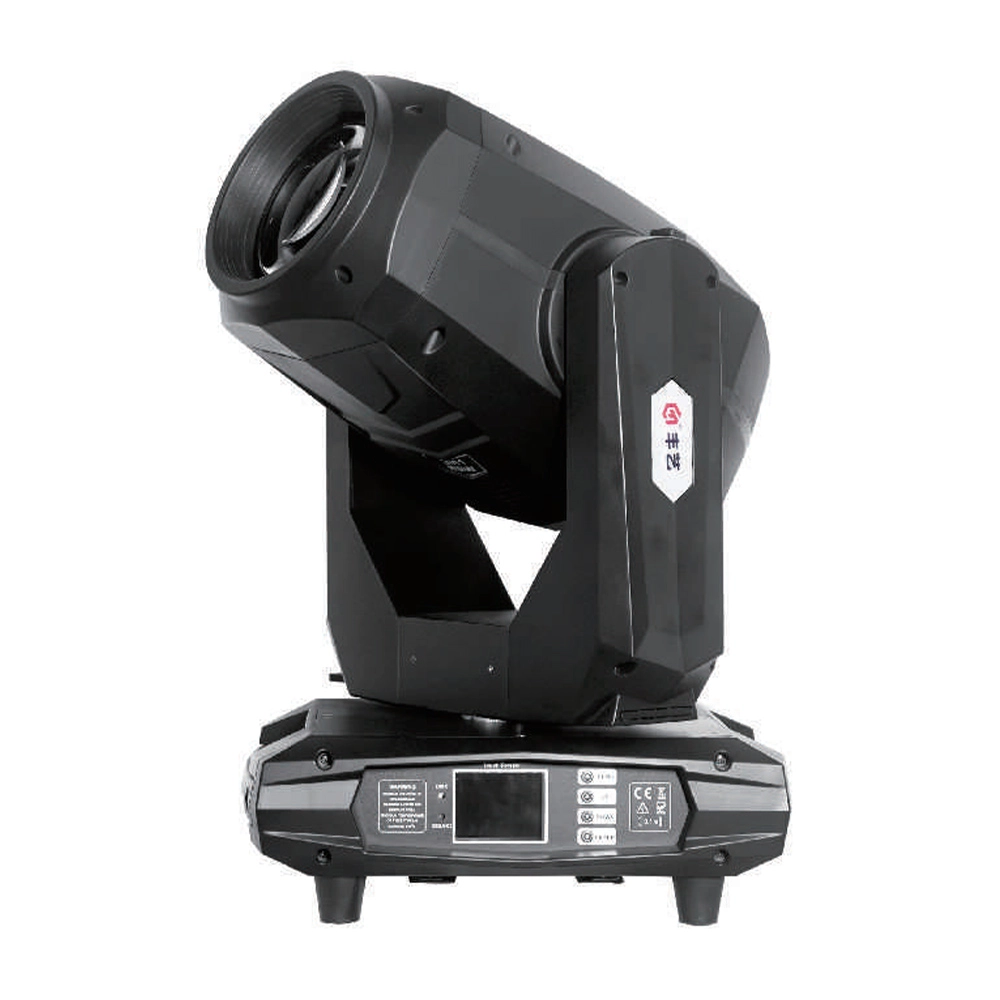
Fengyi 480W All-in-One Moving Head Beam Light Professional Stage Lighting FY-BM-10003
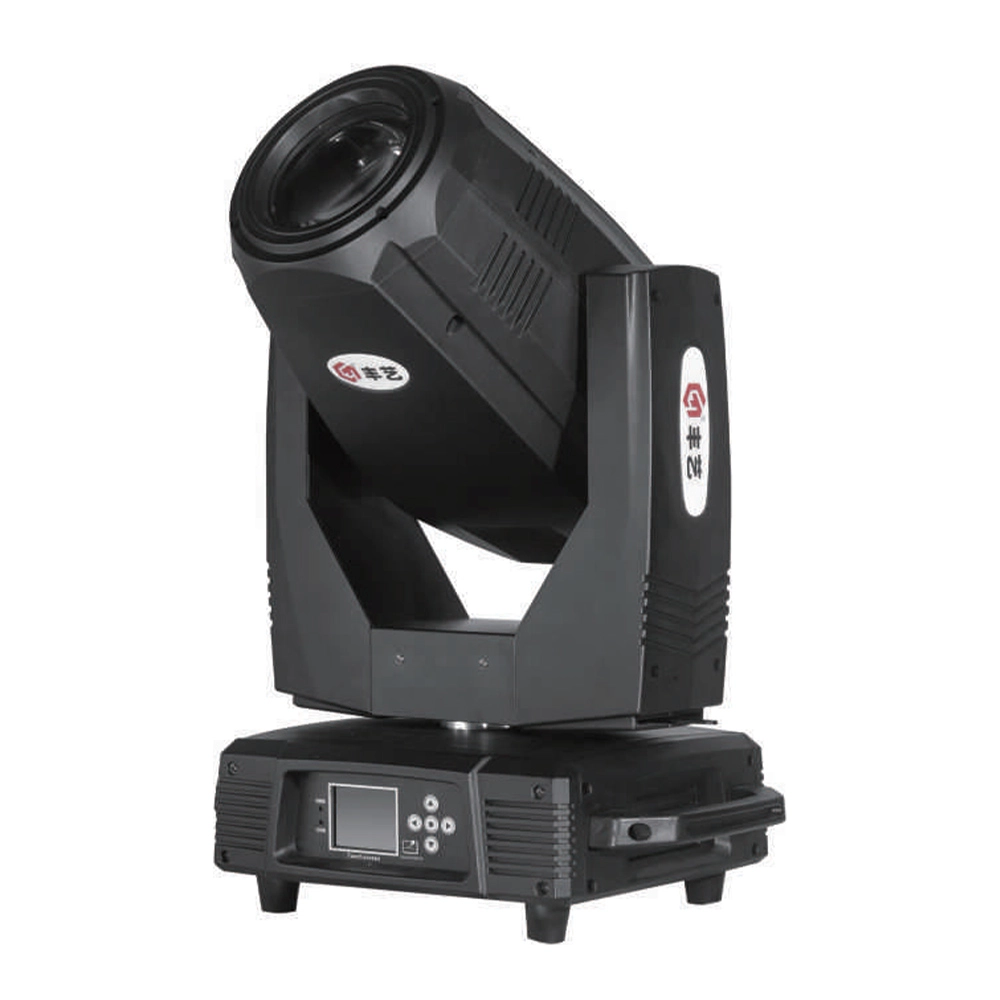
Fengyi 380W Intelligent Moving Head Stage Lights All-in-One System FY-BM-10002
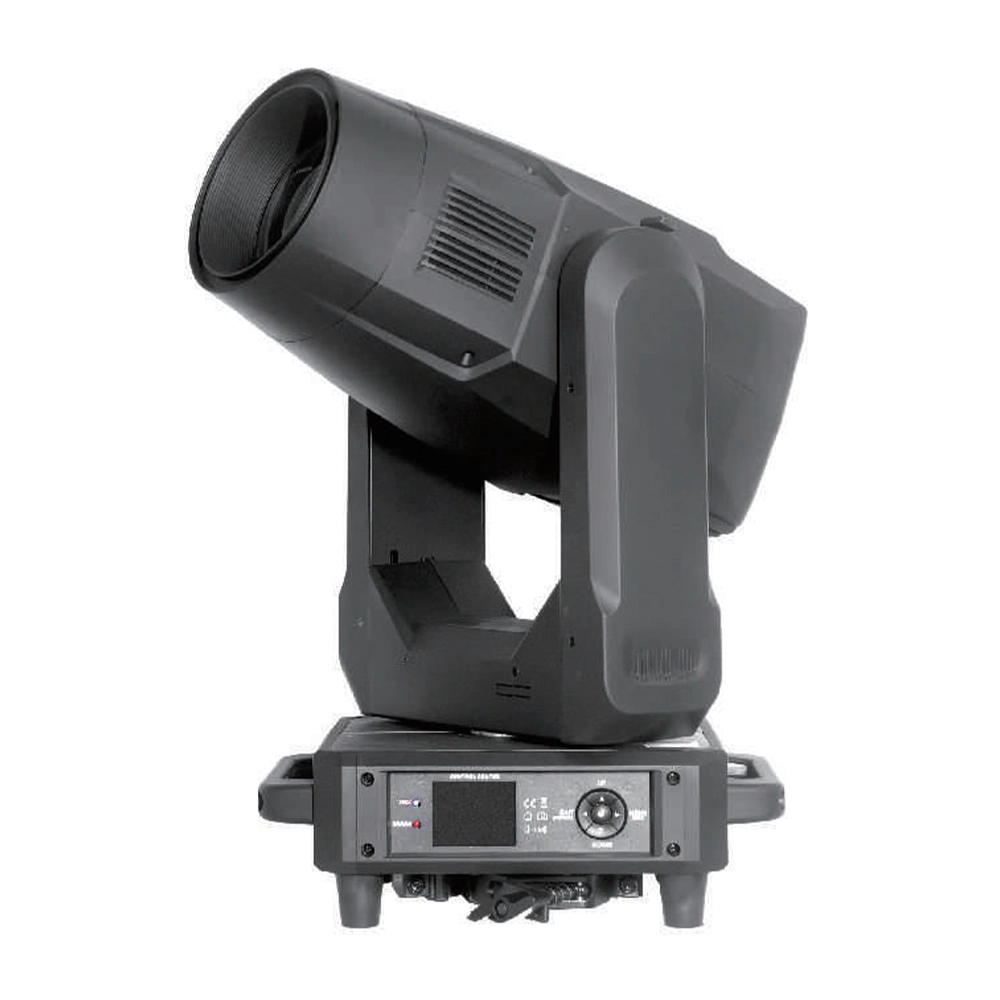
Fengyi 700W Profile Cutting Stage Moving Head Light Professional Event Fixture FY-SP-20003
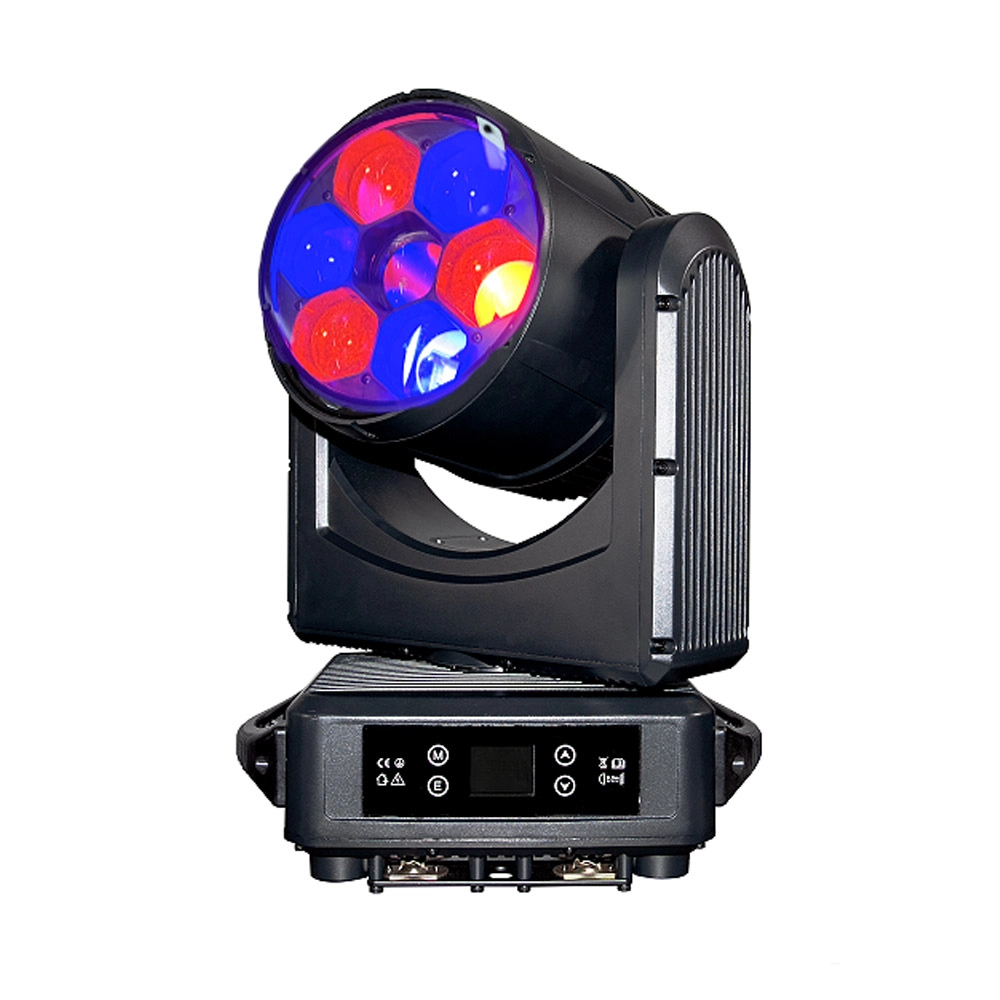
Fengyi 7x60W Waterproof Bee Eye Moving Head Professional LED Stage Lights for Concerts
The Fengyi 7*60 Waterproof Bee Eye offers powerful LED stage lights for concerts with reliable moving head stage lights and DMX control. Designed for outdoor use, it ensures vibrant, dynamic lighting performance in all weather, perfect for professional stage and event setups.
Inquire About Our Moving Head Stage Lights
* Fill The Form
Contact
Building 5, No. 34, Fuyuan Road, Jinghu Industrial Zone, Xinhua Town, Huadu District, Guangzhou, China.
WhatsApp: +86 181 2742 0174
Tel. +86(20) 8642 3596
Ph. +86 150 1870 4285
More information
© 2026 Fengyi. All Rights Reserved.
Fengyi Light
Fengyi Light
Fengyi Light
Fengyilighting