
The Five-Dimensional Principle of Concert Lighting Design ——Practical Experience Sharing from Runze Zheng’s Nanjing Concert
Discover the five-dimensional principles of concert lighting design through Runze Zheng's Nanjing concert experience. Learn how professional moving head stage lighting for events creates stunning visual effects. Fengyi shares best moving head lights for stage techniques.
- The Five-Dimensional Principle of Concert Lighting Design——Practical Experience Sharing from Runze Zheng’s Nanjing Concert
- Project Description
- Project Introduction
- Project Overview
- Core Design Challenges
- Equipment Allocation & Role Positioning
- In-Depth Project Analysis
- 1. Design Challenges of Emotional Dynamic Range
- 2. Non-overlapping Division Principle for Five Lighting Devices
- 3. Core Skills of Timecode Programming
- 4. Modular Design for Tour Adaptability
- Project Solutions
- 1. System Framework of the Five-Dimensional Lighting Principle
- 2. Emotion-Driven Scene Programming Cases
- Scene A: Lyrical Track Moment — Frozen Time Atmosphere
- Scene B: High-Energy Track It’s You — Intense Energy Burst
- Scene C: Encore Star River — Full-Venue Emotional Resonance
- 3. Efficiency Optimization Skills for Tours
- Product Application Analysis
- In-Depth Analysis of Collaborative Lighting Logic
- 1. Dynamic Switching of Primary and Secondary Visual Layers
- 2. Application of Speed Gradient
- 3. Unified Color Management Rules
- FAQs
- Conclusion
The Five-Dimensional Principle of Concert Lighting Design——Practical Experience Sharing from Runze Zheng’s Nanjing Concert
Project Description
Project Introduction
Project Overview
Core Design Challenges
- Emotional dynamic range: How to present extreme tranquility and high-energy passion with one unified lighting system?
- Visual hierarchy optimization: How to avoid visual clutter when five types of lighting work simultaneously?
- Timecode programming accuracy: How to achieve millisecond-level alignment between lighting, music beats and lyrical emotion?
- Touring efficiency: How to replicate the lighting scheme rapidly at each tour stop and reduce on-site programming time?
Equipment Allocation & Role Positioning
| Equipment | Core Task | Design Role |
|---|---|---|
| Lifting Meteor Light | Create dynamic vertical lines | Emotional indicator · Visual expression of flowing time |
| 37-Eye Matrix Light | Project flowing textures and gradient colors | Atmospheric foundation · Emotional tone setting |
| Beam Light | Build beam matrices and rhythmic dynamics | Energy burst · Spatial framework construction |
| Fill Light | Precisely shape the singer’s image | Character focus · Facial emotion delivery |
| Laser Light | Generate starry visuals and iconic spectacles | Ritual atmosphere · Highlight visual moments |
In-Depth Project Analysis
1. Design Challenges of Emotional Dynamic Range
| Emotion Type | Representative Track | Speed Parameter | Brightness Range | Color Tone | Movement Range |
|---|---|---|---|---|---|
| Extreme tenderness | Moment | Ultra-slow (cycle over 10s) | 30–50% | Warm tones (amber / orange / warm white) | Minimal movement · near static |
| Mid-tempo pop | General repertoire | Moderate (2–5s cycle) | 50–70% | Neutral tones (gold / pure white) | Medium amplitude |
| High-energy climax | It’s You | Fast switching (0.5–1s) | 80–100% | Cool tones (blue / white / purple) | Dramatic motion · 540° high-speed sweeping |
2. Non-overlapping Division Principle for Five Lighting Devices
- Lifting meteor lights: Only responsible for vertical linear movement (up and down Z-axis motion).
- Beam lights: Only responsible for horizontal linear movement (sweeping & interweaving on X-Y axis).
- 37-eye matrix lights: Only for surface texture and color rendering (background & ground projection).
- Fill lights: Only for point-focused character lighting (static tracking illumination).
- Laser lights: Only for symbolic visual spectacles (starry sky, customized text and patterns).
3. Core Skills of Timecode Programming
- Obtain multi-track audio files or demo tracks with clear beat markers in advance.
- Import music into lighting control software, and mark beats, phrase beginnings and chorus entry points.
- Lock lighting switching actions to precise time nodes, such as beam gathering four beats before the chorus and bursting on the first beat.
- Fine-tune time offset within ±50ms during rehearsals based on on-site audio perception.
- Trigger programs automatically via timecode in formal performances to eliminate manual tracking errors.
4. Modular Design for Tour Adaptability
Project Solutions
1. System Framework of the Five-Dimensional Lighting Principle
| Dimension | Equipment | Control Parameters | Classic Effects |
|---|---|---|---|
| Vertical (Z-axis) | Lifting Meteor Light | Lifting speed, height, color | Meteor shower, star waterfall, rhythmic beating |
| Horizontal (X-Y axis) | Beam Light | Movement speed, angle, beam shape | Light matrix, light tunnel, panoramic sweeping |
| Texture (Surface Layer) | 37-Eye Matrix Light | Pattern, flow speed, color matching | Nebula rotation, ripple diffusion effect |
| Focus (Point Layer) | Fill Light | Brightness, color temperature, tracking position | Singer facial lighting, interactive area highlighting |
| Symbolic Spectacle | Laser Light | Pattern editing, text projection, scanning path | Starry sky projection, lyric display, customized logos |
2. Emotion-Driven Scene Programming Cases
Scene A: Lyrical Track Moment — Frozen Time Atmosphere
- Lifting meteor lights: 10-second slow lifting cycle with subtle movement, warm white output.
- 37-eye matrix lights: Soft golden nebula textures with a 30-second ultra-slow flow cycle.
- Beam lights: Only 2 to 3 units reserved at low brightness to outline stage contours; remaining units on standby.
- Fill lights: 3000K warm tone at 50% brightness, soft shadow-free illumination.
- Laser lights: Deactivated.
Scene B: High-Energy Track It’s You — Intense Energy Burst
- Lifting meteor lights: Beat-synced rapid bouncing 1–2 times per second, cool white tone.
- Beam lights: Gather toward the stage center from all directions at the chorus for explosive light convergence, then interweave at high speed to form stunning light tunnels.
- 37-eye matrix lights: Cool blue fast-flow ripple textures with a 1-second switching cycle to enhance dynamic rhythm.
- Fill lights: 5000K cool white at 80% brightness with sharp light edges.
- Laser lights: Drumbeat-synced strobing and dynamic aerial light networks on the ceiling.
Scene C: Encore Star River — Full-Venue Emotional Resonance
- Lifting meteor lights: Rise to the highest altitude in full array to form a grand warm-white starry sky.
- Laser lights: Project dense starry effects on the arena ceiling and customized text such as "Thank You Nanjing" on the ground.
- Fill lights: 4000K neutral warm tone at 80% brightness, covering the singer and front-row audience.
- Beam lights: Low-brightness slow rotation to simulate revolving starry skies.
- 37-eye matrix lights: Full-stage warm soft light coverage.
3. Efficiency Optimization Skills for Tours
- Main control template establishment: Store commonly used effects such as chorus bursts and verse tranquility as macro presets for one-click calling and duration adjustment.
- Relative track programming: All motion tracks are based on the stage center, realizing overall scaling adaptation for different venue sizes.
- Pre-set fixture parameter library: Save classic color tones, movement speeds and pattern parameters of each device in the console to shorten on-site debugging time.
Product Application Analysis
| Product Category | Key Design Parameters | Selection Reasons | Practical Skills in Runze Zheng’s Concert |
|---|---|---|---|
| Lifting Meteor Light | Adjustable lifting speed (0.1–1m/s), silent motor, RGBW full color, independent single lamp control | Capable of switching between ultra-slow flowing motion and high-speed rhythmic movement; silent operation required for indoor arenas | 0.1m/s ultra-low speed for lyrical segments; 0.8m/s rapid bouncing for high-energy parts. 1.5-meter standard array spacing for continuous vertical visual layering. |
| 37-Eye Matrix Light | Independent pixel control, honeycomb lens, CMY color mixing, silent heat dissipation | Delicate texture projection, smooth color gradient, noise-free long-hour operation | Abstract patterns including nebulae and ripples are preferred; texture flow speed linked to BPM: 30s cycle for slow songs, 1s cycle for fast tracks. |
| Beam Light | Over 20,000 lumens, 2° narrow beam angle, 540° high-speed rotation within 1.5s, CMY hybrid color | Strong penetration for large arenas; ultra-fast movement to match high-BPM pop and rock music | Prism overlay in chorus segments multiplies beam density; symmetric and mirrored track programming delivers orderly visual impact. |
| Fill Light | CRI ≥ 95, 2700–5000K adjustable color temperature, flicker-free dimming | Authentic skin tone restoration; flexible switching between warm intimate lighting and cold high-energy lighting | 3000K with soft filters for ballads; 5000K sharp lighting for climax segments. Manual tracking reserved for natural interactive performance lighting. |
| Laser Light | 30W RGB full color, 30Kpps high-speed scanning, FDA Class 3B certification, no-scan zone locking | Long-distance clear projection for starry and text effects, with standardized safety control | Software-locked forbidden zones covering auditoriums and performance areas. City-specific customized text and lyric highlights for exclusive stop branding. |
In-Depth Analysis of Collaborative Lighting Logic
1. Dynamic Switching of Primary and Secondary Visual Layers
- Verse: Fill lights & lifting meteor lights (focus on character emotion).
- Pre-chorus: Beam lights gradual gathering (energy accumulation).
- Chorus downbeat: Beam lights & laser lights (core explosive highlights).
- Interlude: Matrix lights & lifting meteor lights (natural scene transition).
2. Application of Speed Gradient
- Lifting meteor lights: 0.1m/s for slow songs, 0.8m/s for fast songs.
- Matrix texture flow: 30-second slow cycle for ballads, 1-second fast cycle for high-energy music.
- Beam movement: Static or 10-second slow sweeping for verses, 0.5-second high-speed switching for climaxes.
- Laser animation: Disabled in gentle segments, beat-synced flashing in high-energy parts.
3. Unified Color Management Rules
- Maximum 3 dominant colors for each song to avoid visual clutter.
- Lyrical style: Main tones of amber & warm white, supplemented by orange and red.
- High-energy style: Main tones of blue & cool white, supplemented by purple and magenta.
- Encore segment: Golden and warm white as the core palette.
- Gradient color switching within 2–5 seconds for soft and natural transition.
FAQs
- Physical installation height above 5 meters to keep laser beams higher than human eye level.
- Software-defined no-scan zones to completely shield auditoriums and performance areas.
- Diffuser lenses to disperse concentrated laser energy and reduce local light density.
- Dedicated laser supervisors with emergency stop buttons for real-time monitoring.
All products comply with FDA Class 3B international safety standards, with lasers only projected toward ceilings, sky areas and ground backgrounds.
- High reusability: Unified programming files apply to dozens of shows to greatly reduce repeated design costs.
- Brand premium: High-quality immersive lighting improves concert grade and ticket value.
- Social communication: Viral visual highlights drive audience sharing and free celebrity publicity.
- Long service life: Professional stage lighting features long durability and high residual value for long-term cyclic use.
Conclusion
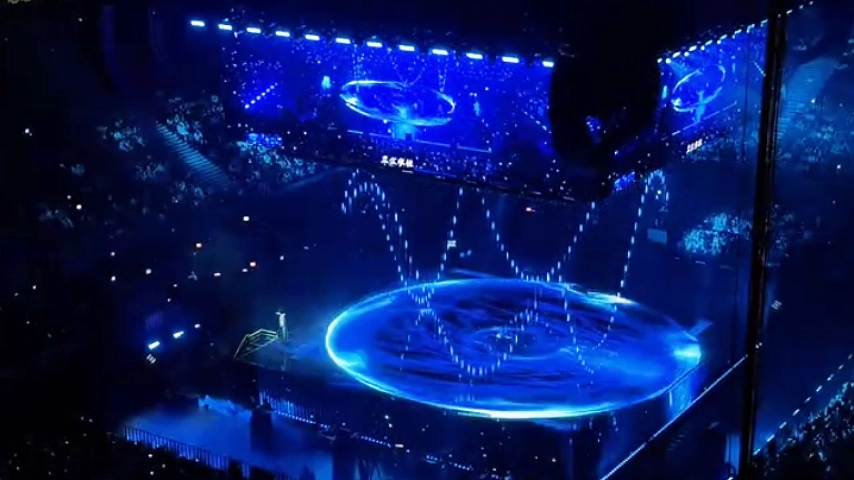
The Five-Dimensional Principle of Concert Lighting Design ——Practical Experience Sharing from Runze Zheng’s Nanjing Concert
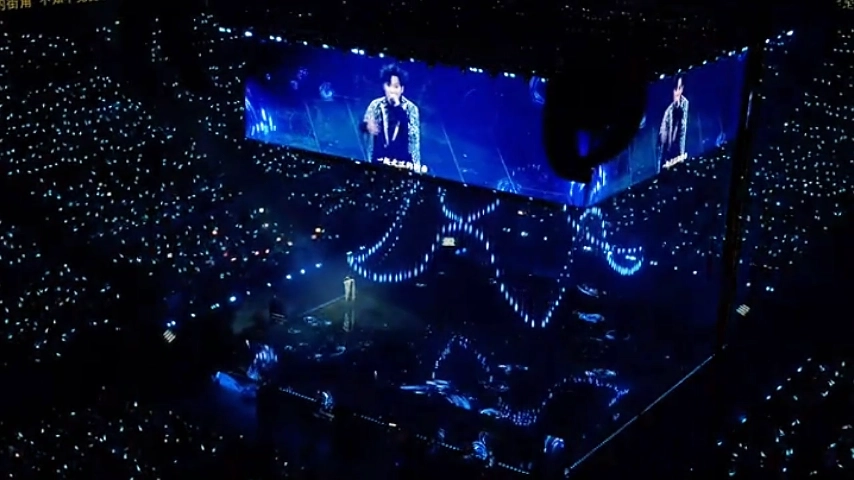
Star River as the Curtain, Light and Shadow as Poetry — Analysis on the Design and Application of the Lighting System for Runze Zheng’s Nanjing Concer
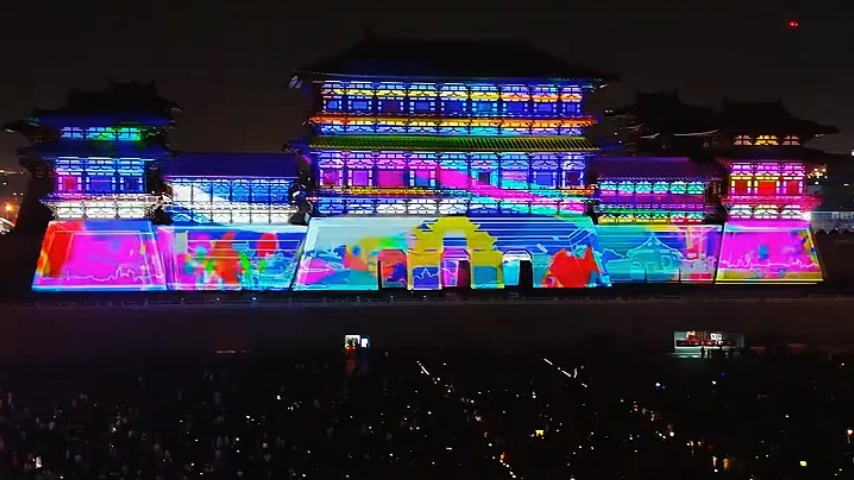
Light and Shadow Empower Heritage Night Tourism — Design Logic and Technical Practice of the Cultural Tourism Lighting System at Luoyang Ying Tianmen
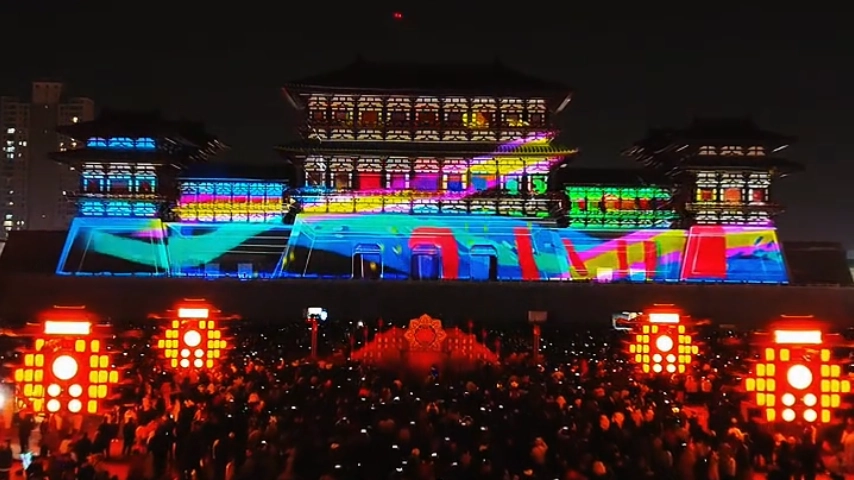
Light Reflecting the Sui and Tang Dynasties Analysis of Lighting System Design and Application for the Luoyang Ying Tianmen Tourism Project
Basic Concepts & Types
What is the difference between spotlight stage lights and floodlight stage lights?
Spotlight stage lights produce narrow, highly directional beams with clear edges, used to highlight individuals. Floodlight stage lights provide large-area, uniform illumination for lighting up entire scenes or backgrounds.
What kind of stage light is a follow spotlight?
A follow spotlight is a high-intensity spotlight stage light operated in real time by a technician, used to continuously track and highlight main performers or key subjects during a show.
What are the main functions of stage lights?
The main functions of stage lights include providing basic illumination, shaping space and characters, rendering emotional atmosphere, strengthening performance rhythm, and creating specific artistic effects.
3.Q: What types of stage light equipment are commonly used?
Control & Programming
How does timecode enable automatic playback of stage lights?
Timecode is a synchronization signal. When connected to the lighting console, stage light cues are triggered automatically at frame-accurate timestamps aligned with recorded music or video, enabling unattended perfect synchronization.
How to back up all programs for stage lights in the lighting console?
Most professional consoles allow saving the entire show file (including patch, cues, and presets for all stage lights) to a USB drive or networked computer for backup.
Technology & Parameters
In RGB/RGBA stage lights, what do the letters A and W represent?
In RGBA stage lights, A stands for Amber, used to improve skin tone rendering. In RGBW stage lights, W stands for White, used to provide pure white light and expand the color mixing range.
Design & Application
How do the colors of stage lights directly affect the audience’s emotions?
Colors in stage lights carry strong psychological cues: red for passion or danger, blue for sadness or calm, green for mystery or nature. Lighting designers use these principles to guide audience emotion.
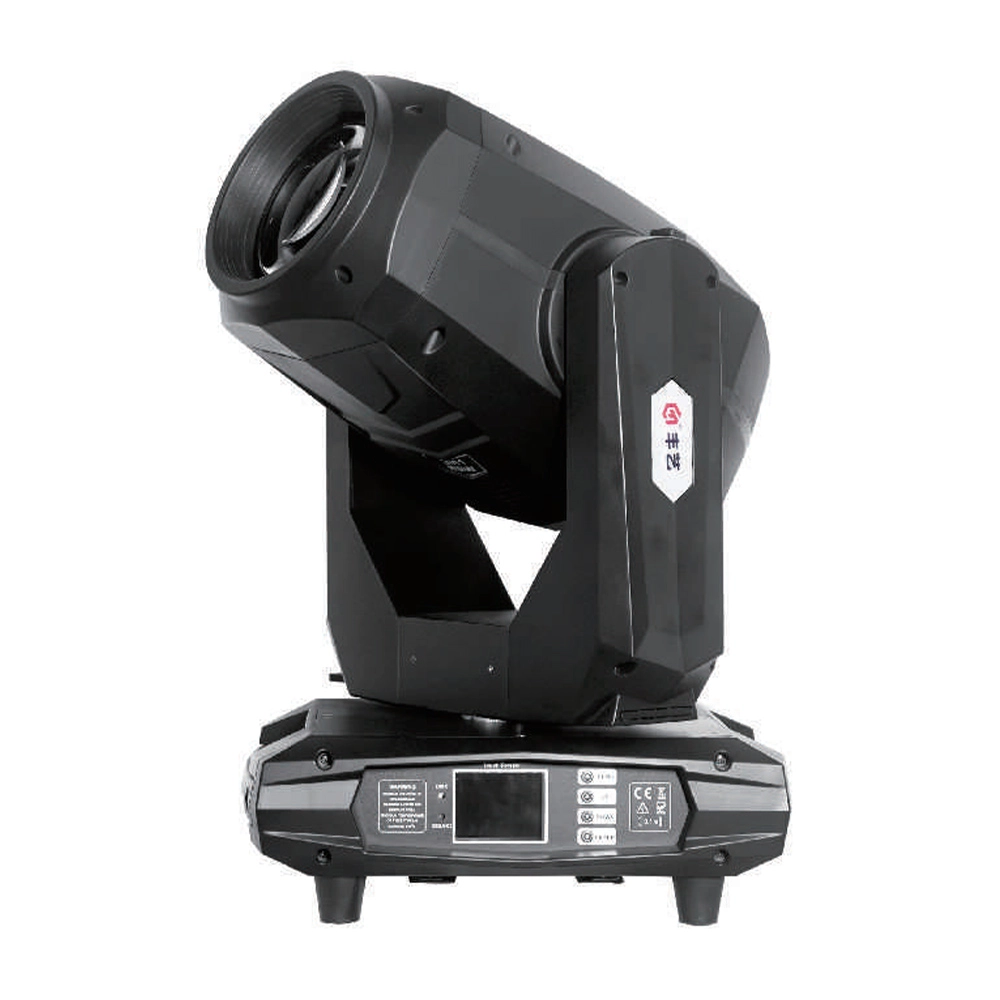
Fengyi 480W All-in-One Moving Head Beam Light Professional Stage Lighting FY-BM-10003
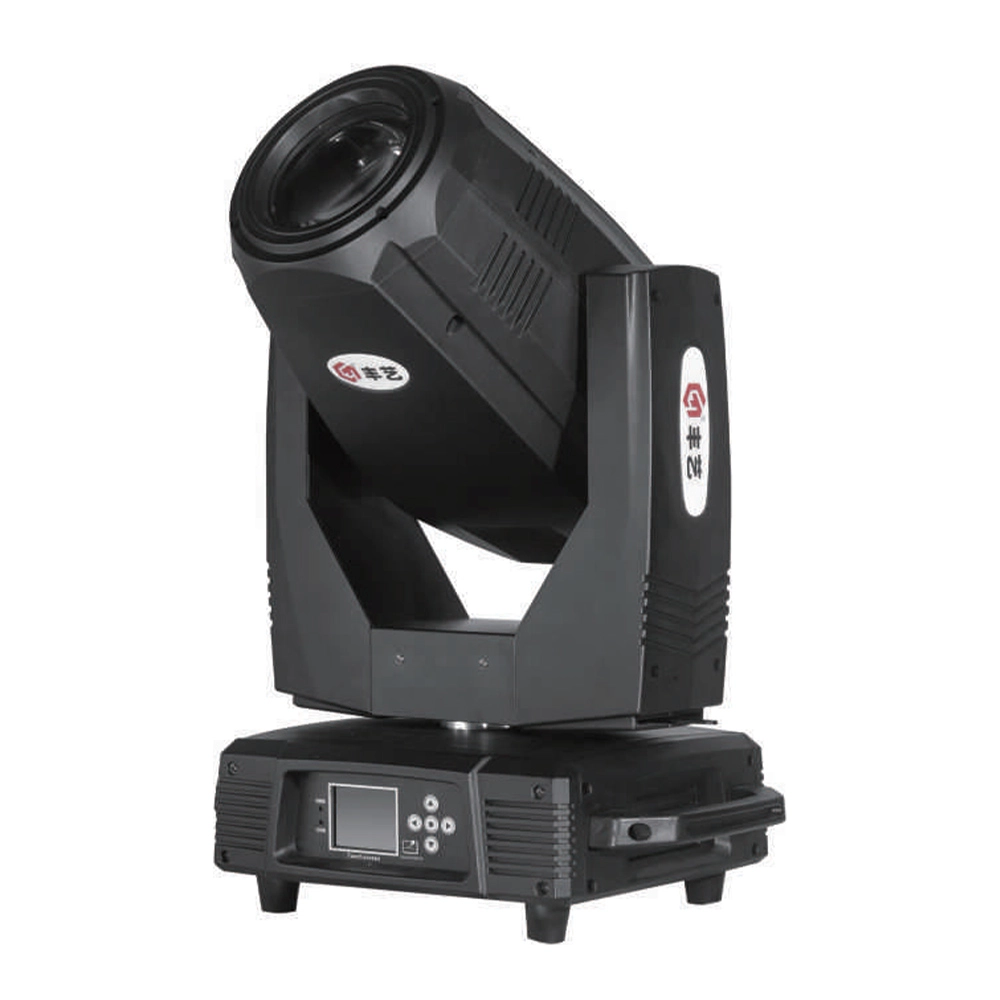
Fengyi 380W Intelligent Moving Head Stage Lights All-in-One System FY-BM-10002
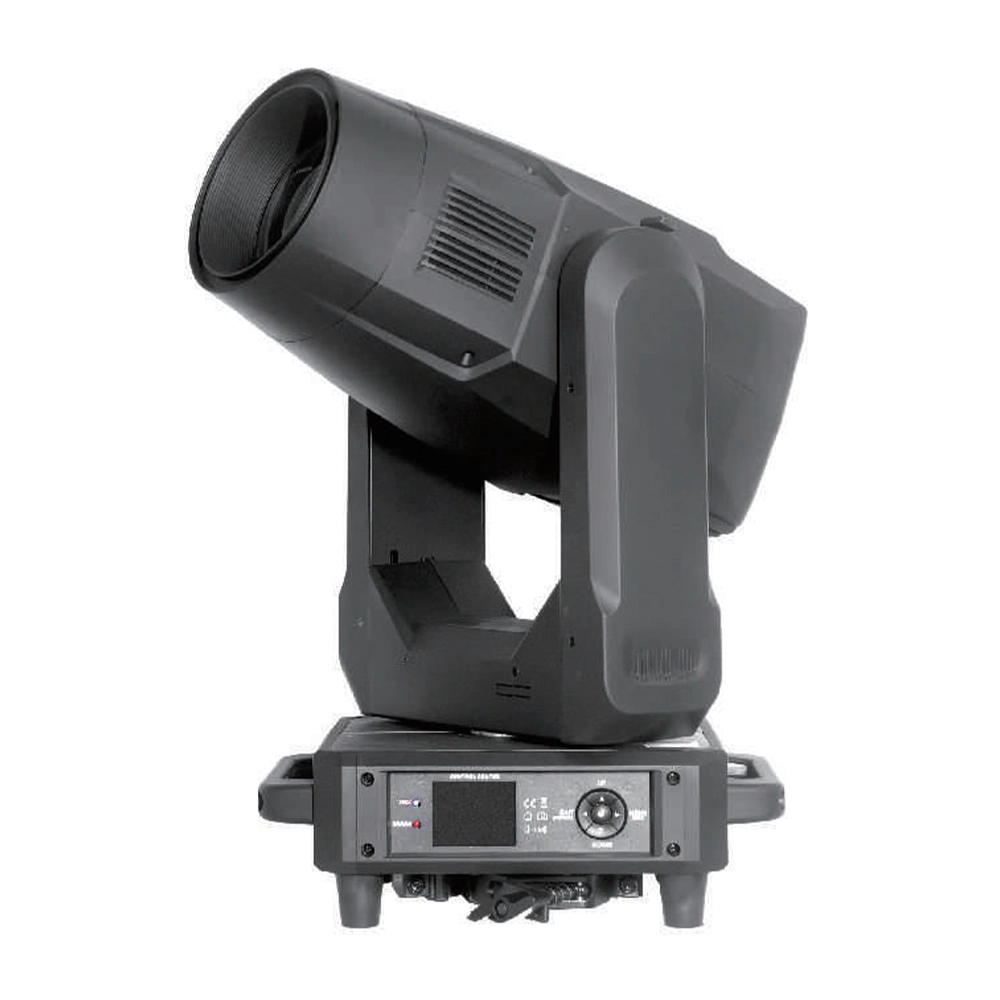
Fengyi 700W Profile Cutting Stage Moving Head Light Professional Event Fixture FY-SP-20003
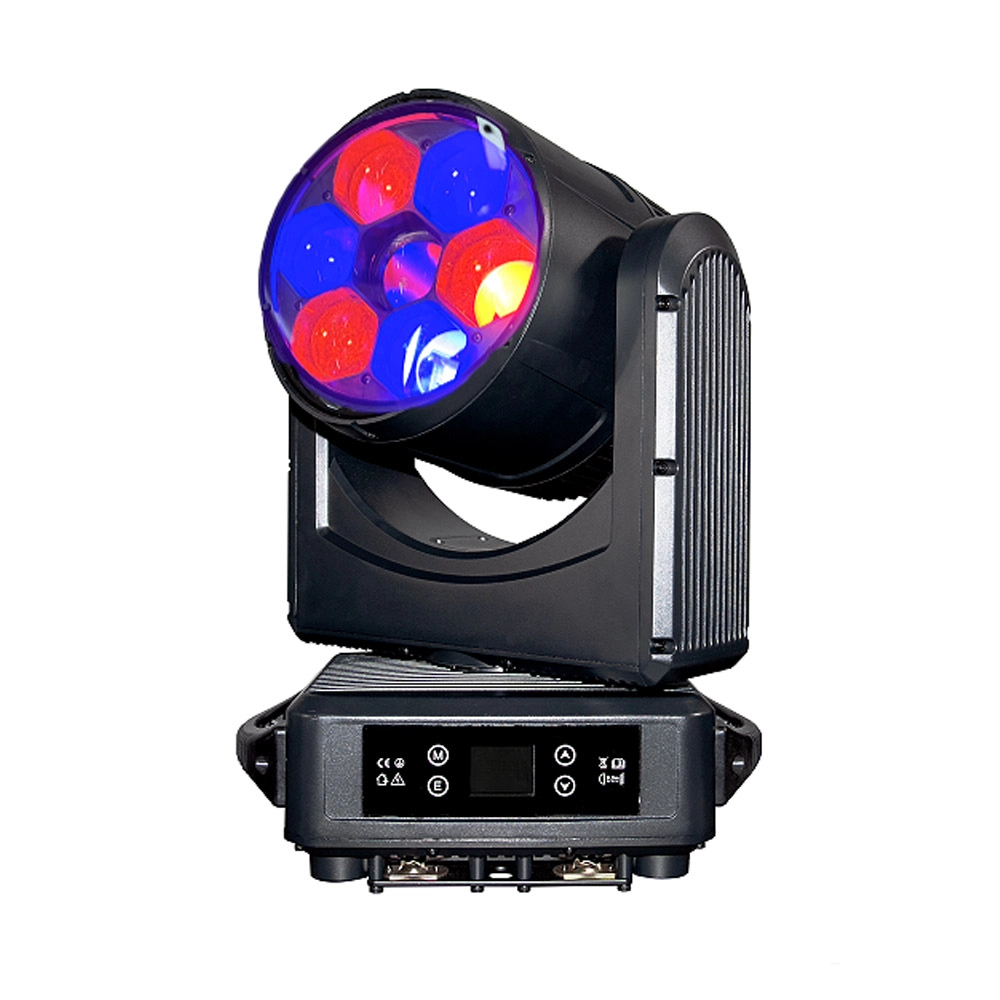
Fengyi 7x60W Waterproof Bee Eye Moving Head Professional LED Stage Lights for Concerts
The Fengyi 7*60 Waterproof Bee Eye offers powerful LED stage lights for concerts with reliable moving head stage lights and DMX control. Designed for outdoor use, it ensures vibrant, dynamic lighting performance in all weather, perfect for professional stage and event setups.
Inquire About Our Moving Head Stage Lights
* Fill The Form
Contact
Building 5, No. 34, Fuyuan Road, Jinghu Industrial Zone, Xinhua Town, Huadu District, Guangzhou, China.
WhatsApp: +86 181 2742 0174
Tel. +86(20) 8642 3596
Ph. +86 150 1870 4285
More information
© 2026 Fengyi. All Rights Reserved.
Fengyi Light
Fengyi Light
Fengyi Light
Fengyilighting