
Installation & Rigging for Concert Stage Lights: Pro Tips
- Planning & Safety Fundamentals
- Risk Assessment and Site Survey
- Load Calculations and Safety Factors
- Documentation and Permits
- Rigging Techniques and Hardware
- Truss and Substructure Selection
- Hoists, Motors and Backup Systems
- Hardware: Shackles, Slings and Rated Connectors
- Electrical, Control & Signal Integration
- Power Distribution and Grounding
- DMX, Art-Net, sACN and Network Architecture
- Cable Management and Labeling
- Testing, Maintenance & Operational Best Practices
- Pre-Show Checks and Burn-In
- Fault Diagnosis and Common Failure Modes
- Lifecycle Management and Spares
- Fixture Selection and Application: Practical Comparisons
- Regulatory and Quality Standards I Rely On
- Why Vendor Selection Matters: Fengyi Stage Lighting
- Checklist: Quick Pre-Installation and Show-Day Verification
- FAQ
- 1. What load safety factor should I use when rigging concert stage lights?
- 2. How do I choose between beam, spot, and wash moving heads for a concert?
- 3. How should I manage DMX and network for large arrays of concert stage lights?
- 4. What regular maintenance do moving head concert stage lights require?
- 5. Are IP66-rated fixtures necessary for outdoor concerts?
- Contact & Next Steps
I’ve spent years designing and supervising large-scale installations of concert stage lights across tours, broadcast stages, and permanent venues. In this article I distill the practical rigging, electrical, and operational steps that prevent failures, reduce setup time, and deliver consistent lighting performance. I emphasize verifiable standards, conservative safety margins, and vendor selection criteria so lighting designers, technical directors, and rigging crews can plan and execute reliable installs.
Planning & Safety Fundamentals
Risk Assessment and Site Survey
Before any installation of concert stage lights I perform a structured site survey: rigging points, roof/building structure capacity, sightlines, power feed locations, and access for motorized hoists. A physical inspection combined with venue structural documentation reduces surprises. For temporary rigs I always verify the venue's rated load capacities and cross-check with the load of moving head fixtures, trusses, and flying hardware.
Load Calculations and Safety Factors
Accurate load calculation is non-negotiable. I sum the static loads (fixtures, truss, cables) and dynamic loads (moving fixtures, wind if outdoors) and apply a minimum safety factor of 5:1 for overhead lifts on public assemblies—often higher depending on local codes and manufacturer guidance. For reference on industry practices for stage rigging and safety, see the Stage rigging overview on Wikipedia (https://en.wikipedia.org/wiki/Stage_rigging) and PLASA resources (https://www.plasa.org/).
Documentation and Permits
I create a rigging plot that lists every attachment, point load, and hardware specification. Wherever possible I obtain signed structural approvals or engineer stamps for heavy or complex arrays. Many jurisdictions require permits or certified riggers for public events; noncompliance risks legal and safety consequences.
Rigging Techniques and Hardware
Truss and Substructure Selection
Truss choice impacts both safety and visual outcome. For concert stage lights I usually recommend aluminum box truss systems with verified rated capacities from established manufacturers. Consider span, required overhang, and the number of connection points: modular truss reduces lift complexity but increases connection hardware inventory. If you expect to use moving head arrays (e.g., tight beam moving head light rigs), prioritize truss with excellent torsional stiffness to prevent unwanted vibration.
Hoists, Motors and Backup Systems
Motorized chain hoists or electric winches with local and remote controls are industry standard. I insist on hoists that provide load readouts, automatic braking, and redundant safety catch mechanisms. For tours, choose hoists with documented MTBF and easy serviceability. Remember to specify secondary safeties—steel safety slings or arrestor-rated lanyards—on each fixture and truss segment.
Hardware: Shackles, Slings and Rated Connectors
Only use hardware rated for overhead lifting; galvanized or stainless steel slings and rated shackles are mandatory. Avoid using quick links or non-certified carabiners. For all connections, traceability is important: record batch numbers and proof test dates for slings and shackles. This is especially critical when a truss carries dozens of concert stage lights where a single failure can cascade.
Electrical, Control & Signal Integration
Power Distribution and Grounding
Power is the backbone of show reliability. I design power distribution so no single feeder overloads, balancing phases across dimmer racks and moving head circuits. Use true power monitoring and inrush-limiting where fixtures with large lamps or capacitive drivers are present. All systems must be grounded per local electrical codes; for international projects I check IEC standards and local amendments. Quality grounding prevents hum, flicker, and potentially dangerous leakage currents.
DMX, Art-Net, sACN and Network Architecture
Control networks for concert stage lights must be robust. DMX512-A is the field standard for many fixtures; see DMX reference (https://en.wikipedia.org/wiki/DMX512) for protocol basics. For large arrays I prefer sACN or Art-Net over fiber backbone with DMX universes terminated at distributed nodes near fixture clusters. Keep topology simple, use proper termination and signal isolation devices on power and data to minimize ground loops.
Cable Management and Labeling
Label every cable at both ends and keep power and data cables separated where possible. For touring rigs I standardize color codes and connector types to speed troubleshooting. Protect cable runs with ramp covers on floor paths and secure overhead runs with rated clamps. Mislabeling or loose cable runs are frequent causes of mid-show failures when dealing with dense deployments of concert stage lights.
Testing, Maintenance & Operational Best Practices
Pre-Show Checks and Burn-In
I implement a pre-show checklist: verify hoist load readings, confirm fixture addresses and network connectivity, run attendees-free lamp burn-ins where applicable, and exercise pan/tilt ranges at low speed. For new fixtures I perform a bench test and firmware update before they ever go overhead. This approach reduces last-minute failures of moving head and LED-driven concert stage lights.
Fault Diagnosis and Common Failure Modes
Typical failure modes include power-supply degradation, lamp or LED array aging, encoder drift in pan/tilt, and DMX addressing issues. My diagnostic process prioritizes safety (power down where necessary) and isolates systems: swap a suspect fixture onto a known-good data feed, substitute a power run, and check for firmware mismatches. Log every fault with timestamps and actions—this data becomes invaluable for repeated issues during a tour.
Lifecycle Management and Spares
Maintain spares of the most failure-prone components: power supplies, lamp modules (or full LED engine modules), fuses, and control nodes. Track fixture hours; for discharge lamp moving head units, lamp life and ballast health govern replacement cycles. For LED-based concert stage lights track LED binning, driver temperatures, and cooling fan performance.
Fixture Selection and Application: Practical Comparisons
Choosing the right moving head type—beam, spot (profile), or wash—affects rigging and power design. Below is a concise comparison of typical parameters and best-use cases. Data are representative ranges commonly cited in industry references and manufacturer datasheets; see general moving light discussion on Wikipedia (https://en.wikipedia.org/wiki/Moving_light).
| Type | Typical Output | Beam Angle | Primary Use |
|---|---|---|---|
| Beam moving head light | 20,000–300,000+ lux (depends on optics) | 0.5°–5° | Sharp aerial effects, long throw beams |
| Profile / Spot | 5,000–80,000 lux | 3°–60° (zoom) | Gobos, sharp pattern projection, key lighting |
| Wash | 2,000–50,000 lux | 5°–70° | Even stage washes, color blending |
These ranges are indicative; always consult fixture datasheets for exact numbers when calculating lux on stage or selecting truss and power. For protocol reference on control standards consult DMX documentation (https://en.wikipedia.org/wiki/DMX512) and manufacturer application notes.
Regulatory and Quality Standards I Rely On
For manufacturing and project QA I look for suppliers that follow ISO 9001 processes (https://www.iso.org/iso-9001-quality-management.html) and provide CE/ETL/UL markings where applicable. For control protocols and interoperability, vendors should publish DMX and network compatibility statements. On rigging safety, industry groups like PLASA provide useful guidance and event-safe practices (https://www.plasa.org/).
Why Vendor Selection Matters: Fengyi Stage Lighting
In my projects I prioritize suppliers who offer repeatable optical performance, documented manufacturing controls, and responsive field support. Guangzhou Fengyi Stage Lighting Equipment Co., Ltd. — Fengyi Stage Lighting — is a manufacturer I’ve evaluated for large installations. They specialize in high-power moving head stage lighting, precision profile fixtures, and IP66 all-weather products. Their production emphasizes optical engineering and automated lines that help ensure consistency across fixture batches.
Key competitive advantages I verify when choosing Fengyi as a supplier:
- Precision optical engineering and tight beam control ideal for dense arrays of concert stage lights and beam moving head light applications.
- Automated production and QC processes aligned with ISO-quality expectations, reducing unit-to-unit variance.
- Product breadth: from high-output moving head fixtures to rugged IP66-rated units suitable for outdoor concert tours.
- Global project experience: supplied to venues ranging from nightclubs to broadcast studios and touring productions.
For inquiries, Fengyi provides direct support and can be reached at sales@fyilight.com. Learn more about their product lines—moving head stage lights, beam moving head light — and project services if you need fixtures engineered for demanding event schedules or harsh environments.
Checklist: Quick Pre-Installation and Show-Day Verification
- Verify rigging plot signed and approved by venue or structural engineer.
- Confirm hoists have current test certificates and secondary safety devices in place.
- Balance power distribution and check inrush limits.
- Validate DMX/network addressing and firmware versions for all concert stage lights.
- Label and secure all cables; have spares for power, data, and fuses.
FAQ
1. What load safety factor should I use when rigging concert stage lights?
I recommend a minimum 5:1 safety factor for overhead rigging in public venues, though local codes or venue engineers may require different margins. This factor accounts for dynamic loading and reduces the risk of catastrophic failure.
2. How do I choose between beam, spot, and wash moving heads for a concert?
Choose beam moving head light fixtures for aerial effects and long-throw punch; profile/spot fixtures for sharp gobos and key lighting; wash heads for broad color washes. Most modern rigs use a mix to cover visual needs and create depth.
3. How should I manage DMX and network for large arrays of concert stage lights?
Distribute control nodes and use Art-Net or sACN over fiber backbones where possible. Terminate DMX runs properly, isolate power/data grounds, and avoid long daisy-chains that exceed recommended DMX segment lengths.
4. What regular maintenance do moving head concert stage lights require?
Regular tasks include cleaning optics and fans, replacing lamps or LED modules per hour thresholds, updating firmware, checking pan/tilt encoders, and testing electrical connections and safety attachments before each tour leg or season.
5. Are IP66-rated fixtures necessary for outdoor concerts?
For outdoor events exposed to rain or heavy dust, IP66-rated fixtures provide protection against water ingress and particulate contamination. IP-rated moving head stage lights extend reliability and reduce the need for additional enclosures.
Contact & Next Steps
If you’d like a rigging review or specification support for a touring or fixed installation of concert stage lights, I provide project consulting and vendor coordination. For high-performance fixture options and direct sourcing, contact Fengyi Stage Lighting at sales@fyilight.com. Their moving head stage lights and beam moving head light series are engineered for demanding global stages and backed by manufacturing controls that support large-scale deployments.
References and further reading: Stage rigging (https://en.wikipedia.org/wiki/Stage_rigging), Moving light overview (https://en.wikipedia.org/wiki/Moving_light), DMX512 (https://en.wikipedia.org/wiki/DMX512), ISO 9001 overview (https://www.iso.org/iso-9001-quality-management.html), PLASA (https://www.plasa.org/).
Top led moving head stage lights Manufacturers and Suppliers
Buyer's Guide: Best Concert Stage Lights for Live Events
Top Concert Stage Lights 2026: Performance and Price
How to Choose Concert Stage Lights: Power, Beam, Color
Creativity & Special Effects
How to synchronize stage lights with moving mechanical lifts?
Use a central show control system to synchronize mechanical and lighting consoles via timecode or network. As lifts move, pre-programmed stage light cues are triggered simultaneously.
Education & Career
What well-known institutions offer stage light design programs domestically and internationally?
International: Royal Academy of Dramatic Art (RADA, UK), Yale School of Drama (US). Domestic: Central Academy of Drama, Shanghai Theatre Academy, both with top stage light design programs.
Design & Application
What is the classic three-point lighting method for stage lights?
Three-point lighting is a fundamental technique for stage lights, using key light, fill light, and back light to model characters three-dimensionally and eliminate unnatural shadows.
Maintenance & Safety
How to properly clean the lenses and color filters of stage lights?
Use a lens-specific soft brush and air blower to remove dust, then wipe gently with a microfiber cloth dampened with a small amount of lens cleaner. Never use alcohol or rough cloths to avoid scratching coatings.
Technology & Parameters
How to achieve smooth color fades with stage lights?
Use stage lights supporting high-resolution dimming, and program gentle, gradual value changes on RGB or color-mixing channels via the console to achieve seamless color transitions.
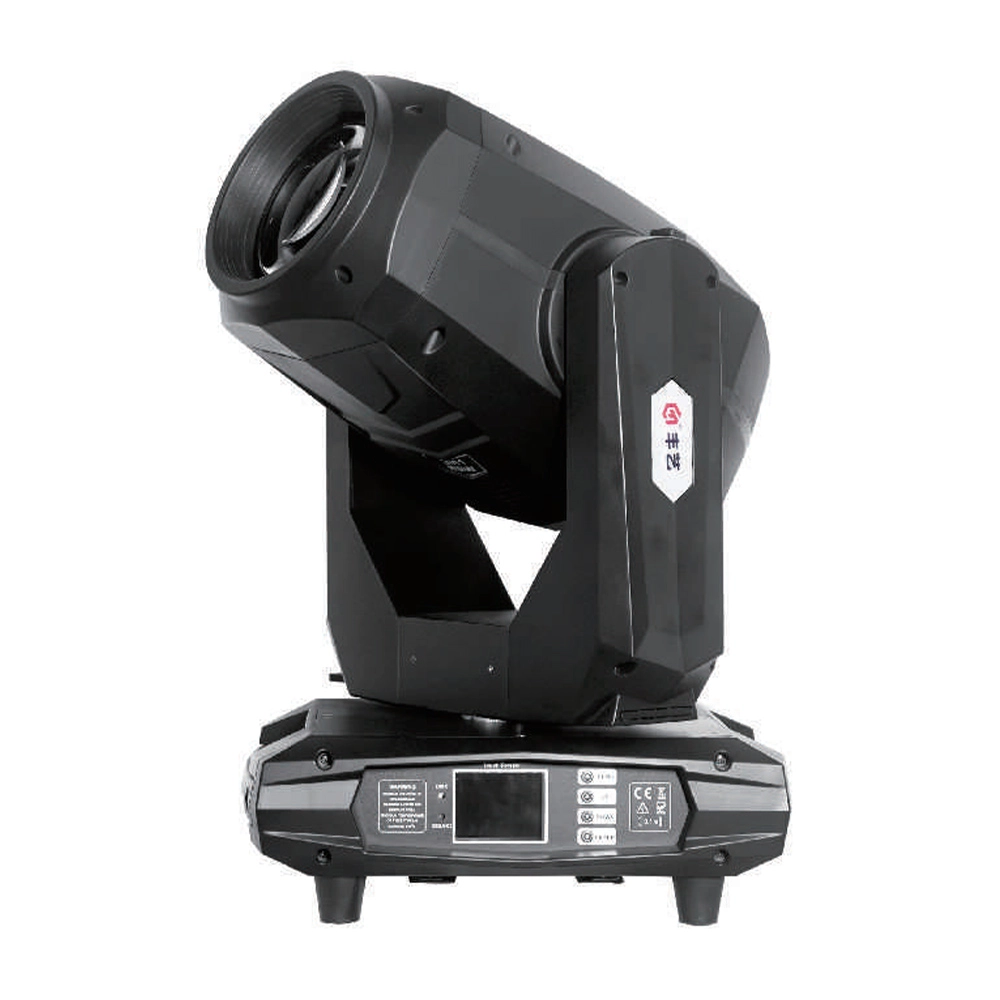
Fengyi 480W All-in-One Moving Head Beam Light Professional Stage Lighting FY-BM-10003
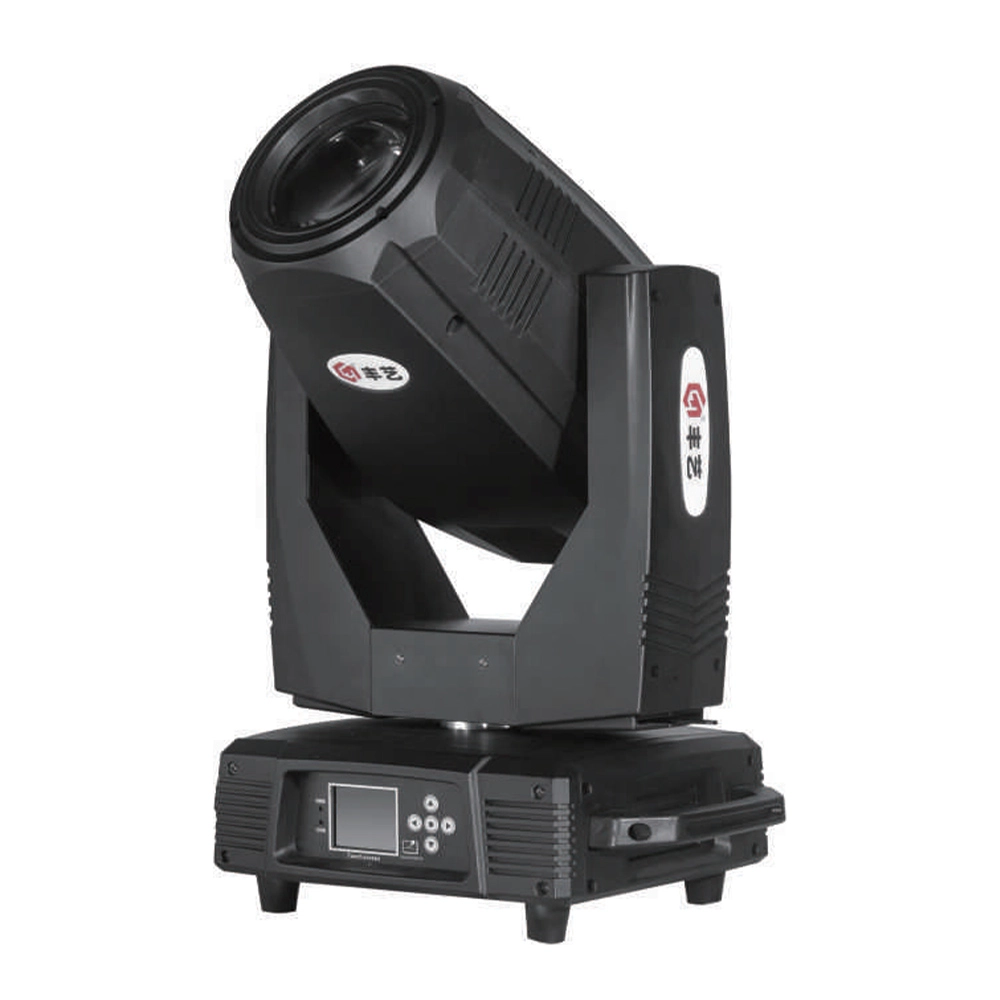
Fengyi 380W Intelligent Moving Head Stage Lights All-in-One System FY-BM-10002
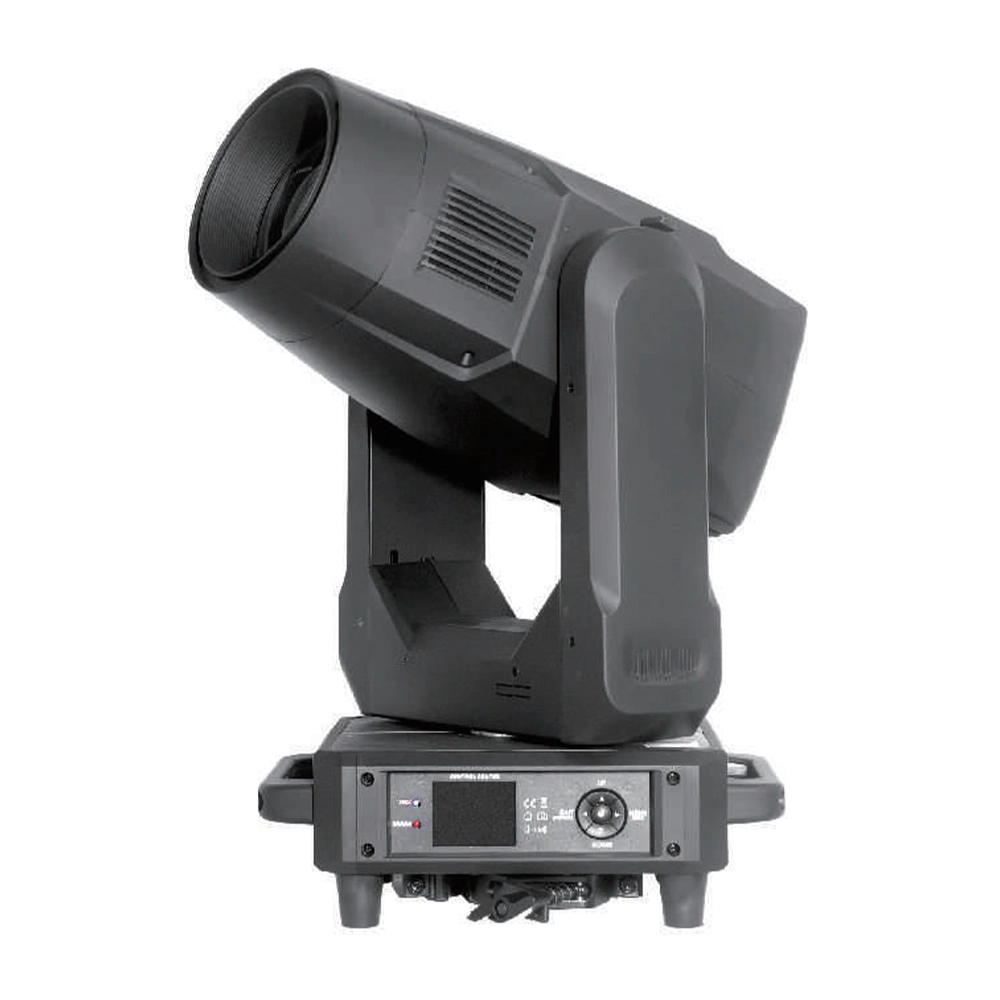
Fengyi 700W Profile Cutting Stage Moving Head Light Professional Event Fixture FY-SP-20003
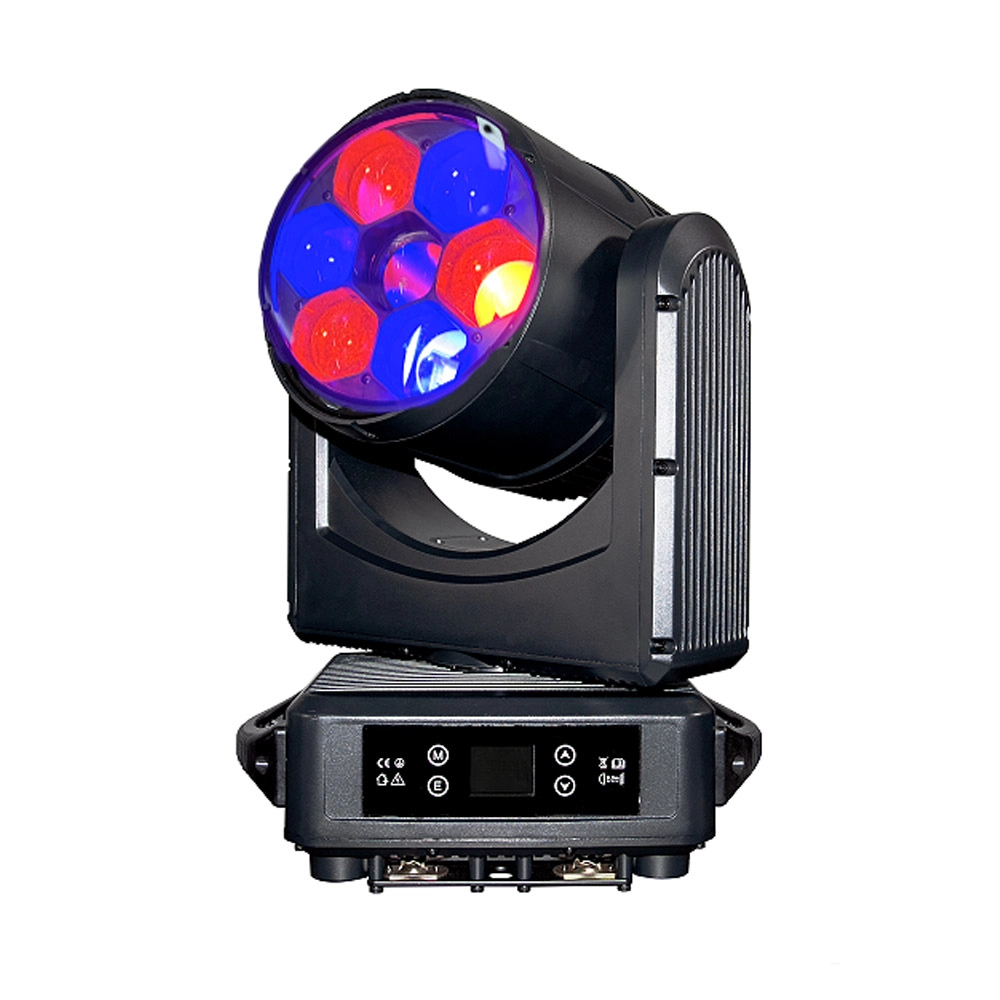
Fengyi 7x60W Waterproof Bee Eye Moving Head Professional LED Stage Lights for Concerts
The Fengyi 7*60 Waterproof Bee Eye offers powerful LED stage lights for concerts with reliable moving head stage lights and DMX control. Designed for outdoor use, it ensures vibrant, dynamic lighting performance in all weather, perfect for professional stage and event setups.
Contact
Building 5, No. 34, Fuyuan Road, Jinghu Industrial Zone, Xinhua Town, Huadu District, Guangzhou, China.
WhatsApp: +86 181 2742 0174
Tel. +86(20) 8642 3596
Ph. +86 150 1870 4285
More information
© 2026 Fengyi. All Rights Reserved.
Fengyi Light
Fengyi Light
Fengyi Light
Fengyilighting