
how to rent exhibition lighting for events? | Insights by Fengyi
- Beyond the Fixture Price: What are the hidden costs and logistical considerations when budgeting for exhibition lighting rental?
- With so many options, how do I choose the right moving head stage lights and other fixtures to achieve specific branding and product highlighting goals for my exhibition booth?
- What critical technical specifications (power, rigging, DMX) do I need to understand and communicate to my rental provider to ensure a seamless exhibition lighting setup?
- What level of design, installation, and on-site technical support should I expect from an exhibition lighting rental company, and what are my responsibilities in the process?
- How do venue regulations, safety certifications, and local permits impact my exhibition lighting rental choices and installation process?
- How can I effectively measure the ROI and visual impact of my rented exhibition lighting, especially when using advanced fixtures like moving heads, to ensure it aligns with my marketing objectives?
How to Rent Exhibition Lighting for Events: An Expert's Guide to Dynamic Illumination
In the competitive world of exhibitions and corporate events, your presentation is paramount. While product and booth design are crucial, the often-underestimated power of professional exhibition lighting can make or break your impact. For beginners, the process of renting event lighting, especially sophisticated equipment like moving head stage lights, can seem overwhelming. This expert guide addresses six specific, pain-point-oriented questions that frequently lack comprehensive or up-to-date answers online, helping you illuminate your next event with confidence and precision.
Beyond the Fixture Price: What are the hidden costs and logistical considerations when budgeting for exhibition lighting rental?
Many first-time renters focus solely on the per-fixture cost, overlooking a significant portion of the overall budget. When planning your exhibition lighting rental, consider these often-hidden costs and logistical factors:
- Transportation & Logistics: Unless you're picking up the equipment yourself, delivery and return shipping costs can add substantially to your bill. This includes fuel surcharges, specialized freight for larger or delicate items like moving head stage lights, and potentially expedited shipping if deadlines are tight.
- Labor for Setup & Teardown: Professional installation and strike crews are essential, especially for complex lighting designs involving moving head lights, trussing, and DMX cabling. Labor rates vary significantly by region and expertise. For an average exhibition booth, expect 2-4 hours of labor for setup and similar for teardown per technician.
- Rigging & Hardware: Beyond the lights themselves, you'll need trussing, clamps, safety cables, and potentially motor hoists for heavier fixtures or complex aerial designs. These are often rented separately or included as part of a package.
- Power Distribution: Your venue likely has limited power drops. You'll need power distribution units (PDUs), specialized cabling, and potentially a generator if your lighting demands exceed available supply. This ensures safe and efficient power delivery to all your LED exhibition lights and moving heads.
- On-Site Technical Support: For dynamic event lighting solutions, especially those utilizing programmed moving heads, having a dedicated lighting technician on-site during the event can be invaluable for adjustments, troubleshooting, and ensuring a flawless show.
- Insurance: While rental companies typically insure their equipment, you might be responsible for damage or loss during your rental period. Clarify insurance requirements and consider short-term event insurance.
Expert Tip: Always request a detailed, itemized quote that breaks down all potential costs. A transparent lighting supplier will provide this.
With so many options, how do I choose the right moving head stage lights and other fixtures to achieve specific branding and product highlighting goals for my exhibition booth?
Choosing the right lighting fixture types for events is crucial for effective lighting design for trade shows. It's not just about brightness; it's about purpose. Here’s how to approach selection, focusing on moving heads:
- Define Your Goals: Are you highlighting specific products, creating an immersive brand experience, or simply illuminating the space?
- Moving Head Types & Applications:
- Spot Moving Heads: Ideal for projecting gobos (custom logos, patterns) onto walls, floors, or your booth structure, creating dynamic branding. They also excel at spotlighting specific products with sharp, defined beams.
- Wash Moving Heads: Perfect for broad color washes, changing the entire mood and ambiance of your booth. They can saturate large areas with vibrant colors, aligning with Fengyi palette.
- Beam Moving Heads: Known for their incredibly tight, powerful beams of light, often used for aerial effects, creating dramatic shafts of light that draw attention from across the exhibition hall.
- Static Fixtures for Base Illumination: Supplement moving heads with static LED PAR lights or LED bar lights for general illumination, backlighting, or washing specific elements with consistent color. LED exhibition lights offer energy efficiency and a vast color palette.
- Accent Lighting: For product displays, consider small, focused LED pin spots or track lighting to draw attention to details.
Expert Tip: Provide your event lighting suppliers with your booth layout, branding guidelines, and specific product information. They can then recommend a tailored package of temporary lighting hire for expos that includes the optimal mix of moving heads and static fixtures.
What critical technical specifications (power, rigging, DMX) do I need to understand and communicate to my rental provider to ensure a seamless exhibition lighting setup?
Technical preparedness is key to a smooth installation and setup of rental lighting. Understanding these specifications prevents last-minute crises:
- Power Requirements:
- Total Wattage: Sum the wattage of all your fixtures. Modern LED exhibition lights are energy-efficient, but a large array of moving heads can still draw significant power.
- Voltage & Amperage: Most exhibition venues provide 120V (North America) or 230V (Europe) power. Know your total amperage draw to ensure you don't trip breakers. Communicate this clearly to your rental company and the venue's electrical team.
- Phases: For very large setups, 3-phase power might be necessary.
- Rigging & Weight Load:
- Venue Capacity: Crucially, understand the venue's rigging points and their weight load capacities. Moving head stage lights are heavier than static fixtures, and a truss structure holding multiple units adds substantial weight.
- Mounting Options: Will lights be floor-standing, mounted on truss, or flown from the ceiling? This dictates the type of clamps, stands, and rigging hardware needed.
- Safety: Always ensure double safety measures (e.g., safety cables) are in place for any flown equipment.
- DMX Control:
- DMX512 Standard: This is the universal protocol for controlling intelligent lighting fixtures like moving heads. Each fixture (or its individual parameters) occupies a certain number of DMX channels.
- DMX Universe: A single DMX line (universe) can control up to 512 channels. For complex setups with many moving heads, you might need multiple DMX universes and a sophisticated lighting console.
- Programming: Discuss with your rental provider whether you need pre-programmed scenes, on-the-fly control, or a dedicated operator for dynamic effects.
Expert Tip: Provide your rental company with a detailed lighting plot (CAD drawing) showing fixture placement, power drops, and rigging points. This streamlines the planning and execution.
What level of design, installation, and on-site technical support should I expect from an exhibition lighting rental company, and what are my responsibilities in the process?
The level of support varies greatly among choosing event lighting suppliers. Clarifying expectations upfront is vital:
- Design Support: A reputable rental company should offer design consultation. This includes helping you select appropriate lighting fixture types for events, creating a lighting plot, and advising on optimal placement for maximum impact. For complex moving head rental for exhibitions, they should suggest programming strategies.
- Installation & Teardown: Most professional rental companies provide skilled technicians for setup and strike. This ensures equipment is installed correctly, safely, and efficiently. For moving heads, this includes proper rigging, DMX cabling, and power connections.
- On-Site Technical Support: For larger or more critical events, consider budgeting for an on-site technician. This expert can handle any technical glitches, make real-time adjustments to lighting cues, and manage the dynamic programming of moving heads throughout your event.
- Your Responsibilities:
- Clear Communication: Provide detailed event schedules, booth layouts, branding guidelines, and specific goals.
- Venue Coordination: Act as the liaison between the rental company and the venue regarding access times, power availability, rigging points, and lighting permits for event venues.
- Site Readiness: Ensure the booth space is clear and accessible for the installation crew.
- Budget Adherence: Be clear about your budget and communicate any changes promptly.
Expert Tip: Look for a company that offers comprehensive event lighting solutions, not just equipment. Their experience in corporate event lighting and trade shows will be invaluable.
How do venue regulations, safety certifications, and local permits impact my exhibition lighting rental choices and installation process?
Compliance with regulations is non-negotiable for safe and successful exhibition lighting rental:
- Venue-Specific Rules: Every exhibition hall has its own set of rules regarding rigging heights, weight limits, approved vendors, power consumption, and fire safety. Some venues might require specific types of equipment or prohibit certain effects (e.g., hazers). Always obtain and review the venue's exhibitor manual well in advance.
- Safety Certifications:
- Equipment Certification: Ensure all rented equipment, especially electrical fixtures like moving head lights and power distribution units, carries relevant safety certifications (e.g., CE, UL, ETL). Reputable lighting suppliers will only provide certified gear.
- Rigging Certification: Any rigging hardware and the process itself should adhere to industry safety standards (e.g., ESTA standards in the US). Technicians involved in rigging should be certified.
- Local Permits & Inspections:
- Electrical Permits: Depending on the complexity and scale of your temporary lighting hire for expos, local authorities might require electrical permits and inspections by a licensed electrician.
- Fire Marshal Approval: The fire marshal often inspects event setups. Ensure all cabling is properly secured, emergency exits are clear, and any atmospheric effects (fog/haze) are approved and within safe limits.
Expert Tip: Your chosen event lighting solutions provider should be knowledgeable about these regulations and help you navigate them. They often have established relationships with venues and can advise on specific requirements.
How can I effectively measure the ROI and visual impact of my rented exhibition lighting, especially when using advanced fixtures like moving heads, to ensure it aligns with my marketing objectives?
Measuring the return on investment (ROI) for exhibition lighting rental goes beyond aesthetics; it's about achieving tangible marketing goals:
- Increased Foot Traffic: Dynamic trade show booth lighting, particularly with eye-catching moving head rental for exhibitions, can significantly increase visibility. Track the number of visitors to your booth before and after implementing enhanced lighting.
- Enhanced Brand Recall: Consistent use of brand colors, logo projections (gobos from spot moving heads), and a distinctive lighting ambiance contributes to stronger brand recognition. Conduct post-event surveys to gauge brand recall among attendees.
- Product Engagement: Strategic use of spotlights from moving heads to highlight key products can draw attention and encourage interaction. Monitor engagement metrics around these highlighted products.
- Social Media Buzz: Visually stunning lighting creates 'Instagrammable' moments. Track mentions, shares, and engagement on social media platforms using your event hashtags. A well-lit booth encourages attendees to share their experience.
- Lead Generation & Sales: Ultimately, increased foot traffic and engagement should translate into more leads and potentially direct sales. Compare lead generation and conversion rates from events with and without professional lighting.
- Qualitative Feedback: Gather feedback from your sales team and attendees on the overall impression of your booth. Did the lighting contribute positively to their experience?
Expert Tip: Before the event, define clear, measurable objectives for your lighting. For example, 'increase booth traffic by 20% using dynamic moving head lighting effects.' This allows for concrete evaluation post-event.
Mastering the art of exhibition lighting rental, especially with versatile tools like moving head stage lights, transforms a simple booth into an unforgettable experience. By understanding the true costs, making informed fixture choices, preparing for technical demands, leveraging expert support, ensuring compliance, and measuring your impact, you can ensure your event lighting solutions not only illuminate but also elevate Fengyi. The strategic deployment of professional lighting offers unparalleled advantages in drawing attention, enhancing brand perception, and driving engagement, making your investment a powerful marketing tool.
Ready to illuminate your next event with cutting-edge lighting solutions? Contact us today for a personalized quote and expert consultation. Visit www.fengyilighting.com or email us at sales@fyilight.com.
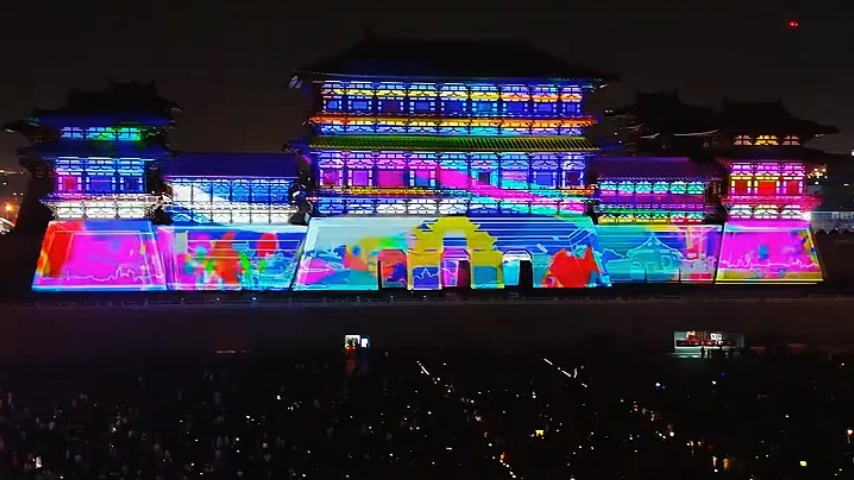
Light and Shadow Empower Heritage Night Tourism — Design Logic and Technical Practice of the Cultural Tourism Lighting System at Luoyang Ying Tianmen
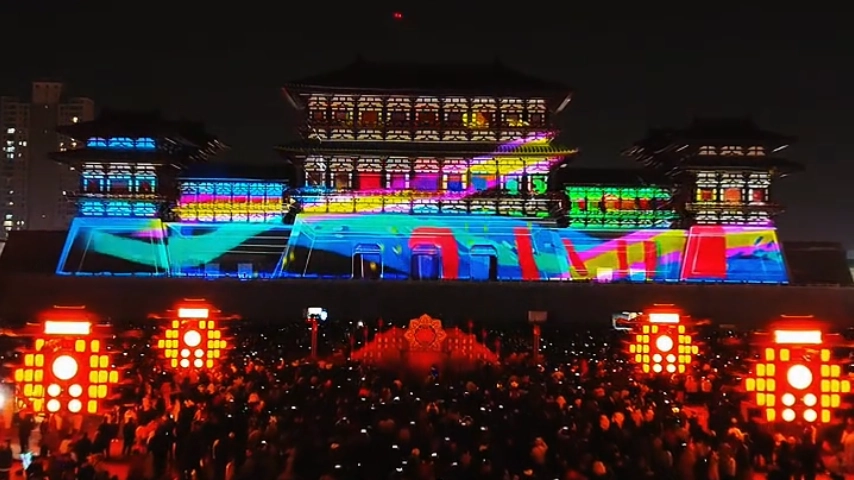
Light Reflecting the Sui and Tang Dynasties Analysis of Lighting System Design and Application for the Luoyang Ying Tianmen Tourism Project
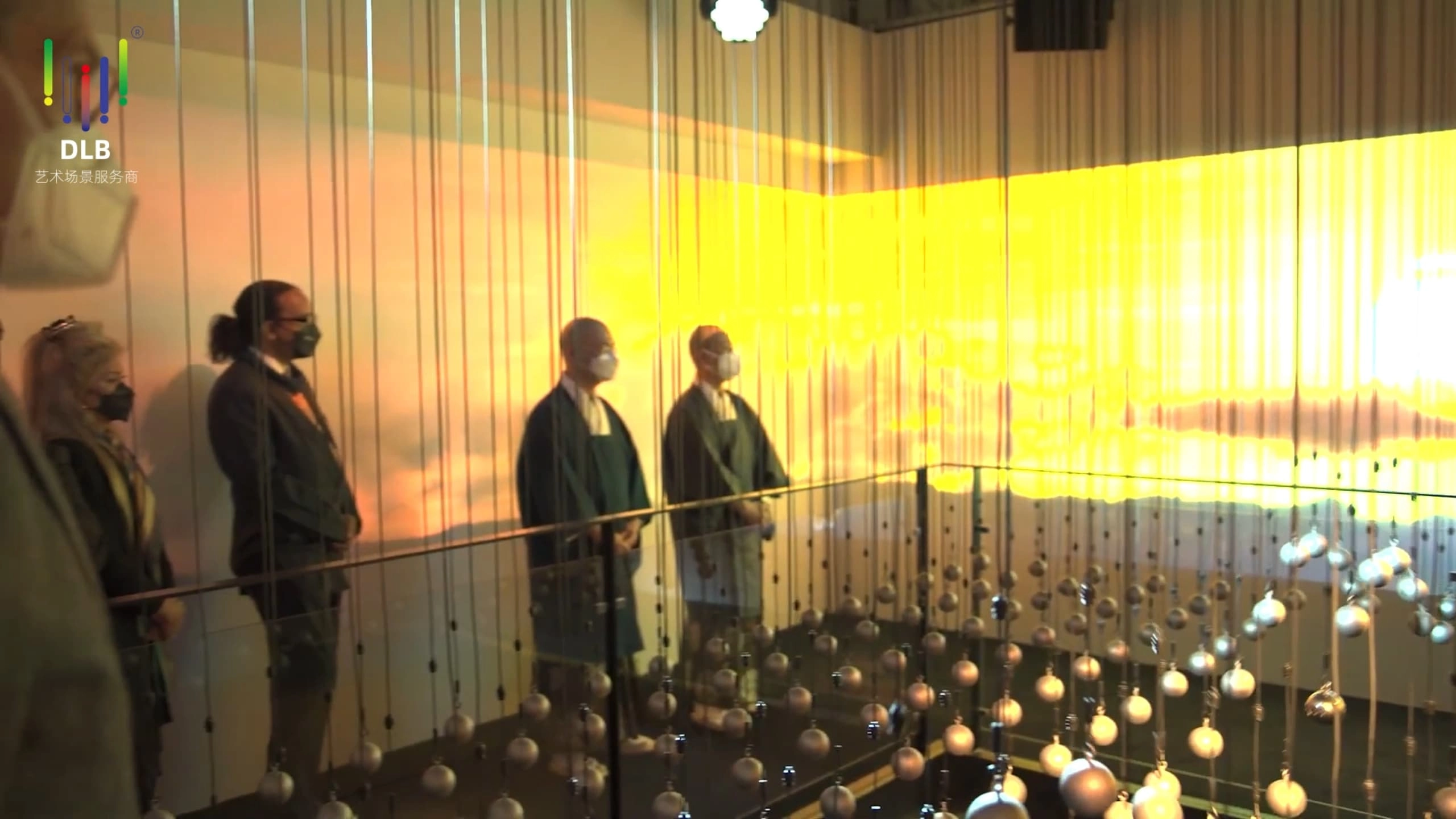
Divine Light Through a Thousand Years Analysis of Lighting Design & Application for the 800th Anniversary of the Great Saint’s Birth in Japan
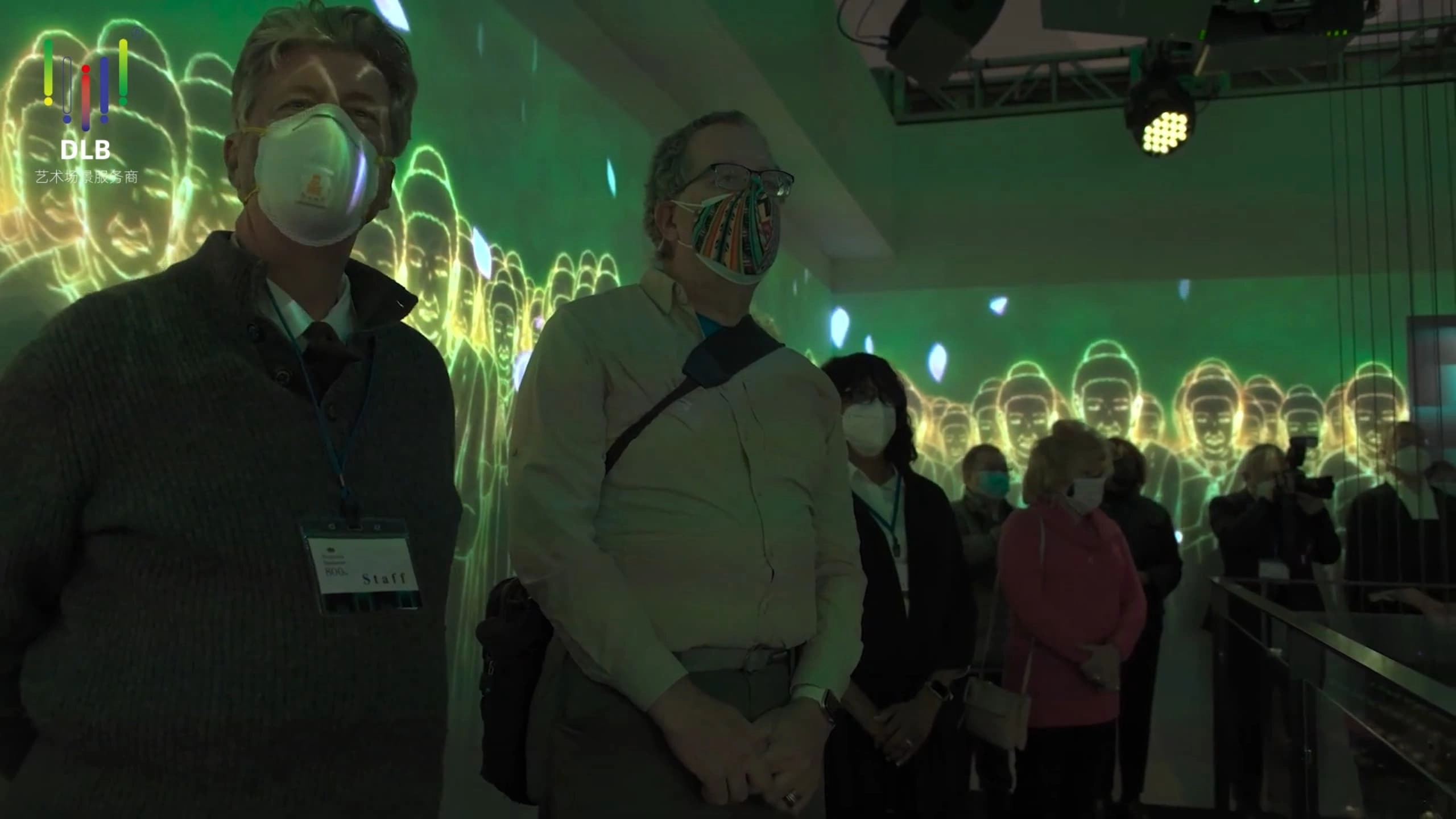
Divine Light Through a Thousand Years – Lighting Design & Application Sharing for the 800th Anniversary of the Great Saint’s Birth in Japan
Education & Career
How to start learning to become a stage light designer?
Begin with foundational theory: optics, color science, and electrical engineering. Watch many performances, learn to operate mainstream lighting consoles, and gain hands-on experience by assisting small shows.
What is the typical career path in the stage light industry?
Typical path: Apprentice/Technician → Operator → Programmer → Assistant Lighting Designer → Lighting Designer → Lighting Director. Specialized paths include R&D, sales, and education.
What principles apply to backup power systems for stage lights in large-scale events?
The principle is N+1 redundancy. Control systems and critical circuits are powered by separate UPS units. A backup generator with automatic transfer switch (ATS) ensures seamless switchover during main power failure.
Creativity & Special Effects
What is the “black light theater” effect, and what special stage lights are needed?
Black light theater uses UV stage lights to illuminate fluorescent materials in costumes or props, making them glow brightly against a dark background for a surreal visual effect. Special UV LED or tube stage lights are required.
Control & Programming
Can regular music playback software directly control stage lights?
Yes, but middleware is required. Software such as QLab or hardware interfaces convert audio levels or MIDI signals to DMX, allowing stage lights to pulse or change color with basic music rhythm.
Equipment & Installation
What are the common rigging methods for installing stage lights?
Common rigging methods for stage lights include mounting on trusses with hook clamps, installing on floor stands with bases, and using safety cables for secondary protection on heavy-duty fixtures.
Design & Application
What is a “Cue” in a stage light design plot?
In stage light design, a Cue is a complete snapshot of all lighting states (brightness, color, position, etc.) at a specific moment. A performance runs by executing cues in sequence.
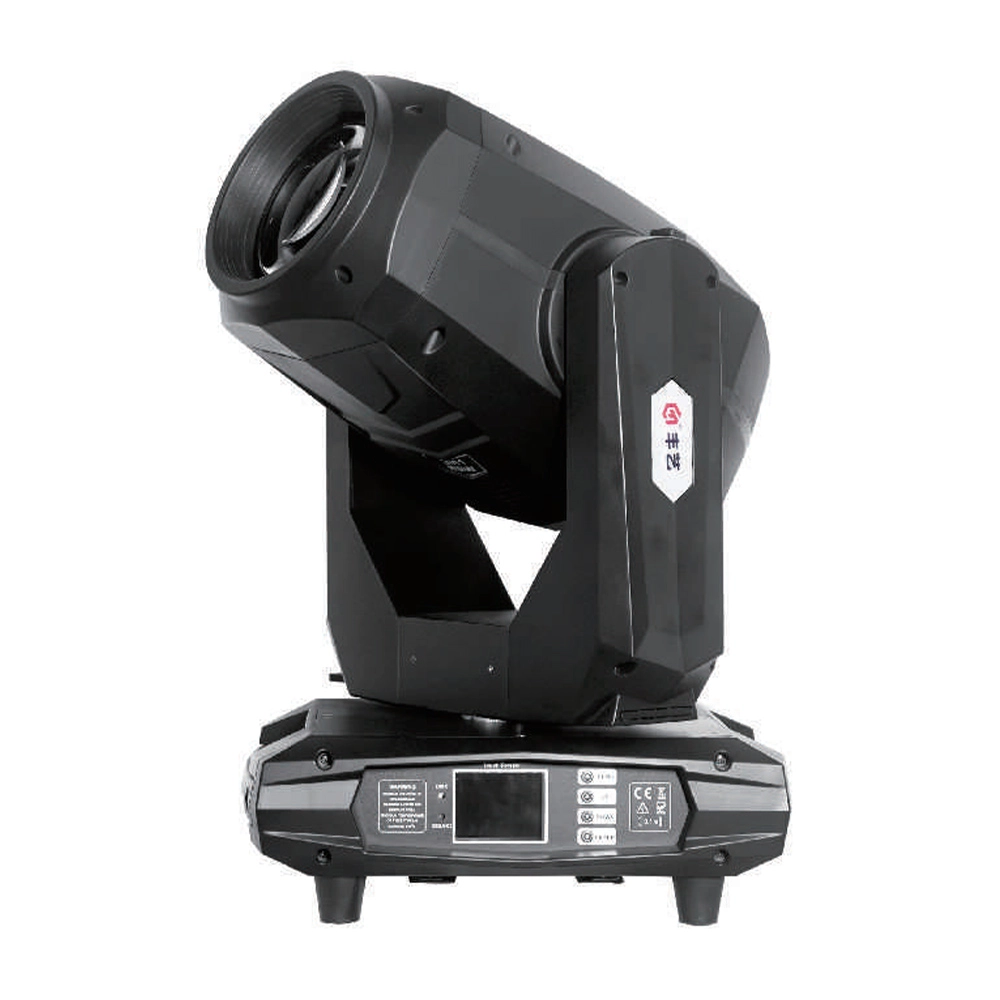
Fengyi 480W All-in-One Moving Head Beam Light Professional Stage Lighting FY-BM-10003
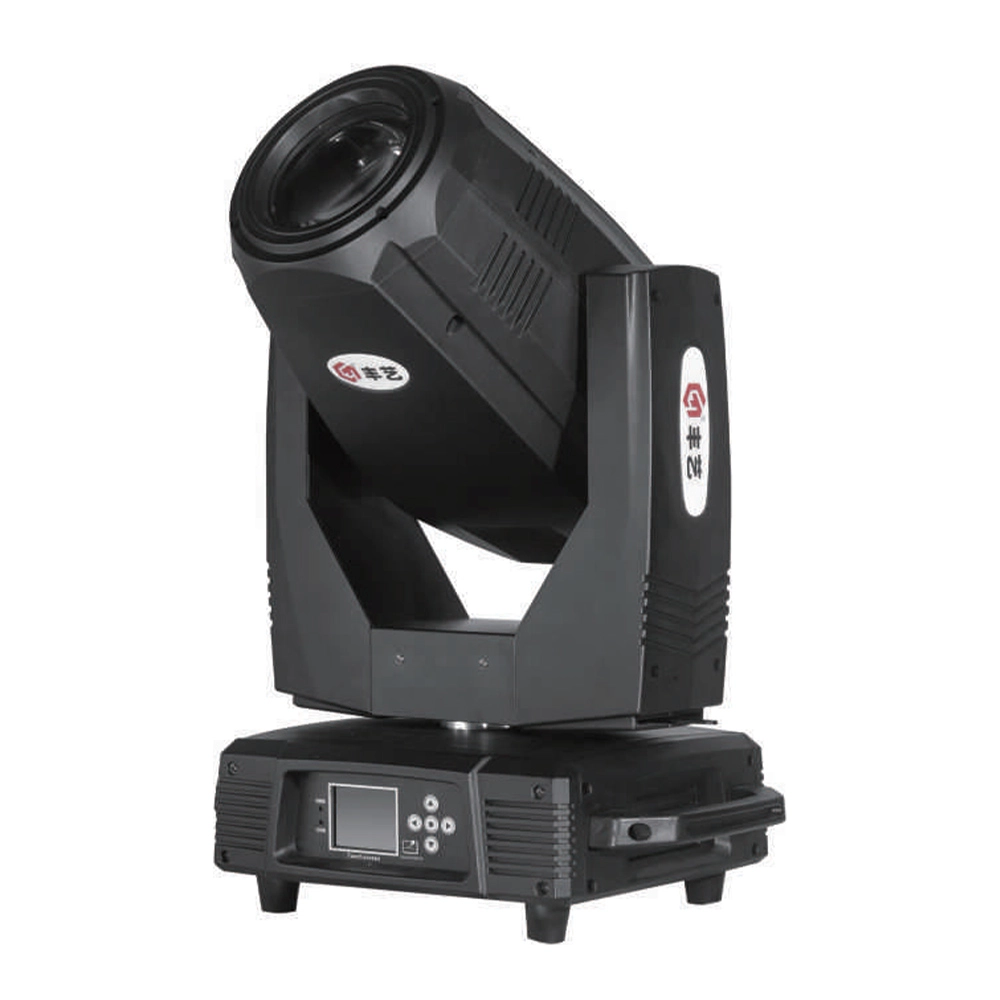
Fengyi 380W Intelligent Moving Head Stage Lights All-in-One System FY-BM-10002
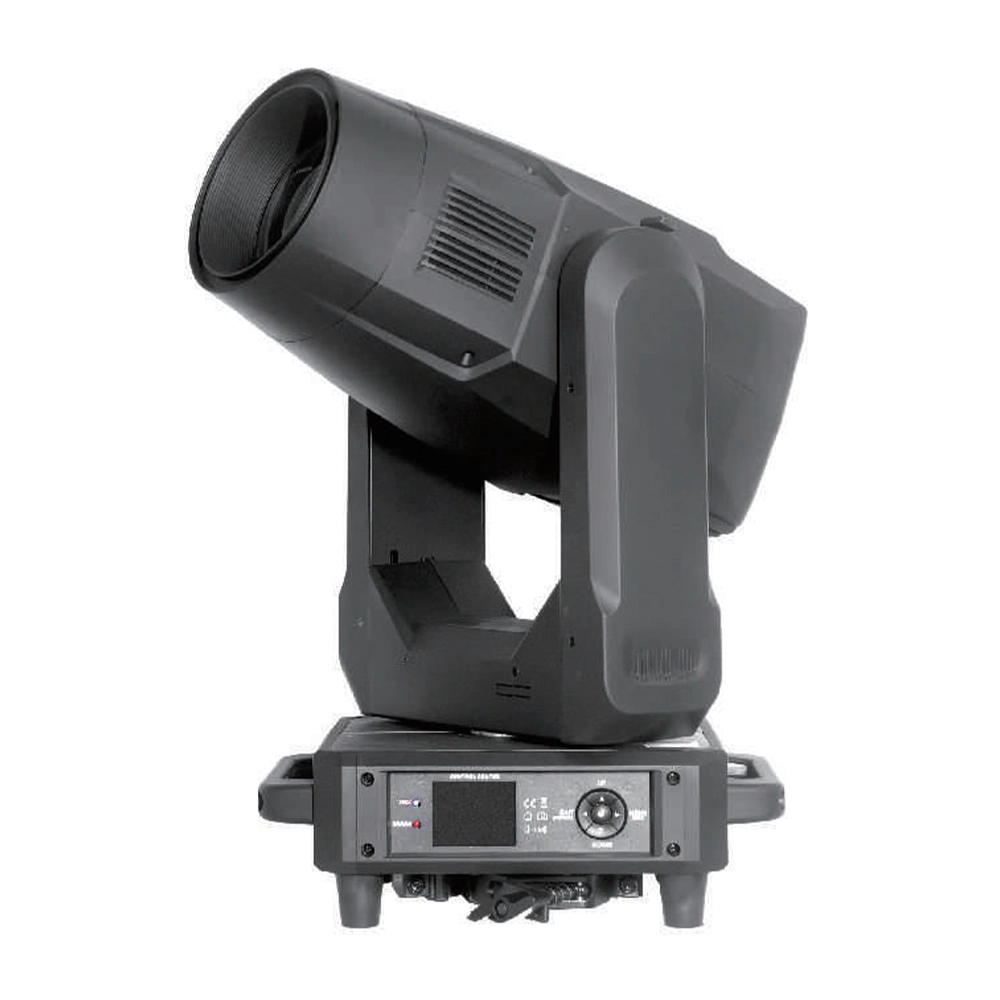
Fengyi 700W Profile Cutting Stage Moving Head Light Professional Event Fixture FY-SP-20003
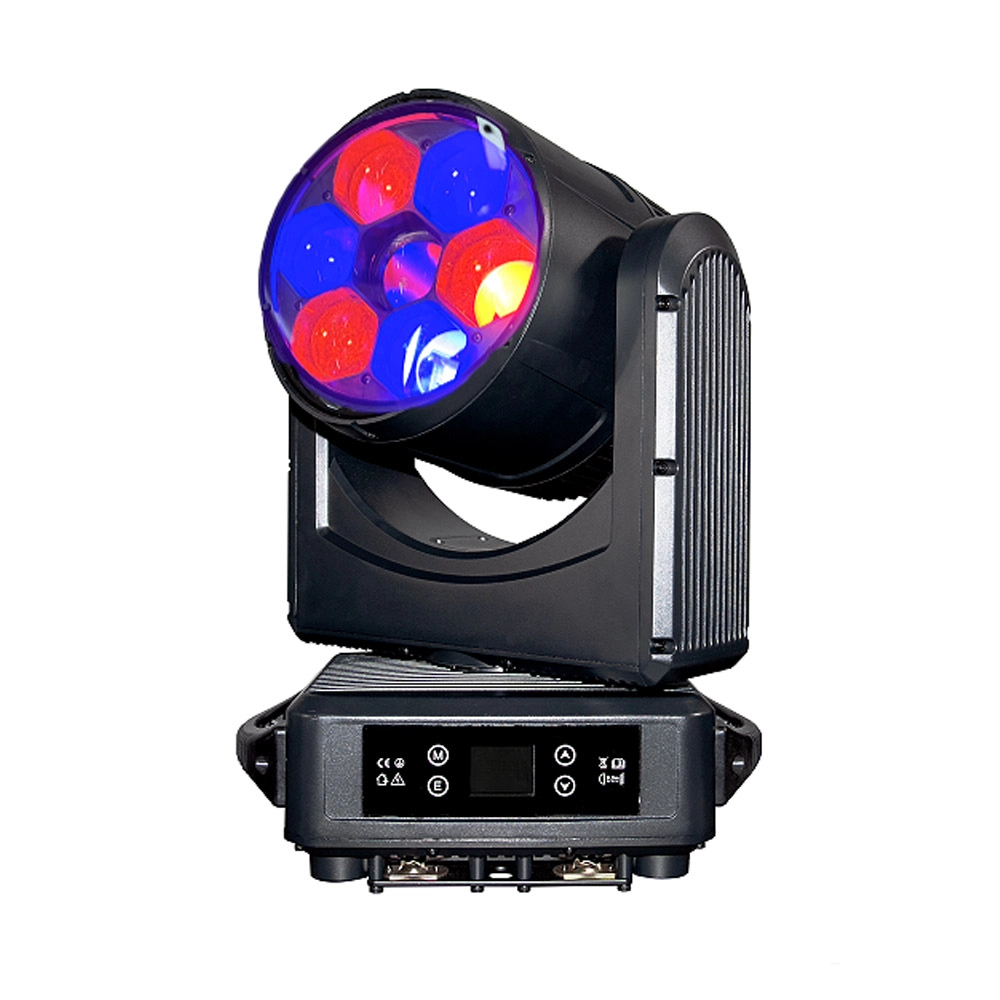
Fengyi 7x60W Waterproof Bee Eye Moving Head Professional LED Stage Lights for Concerts
The Fengyi 7*60 Waterproof Bee Eye offers powerful LED stage lights for concerts with reliable moving head stage lights and DMX control. Designed for outdoor use, it ensures vibrant, dynamic lighting performance in all weather, perfect for professional stage and event setups.
Inquire About Our Moving Head Stage Lights
* Fill The Form
Contact
Building 5, No. 34, Fuyuan Road, Jinghu Industrial Zone, Xinhua Town, Huadu District, Guangzhou, China.
WhatsApp: +86 181 2742 0174
Tel. +86(20) 8642 3596
Ph. +86 150 1870 4285
More information
© 2026 Fengyi. All Rights Reserved.
Fengyi Light
Fengyi Light
Fengyi Light
Fengyilighting