
are moving head lights suitable for exhibition lighting? | Insights by Fengyi
- How do I achieve precise, non-distracting spotlighting on individual exhibits without light spill onto adjacent booths using moving heads?
- What are the actual power consumption and heat output implications of using multiple moving head fixtures in a temporary exhibition space with limited power infrastructure?
- Can moving head lights effectively replace traditional static exhibition spotlights for both general ambient lighting and focused product illumination, offering a cost-effective long-term solution?
- What are the specific challenges and best practices for integrating moving head lights with exhibition-specific control systems (e.g., interactive display triggers, media servers) beyond standard DMX consoles?
- How do I minimize visual distraction from the physical movement of moving heads in a refined exhibition setting where subtle effects are preferred over overt dynamism?
- What are the long-term maintenance requirements and typical lifespan of professional exhibition-grade moving head lights, including LED engine degradation and optical component cleaning?
Are Moving Head Lights Suitable for Exhibition Lighting? A Deep Dive for Professionals
As a seasoned professional in both exhibition design and stage lighting, I frequently encounter a crucial question from clients and colleagues: are moving head lights suitable for exhibition lighting? The answer, while nuanced, leans heavily towards a resounding yes, provided you understand their capabilities and limitations. Modern exhibition design demands dynamic, engaging, and flexible lighting solutions, and moving head fixtures, with their unparalleled versatility, are increasingly becoming a go-to choice. This article will delve into specific pain points and common misconceptions, offering in-depth, up-to-date answers to guide your decision-making process for your next trade show or art installation.
How do I achieve precise, non-distracting spotlighting on individual exhibits without light spill onto adjacent booths using moving heads?
Achieving precise, non-distracting spotlighting in a busy exhibition environment with moving head lights requires a strategic approach beyond simply pointing and shooting. The key lies in leveraging advanced optical features and intelligent programming. Look for fixtures with a tight beam angle, ideally narrow beam moving head lights, and a high-quality optical system that minimizes stray light. Many professional moving heads offer variable zoom capabilities, allowing you to precisely adjust the beam spread from a very narrow spot to a wider wash. For instance, a 5-degree beam angle can create a sharp, defined pool of light on a specific product. Gobo slots are also invaluable; custom gobos can be created to perfectly frame an exhibit, effectively creating a 'light mask' that prevents spill. Furthermore, consider fixtures with framing shutters (often found in theatrical-grade moving heads or dedicated profile fixtures), which allow you to precisely cut and shape the beam into squares, rectangles, or even custom polygons, ensuring light only hits your intended target. DMX control is paramount here; programming specific scenes with precise pan/tilt positions and zoom levels for each exhibit ensures consistent and repeatable focus, even if the fixture is used for dynamic effects at other times. Utilizing a light meter during setup to measure foot-candles on your exhibit versus adjacent areas is a critical step in fine-tuning your focus and minimizing unwanted spill. The latest generation of LED moving heads often boast superior optics and tighter beam control compared to older discharge lamp models, making them ideal for this application.
What are the actual power consumption and heat output implications of using multiple moving head fixtures in a temporary exhibition space with limited power infrastructure?
The actual power consumption and heat output of exhibition moving head lights are critical considerations, especially in temporary exhibition spaces where power infrastructure can be a bottleneck. While older discharge lamp moving heads were notorious for high power draw and significant heat generation, modern LED moving head fixtures have revolutionized this aspect. A typical 300W LED moving head spot might consume around 350-400W at full output, including its internal electronics. Compare this to a 700W discharge lamp fixture that could easily draw 900-1000W. This means you can power significantly more LED fixtures on the same circuit. For example, a standard 20A 120V circuit can safely handle approximately 2400W; with 300W LED fixtures, you could theoretically run 6-7 units. Heat output is also drastically reduced with LEDs. While they still generate heat, it's far less radiant and more efficiently dissipated, reducing the need for extensive HVAC in the immediate vicinity of the lights. This is a major advantage for visitor comfort and exhibit preservation. Always consult the manufacturer's spec sheet for precise wattage and thermal data. When planning, calculate the total wattage of all your proposed moving heads, plus any other electrical equipment, and factor in a 20-25% safety margin to avoid overloading circuits. Consider using low power consumption moving head lights for maximum efficiency. Many exhibition halls have strict power allocation rules, so accurate calculations are essential for a smooth setup and avoiding unexpected costs for additional power drops.
Can moving head lights effectively replace traditional static exhibition spotlights for both general ambient lighting and focused product illumination, offering a cost-effective long-term solution?
Yes, moving head lights can absolutely replace traditional static exhibition spotlights, and often offer a more cost-effective and versatile long-term solution, particularly when considering the total cost of ownership and operational flexibility. While the initial investment in a quality moving head fixture might be higher than a basic static spotlight, their multi-functionality offsets this. A single moving head can act as a general wash light, a focused spot, a pattern projector (with gobos), and even a dynamic effect light, eliminating the need for multiple single-purpose fixtures. This reduces equipment inventory, storage space, and transportation costs. For example, a single versatile moving head for exhibitions can achieve what might otherwise require a par can for wash, a profile spot for focus, and a gobo projector for branding. Furthermore, the ability to remotely adjust pan, tilt, zoom, and focus via DMX means less labor time spent on ladders re-aiming lights for different exhibits or show layouts. This operational efficiency translates directly into labor cost savings over multiple events. The longevity of LED sources (often 20,000-50,000 hours) also significantly reduces maintenance and re-lamping costs compared to traditional discharge lamps. While a static spotlight might be cheaper upfront, its lack of adaptability often leads to needing more units or additional specialized fixtures for different scenarios, ultimately increasing overall project costs. The long-term flexibility and reduced operational expenses make them a compelling choice for exhibition organizers and designers.
What are the specific challenges and best practices for integrating moving head lights with exhibition-specific control systems (e.g., interactive display triggers, media servers) beyond standard DMX consoles?
Integrating DMX moving head lights for exhibition displays with exhibition-specific control systems, such as interactive display triggers or media servers, presents unique challenges but unlocks immense creative potential. While DMX is the standard protocol for lighting control, exhibitions often require a higher level of synchronization and automation. The primary challenge is bridging the communication gap between different protocols. Best practices involve using a robust DMX-to-Ethernet gateway (e.g., Art-Net or sACN) to translate DMX signals into network protocols that media servers or show control software (like QLab, Medialon, or custom-programmed solutions) can understand. These systems can then trigger lighting cues based on various inputs: a visitor touching an interactive screen, a sensor detecting motion, or a video playing on a media server. For instance, a visitor interacting with a specific exhibit could trigger a moving head to spotlight that exhibit, change its color, or project a related graphic. Timecode synchronization is also crucial for perfectly aligning lighting changes with video or audio content. Ensure your moving head fixtures have a good refresh rate and smooth dimming curves to avoid flickering when integrated with video. It's also advisable to use a dedicated network for lighting control to prevent interference and ensure reliable communication. Thorough pre-programming and testing of all integration points are non-negotiable to ensure a seamless and impactful visitor experience. Consider hiring a show control programmer if your exhibition demands complex, multi-system integration.
How do I minimize visual distraction from the physical movement of moving heads in a refined exhibition setting where subtle effects are preferred over overt dynamism?
Minimizing visual distraction from the physical movement of subtle moving head effects for exhibitions in a refined setting where subtlety is key requires careful fixture selection, placement, and programming. Firstly, choose moving heads with quiet motors and smooth, precise pan/tilt movements. High-quality fixtures will have less noticeable mechanical noise and smoother transitions. Placement is crucial: position fixtures out of the direct line of sight of visitors, perhaps mounted high or concealed within architectural elements, so only the light beam is visible, not the fixture itself. When programming, prioritize slow, deliberate movements. Instead of rapid sweeps, opt for gentle, almost imperceptible transitions between positions. Utilize 'fade times' in your DMX programming to ensure movements are gradual and soft. Often, the most effective subtle effect is a slow color change or a gentle zoom in/out, rather than aggressive pan/tilt. If movement is necessary, program it to occur when visitor attention is elsewhere, or during transitions between different exhibit zones. Another technique is to use the moving head primarily as a static spotlight, only introducing movement during specific, planned moments to draw attention, then returning it to a static state. The goal is to use the fixture's capabilities to enhance the exhibit without becoming an exhibit itself. Consider using 'blackout' or 'shutter closed' commands during pan/tilt movements if the fixture's physical motion is too distracting, revealing the light only once it's in its new, static position. Many modern quiet moving head lights for galleries are specifically designed with low noise levels for sensitive environments.
What are the long-term maintenance requirements and typical lifespan of professional exhibition-grade moving head lights, including LED engine degradation and optical component cleaning?
Understanding the long-term maintenance requirements and typical lifespan of professional exhibition lighting fixtures is crucial for budget planning and operational efficiency. Modern LED moving head lights boast significantly longer lifespans and lower maintenance compared to their discharge lamp predecessors. The LED engine itself typically has a rated lifespan of 20,000 to 50,000 hours, meaning many years of operation in a typical exhibition setting. However, 'lifespan' for LEDs usually refers to the point where they reach 70% of their initial brightness (L70), not complete failure. Over time, you will experience gradual brightness degradation, which is a key consideration for maintaining consistent light levels across multiple fixtures. Optical components, including lenses, gobos, and color wheels, require periodic cleaning to maintain optimal light output and beam quality. Dust, fingerprints, and environmental contaminants can significantly reduce brightness and sharpness. The frequency of cleaning depends on the exhibition environment (e.g., dusty construction sites vs. clean gallery spaces), but a quarterly or semi-annual internal cleaning by a qualified technician is a good baseline. Moving parts like pan/tilt mechanisms, focus motors, and zoom motors require occasional lubrication and inspection for wear. While less frequent than lamp changes, these mechanical components can eventually wear out and may require replacement. Firmware updates are also part of long-term maintenance, often improving performance, adding features, or fixing bugs. Always follow the manufacturer's recommended maintenance schedule. Investing in high-quality, reputable brands often means better component longevity and easier access to spare parts and technical support, which is vital for long-term cost-effectiveness and reliability in exhibition applications.
In conclusion, the answer to are moving head lights suitable for exhibition lighting? is a resounding yes, provided you approach their selection and implementation with a professional understanding of their capabilities and the specific demands of your exhibition. Their versatility, dynamic potential, and increasingly efficient operation make them an invaluable tool for creating memorable and impactful visitor experiences. From precise spotlighting to subtle atmospheric effects, modern moving heads offer a level of control and flexibility unmatched by traditional static fixtures, making them a smart investment for any forward-thinking exhibition designer or organizer.
Ready to illuminate your next exhibition with cutting-edge moving head technology? Contact us today for a personalized quote and expert advice. Visit www.fengyilighting.com or email us at sales@fyilight.com.
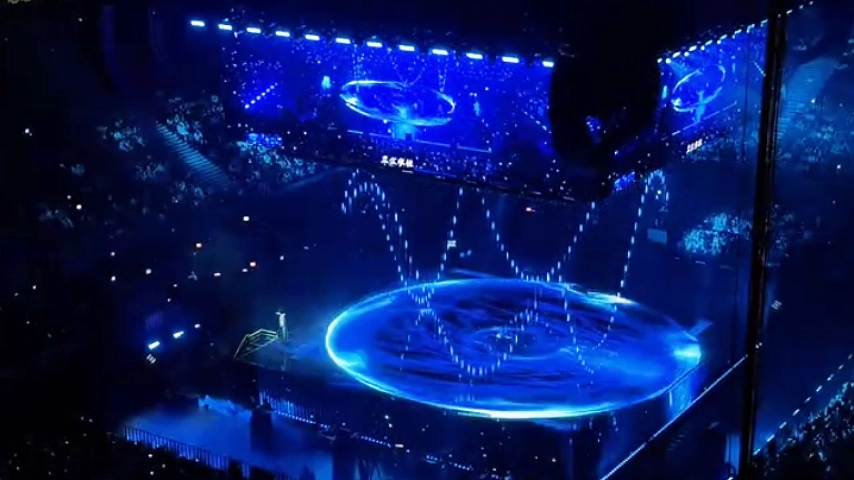
The Five-Dimensional Principle of Concert Lighting Design ——Practical Experience Sharing from Runze Zheng’s Nanjing Concert
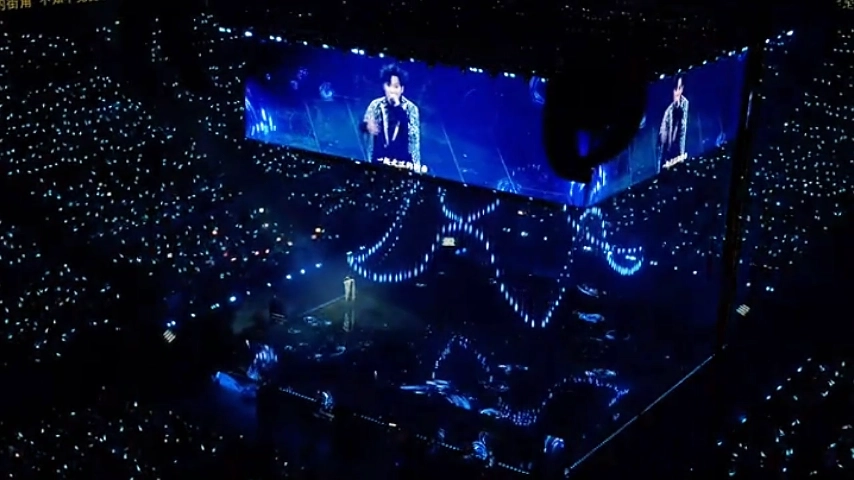
Star River as the Curtain, Light and Shadow as Poetry — Analysis on the Design and Application of the Lighting System for Runze Zheng’s Nanjing Concer
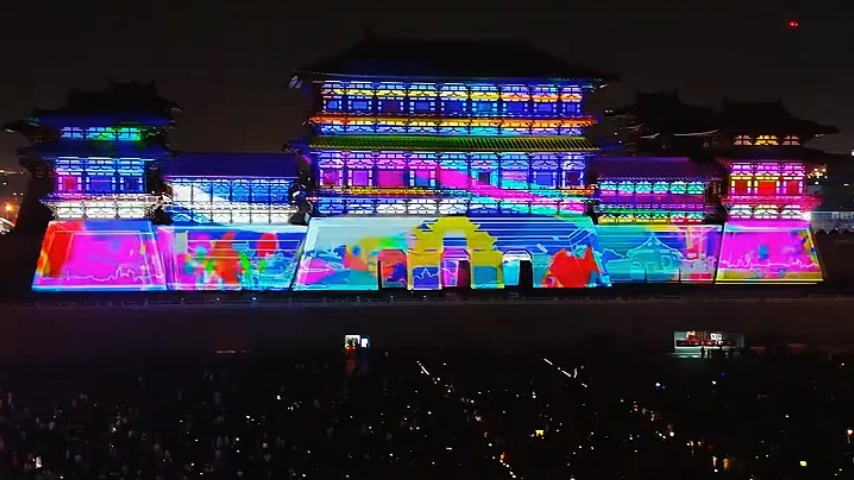
Light and Shadow Empower Heritage Night Tourism — Design Logic and Technical Practice of the Cultural Tourism Lighting System at Luoyang Ying Tianmen
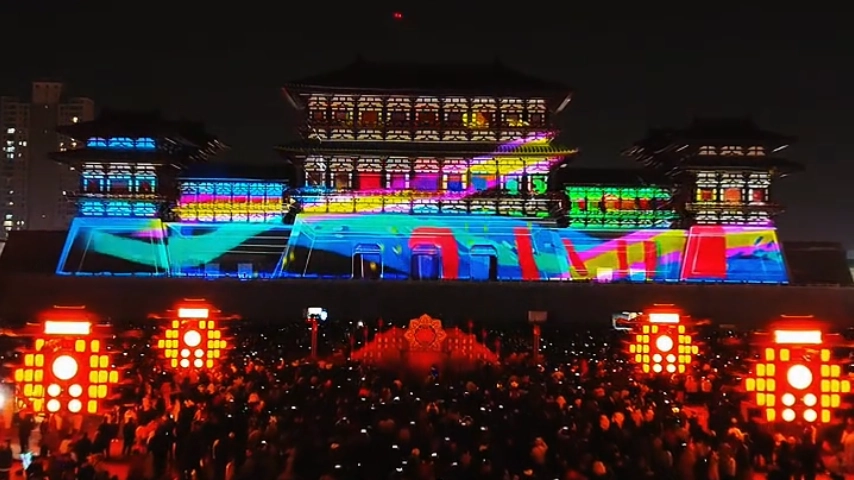
Light Reflecting the Sui and Tang Dynasties Analysis of Lighting System Design and Application for the Luoyang Ying Tianmen Tourism Project
Design & Application
What is the basic workflow of stage light design?
The basic workflow of stage light design includes studying the script or brief, communicating concepts with directors, creating lighting plots, selecting equipment, on-site programming and tuning, and final show operation.
What should be prioritized when designing stage lights for a rock concert?
Stage light design for rock concerts should emphasize strong dynamic changes, precise synchronization with music rhythm, stunning visual impact, and extensive use of beam and pattern effects.
Industry Trends & Purchasing
How does IoT technology empower a new generation of intelligent stage lights?
IoT enables network connectivity for stage lights, supporting remote monitoring (temperature, voltage, lifespan alerts), batch firmware upgrades, location-based control, and smarter energy management.
Creativity & Special Effects
What is a Gobo, and how is it used in stage lights?
A Gobo is a metal or glass patterned slide inserted into profile lights. Stage lights project Gobos (leaves, windows, textures, logos) onto stages, floors, or backdrops to enrich visual detail.
Education & Career
What is the biggest safety risk when combining stage lights with cold fireworks?
The main risk is high-temperature sparks igniting cables, filters, or plastic parts of stage lights. Maintain sufficient safety distance, use fireproof barriers, and ensure operators are professionally trained.
8.Q: How to quickly deploy stage lights for a temporary tent event?
Maintenance & Safety
What are the main electrical safety standards for stage light systems?
Key standards include reliable grounding, adequately sized and protected power cables, residual-current and overcurrent protection in distribution panels, secure connections, and compliance with local codes such as NEC and IEC.
What is the typical lifespan of an LED stage light?
For a qualified LED stage light, the LED light source typically lasts more than 50,000 hours. Actual lifespan also depends on heat dissipation, operating environment, and driver circuit quality.
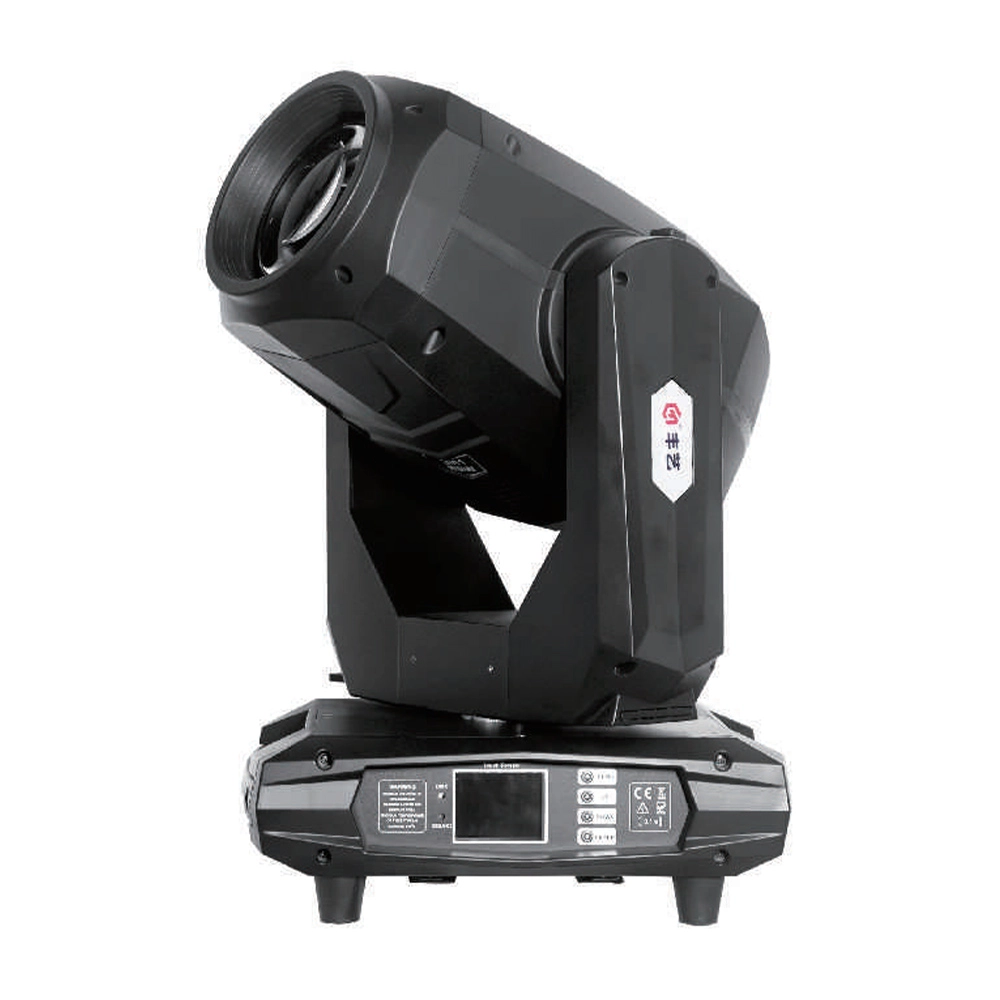
Fengyi 480W All-in-One Moving Head Beam Light Professional Stage Lighting FY-BM-10003
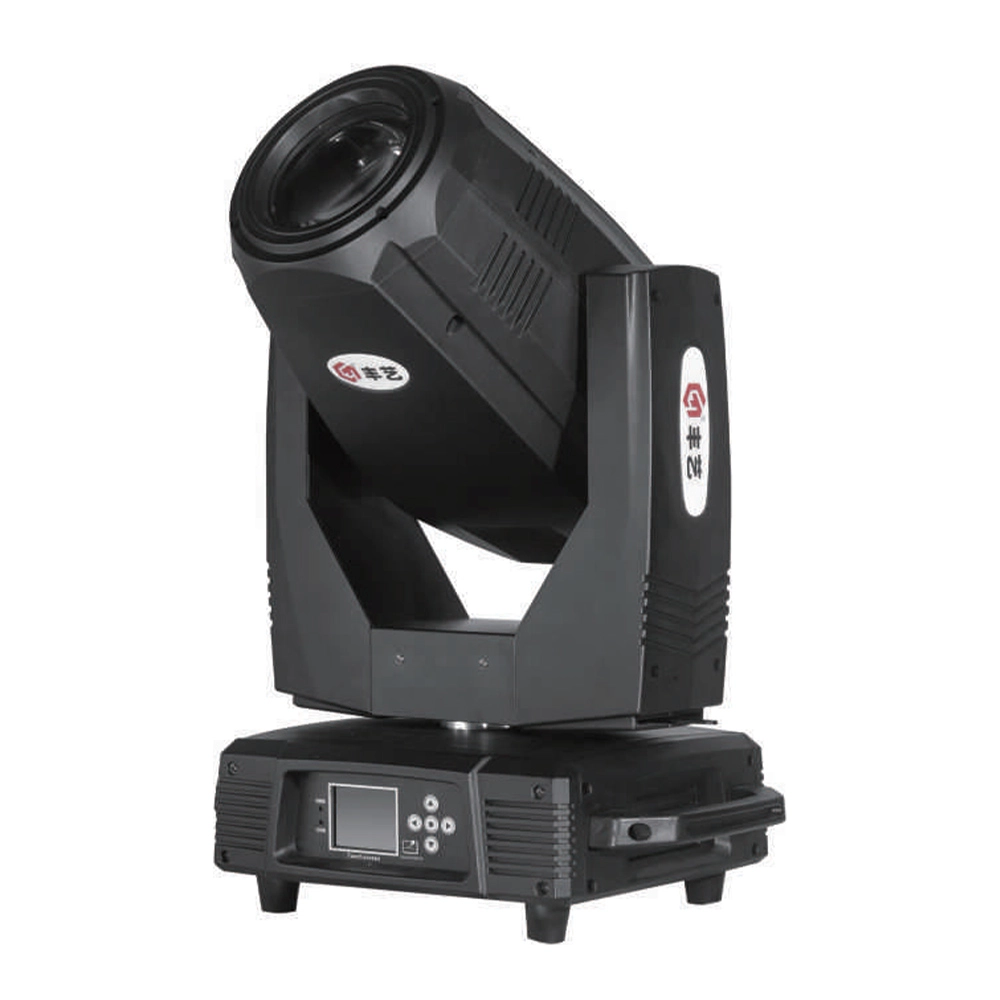
Fengyi 380W Intelligent Moving Head Stage Lights All-in-One System FY-BM-10002
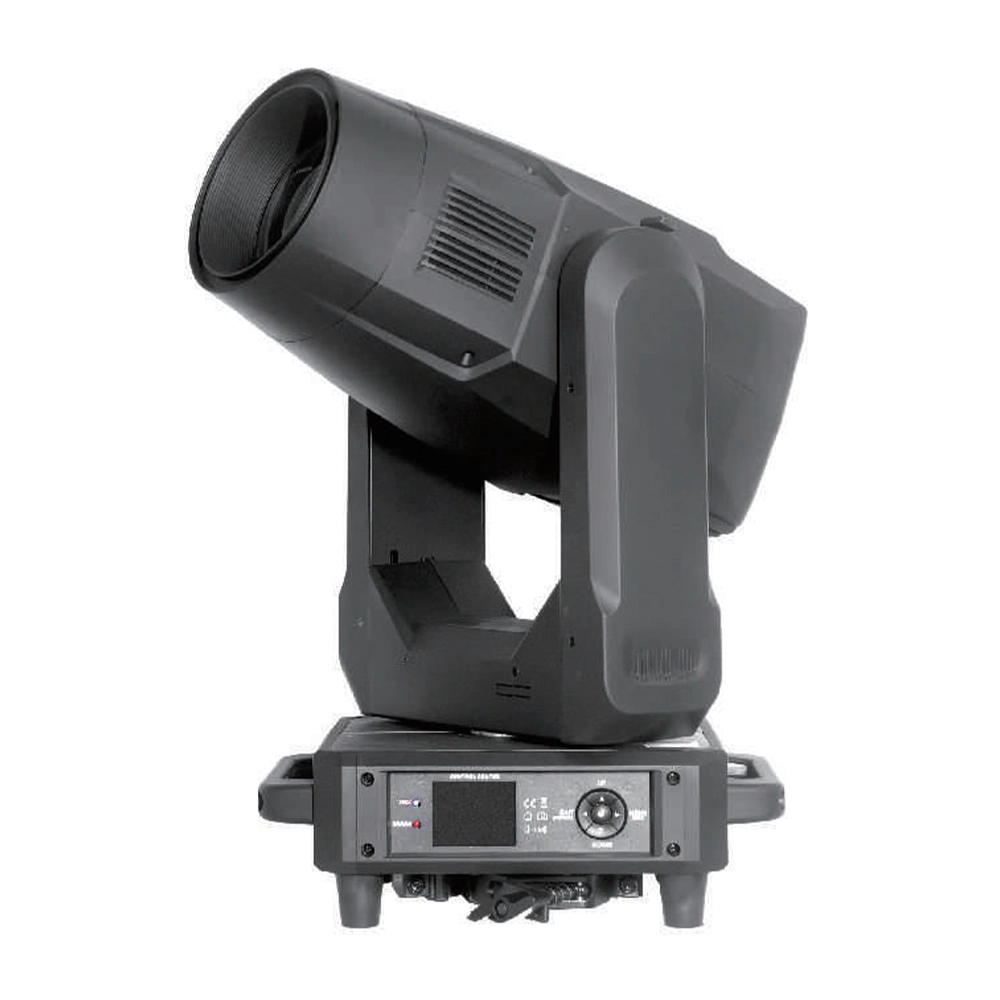
Fengyi 700W Profile Cutting Stage Moving Head Light Professional Event Fixture FY-SP-20003
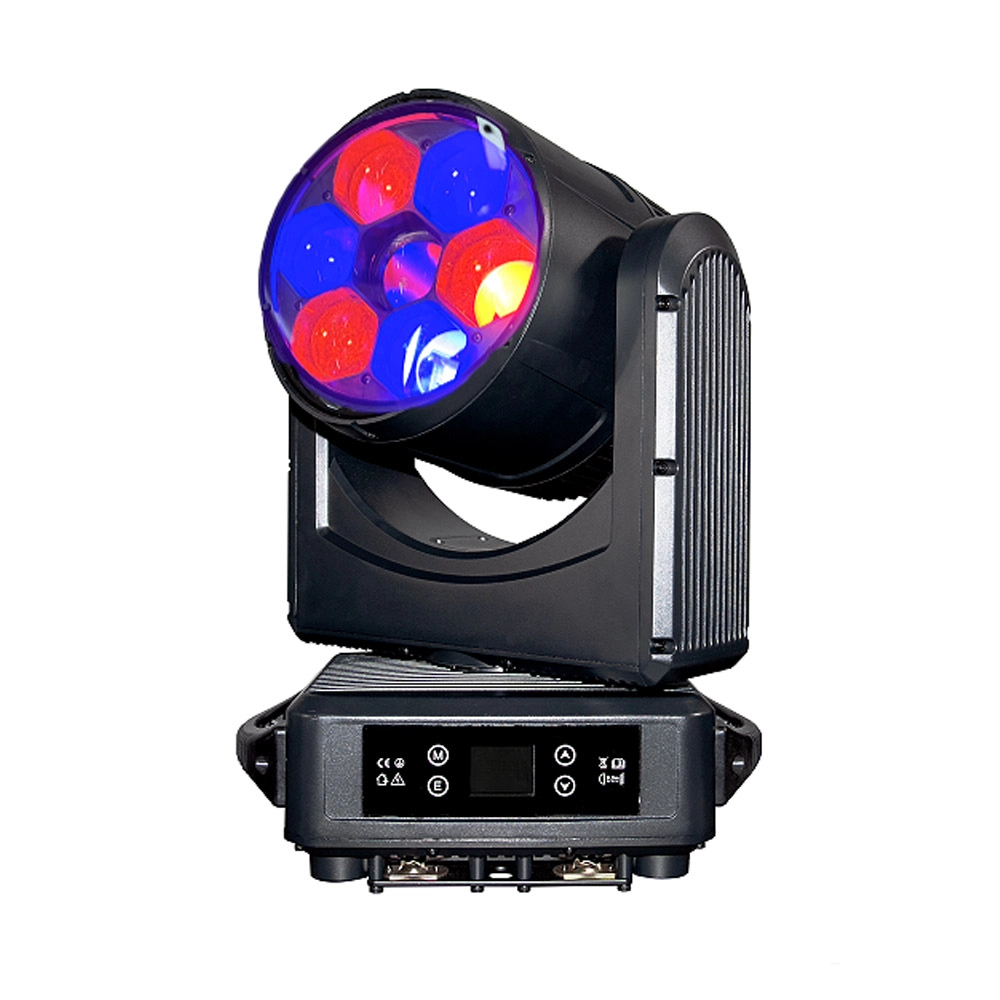
Fengyi 7x60W Waterproof Bee Eye Moving Head Professional LED Stage Lights for Concerts
The Fengyi 7*60 Waterproof Bee Eye offers powerful LED stage lights for concerts with reliable moving head stage lights and DMX control. Designed for outdoor use, it ensures vibrant, dynamic lighting performance in all weather, perfect for professional stage and event setups.
Inquire About Our Moving Head Stage Lights
* Fill The Form
Contact
Building 5, No. 34, Fuyuan Road, Jinghu Industrial Zone, Xinhua Town, Huadu District, Guangzhou, China.
WhatsApp: +86 181 2742 0174
Tel. +86(20) 8642 3596
Ph. +86 150 1870 4285
More information
© 2026 Fengyi. All Rights Reserved.
Fengyi Light
Fengyi Light
Fengyi Light
Fengyilighting