
From Manual to Intelligent – The Evolution of Control Art for LED Stage Lights
Conventional stage lights have evolved from simple lighting tools into intelligent performers in shows, driven by core innovations in control technology. An efficient, precise, and reliable control system is like the conductor of a symphony orchestra, integrating scattered stage lights into a harmonious and unified visual movement. Understanding the control logic of conventional stage lights is the technical cornerstone to command light and shadow and realize creativity.
- The Core of Control Logic: The DMX512 Protocol
- Address Setting: The First Step of Control
- Signal Transmission
- The Nerve Center of Control: The Lighting Console
- Faders and Buttons
- Scenes and Programs
- Effect Engines
- Networking and Intelligence: The Future of Control
- Art-Net and sACN Protocols
- RDM (Remote Device Management)
- Wireless Control and Mobile Terminals
- Multi-System Linkage and Backup Security
- Practical Control Strategies
- Conclusion
The Core of Control Logic: The DMX512 Protocol
No matter how intelligent stage lights are, the “universal language” for their communication with the brain (the lighting console) remains the DMX512 protocol. It abstracts each fixture into a series of continuous channels.
-
For example, a basic 3-color LED PAR stage light may occupy 3 channels (red, green, and blue).
-
A complex moving head profile stage light may take more than 20 channels, controlling parameters such as pan, tilt, color, gobo, rotation, prism, dimmer, strobe, etc.
Address Setting: The First Step of Control
Assign a unique start address to each stage light, telling the console which channel to start reading its instructions.
Incorrect address setting is the most common cause of “stage lights not responding to commands.”
Signal Transmission
-
Traditional method: shielded twisted-pair cables (XLR connectors) in a daisy-chain series connection.
-
Signal is unidirectional, with a maximum of 512 channels per line.
-
Large-scale systems require multiple DMX lines or networked solutions to expand capacity.
The Nerve Center of Control: The Lighting Console
The lighting console is an extension of the designer’s vision.
Faders and Buttons
-
Faders correspond to brightness or other parameters (color, position).
-
Using the Patch function, stage lights with different addresses can be assigned to the same fader for group control.
Scenes and Programs
-
Designers can create hundreds of scenes (Cues) per performance.
-
Each Cue records the precise state of all stage lights at a specific moment.
-
Playback of scenes in sequence achieves complex lighting changes.
-
Advanced consoles support Timecode Synchronization, enabling frame-accurate linkage between lighting changes and music or video playback, perfectly replicating performances.
Effect Engines
-
Built-in macro functions and effect generators can create cyclic movements, color waves, random flashes, and other dynamic effects, greatly enriching creative possibilities.
Networking and Intelligence: The Future of Control
As system scales expand, traditional DMX lines encounter wiring complexity, transmission distance, and channel capacity limits. Networked control is inevitable.
Art-Net and sACN Protocols
-
Transmit massive DMX data via standard Ethernet cables.
-
One cable can carry tens of thousands of channels and supports two-way communication.
-
Combined with network switches, flexible topologies like star and ring structures allow long-distance, distributed, and stable control.
RDM (Remote Device Management)
-
Allows the console to communicate back with fixtures.
-
Technicians can read fixture info (model, temperature, lamp life), modify addresses, and even update firmware remotely, improving system commissioning and maintenance efficiency.
Wireless Control and Mobile Terminals
-
With Wi-Fi or proprietary wireless DMX, paired with mobile apps (iPads, or tablets), designers can program and control lights anywhere in the venue.
-
Breaks free from the console’s fixed position, making workflows more flexible.
Multi-System Linkage and Backup Security
In large-scale performances, stage lights often need to link with video, mechanical, and audio systems.
-
Central Control Systems (e.g., Medialon, QLab) can receive timecode and send trigger commands to all subsystems, ensuring seamless multimedia collaboration.
-
Backup and Redundancy: Solutions like a master-standby console or independent hardware backups guarantee zero interruption if the main console fails.
Practical Control Strategies
For lighting designers or operators, excellent strategies include:
-
Clear Patch Management: Logical grouping and naming by stage light type, position, and function.
-
Modular Programming: Compile commonly used effects (basic washes, key lights, special effect combinations) into independent presets or macros for quick recall.
-
Visual Pre-Programming: Using visualization software (Capture, MA 3D) to simulate real venues and stage lights in advance, saving on-site debugging time.
Conclusion
From manual faders to networked intelligent control, the art of stage lighting control has evolved into a comprehensive ability combining programming thinking, network technology, and artistic perception.
Mastering this system allows designers to translate unrestrained creativity into precise, reliable, and moving radiance on every inch of the stage.
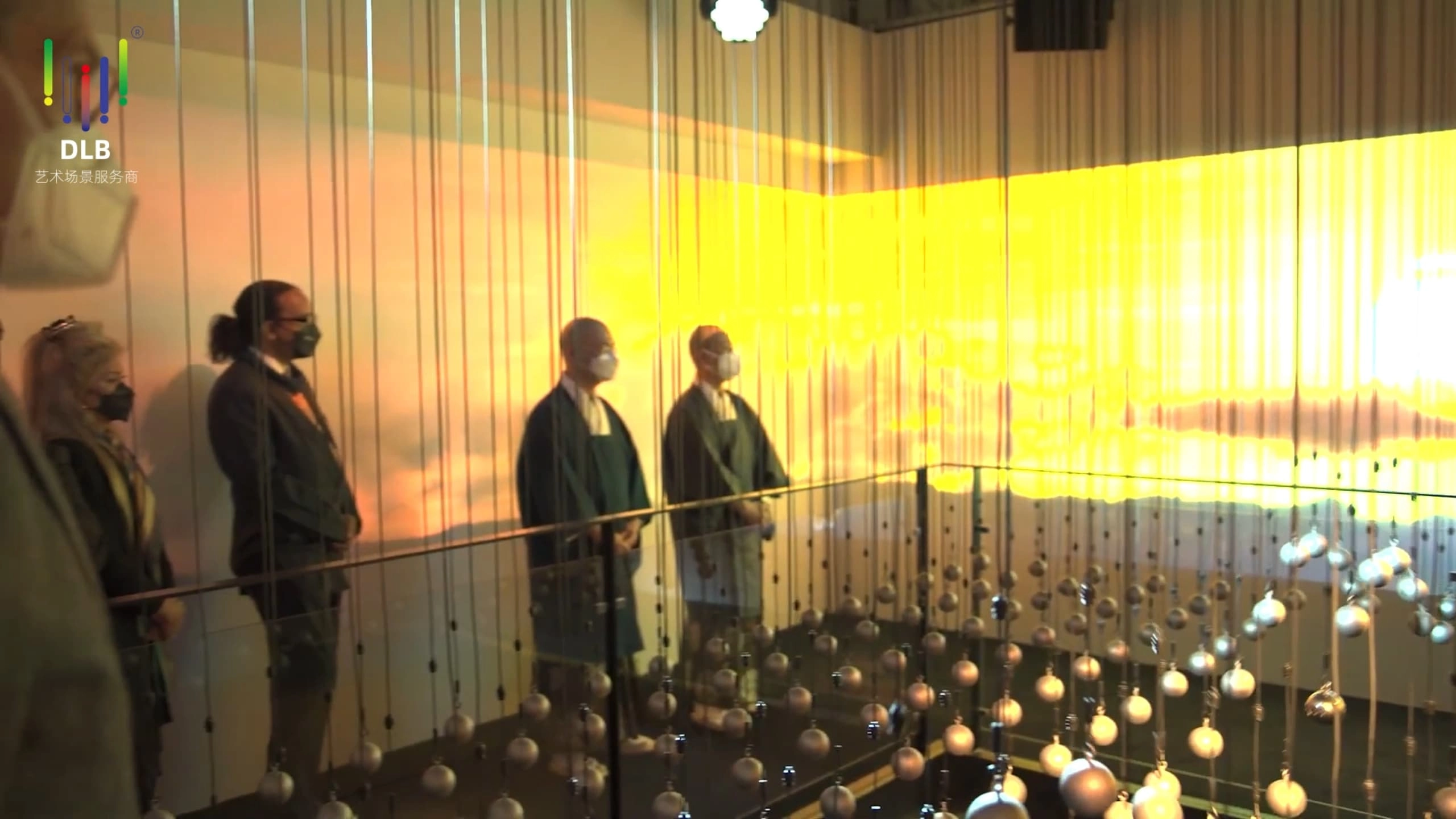
Divine Light Through a Thousand Years Analysis of Lighting Design & Application for the 800th Anniversary of the Great Saint’s Birth in Japan
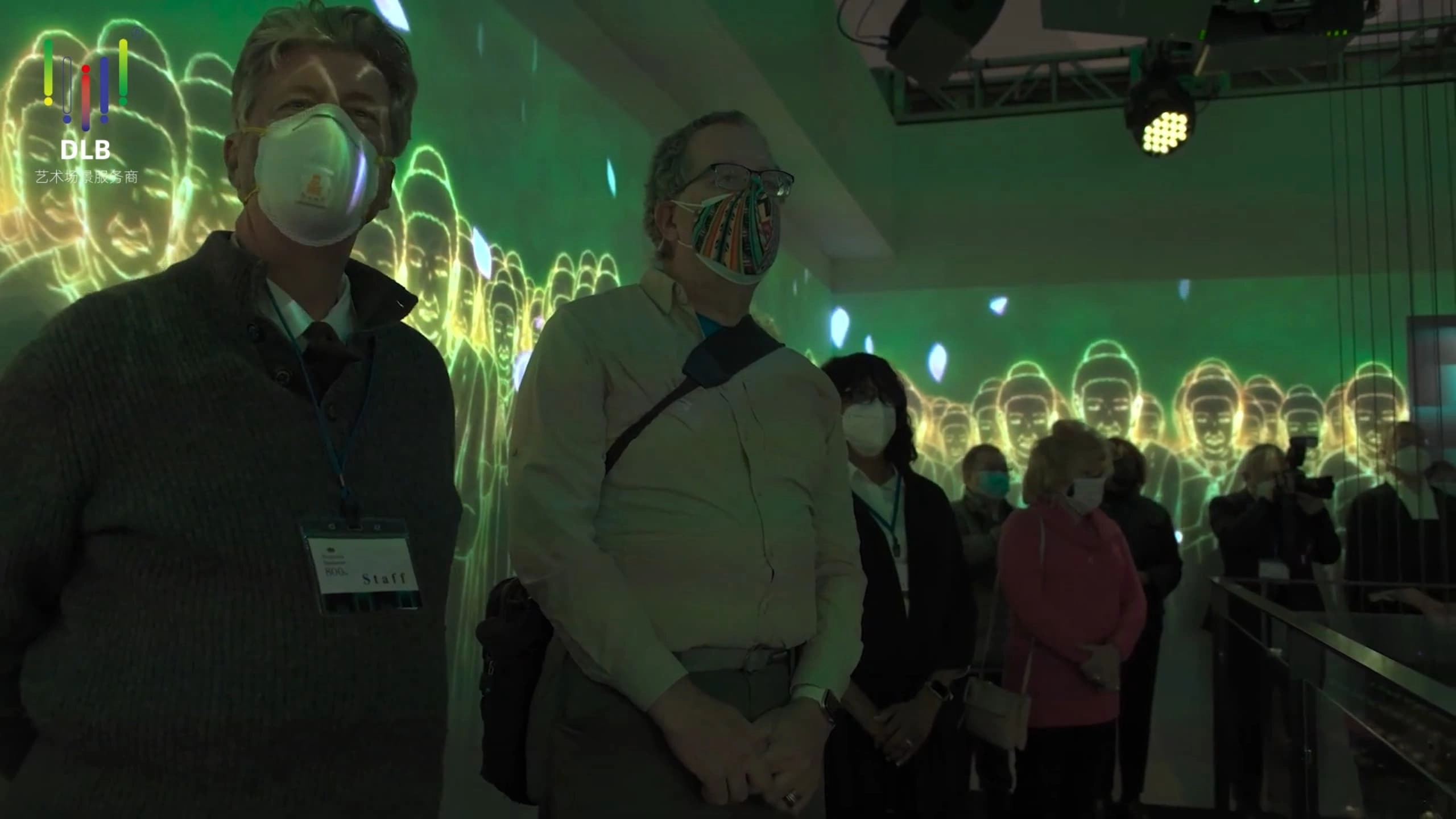
Divine Light Through a Thousand Years – Lighting Design & Application Sharing for the 800th Anniversary of the Great Saint’s Birth in Japan
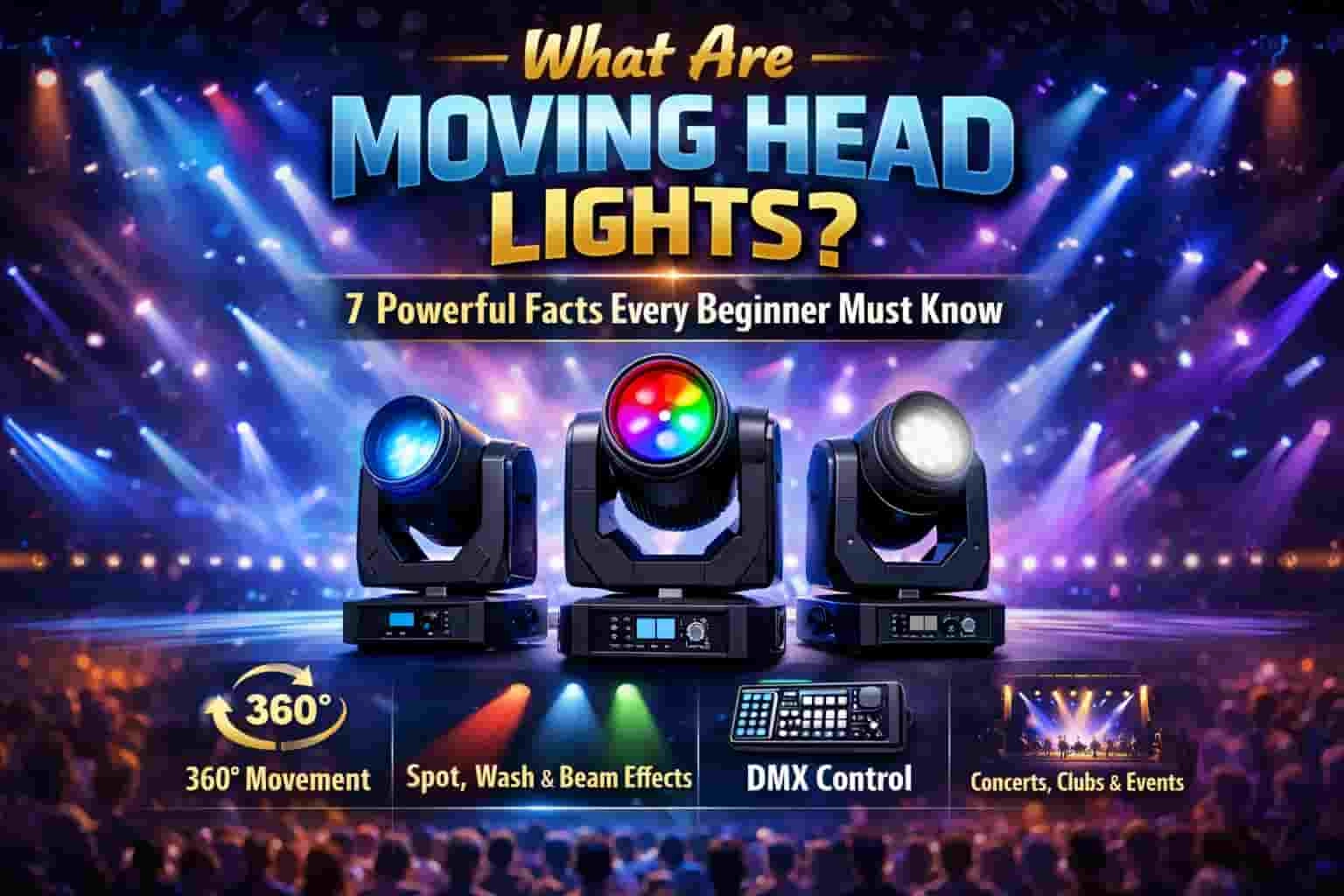
What Are Moving Head Lights? 7 Powerful Facts Every Beginner Must Know
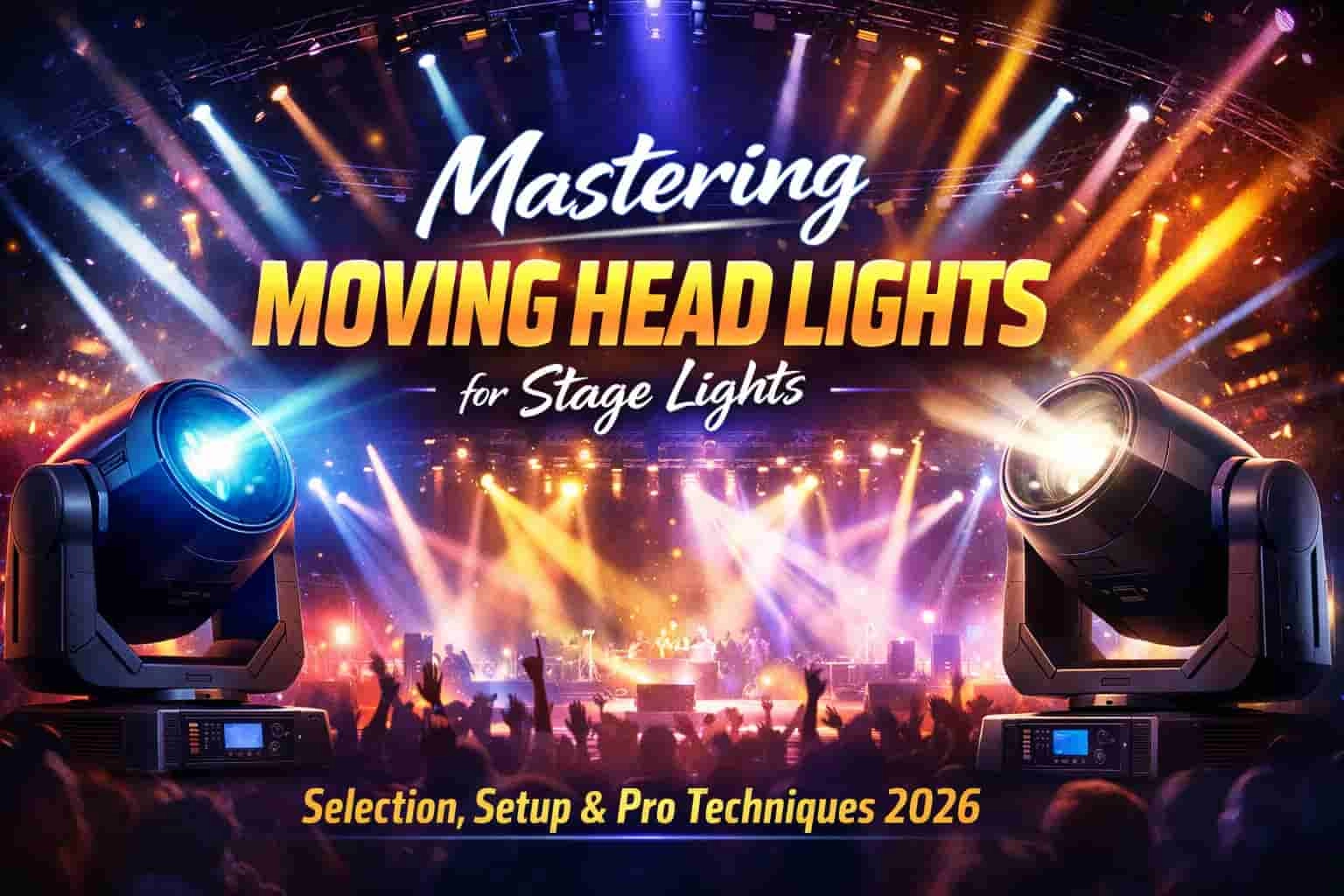
Mastering Moving Head Lights for Stage Lights: Selection, Setup & Pro Techniques 2026
Education & Career
What is the biggest safety risk when combining stage lights with cold fireworks?
The main risk is high-temperature sparks igniting cables, filters, or plastic parts of stage lights. Maintain sufficient safety distance, use fireproof barriers, and ensure operators are professionally trained.
8.Q: How to quickly deploy stage lights for a temporary tent event?
Where can I find authorized certification training for stage light consoles?
Official certification courses and global training centers are listed on manufacturer websites (MA Lighting, Avolites, etc.). These courses are the main path to industry-recognized qualifications.
Maintenance & Safety
How does power interference from stage lights affect audio systems?
Low-quality or aging SCR dimmers for stage lights generate heavy harmonics that couple into audio systems via power lines, causing hum or buzz. Solutions include power conditioning or using interference-free LED stage lights.
Industry Trends & Purchasing
Is “holographic stage light” real holographic imaging?
Most commercial “holographic stage light” effects are not true 3D aerial imaging. They use optical principles such as Pepper’s Ghost to create stereoscopic visuals on transparent media like gauze screens.
Technology & Parameters
How to achieve smooth color fades with stage lights?
Use stage lights supporting high-resolution dimming, and program gentle, gradual value changes on RGB or color-mixing channels via the console to achieve seamless color transitions.
How to select the power of stage lights for large venues?
When choosing stage light power for large venues, consider projection distance, required illuminance, ambient light interference, and optical efficiency. Higher-power sources (above 1200W) are usually required.
Why is a high Color Rendering Index (CRI) critical for professional stage lights?
A high CRI ensures stage lights accurately restore the true colors of objects, especially performers’ skin tones and costumes, forming the foundation of high-quality visual performance.
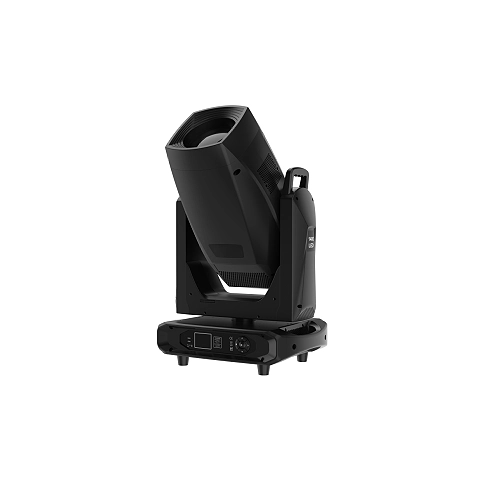
Fengyi 1400W High Power LED Gobo Pattern Projector Stage Light Cutting Lamp stagelighting
Discover the Fengyi 1000W LED Moving Profile Stage lights, delivering professional LED stage lighting. As DMX controllable moving head lights, they offer versatile stage wash and spot lighting fixtures with precise gobo and zoom. Command your stage with unparalleled performance.
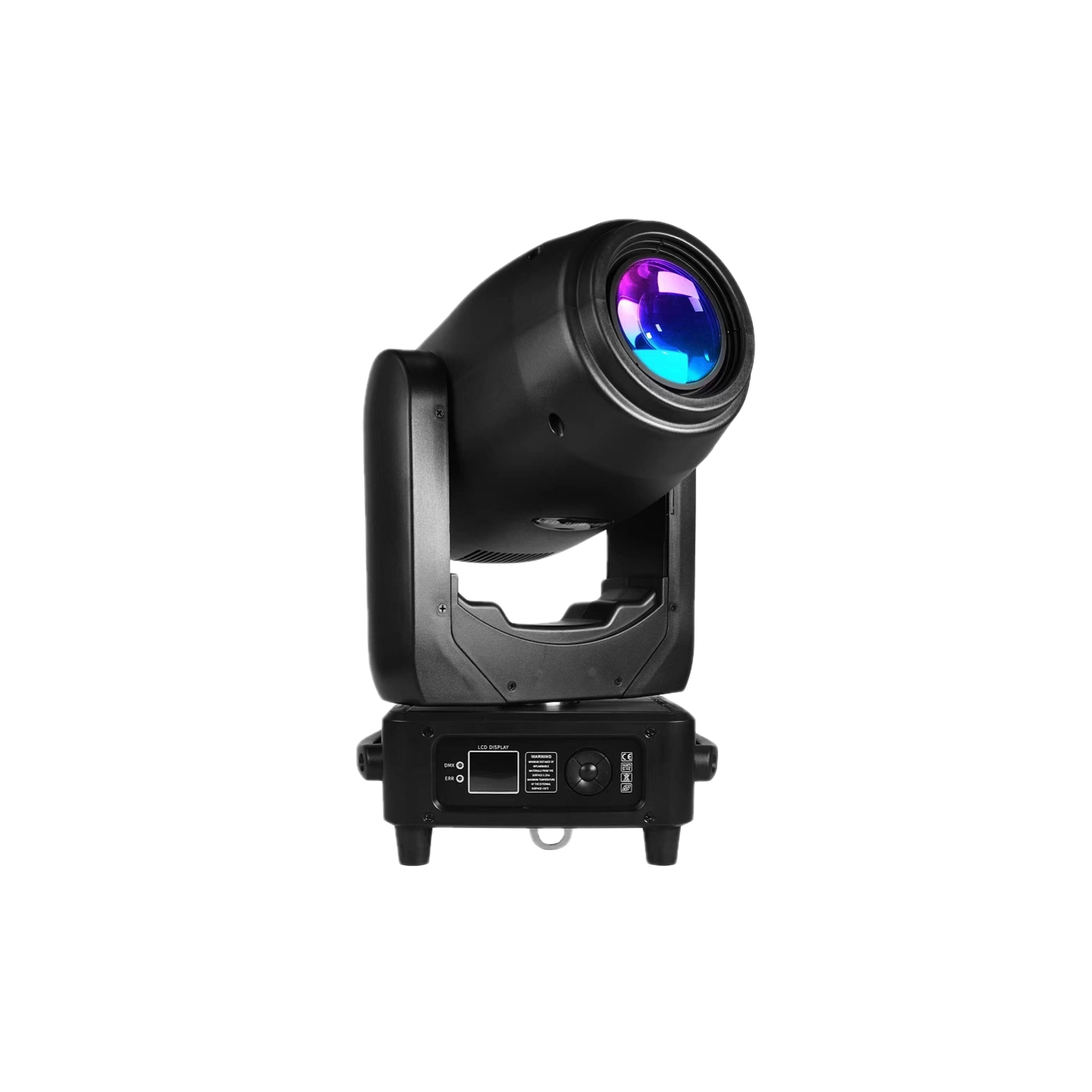
Fengyi Stagelighting 280W 3in1 Beam Spot Wash Moving Head Light
Here is a product description crafted to your specifications, keeping and conciseness in mind: Fengyi Stagelighting presents the 280W 3in1 Beam Spot Wash Moving Head Light. Ideal for professional stage lighting and concert lighting, this LED stage light offers unparalleled versatility. Experience brilliant beams, precise spots, and vibrant washes for any event.
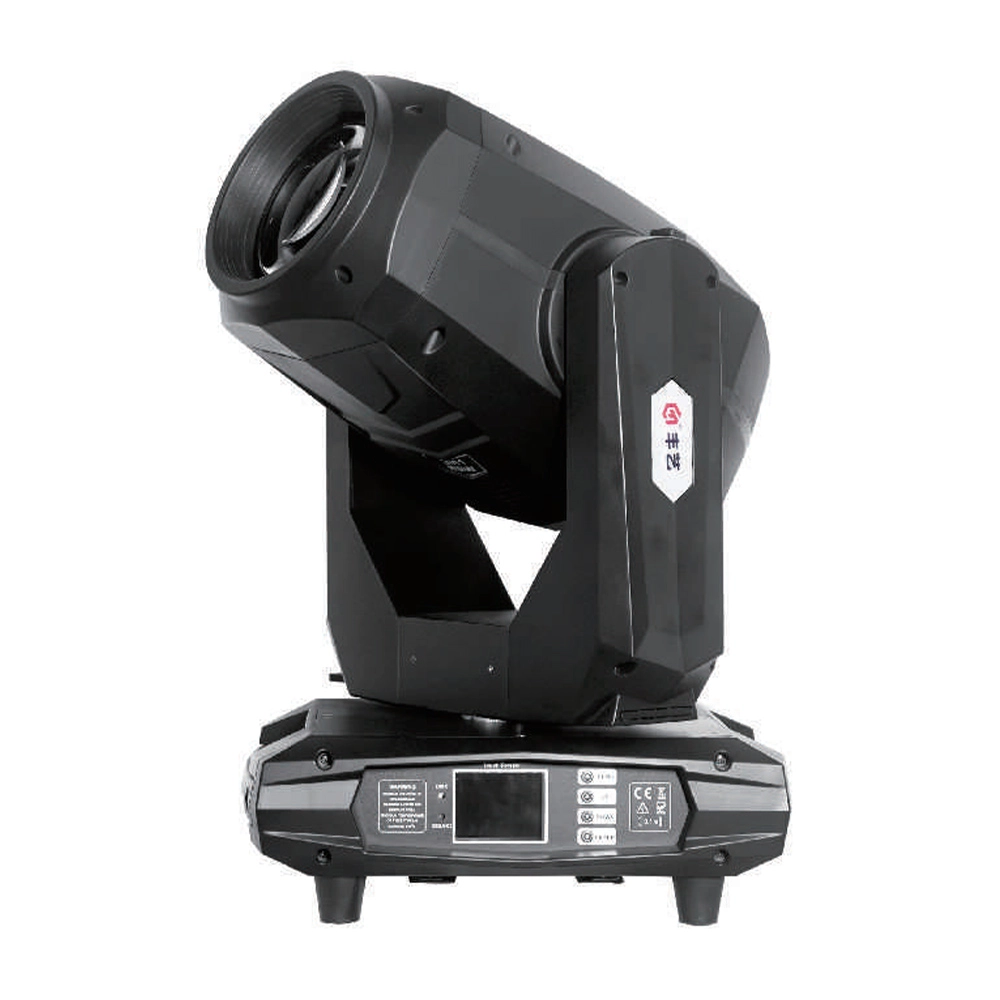
Fengyi 480W All-in-One Moving Head Beam Light Professional Stage Lighting FY-BM-10003
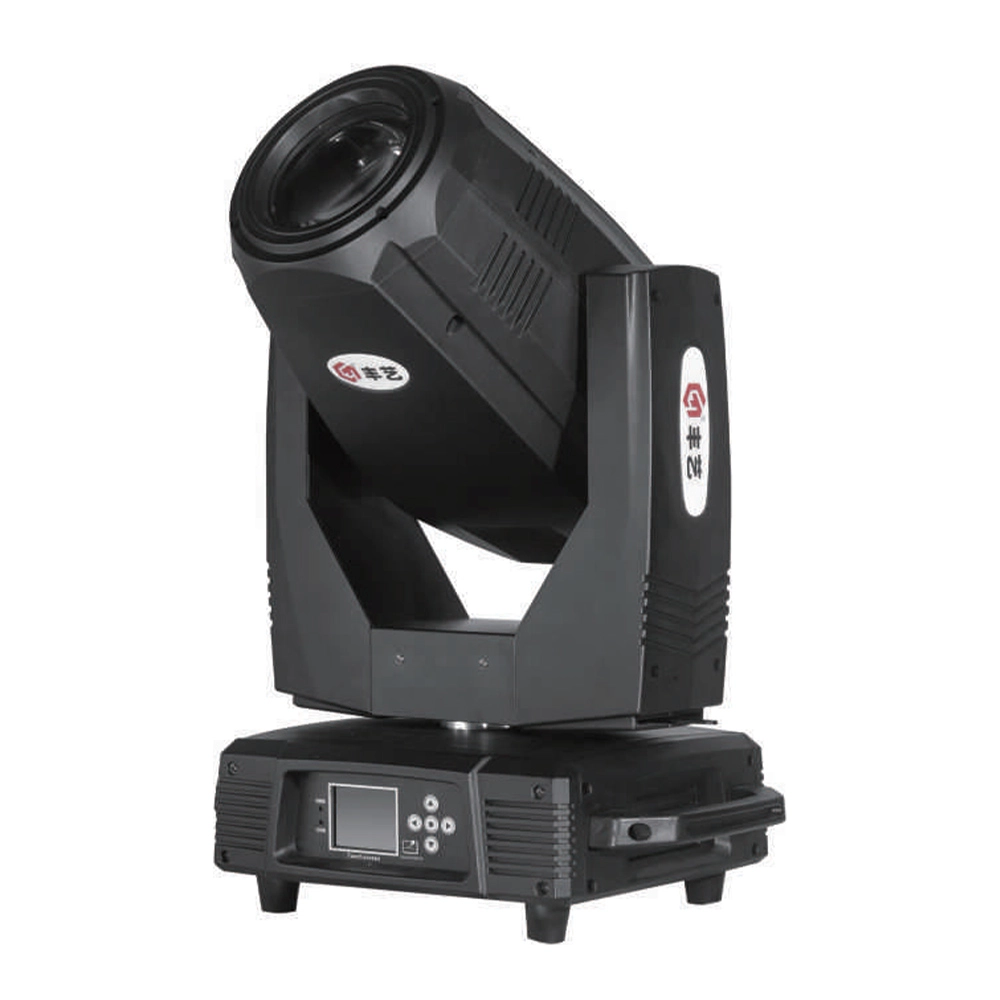
Fengyi 380W Intelligent Moving Head Stage Lights All-in-One System FY-BM-10002
Inquire About Our Moving Head Stage Lights
* Fill The Form
Contact
Building 5, No. 34, Fuyuan Road, Jinghu Industrial Zone, Xinhua Town, Huadu District, Guangzhou, China.
WhatsApp: +86 181 2742 0174
Tel. +86(20) 8642 3596
Ph. +86 150 1870 4285
More information
© 2026 Fengyi. All Rights Reserved.
Fengyi Light
Fengyi Light
Fengyi Light
Fengyilighting