
From Preset to Creation – Custom Programs and Creative Programming for Conventional Stage Lights
Modern conventional stage lights, especially intelligent moving head stage lights, have far more potential than the dozens of factory-preset effects. Through in-depth custom programming, lighting designers can transform static equipment into spiritual performers, making every beam of stage lights precisely serve artistic conception. This process is an artistic creation that translates technical parameters into emotional language.
- Programming Basics for Stage Lighting: Understanding Cues and Timelines
- 1. Building the Timeline
- 2. Core Technologies of Creative Programming
- Palette Management
- Effect Engine
- Grouping and Logic Control
- 3. Advanced Applications: Timecode Synchronization and Multimedia Integration
- 4. Practical Process of Custom Programming
- 5. From Execution to Creation
Programming Basics for Stage Lighting: Understanding Cues and Timelines
The foundation of all complex light shows is an ordered sequence of Cues. Each Cue is a “full-group snapshot” of stage lights at a precise moment, recording every parameter value (position, color, brightness, gobo, etc.) of every fixture in the venue.
1. Building the Timeline
Like a film director, the lighting designer breaks the performance into consecutive Cues:
-
Opening Blackout (Cue 1)
-
First Beam at First Musical Bar (Cue 2)
-
Color Explosion at Chorus (Cue 3)
This sequence of Cues forms the “musical score” of the light performance.
-
Fade Times:
-
Each Cue can have independent Fade In and Fade Out times.
-
Fast Fade In delivers impact, while slow Fade In creates atmospheric, breathing-like transitions.
-
2. Core Technologies of Creative Programming
Palette Management
-
Stores commonly used colors, positions, gobos, and beam angles as global palettes.
-
Allows designers to call a palette instead of manually entering values, ensuring consistency and efficiency.
Effect Engine
Powerful console tool for dynamic effects:
-
Linear Effects: Lights cycle sequentially in position, color, or brightness, creating wave-like flow.
-
Circular Effects: Simulate circular motion of stage lights.
-
Random Effects: Generate unpredictable changes for natural atmospheres (e.g., twinkling stars).
Designers can adjust speed, amplitude, phase, and waveform (sine, sawtooth, etc.) for infinite variations.
Grouping and Logic Control
-
Group lights by function or position (e.g., all key lights, left beam array).
-
Advanced logic functions allow conditional operations (e.g., “when Cue 10 executes, dim all audience lights”), enabling intelligent linkage.
3. Advanced Applications: Timecode Synchronization and Multimedia Integration
For performances requiring perfect alignment with music and video:
-
Timecode Synchronization:
-
LTC or MTC files from audio or video sources are sent to the console.
-
The console timeline locks to the timecode, achieving zero-delay, frame-accurate playback.
-
-
MIDI and OSC Triggering:
-
Specific Cues or effects can be triggered in real time via MIDI notes or OSC commands from music software, video servers, or sensors.
-
Enables truly interactive performances.
-
4. Practical Process of Custom Programming
-
Pre-Design:
-
Pre-programming in visualization software (MA3D) based on scripts or music storyboards.
-
-
On-Site Programming:
-
Refine programs according to venue, actor movements, and director requirements.
-
-
Program Optimization and Backup:
-
Optimize Cue order, remove redundancies, and back up program files (console storage, USB, cloud).
-
-
Performance Execution:
-
Operators make subtle manual overlays or real-time adjustments to adapt to live performance.
-
5. From Execution to Creation
Custom programming allows stage lights to transcend physical limitations:
-
Lights “breathe,” colors “flow,” and shapes “dance.”
-
Stage lights shift from passive responses to active visual melodies.
-
Mastering light programming transforms technicians into artists, composing emotions with light and shadow, leaving a unique, irreproducible soul imprint on each performance.
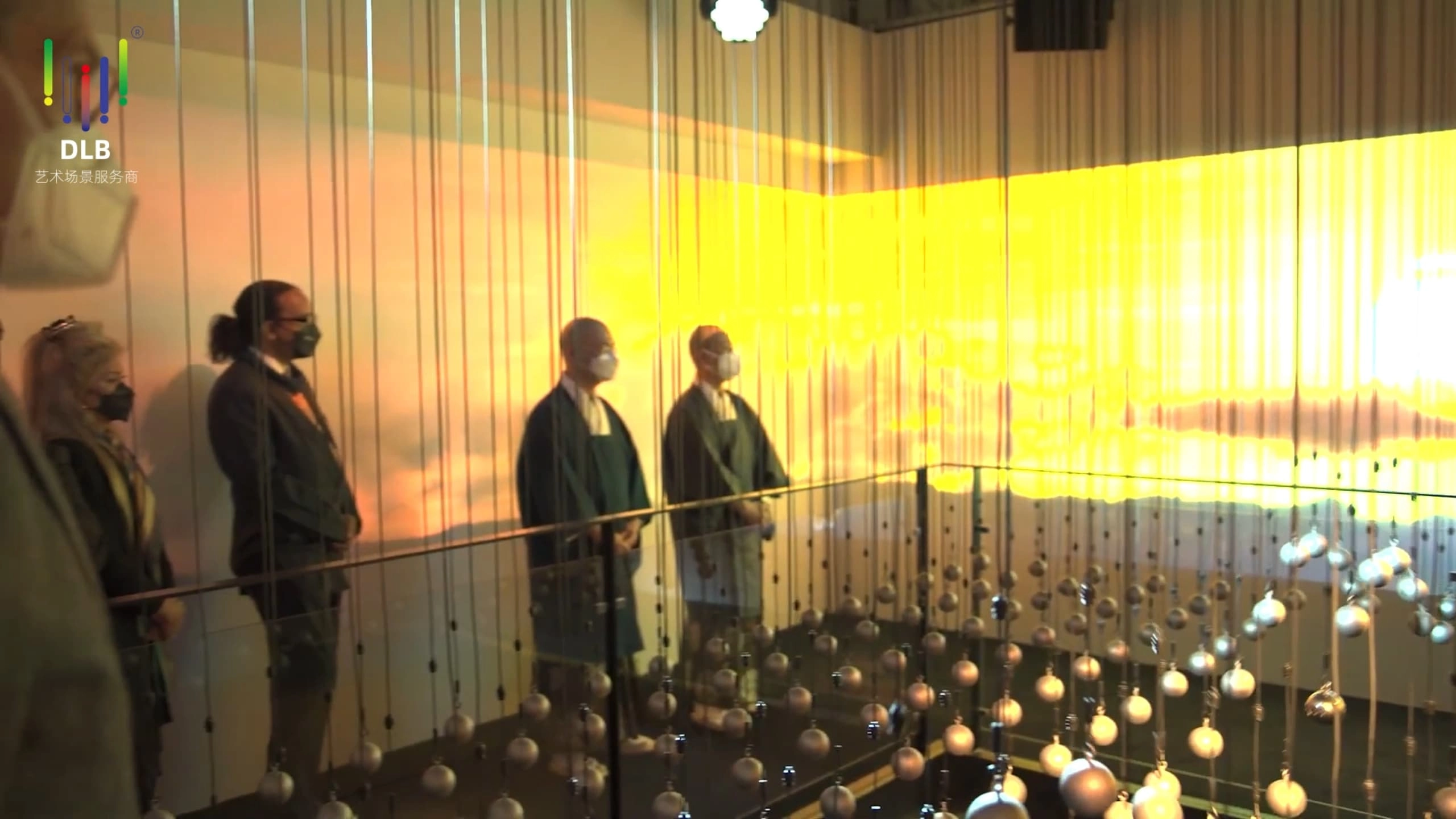
Divine Light Through a Thousand Years Analysis of Lighting Design & Application for the 800th Anniversary of the Great Saint’s Birth in Japan
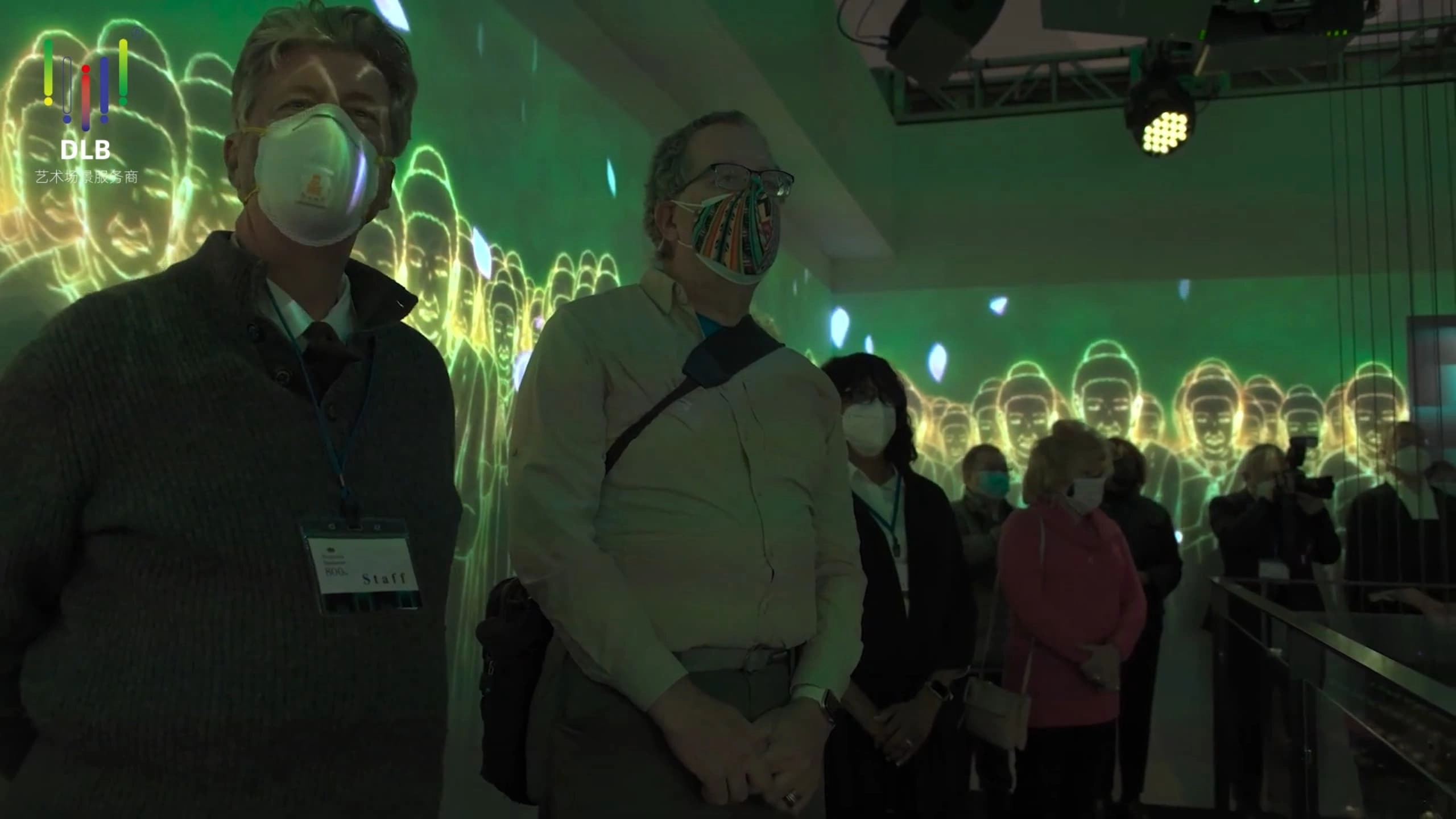
Divine Light Through a Thousand Years – Lighting Design & Application Sharing for the 800th Anniversary of the Great Saint’s Birth in Japan
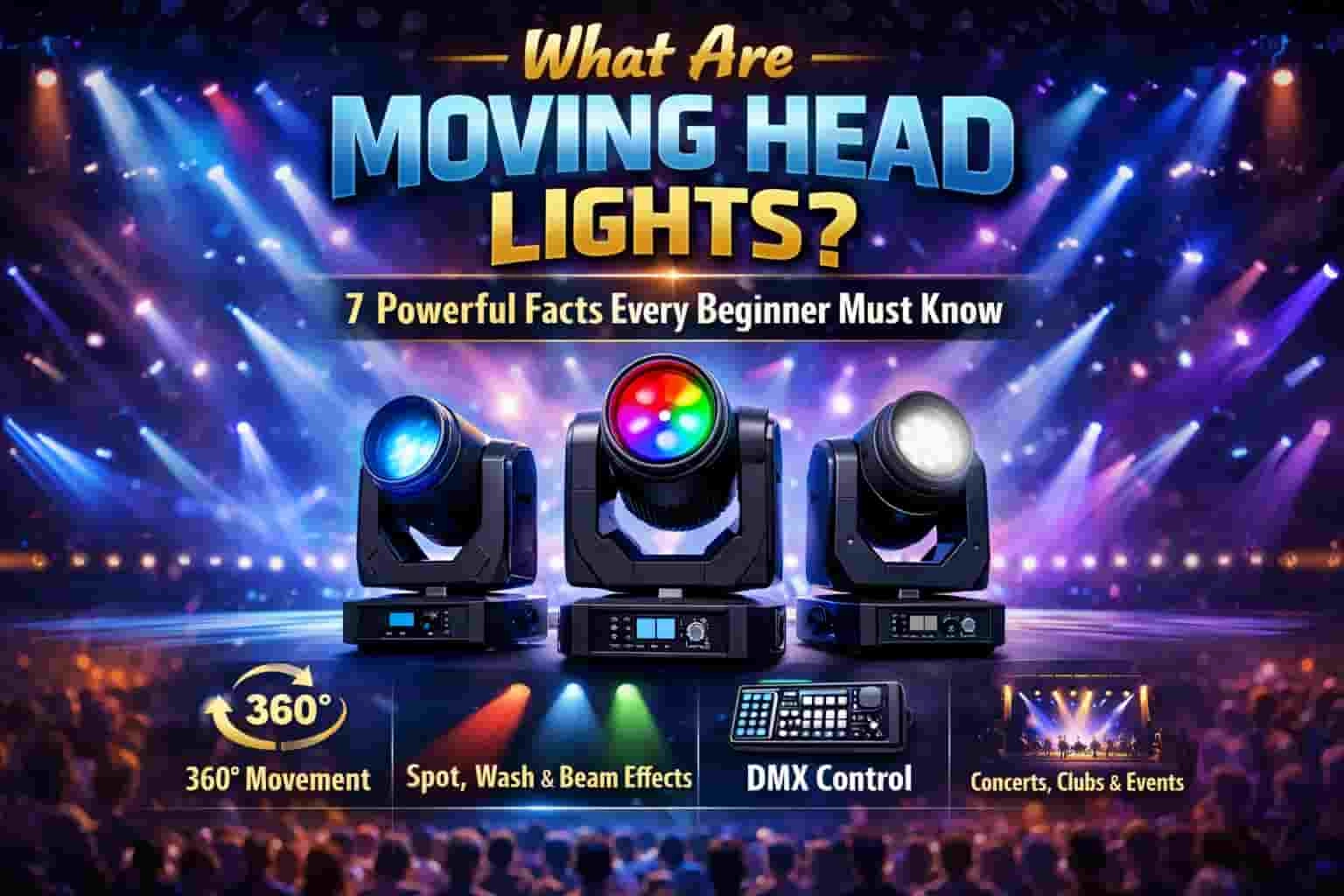
What Are Moving Head Lights? 7 Powerful Facts Every Beginner Must Know
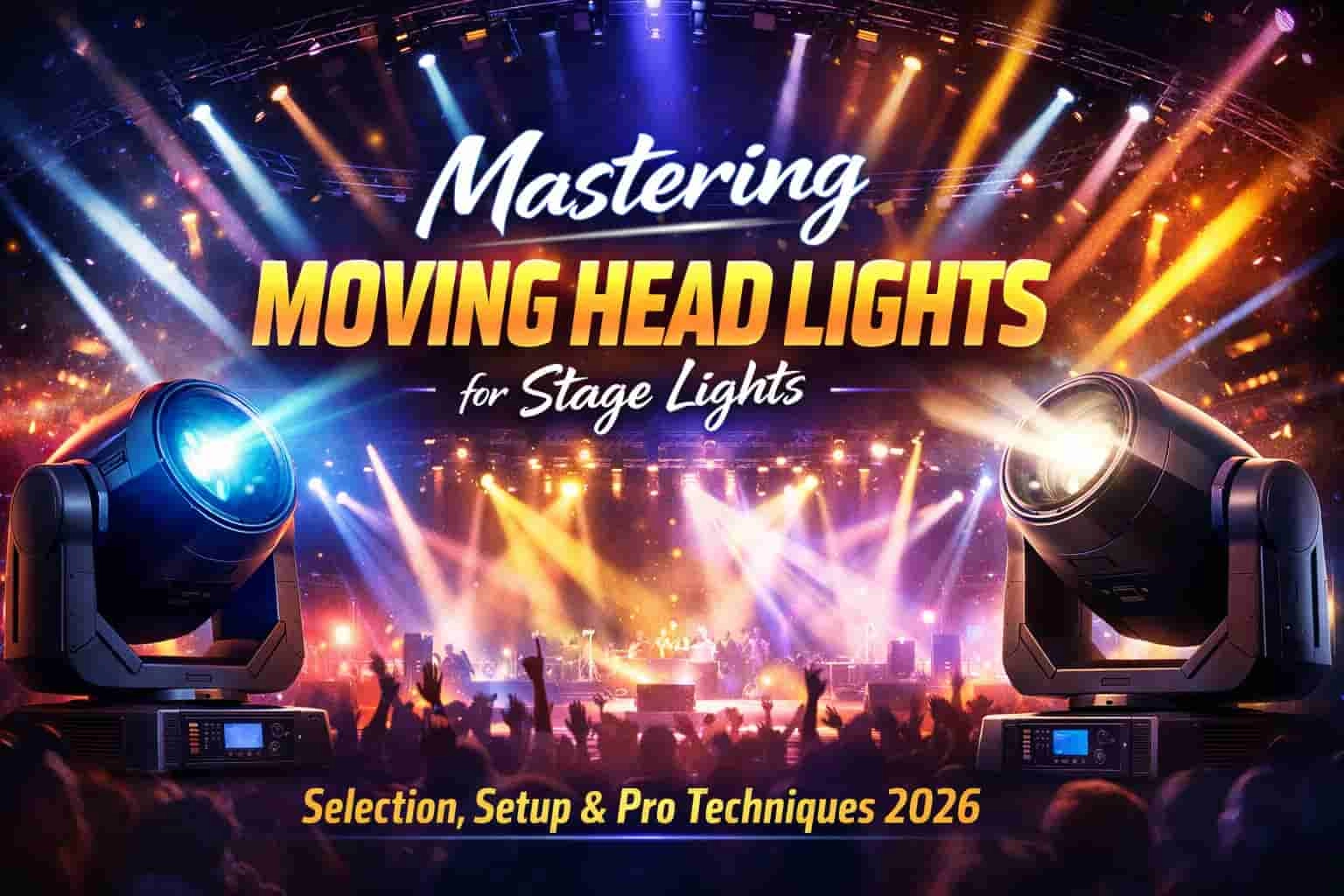
Mastering Moving Head Lights for Stage Lights: Selection, Setup & Pro Techniques 2026
Education & Career
How can freelance stage light technicians build a client network?
Start with local small shows, demonstrate professionalism, share work on social media, build relationships with theaters, event companies, and production managers. Reputation and reliability drive repeat business.
Design & Application
How to create a sense of spatial depth on a flat stage using stage lights?
The key is to distinguish foreground, midground, and background with different brightness and color temperatures using stage lights. Typically, the foreground is brighter and warmer, the background dimmer and cooler, with side or back lighting to separate layers.
Technology & Parameters
How to evaluate whether the brightness of a stage light is sufficient?
The brightness of stage lights is mainly evaluated by luminous flux (lumens) and illuminance (lux). Calculations must consider venue size, projection distance, and the required light ratio against ambient light.
How to select the power of stage lights for large venues?
When choosing stage light power for large venues, consider projection distance, required illuminance, ambient light interference, and optical efficiency. Higher-power sources (above 1200W) are usually required.
Equipment & Installation
What general principles apply to the mounting height and angle of stage lights?
A general rule for front-facing stage lights: mounting height should be at least half the width of the performance area, with a vertical angle of 30–45 degrees to minimize unwanted shadows under performers.
Maintenance & Safety
What is the most important packaging principle when transporting precision stage light equipment?
The top priority is shock protection. Use flight cases with custom foam inserts to prevent movement. Moisture protection is also essential to avoid damage to electronic components.
Basic Concepts & Types
What is the difference between moving head stage lights and conventional stage lights?
Moving head stage lights have built-in motors and can be remotely controlled for pan, tilt, color, pattern, and other functions. Conventional stage lights usually have fixed positions and parameters and require manual adjustment.
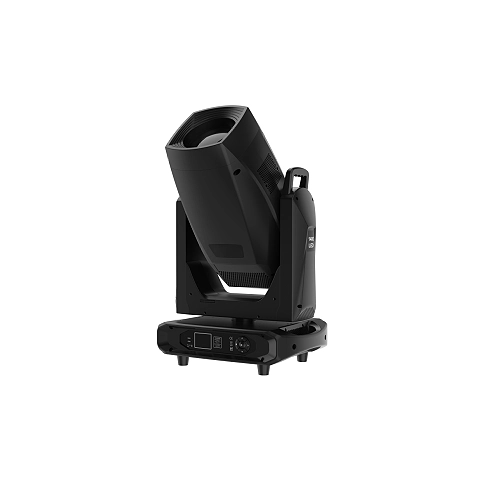
Fengyi 1400W High Power LED Gobo Pattern Projector Stage Light Cutting Lamp stagelighting
Discover the Fengyi 1000W LED Moving Profile Stage lights, delivering professional LED stage lighting. As DMX controllable moving head lights, they offer versatile stage wash and spot lighting fixtures with precise gobo and zoom. Command your stage with unparalleled performance.
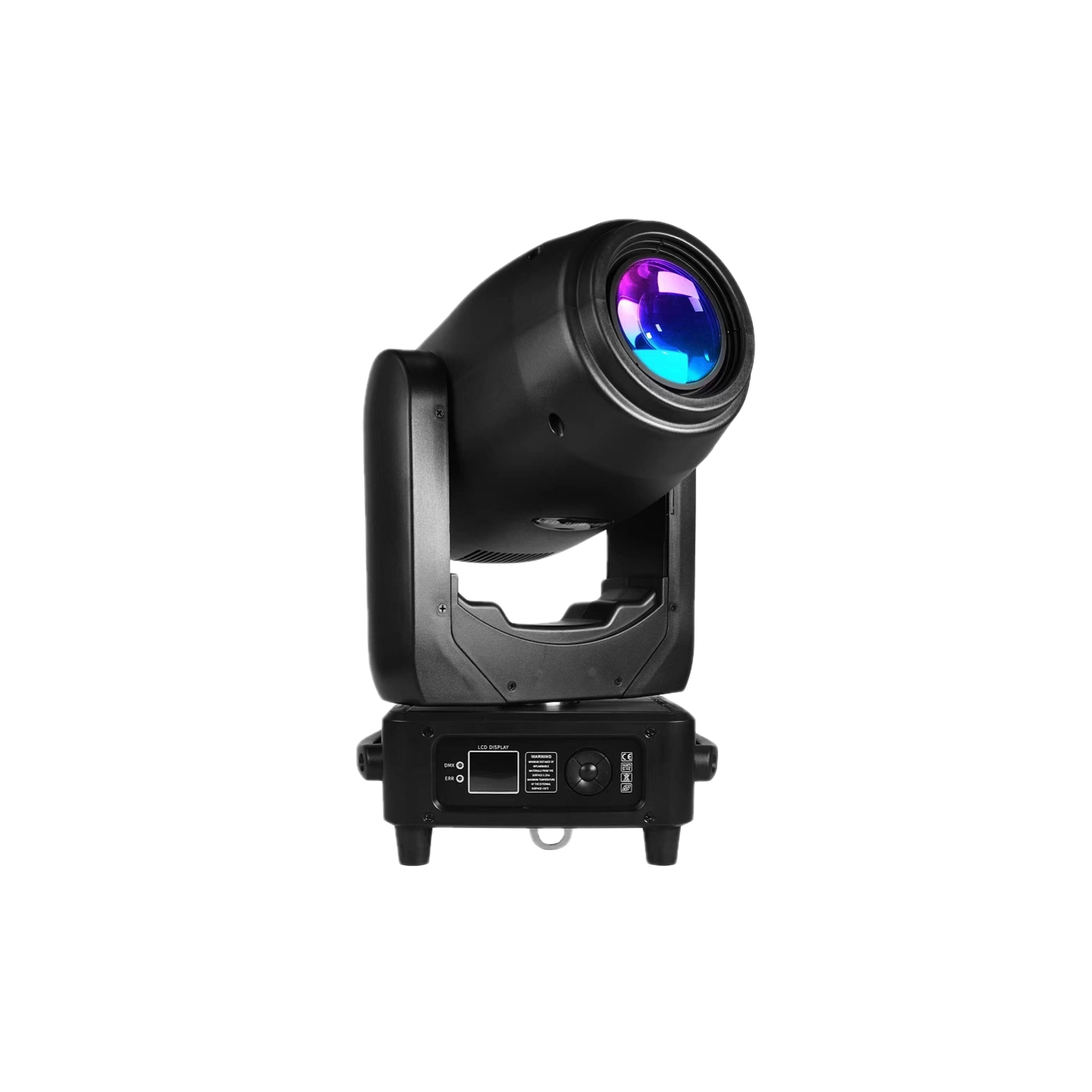
Fengyi Stagelighting 280W 3in1 Beam Spot Wash Moving Head Light
Here is a product description crafted to your specifications, keeping and conciseness in mind: Fengyi Stagelighting presents the 280W 3in1 Beam Spot Wash Moving Head Light. Ideal for professional stage lighting and concert lighting, this LED stage light offers unparalleled versatility. Experience brilliant beams, precise spots, and vibrant washes for any event.
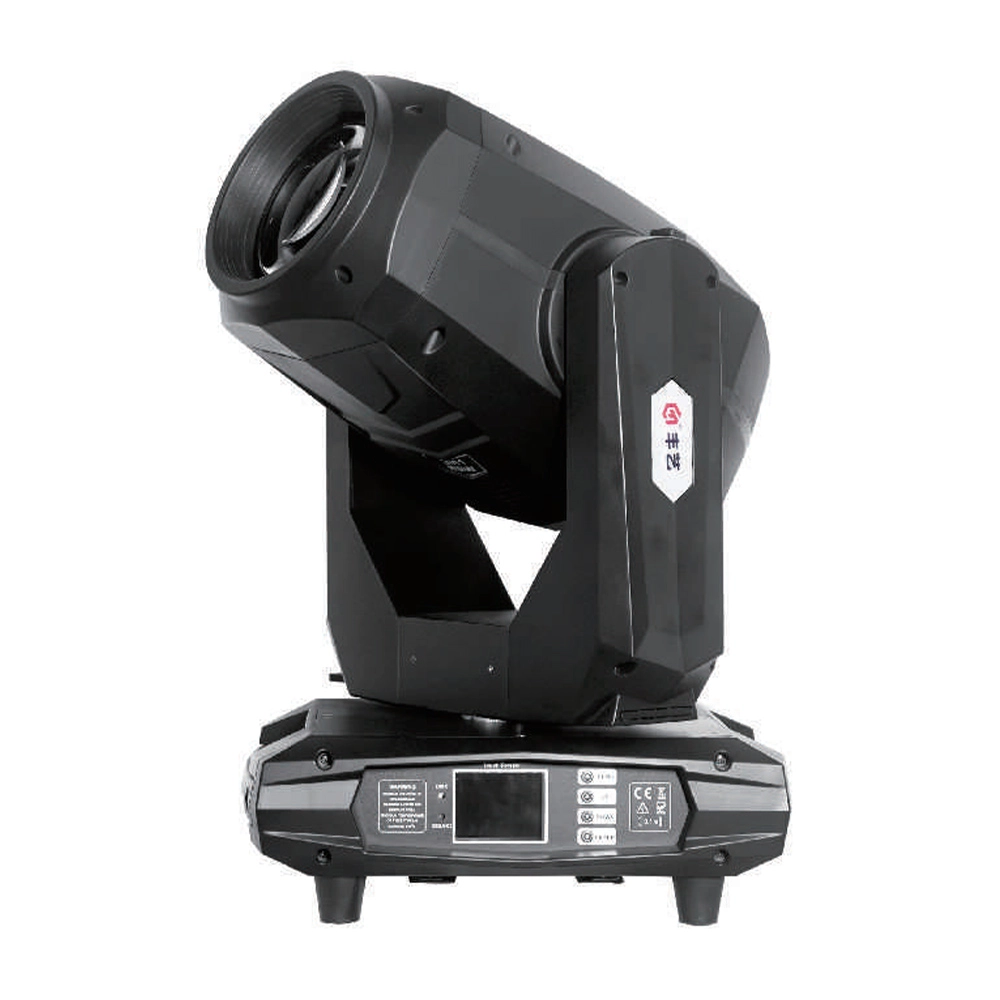
Fengyi 480W All-in-One Moving Head Beam Light Professional Stage Lighting FY-BM-10003
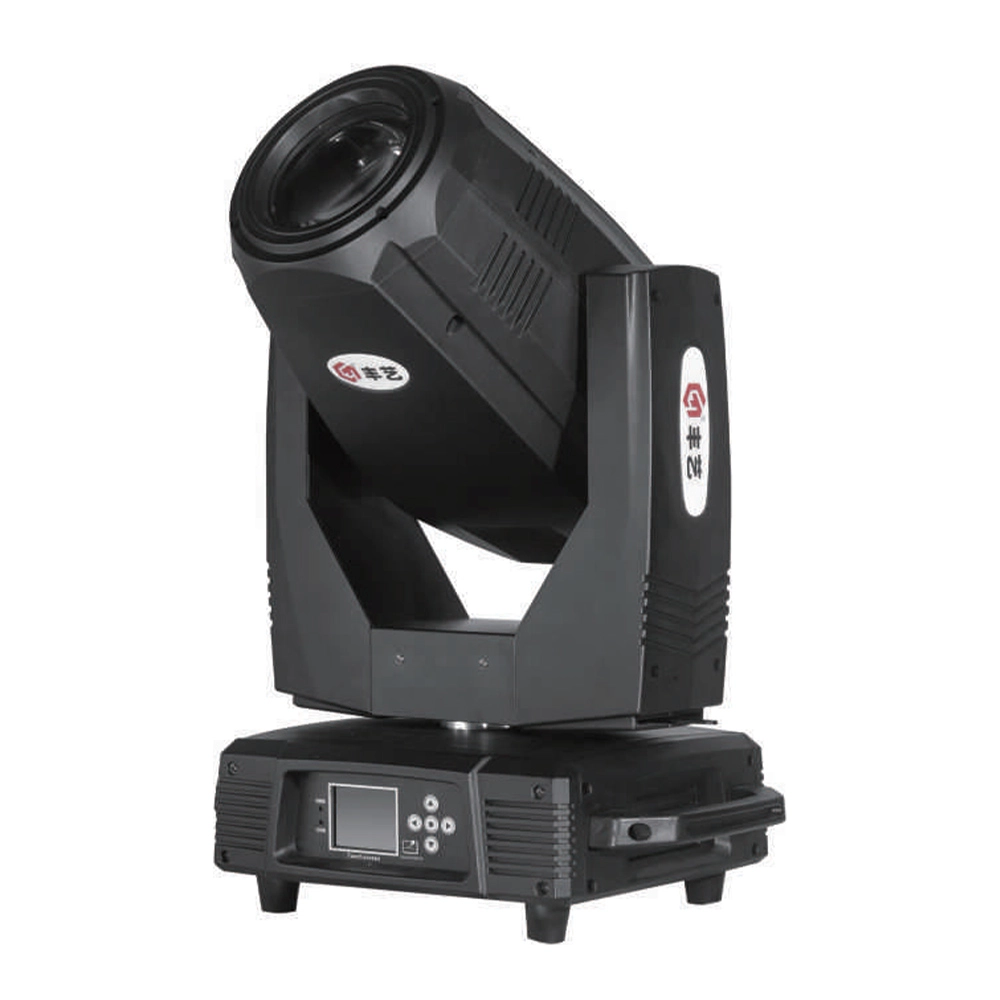
Fengyi 380W Intelligent Moving Head Stage Lights All-in-One System FY-BM-10002
Inquire About Our Moving Head Stage Lights
* Fill The Form
Contact
Building 5, No. 34, Fuyuan Road, Jinghu Industrial Zone, Xinhua Town, Huadu District, Guangzhou, China.
WhatsApp: +86 181 2742 0174
Tel. +86(20) 8642 3596
Ph. +86 150 1870 4285
More information
© 2026 Fengyi. All Rights Reserved.
Fengyi Light
Fengyi Light
Fengyi Light
Fengyilighting