
The Cornerstone of Safety and Aesthetics – Rigging Methods and Weight Management for Conventional Stage Lights
Rigging conventional stage lights is a critical engineering link connecting creative design and safe presentation. It is not only a technical action of fixing fixtures in the air but also a systematic science concerning personnel safety, equipment safety, visual effects, and work efficiency. Incorrect rigging can lead to catastrophic consequences, while an excellent rigging plan allows lighting design to bloom perfectly.
- Detailed Explanation of Core Rigging Methods for Stage Lighting
- 1. Overhead Rigging
- 2. Ground Support
- 3. Side Mount / Wall Mount
- 4. Weight Calculation and Structural Safety
- Calculating Total Load
- Safety Factor
- Understanding Truss Parameters
- Hoist Point Stress Analysis
- 5. Wiring Aesthetics and Heat Dissipation
- 6. Workflow and Specifications
- Summary
Detailed Explanation of Core Rigging Methods for Stage Lighting
Rigging is the engineering foundation behind every stunning stage lighting effect. Proper rigging ensures both safety and precise performance of conventional stage lights.
1. Overhead Rigging
The most mainstream method uses either the venue’s inherent structures (grid, roof steel beams) or temporary truss systems.
-
Hook Clamps and Safety Lanyards:
-
Standard connectors for lights and trusses.
-
Only qualified, load-matched hook clamps should be used.
-
Every fixture must have secondary protection (steel lanyard or safety chain) independent of the clamp.
-
-
Electric Hoists and Hoist Point Distribution:
-
Heavy trusses lifted by multiple hoists.
-
Hoist points must ensure even stress and horizontal lifting.
-
All hoists must have self-locking functions and be operated by certified personnel.
-
2. Ground Support
Used for small and medium-sized fixtures (e.g., PAR lights, wash lights).
-
Tripod Stands / Goalposts:
-
Ensure maximum load capacity, fully extended and locked legs.
-
Add counterweights if necessary.
-
-
Floor Bases and Columns:
-
Used for precise placement of beam or profile lights.
-
Ensure a flat stage surface, enhance stability with cables or counterweights.
-
3. Side Mount / Wall Mount
-
Installed on stage sides or building walls for side lights or key lights.
-
Use special side-mount brackets fixed to load-bearing structures.
-
Never attach to non-load-bearing surfaces (e.g., plasterboard).
4. Weight Calculation and Structural Safety
Safety First: every rigging decision must be based on accurate load calculations.
Calculating Total Load
-
Fixture Deadweight: e.g., 330W beam light = 25–35kg, 700W profile light = 40–50kg.
-
Cable Weight: especially with multiple power/DMX lines.
-
Truss Deadweight: aluminum truss weight cannot be ignored.
-
Dynamic Load: inertial forces from moving lights.
Safety Factor
-
Total Safe Working Load (SWL) should be 5–10× actual load.
-
Example: 1000kg total load → SWL = 5000–10000kg.
Understanding Truss Parameters
-
Cross-section, material (e.g., aluminum 6061-T6/6082-T6), and structure affect mid-span load capacity.
-
Always follow manufacturer load tables; never overload.
Hoist Point Stress Analysis
-
Ideally, hoist points are evenly distributed at ends.
-
Middle hoist points require special calculation and reinforcement.
5. Wiring Aesthetics and Heat Dissipation
-
Cable Management: use wraps, trays, and trunking; separate power and signal lines.
-
Heat Dissipation: maintain ≥50cm spacing between lights; disperse high-power fixtures to avoid hotspots.
-
Angle and Coverage: adjust rigging height and angle per lighting plot and on-site measurements.
6. Workflow and Specifications
-
Scheme Design: Structural engineer or lighting director prepares rigging plot and load calculations.
-
Equipment Inspection: Check all clamps, slings, hoists, and trusses for cracks, deformation, wear.
-
Team Collaboration: Use clear commands; operators wear helmets and harnesses.
-
Final Inspection: Verify all fasteners, safety lanyards, and cables before power-on testing.
Summary
Rigging and weight management integrate material mechanics, structural engineering, and practical on-site experience.
-
Every safe, tidy, precise rigging is a tribute to professionalism.
-
The most successful lighting design is one that guarantees 100% safety for stage lights and personnel while enabling brilliant artistic expression.
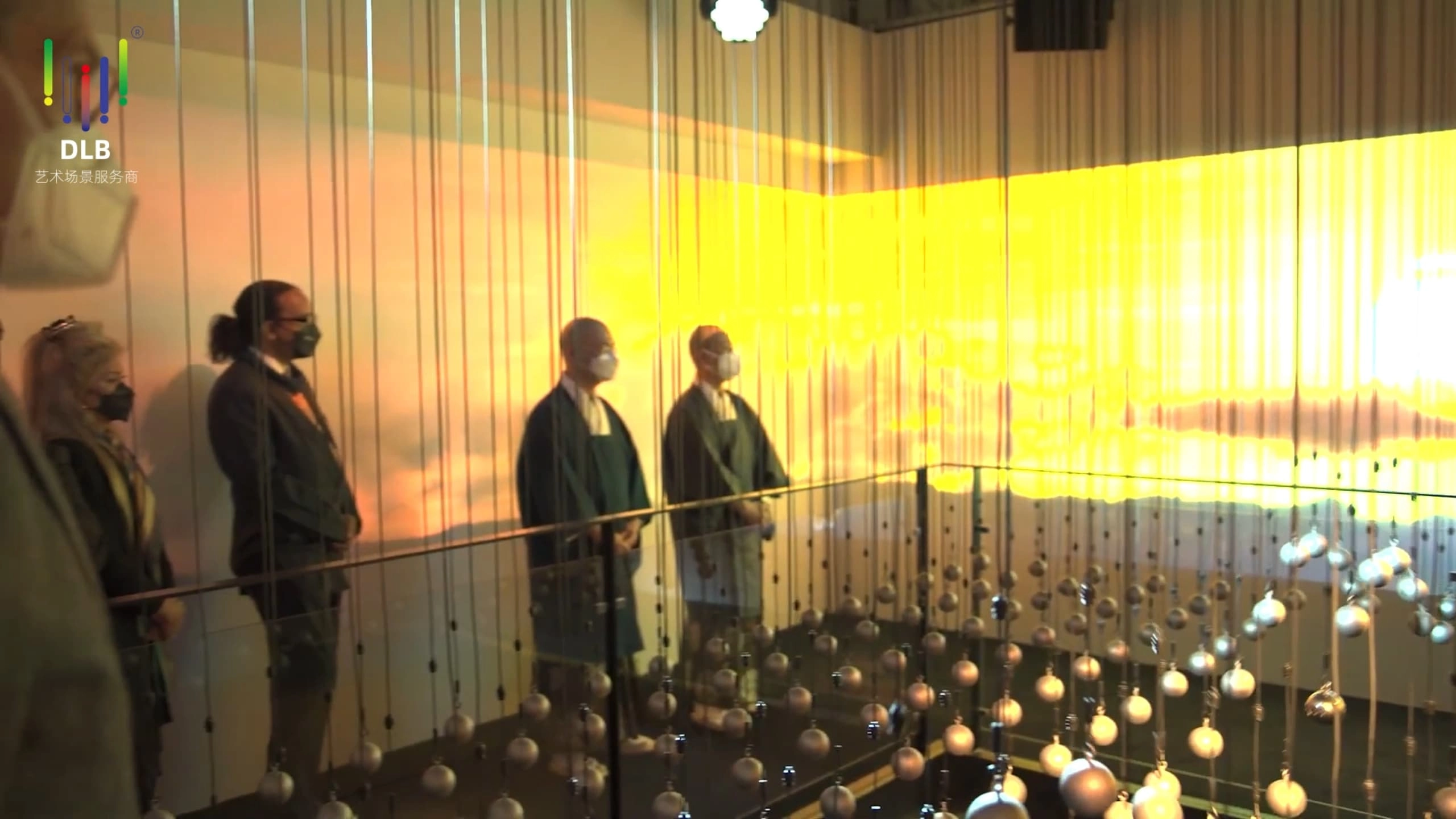
Divine Light Through a Thousand Years Analysis of Lighting Design & Application for the 800th Anniversary of the Great Saint’s Birth in Japan
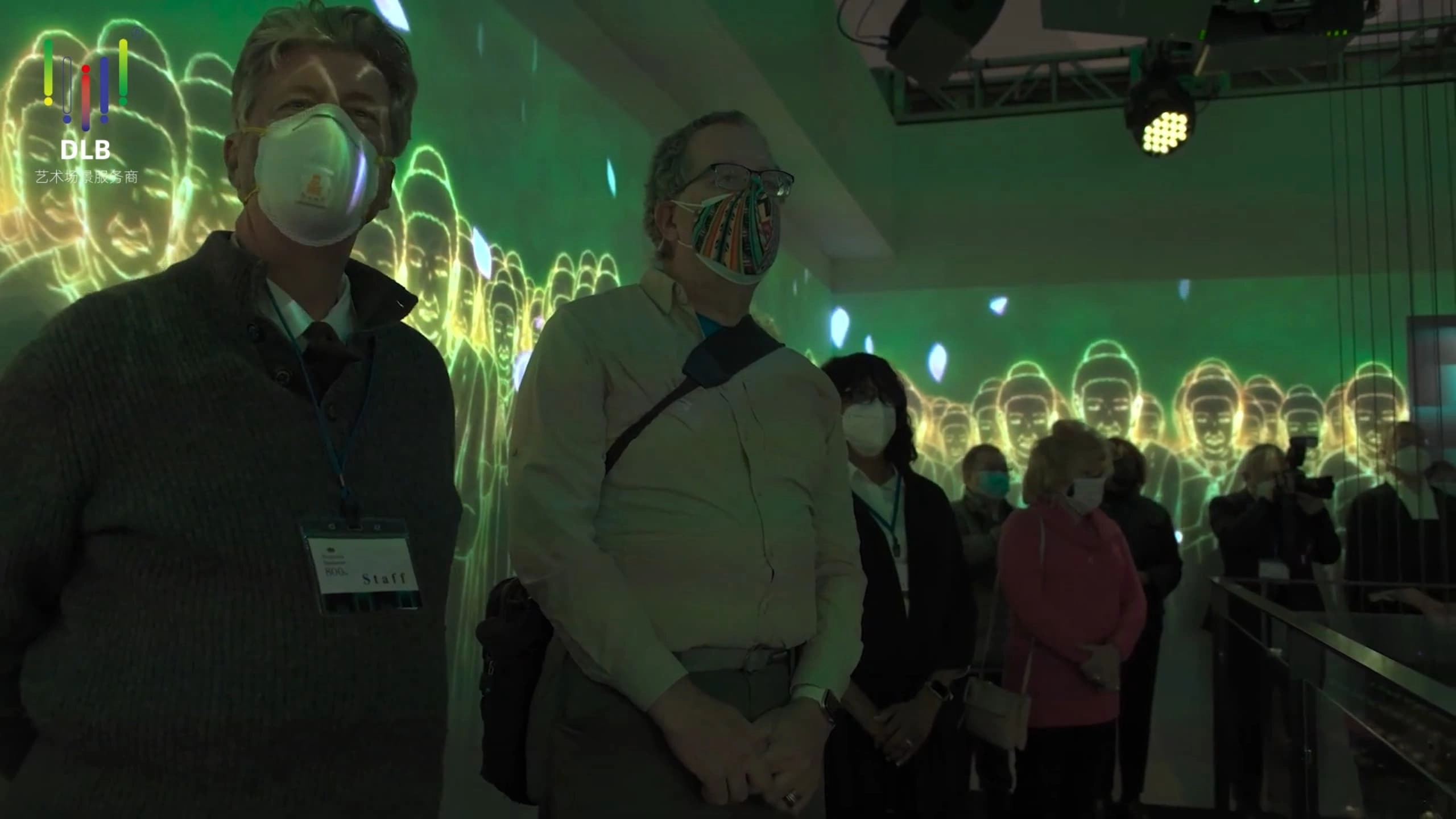
Divine Light Through a Thousand Years – Lighting Design & Application Sharing for the 800th Anniversary of the Great Saint’s Birth in Japan
What Are Moving Head Lights? 7 Powerful Facts Every Beginner Must Know
Mastering Moving Head Lights for Stage Lights: Selection, Setup & Pro Techniques 2026
Education & Career
What well-known stage light design competitions are available to students?
Major competitions include the USITT Young Designers Competition, Prague Quadrennial (PQ) Student Exhibition, and the student section of Italy’s Light & Building International Design Award.
What principles apply to backup power systems for stage lights in large-scale events?
The principle is N+1 redundancy. Control systems and critical circuits are powered by separate UPS units. A backup generator with automatic transfer switch (ATS) ensures seamless switchover during main power failure.
Maintenance & Safety
What is the most important packaging principle when transporting precision stage light equipment?
The top priority is shock protection. Use flight cases with custom foam inserts to prevent movement. Moisture protection is also essential to avoid damage to electronic components.
What is the most common cause of unstable DMX signals for stage lights?
The most common causes are faulty cables (open or short circuits), loose or oxidized connectors, or signal attenuation from too many stage lights on one DMX link. A terminating resistor should be installed at the end of the link.
What is the typical lifespan of an LED stage light?
For a qualified LED stage light, the LED light source typically lasts more than 50,000 hours. Actual lifespan also depends on heat dissipation, operating environment, and driver circuit quality.
Technology & Parameters
How does beam angle affect the effect of stage lights?
Beam angle determines the width of the light cone emitted by stage lights. Narrow beam angles are used for accent lighting, while wide beam angles are used for large-area washing. Choosing the right angle is essential for precise light control.
What dimming methods are commonly used for stage lights?
Common dimming methods for stage lights include SCR dimming, PWM dimming (widely used for LED lights), and digital dimming via DMX signals.
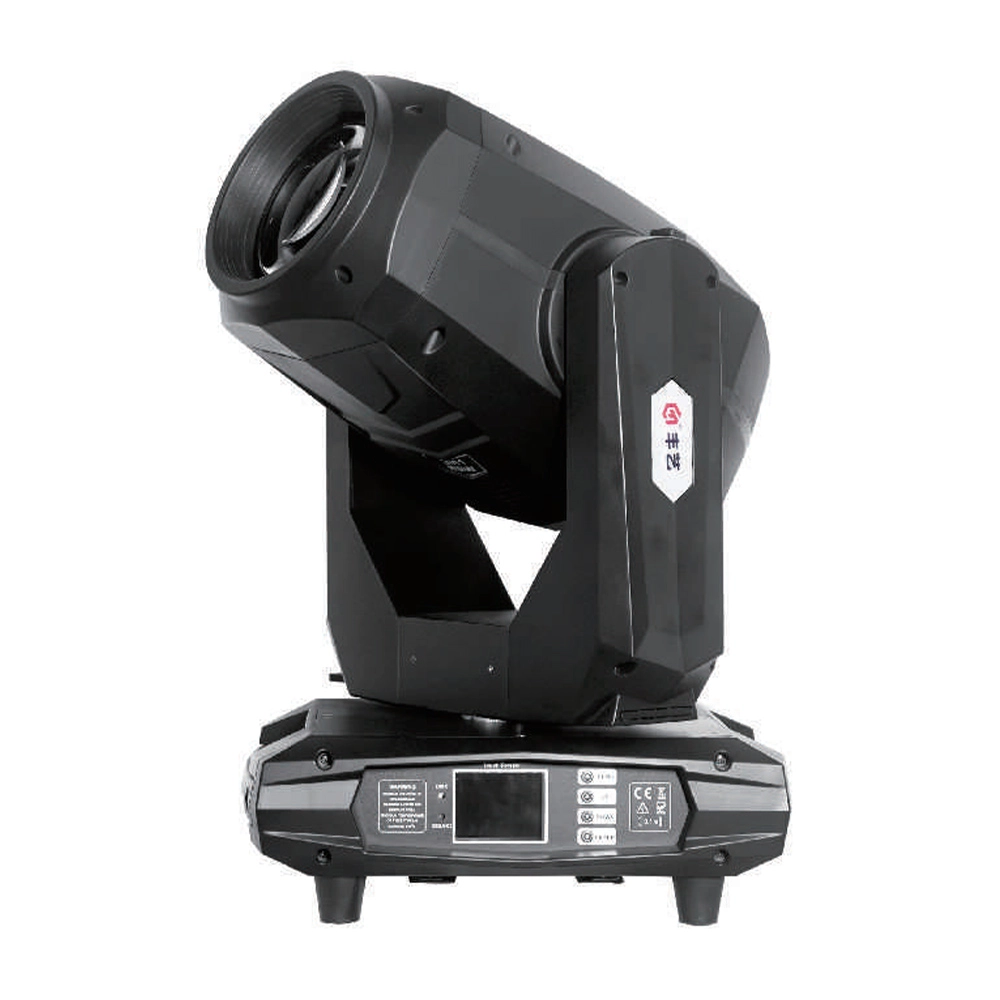
Fengyi 480W All-in-One Moving Head Beam Light Professional Stage Lighting FY-BM-10003
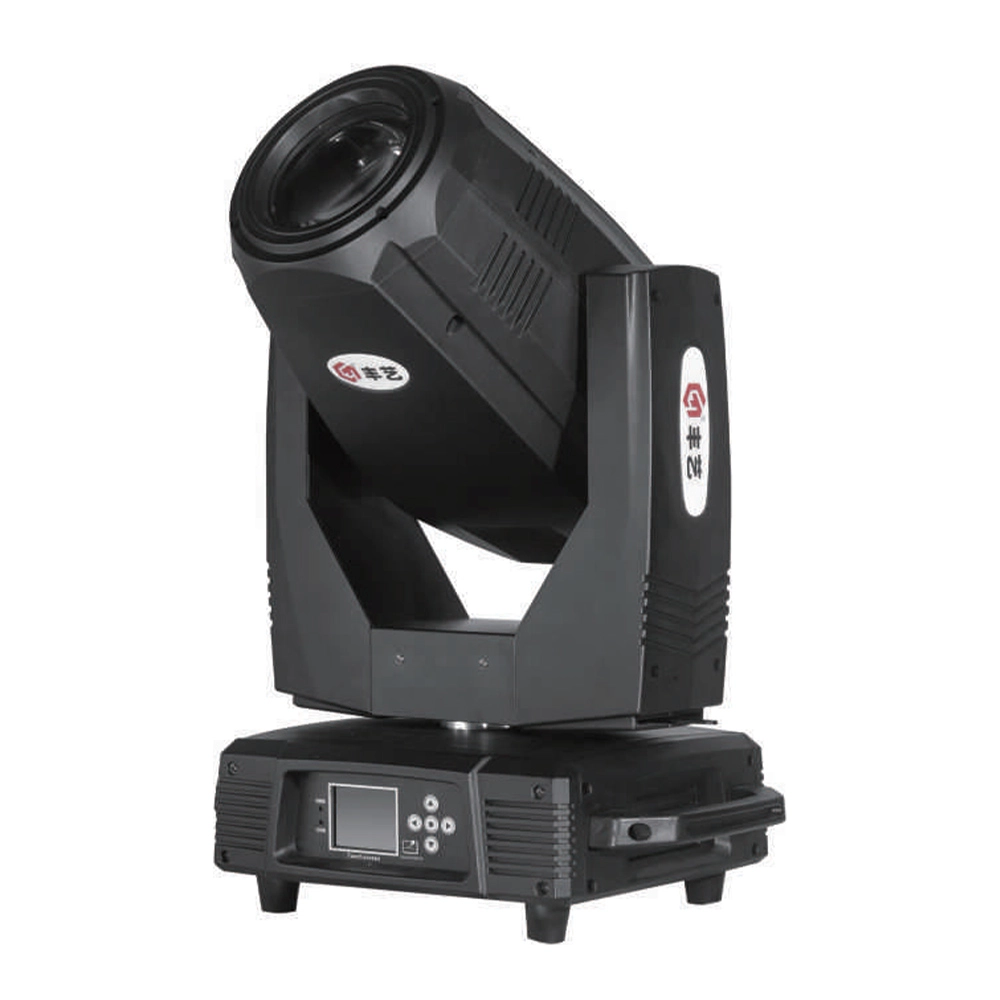
Fengyi 380W Intelligent Moving Head Stage Lights All-in-One System FY-BM-10002
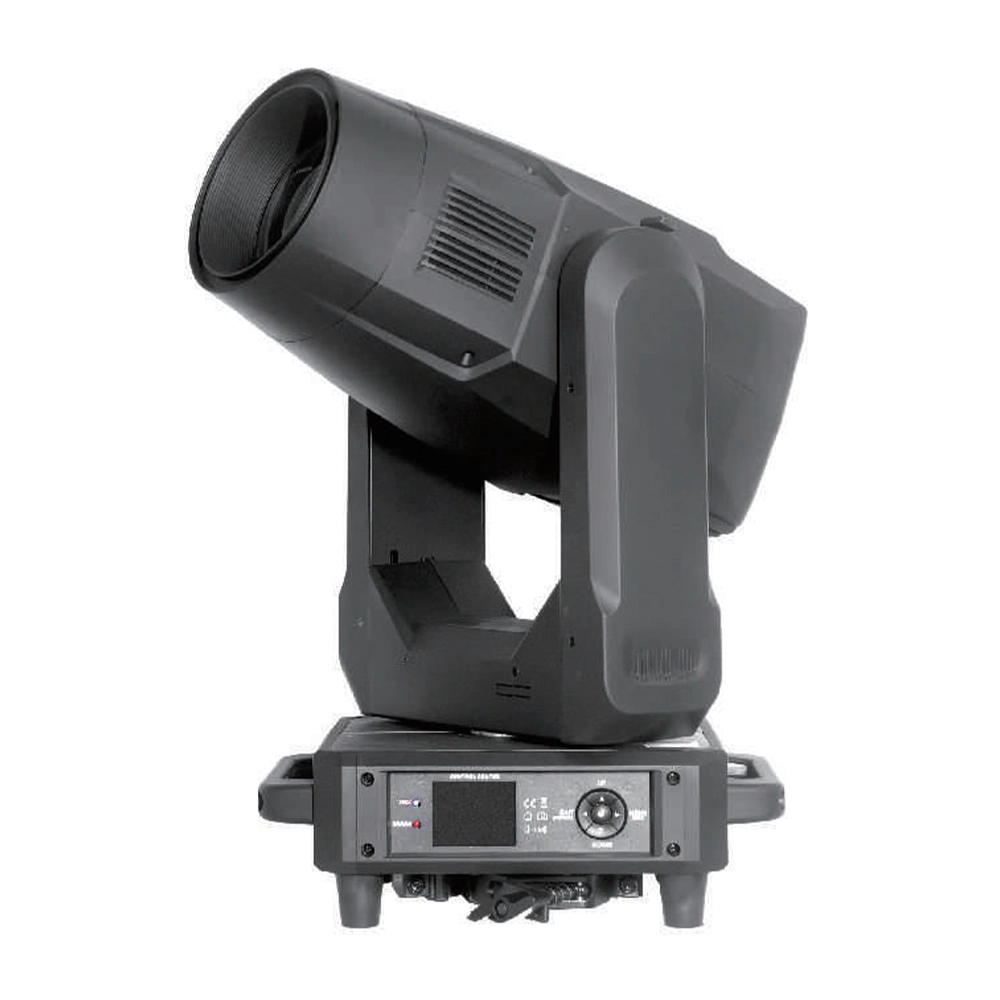
Fengyi 700W Profile Cutting Stage Moving Head Light Professional Event Fixture FY-SP-20003
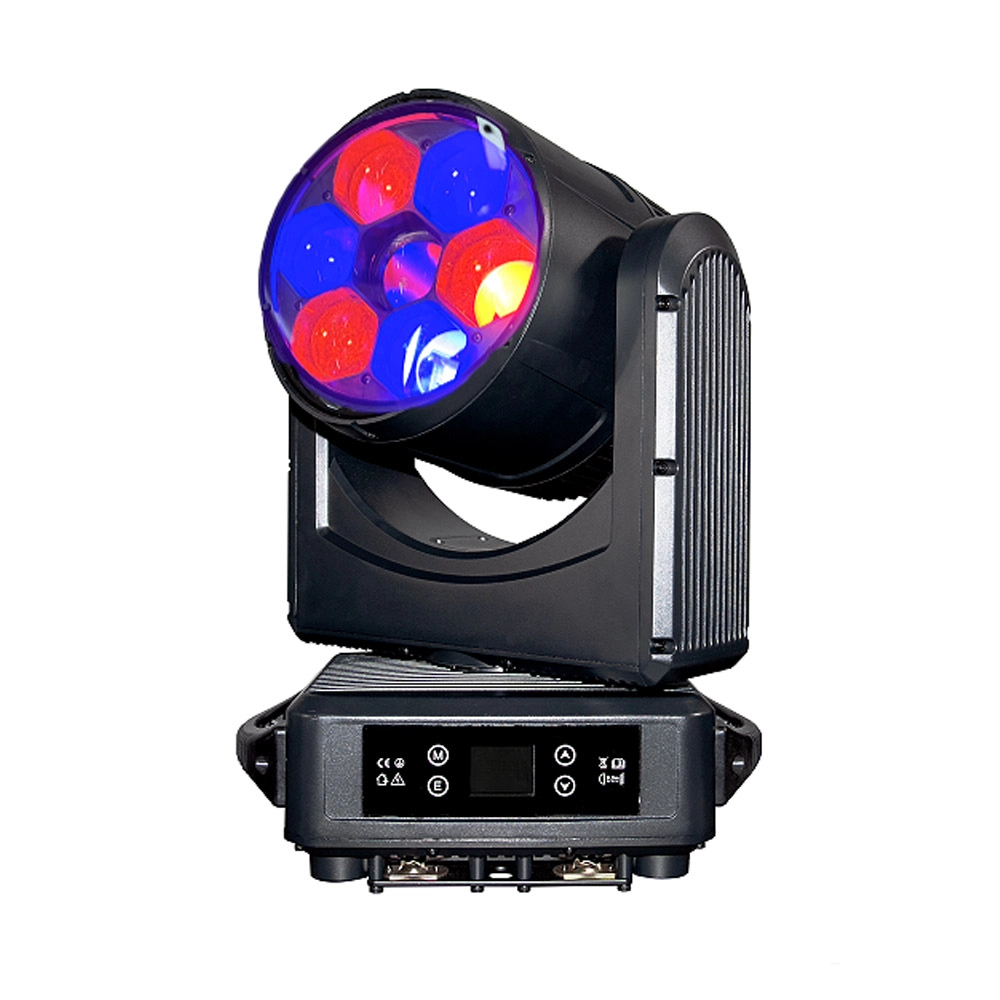
Fengyi 7x60W Waterproof Bee Eye Moving Head Professional LED Stage Lights for Concerts
The Fengyi 7*60 Waterproof Bee Eye offers powerful LED stage lights for concerts with reliable moving head stage lights and DMX control. Designed for outdoor use, it ensures vibrant, dynamic lighting performance in all weather, perfect for professional stage and event setups.
Inquire About Our Moving Head Stage Lights
* Fill The Form
Contact
Building 5, No. 34, Fuyuan Road, Jinghu Industrial Zone, Xinhua Town, Huadu District, Guangzhou, China.
WhatsApp: +86 181 2742 0174
Tel. +86(20) 8642 3596
Ph. +86 150 1870 4285
More information
© 2026 Fengyi. All Rights Reserved.
Fengyi Light
Fengyi Light
Fengyi Light
Fengyilighting